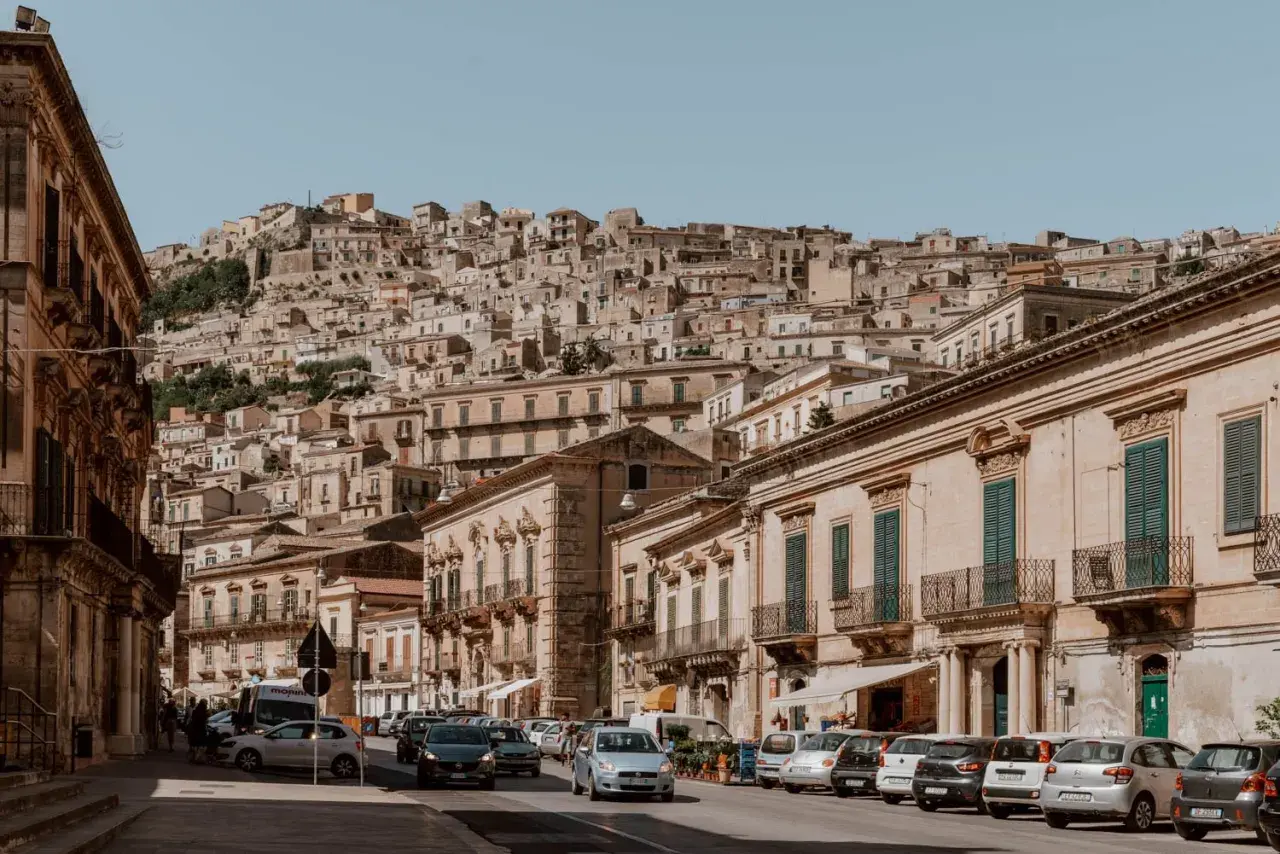
Driving in Sicily is manageable, but only if you accept that the island behaves like two different road trips at once. The motorway and main coastal routes are fairly straightforward, while historic centers, narrow village streets, and inland hills can feel much tighter and slower than a map suggests. I would treat it as a destination where a small car, sensible planning, and a little patience matter more than raw confidence.
The key takeaways for driving Sicily
- Main roads are generally fine; the real challenge is historic centers, parking, and narrow local streets.
- A compact car is the sweet spot for most itineraries, especially if you will visit towns and villages.
- Watch for ZTL restricted zones, because they are where many visitors pick up avoidable fines.
- For Americans, the U.S. Embassy in Italy advises getting an International Driving Permit before departure.
- Driving is most useful when your itinerary mixes beaches, hill towns, and nature spots that are awkward by bus.
The honest answer is that it depends on where you drive
My short answer is this: yes, Sicily can be easy enough to drive if you stay on the main network, but it stops feeling easy the moment you go into old-town traffic or climb into smaller inland roads. I would split the island into four driving experiences.
| Driving situation | How it feels | Why it feels that way |
|---|---|---|
| Autostrade between major cities | Easy to moderate | Clear signage, faster flow, and a more familiar road layout |
| Historic centers and waterfront old towns | Hard | ZTL zones, pedestrians, tight streets, and limited parking |
| Coastal day-trip roads | Moderate | Scenery, beach traffic, and slower junctions can interrupt the flow |
| Inland and mountain routes | Moderate to hard | Curves, reduced visibility, and roads that reward patience more than speed |
That is why one day in Palermo can feel more demanding than a long transfer between cities. The drive itself is not the problem so much as the part of Sicily you are trying to reach. Once you understand that split, trip planning becomes much less guesswork and much more route selection.
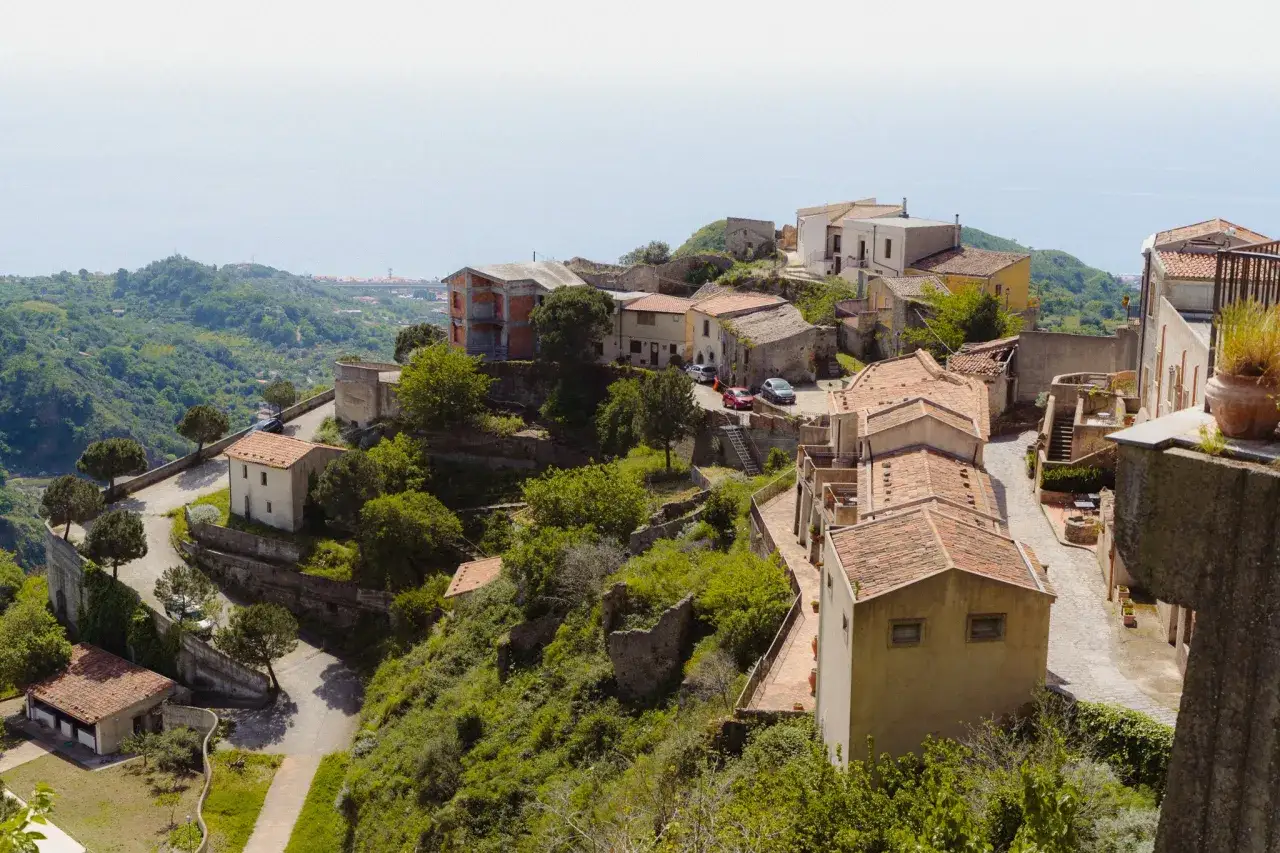
What the roads are actually like once you leave the motorway
The official Italy tourism site describes Sicily as a predominantly hilly and mountainous island, and that is exactly why drive times can feel longer than they look on paper. On the main corridors, especially the A18 between Messina and Catania and the A20 between Messina and Palermo, I find the driving fairly straightforward. The moment you leave those corridors, the island becomes more variable: narrower lanes, sharper bends, occasional roadworks, and road surfaces that are not always as polished as you would want for a relaxed holiday drive.
I would not call the smaller roads dangerous by default, but I would call them demanding if you are tired, arriving after dark, or driving a large vehicle. In practical terms, that means Sicily rewards calm, defensive driving far more than fast reactions. If your trip is built around beaches, hill towns, and scenic inland stops, this is the section of the island that should shape your expectations most.
The rules and traps that catch visitors
Most mistakes I see are not about driving skill; they are about not noticing local rules quickly enough. The biggest one is the ZTL, the restricted traffic zone used in many historic centers. If you enter one without permission, you can get fined by camera even if you were only trying to reach a hotel.
| Rule or habit | What to remember | Why it matters |
|---|---|---|
| ZTL zones | Do not enter unless your hotel has explained the access route | Cameras can record violations automatically |
| Speed limits | Typical limits are 50 km/h in towns, 90 km/h on extra-urban roads, and 130 km/h on motorways | Speed cameras are common, and fines are not worth the risk |
| Headlights | Use low-beam headlights during the day on extra-urban roads and motorways | It is part of the driving rules and improves visibility |
| Parking | Read the nearest sign before leaving the car | Many spaces are paid, reserved, or time-limited |
| Paperwork | Carry your passport, home license, rental papers, and IDP if required | It saves time at pickup and during checks |
The U.S. Embassy in Italy advises Americans who plan to drive to obtain an International Driving Permit before departure, and I agree with that advice because it removes one unnecessary point of friction. If you are traveling from the United States, I would not rely on your domestic license alone and hope for the best.
Once the rules are out of the way, the car choice becomes the next real decision, and that choice changes the whole feel of the trip.
Choosing the right car matters more than most people expect
I would rather have a small, slightly less glamorous car in Sicily than a bigger vehicle with more luggage space. Compact cars are easier to place on narrow streets, simpler to park, and less stressful when a road pinches down to one lane or feels tighter than expected. If you are not comfortable with manual transmission, book an automatic early; in peak season, the supply is usually thinner and the price can jump quickly.
| Car type | Best for | Tradeoff |
|---|---|---|
| Compact hatchback | Town visits, mixed itineraries, and easy parking | Less boot space and less comfort for very long luggage-heavy trips |
| Automatic compact | American drivers, hill routes, and stress-free urban driving | Usually costs more and can sell out early |
| SUV or van | Families with a lot of luggage or travelers who value cabin space | Harder to park and less forgiving in old centers |
I also pay attention to the insurance excess and whether the car has parking sensors or a rear camera. Those are not luxuries in Sicily; they are stress reducers. If your itinerary includes old towns, beach parking, or hotel garages with tight turns, that extra equipment can matter more than you think.
The next question is not just what to rent, but whether you need the car for the whole trip.
When a car is worth it and when I would skip it
For an itinerary built around Palermo, Catania, Syracuse, Taormina, beaches, and a few inland stops, I usually think a car is worth having. It gives you more freedom for lunch stops, viewpoints, and day trips that would otherwise require a long transfer or a patchwork of buses. Sicily is especially good for that style of travel because the island is full of scenic detours that are easy to miss if you stay tied to train timetables.
- Drive if you want beaches, hill towns, Mount Etna, or a base outside the big cities.
- Drive if you are planning more than one region and do not want to rebuild your day around buses.
- Skip or delay the car if you will mostly stay in Palermo or Catania old centers and use trains for the main intercity legs.
- Be selective if you only need one or two day trips, because parking and hotel access can matter more than the drive itself.
My rule is simple: if the trip is city-heavy, I would be cautious about renting immediately. If the trip is about scenery, villages, and variety, the car starts paying for itself quickly. That is the practical balance behind whether driving in Sicily feels easy or not.
What matters most, then, is not proving you can drive everywhere on the island. It is building a route that keeps the hard parts small and the good parts open.
How I would plan a Sicily road trip without making it harder than it needs to be
If I were planning a first Sicily self-drive, I would keep the itinerary compact and slightly conservative. I would pick up the car at the airport or on the edge of the city, book accommodation with parking, and avoid arriving in an unfamiliar old town after dark. I would also avoid oversized vehicles, because the island rewards agility more than bulk.
- Use a compact car unless you have a specific reason not to.
- Reserve parking in advance whenever your hotel offers it.
- Build in extra time for roadworks, beach traffic, and slow parking searches.
- Do not aim to drive straight into the historic core unless you are sure about access.
- Keep navigation offline as a backup, because phone signal and street layouts can both be imperfect in rural areas.
If you plan Sicily around those habits, the island stops feeling like a driving challenge and starts feeling like a very rewarding self-drive destination. That is the version I recommend: deliberate, compact, and a little slower than the map makes it look.