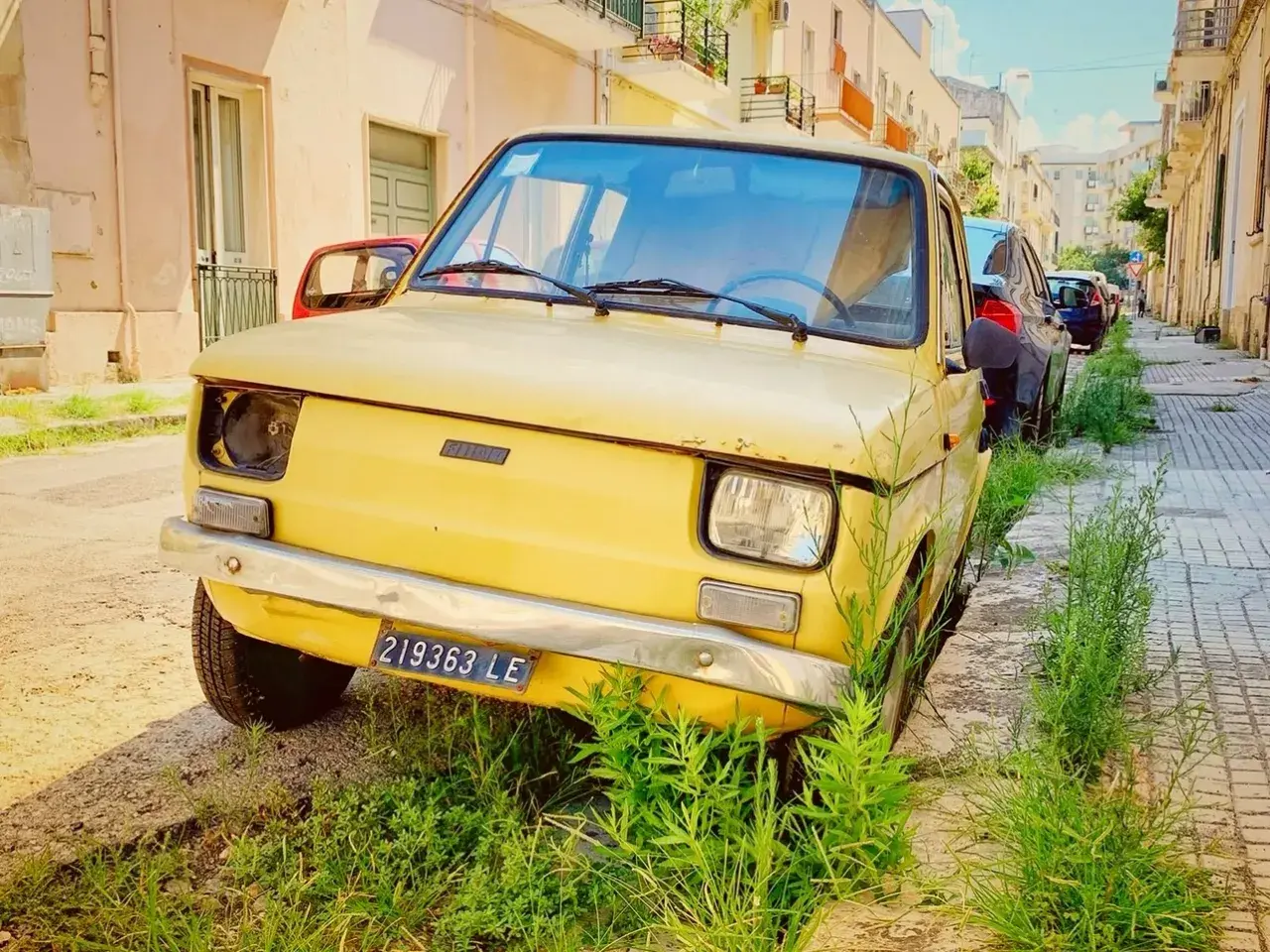
Puglia works best when you treat the road as part of the trip, not just a way to get between hotels. In practice, driving in Puglia is usually straightforward outside historic cores, but the region rewards travelers who plan around parking, restricted zones, and compact roads rather than assuming every town center is car-friendly. This guide focuses on the decisions that matter: whether a car is worth it, what U.S. travelers need before picking one up, how the roads actually feel, where ZTLs catch visitors out, and which routes are worth building into a trip.
The smartest way to cover Puglia without wasting time in town centers
- A car is most useful if you want Valle d’Itria villages, Salento beaches, or masserie outside town.
- U.S. travelers should carry a valid state license, passport, and an International Driving Permit.
- Historic centers are the main trap; park outside and walk in whenever you see a ZTL.
- Choose a compact car unless you have a strong reason to book something larger.
- Plan by bases, not by daily hotel changes; short road distances can still become slow once parking is included.
Why a car helps in Puglia
The strongest case for a car here is simple: Puglia is full of places that are beautiful, but not always easy to connect by public transport. Masserie, olive-grove stays, small coastal coves, and the inland towns of the Valle d’Itria are exactly the kind of places where a car opens the region up. Valle d’Itria is the central cluster of trulli towns; Salento is the southern peninsula where beaches, baroque cities, and long coastal stretches begin to spread out.Trains do work on the main corridor, especially around Bari, Monopoli, Brindisi, and Lecce, but they stop being helpful once your itinerary starts mixing beach time, countryside lunches, and small-town overnights. If I were planning a first trip, I would compare the options like this:
| Option | Best for | Main tradeoff |
|---|---|---|
| Car | Multiple towns, beach stops, rural stays, flexible timing | Parking, ZTLs, and more attention in old centers |
| Train and bus | Bari, Lecce, Monopoli, Brindisi, and a lighter itinerary | Fewer direct links to countryside and smaller villages |
| Private transfer or tours | Point-to-point days when you do not want to think about parking | Less freedom and usually higher per-day cost |
My rule is blunt: if your plan includes one base and a few beach days, you can manage without a car. If your plan includes several towns, countryside hotels, and at least one “let’s just follow that road and see where it goes” day, a car becomes the better tool. That leads naturally to the paperwork you need before you collect the keys.
What Americans need before they pick up the keys
The U.S. Embassy in Italy advises Americans visiting Italy and intending to drive to obtain an International Driving Permit before leaving the United States, and that is the advice I would follow. In real terms, you want to arrive with your passport, your valid U.S. driver’s license, and the permit together. Rental desks can be inconsistent, and the cheapest trip is not the one where you discover a missing document at pickup.I would also check three practical details before booking:
- Transmission - automatics are often more expensive and can sell out early.
- Insurance - the base rate usually looks better than the real total once deductibles and coverage are added.
- Driver age - many rental companies charge a young-driver fee or apply stricter rules for younger renters.
For the car itself, smaller is safer. Puglia does not reward oversized vehicles, especially if you plan to stay in or near historic centers. A compact hatchback is easier to park, easier to maneuver on village streets, and far less stressful when your navigation app gets a little too optimistic. If you are traveling with luggage or a family, size up only as much as you need, not as much as the booking engine tries to sell you. The next question is how the roads feel once you actually leave the airport.
How the roads actually feel
Puglia is not a difficult place to drive, but it is an active one. The U.S. State Department flags a few things that are worth taking seriously: narrow rural roads, limited signage in some places, scooters moving in ways American drivers may not expect, and traffic behavior that is more assertive than polite. None of that makes the region unmanageable; it just means you should leave a little more margin than you would at home.
Here is the short version of what I plan for:
- Drive on the right and expect overtakes to happen quickly.
- Keep your headlights on outside cities; that rule matters more than many visitors realize.
- Watch scooters at junctions, especially in towns and at beach access roads.
- Do not trust every narrow lane on your map; some roads are more suitable for local traffic than for visitors with luggage.
- Start early in hot months; concentration drops fast when the road, the car, and the parking lot are all baking in the sun.
Most of the stress comes from context, not from the road itself. A flat country lane at 9 a.m. feels easy; the same lane near a village market or beach crowd can suddenly become slow and awkward. That is why parking strategy matters almost as much as route choice.
Parking and ZTLs are the real trap
The most common mistake is assuming that a historic center is fair game just because the street looks open. In Italian towns, a ZTL, or Zona Traffico Limitato, is a limited-traffic zone where entry is restricted to authorized vehicles. If you miss the sign, the camera often does not miss you. The U.S. State Department specifically notes that fines from permit-only downtown areas can be sent to drivers back home.
My practical approach is always the same: park outside the old center, then walk in. That works in most towns where the historic core is the thing you came to see anyway. The extra five to fifteen minutes on foot is usually a better trade than circling for a space or risking a fine.
In many Italian towns, these parking cues help:
| Marking | What it usually means |
|---|---|
| White lines | Often free, but check the local sign because rules can vary |
| Blue lines | Usually paid parking |
| Yellow lines | Resident, permit, or reserved parking |
If your hotel is inside or near a restricted area, ask for instructions before arrival. Good hosts in Puglia are used to this question and usually know which lot, gate, or loading area makes the arrival painless. Once you understand the parking pattern, you can start building the trip around the drives that actually deserve your time.
The drives worth planning around
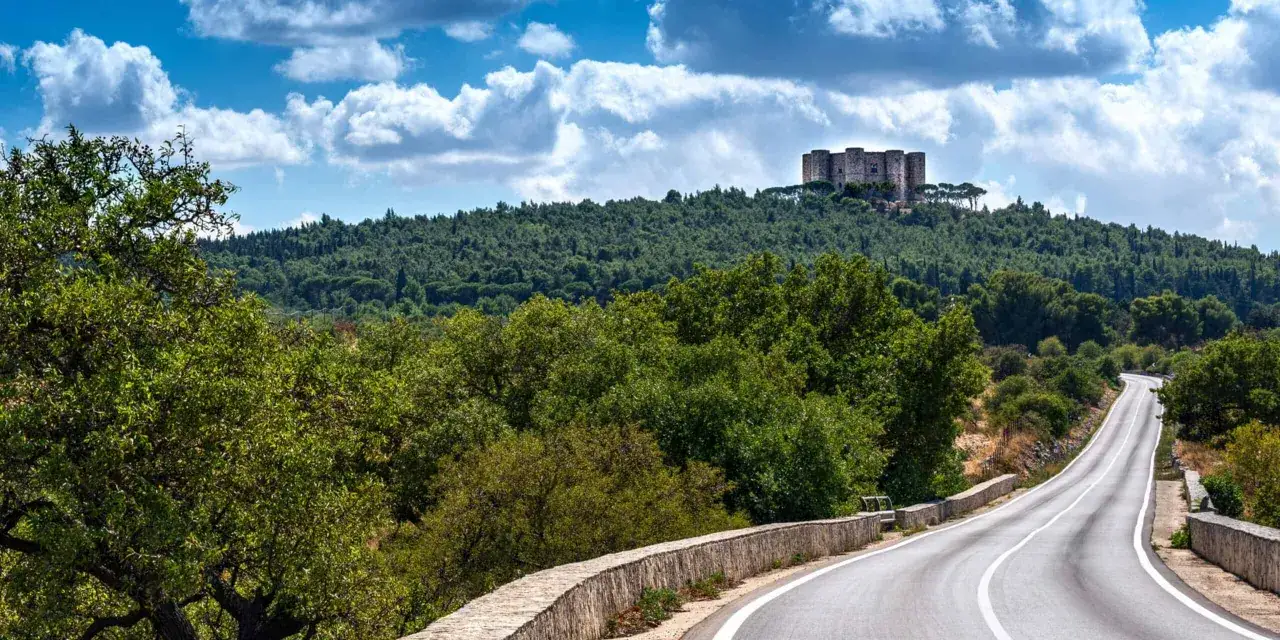
Puglia is at its best when the drive itself adds something to the day. I would not build a trip around endless kilometers, but I absolutely would shape the itinerary around a few memorable road segments. The southern coast, the white towns of the interior, and the approach roads between them are where the region feels most alive.
| Route | Approximate drive time | Why it is worth it | What to watch |
|---|---|---|---|
| Bari to Polignano a Mare | 35 to 45 minutes | An easy first leg with sea views and a very manageable warm-up | Parking fills quickly near the most photogenic areas |
| Polignano a Mare to Ostuni | 35 to 50 minutes | A neat transition from coast to hill town | Slow down near small-town entrances and watch for tight streets |
| Ostuni to Lecce | 50 to 65 minutes | Good for linking whitewashed villages with baroque city time | Summer traffic can stretch the drive |
| Lecce to Otranto | 40 to 50 minutes | One of the most useful short coastal hops in the south | Plan extra time if you want to stop for beaches or lunch |
| Otranto to Santa Maria di Leuca | 1 to 1.25 hours | A scenic southern run where the coastline feels open and dramatic | Fewer services and more stop-start driving than the main highways |
What I like about these drives is that they do not ask for heroic mileage. They ask for attention. You can cover a lot of ground in half a day, but the real value is the way the scenery changes: stone walls, olive groves, trulli roofs, and then suddenly the sea again. If you are tempted to add Gargano as well, just remember that the north is a different proposition, with more winding roads and more time between stops. That makes the next section especially important: how to structure the trip so the driving stays enjoyable.
How I’d structure a short Puglia road trip
For a short trip, I would not change hotels every night. Puglia looks compact on a map, but once you add parking, check-ins, and wandering through towns on foot, the day gets fuller than you expect. Two or three bases is usually the sweet spot.A practical first-trip shape looks like this:
- Base 1 - Bari, Polignano a Mare, or Monopoli for a coastal start and an easy airport handoff.
- Base 2 - Ostuni or a masseria in the Valle d’Itria for trulli towns and countryside dinners.
- Base 3 - Lecce or nearby Salento for baroque streets, Otranto, and southern beaches.
If you only have three or four days, keep the range tight and skip the farthest corners. If you have a week, add one night in a rural stay where the road disappears into olive trees before sunrise. That is one of the best parts of the region, and it is exactly the kind of stay a car makes possible. The only real downside is that a car is not always the right choice, which is the part too many guides gloss over.
When a car is the wrong choice
I would skip the car if your plan is mostly one-town, one-hotel, and low-friction. Bari and Lecce can be enjoyed very well on foot, especially if you are not trying to bounce between multiple beaches or rural stays. The same is true if you prefer long lunches, easy evenings, and a trip where you are not thinking about where to leave the car every time you stop.
A car is also a weaker choice when you know parking will annoy you more than it will help you. Some travelers hate the extra mental load of finding a lot, reading signs, and deciding whether a lane is wide enough. If that sounds familiar, rail plus taxis or a few well-chosen transfers may fit better.
As a rule of thumb, use this filter:
- Choose a car if you want flexibility, countryside stays, and several towns in one trip.
- Skip the car if you are staying mostly in city centers and do not want to deal with parking.
- Mix both if you want a city start, then a rental for the rural and coastal stretch.
That flexibility is often the smartest compromise, because it gives you the best part of the region without forcing the hardest part of town driving into every day. The final piece is the checklist I would actually use before leaving the airport.
The habits that make the trip smoother
If I were planning this trip again, I would keep the same few habits from day one. They save time, reduce stress, and prevent the annoying mistakes that can turn a lovely road trip into a messy one.
- Book the smallest practical car and only go bigger if luggage truly requires it.
- Reserve an automatic early if you do not drive manual regularly.
- Enter towns with a parking mindset, not a “find the hotel first” mindset.
- Use navigation to reach the lot, then walk into the center.
- Start long sightseeing days early, especially in the hotter months.
- Ask your hotel about ZTL access before you arrive, not after you have already crossed a camera.
If driving in Puglia is part of a broader southern Italy trip, I would keep the same principle throughout: use the car to connect open-country places, then leave it outside the historic core and explore on foot. That simple habit protects your time, your budget, and your nerves more than any other tip.