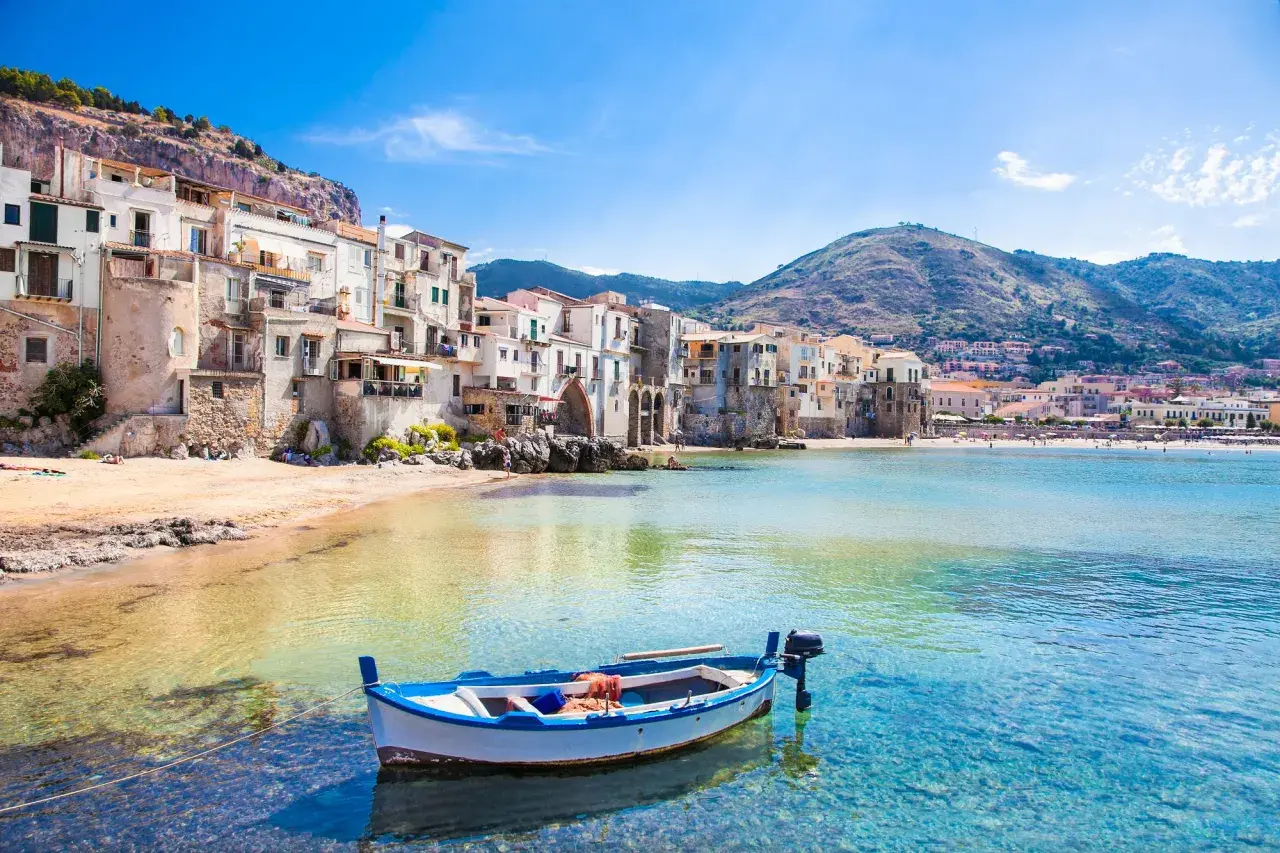
The most efficient Sicily trip combines one city, one coast, and one inland stop
- Palermo works best as a first stop if you want markets, street food, and a strong sense of the island’s layered history.
- Taormina, Mount Etna, and Syracuse are the easiest trio for a first eastern Sicily route.
- Valley of the Temples and the Baroque towns of the southeast add depth if you want ruins and architecture, not just scenery.
- A car helps a lot once you leave the main city corridor, especially for beaches, hill towns, and inland viewpoints.
- Spring and autumn usually give the best balance of weather, crowds, and driving conditions.
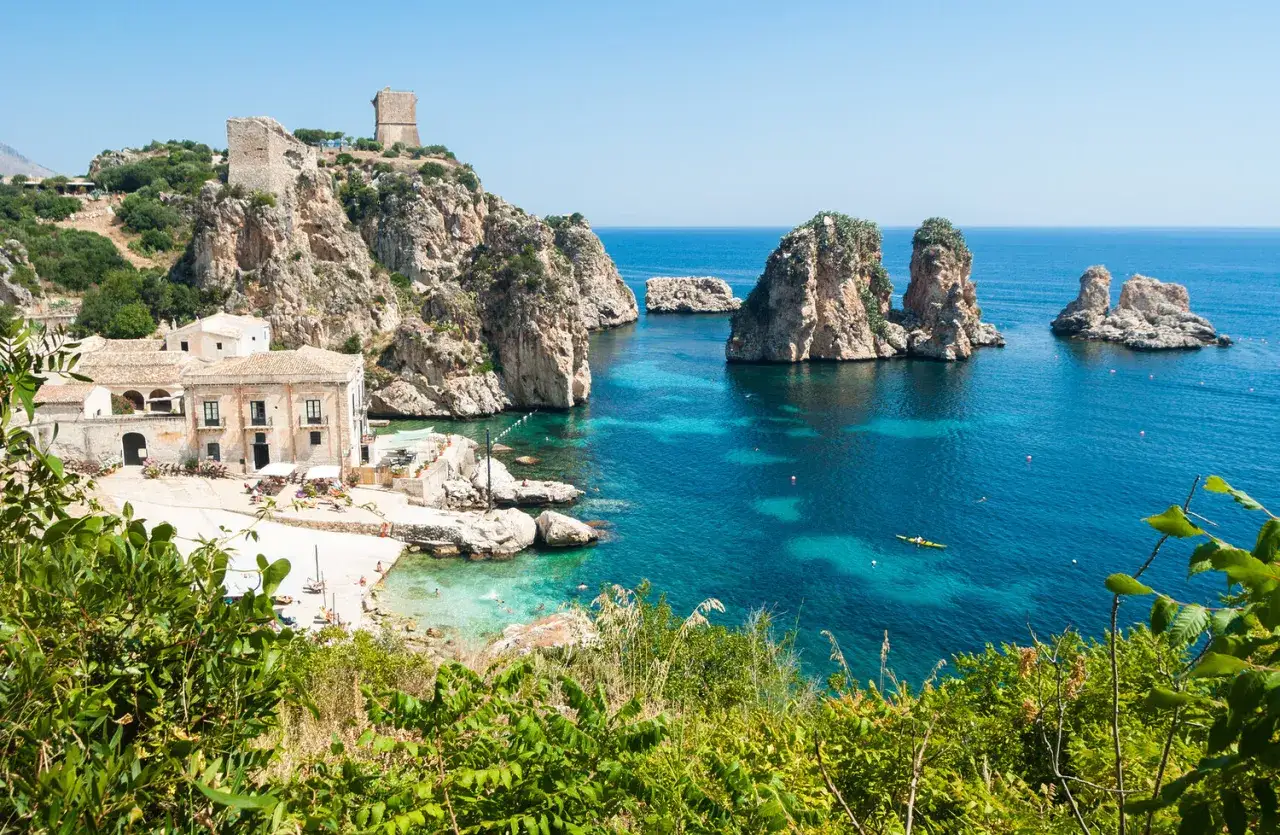
The Sicily destinations I would prioritize on a first trip
If I had to narrow the island down to the stops that deliver the strongest first impression, I would focus on places that show different sides of Sicily rather than just the most famous names. The island is large enough that each region feels slightly different, and that variety is part of the appeal.
- Palermo and Monreale are the best introduction to Sicily’s energy. Palermo gives you markets, layered architecture, and a street-food scene that is worth building a day around, while Monreale adds one of the most striking cathedral interiors on the island.
- Cefalù is where I send travelers who want an easy coastal stop without losing the feeling of a real town. It is compact, walkable, and scenic, with a beach close enough to the historic center that you do not need a complicated plan.
- Taormina and Isola Bella are the classic scenic pairing on the east coast. Taormina is polished and popular, but it earns its reputation because the views are genuinely strong and the ancient theater gives the town real substance. Isola Bella adds the beach element that many first-time visitors want.
- Mount Etna belongs on almost any serious Sicily itinerary. Even if you do not go for a full hike, the volcano gives the island a physical drama you do not get elsewhere. The food and wine landscape around Etna also makes it more than a one-note day trip.
- Catania is useful both as a destination and as a base. It is rougher around the edges than Taormina, but that is part of the point. I like it for travelers who want urban life, strong food, and easy access to the east coast.
- Syracuse and Ortigia are where history and atmosphere start to feel inseparable. Ortigia is especially good for slow wandering, waterfront meals, and the kind of evenings that make a trip feel settled rather than rushed.
- Noto is one of the cleanest examples of Sicilian Baroque planning, and it is an easy place to appreciate even if you are not a dedicated architecture traveler. It works well as part of a southeast route with Syracuse and Ragusa.
- Ragusa and Modica reward slower travelers. They are not just pretty towns; they show how strong the island’s inland Baroque belt can be when you give it enough time. Modica also has the kind of food culture that turns a stop into a memory.
- The Valley of the Temples near Agrigento is one of the most important archaeological landscapes in Italy. The scale matters here. You are not just looking at ruins; you are walking through a site that still feels open and monumental.
- Trapani, Erice, and the west coast are a good choice if you want a less obvious route. Trapani gives you access to salt pans and boat trips, while Erice adds a hilltop medieval mood that changes the pace of the journey.
I would not try to fit all of these into one short itinerary. The better approach is to choose a few anchors and let the island’s geography shape the rest, because Sicily changes fast from coast to coast. That brings us to the part most travelers underestimate: where to base the trip in the first place.
How to choose the right base for your travel style
Sicily looks compact on a map, but the island does not reward constant point-to-point movement. The smartest plan is usually to pick one region, stay there long enough to settle in, and use day trips to fill in the gaps. If I were planning a first visit, I would usually lean toward the east coast or the Palermo corridor, because both give you a strong mix of culture and logistics without too much friction.
| Area | Best for | Good stops | Why I would choose it |
|---|---|---|---|
| Palermo and the northwest | Street life, architecture, food, easy first days | Palermo, Monreale, Cefalù, Trapani, Erice | It gives you a strong city base and a varied coast without forcing long transfers early in the trip. |
| East coast | Scenery, beaches, Etna, classic first-trip routing | Catania, Taormina, Mount Etna, Syracuse, Ortigia | This is the most balanced zone if you want one trip to cover sea, ruins, and a volcano. |
| Southeast | Baroque towns, slower pace, scenic drives | Noto, Ragusa, Modica, Scicli, Vendicari | It feels calmer than the headline stops and works well for travelers who care about atmosphere more than ticking boxes. |
| Southwest and inland south | Ruins, open landscapes, archaeology | Agrigento, Scala dei Turchi, Selinunte, Piazza Armerina | This is the right base if ancient sites matter more to you than polished resort towns. |
For most readers, the real question is not “which city is best?” but “which region gives me the least wasted transit?” Once you answer that, the day count starts to make sense, so the next step is turning the island into an actual route instead of a wish list.
A realistic Sicily route for 5, 7, or 10 days
Most Sicily itineraries fail because they try to cover too much ground. The island is rewarding, but it is not forgiving if you keep changing bases every night. I would rather see you do fewer places well than many places badly.
| Trip length | What I would do | Why it works |
|---|---|---|
| 5 days | Choose one compact arc: Palermo, Monreale, and Cefalù, or Catania, Taormina, Mount Etna, and Syracuse. | You get a city, a coast, and one major highlight without spending half the trip in transit. |
| 7 days | Add one deeper detour such as Noto and Modica, or Agrigento and the Valley of the Temples. | This gives the trip more texture while still keeping the number of base changes manageable. |
| 10 to 14 days | Build a fuller loop with Palermo, the northwest, the southeast Baroque towns, the east coast, and one inland archaeological stop. | You finally have enough time to slow down, eat well, and avoid the feeling that every day is a transfer day. |
The mistake I see most often is trying to “see Sicily” by checking off a dozen names in one week. That usually leaves people tired, not satisfied. If you have less than a week, stay on one side of the island and let the route breathe. After the route, the season is the next decision that changes everything.
When to go and what the season changes
For a trip built around sightseeing, walking, and scenery, I would aim for late April through June or September through October. Those windows usually give you the best balance of comfortable temperatures, usable daylight, and manageable crowds. Sicily can absolutely work in summer, but the tradeoff is heat, stronger demand, and a more crowded feel in the most popular towns.
| Season | What it feels like | Best for | Main tradeoff |
|---|---|---|---|
| Spring | Mild, green, and ideal for moving between towns | Road trips, hiking, ruins, city walks | The sea may still feel cool early in the season. |
| Summer | Hot, busy, and built around the coast | Beach time, long evenings, island hopping | Heat and crowds can make inland sightseeing harder. |
| Autumn | Warm enough for a mix of sea and sightseeing | Flexible itineraries, food travel, calmer towns | Days shorten as the season moves on. |
| Winter | Quieter and more local | Museums, city stays, food-focused travel | Beach days are limited and some seaside services scale back. |
I usually steer first-time visitors away from peak-summer plans unless the beach is the main reason for the trip. Sicily can be brilliant in July and August, but the island is easier to enjoy when the heat is less demanding. Season matters, but transport is what decides whether the plan feels smooth or frustrating.
How to get around without turning the trip into a commute
This is where many Sicily itineraries become less efficient than they need to be. The island does have trains, ferries, buses, and airports, but each one has a different role. If you treat them all as equally useful, you lose time.
- A car is the best option if you want beaches, hill towns, inland reserves, or the freedom to stop wherever the view improves. It is not perfect, though. Historic centers often have restricted traffic zones, and parking can be annoying in the busiest towns.
- Trains are helpful on the main coastal corridors, especially if you are moving between larger cities rather than remote villages. They make sense for a limited route, not for an all-purpose island strategy.
- Private transfers or guided day trips can be worth it for Etna, wine country, or days when you want to avoid driving on unfamiliar roads. I use this advice especially for travelers who would rather spend their energy on the destination than on navigation.
- Ferries and hydrofoils matter if the Aeolian Islands or other small islands are part of your plan. If they are not, you do not need to build your whole route around the port schedule.
The combinations that make a first trip feel complete
If I were planning a first Sicily itinerary from scratch, I would not start with a map of individual attractions. I would start with combinations, because Sicily works best when the stops complement one another instead of competing for space.- Palermo, Monreale, and Cefalù give you a fast but satisfying introduction. You get urban energy, sacred architecture, and a compact coastal town without needing to move across the island.
- Catania, Mount Etna, Taormina, and Syracuse are the strongest all-round eastern route. This is the option I would choose if I wanted the most variety in the shortest amount of time.
- Agrigento, Noto, Ragusa, and Modica suit travelers who care about archaeological depth and Baroque landscapes. It feels slower and more atmospheric, which is exactly why it works.
- Trapani, Erice, and the west coast are a good fit for travelers who want something a little less obvious. The coast, salt pans, and hilltop villages make this part of the island feel distinct rather than interchangeable.
If I had to give one rule that solves most Sicily planning problems, it would be this: choose one region, one great city, and one landscape that feels completely different from the first two. That simple structure keeps the trip focused, gives you room for long meals and unplanned detours, and lets Sicily show its range instead of just its headline names.