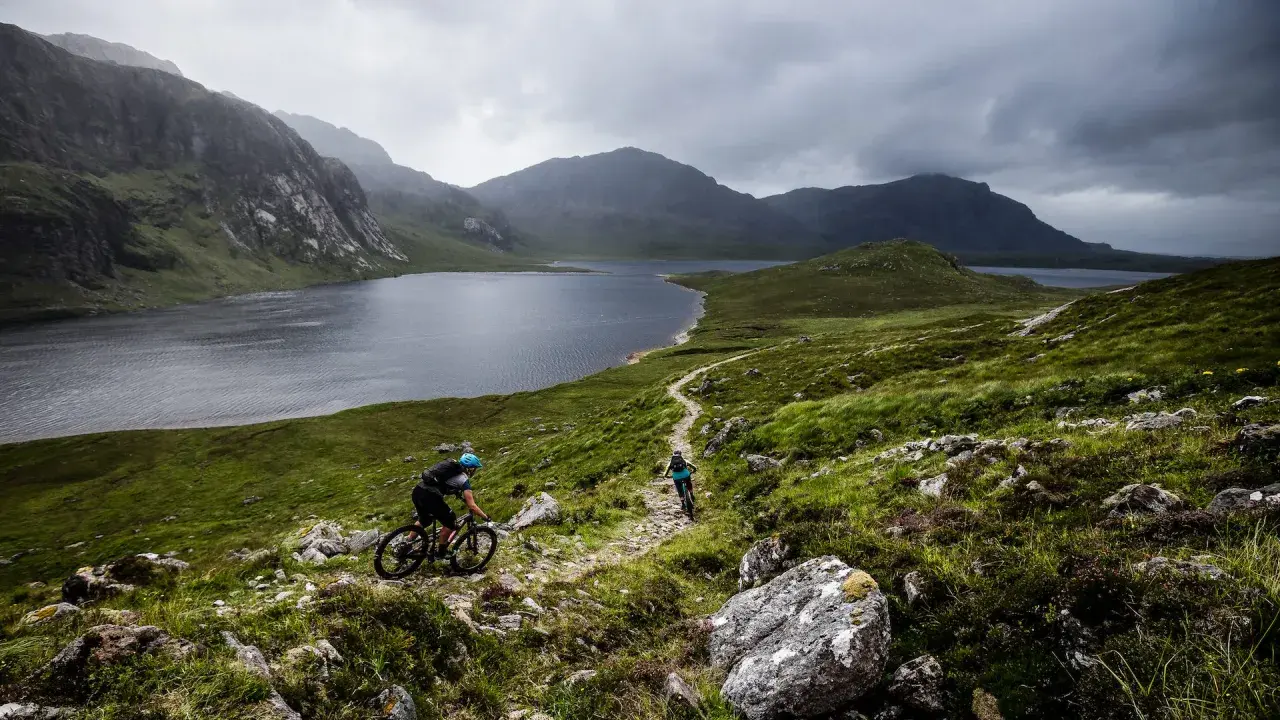
Key facts before you book
- Scotland is best approached by ride style, not by one “best” route, because it suits city loops, lowland paths, coastal days, and multi-day challenges.
- The National Cycle Network gives you a large traffic-free backbone for quieter riding, which is useful if you want to avoid busy roads.
- Spring is usually cool rather than warm, with average maximum temperatures around 8–13°C, so layers matter even on good days.
- Short guided rides can start around £75 for a half day and £98 for a full day, but multi-day packages are priced around logistics as much as riding.
- The best trip for most visitors is the one that leaves enough energy for weather changes, stops, and the occasional unexpected climb.
What a well-run cycling trip in Scotland actually looks like
The useful way to think about Scottish cycling is by support level and terrain, not by postcard region. Some trips are relaxed city or heritage rides; others link coast, glen, and highland scenery with luggage transfer, accommodation, and a route plan that lets you keep moving without managing every detail yourself.
What matters most is whether the itinerary fits the way you like to ride. I would rather have a route that feels steady and well supported than a famous name that forces everyone into the same pace, especially when hills, wind, and changing weather are part of the package.
That is why the route itself deserves a closer look before you compare anything else. Once the format is clear, the trip becomes much easier to judge.
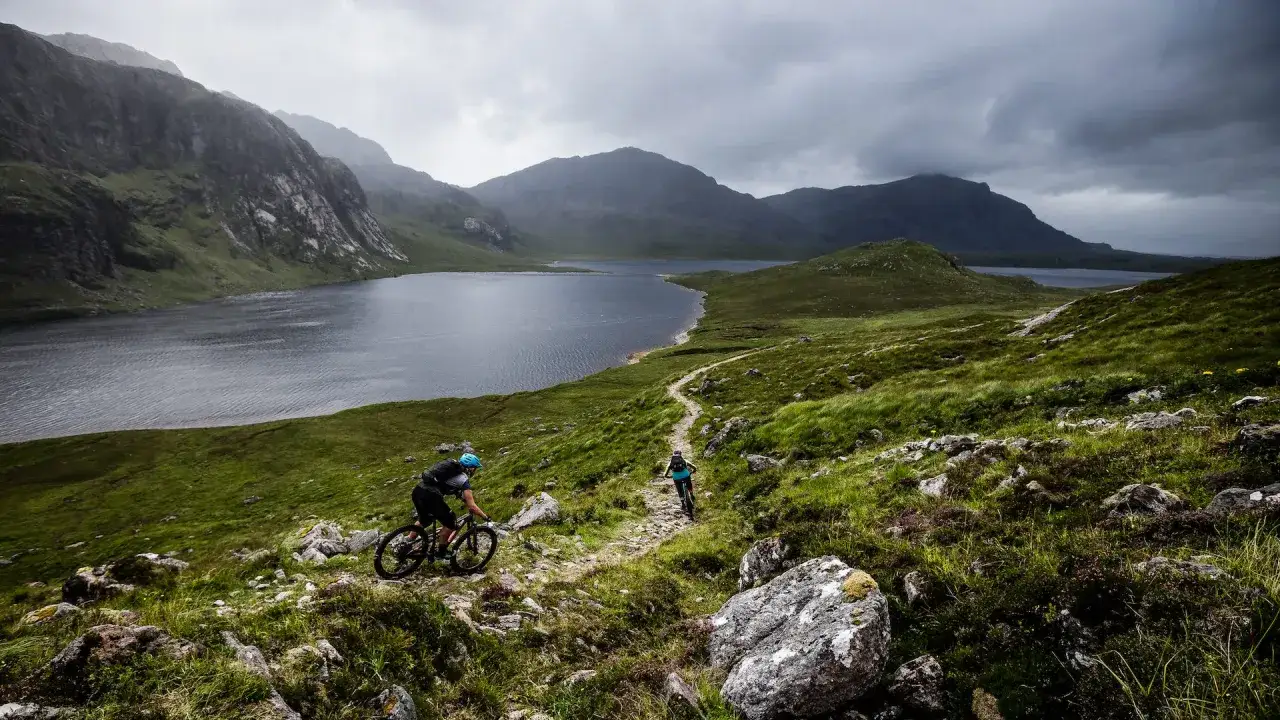
The route styles that matter most
Walk Wheel Cycle Trust says Scotland’s National Cycle Network covers about 1,643 miles, including 702 traffic-free miles, while VisitScotland highlights options ranging from a short 5-mile Abbotsford loop to the 250-mile Kirkpatrick C2C. That range is the real story: the country can handle relaxed day rides, mid-length regional tours, and serious point-to-point challenges without forcing every rider into the same mold.
For most people, the choice comes down to how exposed, how remote, and how physically demanding they want the ride to feel. I would group the main options like this:
| Route style | Best for | What to watch |
|---|---|---|
| City and heritage loops | Short stays, first-time visitors, riders who want culture with their cycling | More stopping and starting, plus more interaction with traffic and junctions |
| Canal and railway paths | Easy pacing, mixed-ability groups, families, and riders who want a gentler day | Less drama in the landscape if you want a big-sky challenge |
| Coastal and island rides | Scenery-first trips and riders who enjoy open views | Wind exposure and ferry or timing issues on some itineraries |
| Long-distance crossings | Experienced cyclists who want a proper tour rather than a loop | More climbing, more weather sensitivity, and less room for slow days |
| Gravel and forest tracks | Riders who prefer quieter surfaces and a more adventurous feel | Bike suitability matters more, and navigation can be less obvious |
If I were planning a first trip, I would start with a route that has enough variety to feel rewarding but not so much exposure that every forecast becomes a problem. That balance leads naturally into the next question, which is how much support you want behind the ride.
Guided, self-guided or supported
The biggest decision is not distance, it is independence. A guided tour gives you local knowledge and a fixed pace; a self-guided trip gives you freedom with a route file and support behind the scenes; a supported ride sits in the middle and is often the sweet spot for longer Scottish tours.
| Tour format | Best for | Main trade-off |
|---|---|---|
| Guided | First-timers, history-focused trips, and riders who want local context | Less flexibility and a pace set by the group |
| Self-guided | Independent riders who are happy to follow maps or GPS files | You take more responsibility for timing and navigation |
| Supported | Point-to-point holidays, mixed-ability groups, and longer rides | Usually costs more, because the logistics are handled for you |
A good package usually bundles some combination of accommodation, luggage transfer, bike hire or e-bike access, route notes, and backup if something goes wrong. If those items are missing, the quote may look cheaper but the real trip is often harder to enjoy.
That support choice matters even more once weather enters the picture, because Scotland rewards flexibility more than rigid planning.
When to go and what the weather will do to your plans
Spring and early summer are often the most forgiving windows for a cycling holiday. Spring temperatures are usually around 8–13°C, which sounds cool until you realise that cool is often better than hot when you are riding all day. The light improves, the roads feel less crowded, and the countryside starts looking properly alive.Summer gives you the longest days, but it is not automatically the easiest season. Popular regions can be busier, and exposed roads or hills can still feel demanding even when the forecast looks pleasant. Autumn can be excellent if you prefer quieter roads and sharper light, though the evenings cool quickly. Winter is possible in some places, but I would only recommend it for riders who are comfortable adapting plans around short days and less predictable conditions.
My rule is simple: the more ambitious the route, the more important it is to leave room for weather changes. That caution also helps when you look at pricing, because cheap and good are not always the same thing.
What the price should include
For Scotland, the headline price is only part of the picture. A half-day guided ride can start around £75 per adult, while a full-day ride can start around £98 per adult. Beyond that, the real question is what has been folded into the quote and what has been left for you to sort out yourself.
| Price signal | What it usually means | What to confirm |
|---|---|---|
| From £75 | Short guided outing, often the easiest way to test a region | Tour length, bike provision, group size, and e-bike availability |
| From £98 | Longer day with more distance, stops, and logistical planning | Whether lunch, transfers, or entrance fees are included |
| Multi-day package | Accommodation and route planning become part of the product | Luggage transfer, pickup and drop-off, room type, and support vehicle access |
When I compare trip quotes, I pay attention to the boring items first: baggage handling, start and finish logistics, and whether the bike is actually suitable for the route. A strong itinerary with weak logistics is still a weak holiday.
That is why choosing the right trip is less about chasing the longest route and more about matching the ride to your fitness, time, and tolerance for complexity.
How to choose the right trip for your fitness and time
If I had to narrow the decision down, I would start with one question: how much riding do you want to do before you need a proper rest day? A rider who is comfortable with steady daily miles and a few hills will have many more good options than someone looking for a single hero effort.
| Time you have | Best match | Why it works |
|---|---|---|
| 1 day | Guided city, heritage, or short scenic ride | Low setup, easy to fit around travel, and a quick way to see the area properly |
| 2 to 3 days | Regional loop or short self-guided escape | Enough time for scenery without turning the trip into a logistics exercise |
| 4 to 7 days | Supported point-to-point tour | Usually the best balance of challenge, comfort, and variety |
| 8 days or more | Long-distance crossing or island-hopping ride | More room to absorb wind, rain, and pace changes without losing the trip’s rhythm |
E-bikes are worth considering for mixed-ability groups or hillier regions, but they are not a shortcut around poor planning. They help with range and climbing, not with bad route choice or unrealistic daily mileage. If you want the trip to feel good on day three, choose a route that still leaves energy for the scenery itself.
That brings me to the checks I would never skip before booking, because they are the small details that decide whether the holiday feels smooth or frustrating.
The checks I would not skip before booking
- Ask for the daily distance and total climbing, not just the route name.
- Confirm the exact start and finish points, especially if transfers are involved.
- Check whether luggage transfer is included and what the weight limit is.
- Verify bike fit details, pedal type, helmet provision, and e-bike charging access.
- Ask whether accommodation is central, isolated, or chosen purely for route convenience.
- Make sure weather delays, ferry timings, or mechanical support are covered in the plan.
The best cycling holiday is usually the one that looks slightly less exciting on paper but feels easier every single day you are on it. If I were booking my first Scottish ride, I would choose the option that gives me the most room to enjoy the weather, the food stops, and the landscape, not the one that sounds hardest to brag about later.