What matters most before you start planning
- Tropea, Scilla, Reggio Calabria, Pizzo, Gerace, and San Nicola Arcella are the names I would put at the top of a first Calabria shortlist.
- The Tyrrhenian coast is the easiest first-time choice if you want dramatic scenery and well-known stops in one route.
- Calabria also has three national parks, so the inland side is not an optional extra.
- A car gives you the most freedom, but a coastal-focused trip can still work by train and short day trips.
- For most visitors, 5 to 7 days is the sweet spot between coverage and pace.
The first places I would put on any Calabria itinerary
For a first trip, I would start with the places that give Calabria its strongest identity rather than trying to cover every corner. That means one famous seaside town, one cliffside village, one serious museum stop, and at least one inland or lesser-known place that shows the region is bigger than the beach.
Tropea and Santa Maria dell'Isola
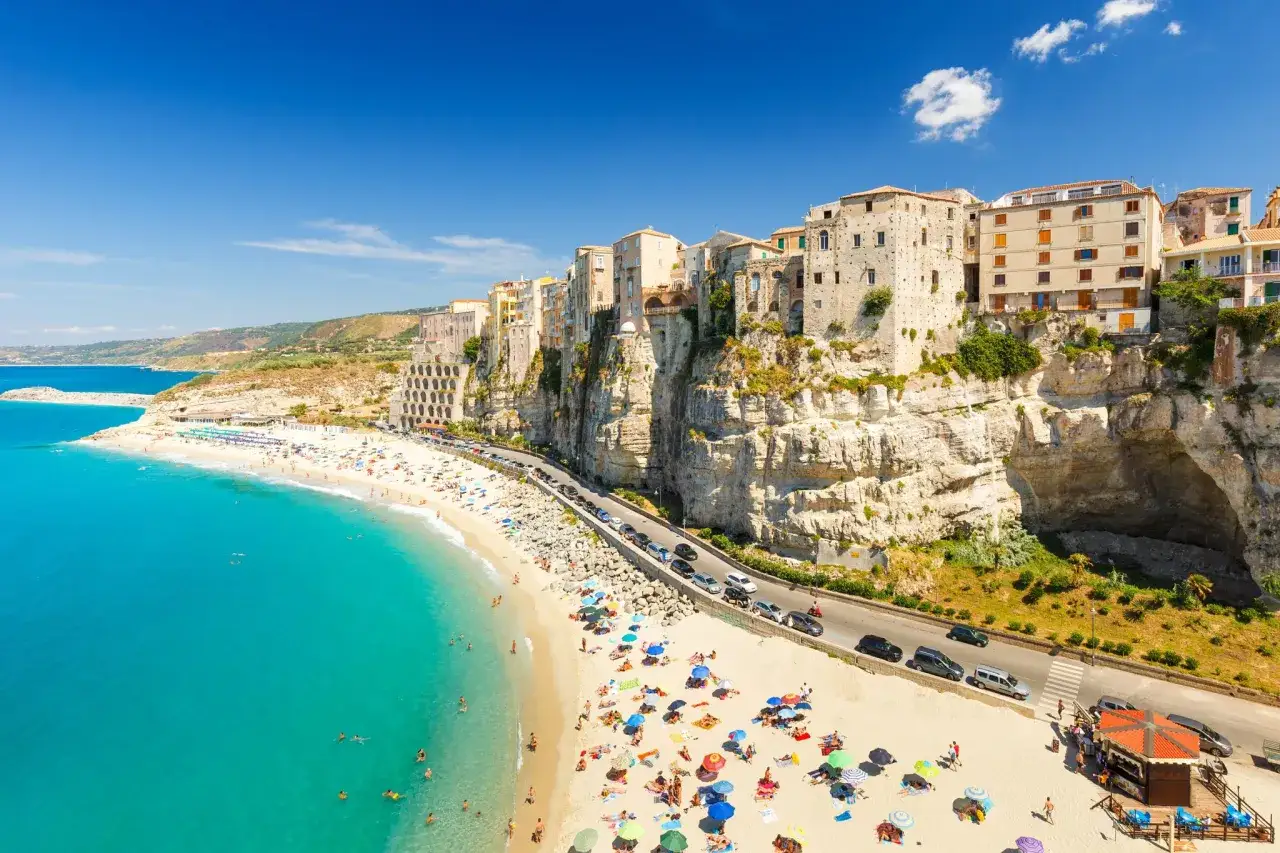
Tropea is the obvious first stop, and I do not think that is a flaw. The town sits above a pale sweep of sea and gives you the classic Calabria image in one glance: old streets, a dramatic lookout, and a beach that feels built into the scenery. Santa Maria dell'Isola is the extra layer that makes the place memorable. It turns a pretty coastal town into a destination with a clear visual identity, not just another summer resort.
Capo Vaticano
Capo Vaticano is where I would go when I want the coast to feel more rugged and open. The views are the real draw here. Even if you are not planning a long beach day, the headlands, coves, and boat-friendly water make it one of the most useful stops for a Calabria road trip. This is also where the region starts to feel less like a collection of towns and more like a coastline with real shape.
Scilla and Chianalea
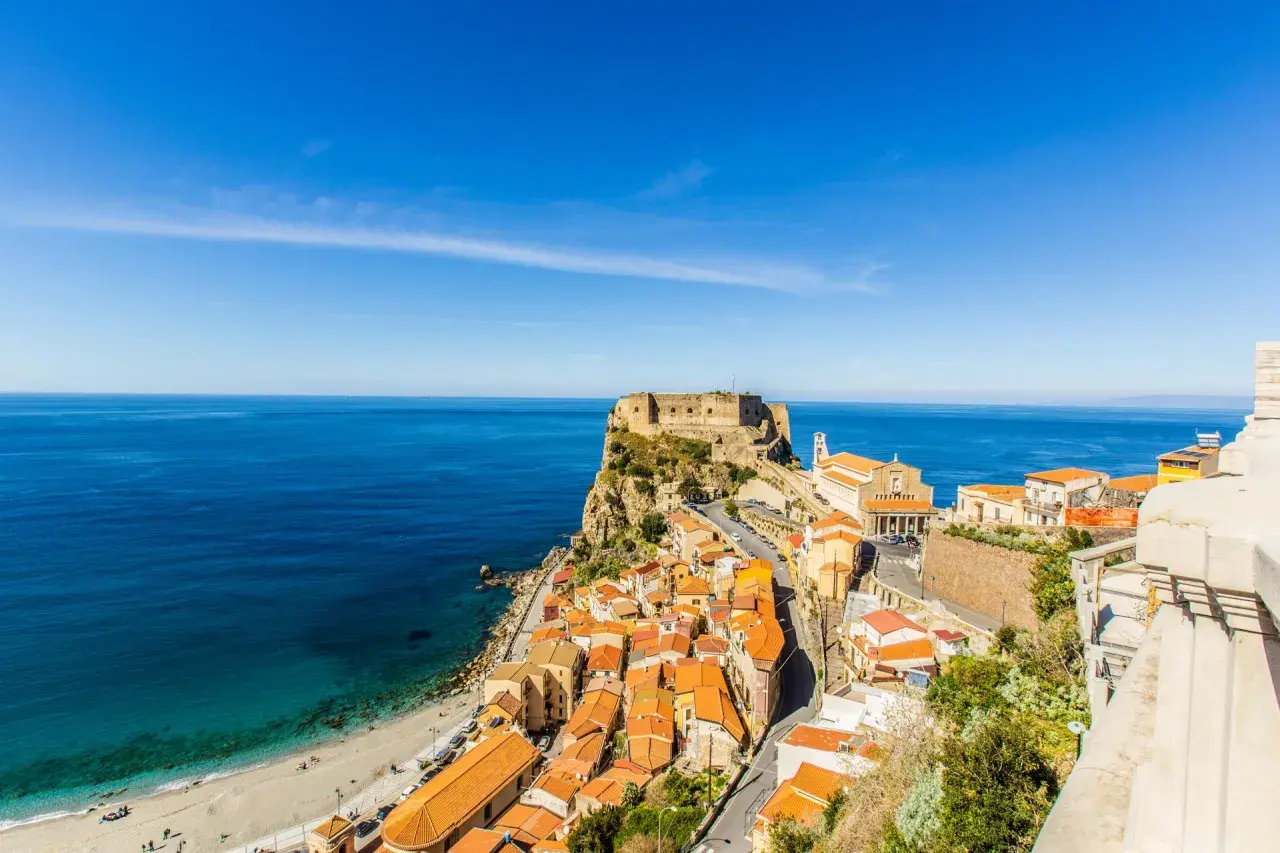
Scilla has one of the most distinctive settings in southern Italy, and Chianalea makes it even better. The fishing quarter sits right on the water, so the village feels lived-in rather than staged. I would treat it as a place to slow down, walk, eat, and watch the Strait of Messina shift with the light. It is not a quick photo stop; it works because it has atmosphere.
Reggio Calabria and the Riace Bronzes
Reggio Calabria is the most important culture stop on the far south end of the region. The National Archaeological Museum is the reason to come, because that is where the Riace Bronzes are displayed, but the city also gives you a proper urban break after days of coast and villages. If your itinerary needs one serious museum and one walkable waterfront city, this is the one I would choose.Pizzo and the Costa degli Dei
Pizzo is where sightseeing and food meet without trying too hard. Its historic center gives you another strong coastal village, but the real trick is that it also slots neatly into a west-coast route. I would stop here for the town, the sea views, and the tartufo, which is one of those local specialties that actually earns its reputation rather than merely surviving on it.
Gerace and San Nicola Arcella
If you want one hill town and one coastal viewpoint that feel slightly more refined than the usual tourist list, I would add Gerace and San Nicola Arcella. Gerace gives you the high, medieval side of Calabria, with views in both directions and a strong sense of place. San Nicola Arcella, meanwhile, is the kind of stop that reminds you Calabria can still surprise travelers who think the region is only about famous beaches. Arcomagno is the kind of place that changes the tone of a trip.
Once those headline stops are clear, the next decision is whether you want to stay mostly on the coast or split your time with the inland landscapes.
The coast deserves its own plan
Calabria’s coastline runs for roughly 800 km, so it helps to stop thinking of it as one long beach strip. The Tyrrhenian side, the Ionian side, and the stretch around the Strait all feel different, and the best first trip usually mixes at least two of them.
| Area | Best for | Good stops | What it feels like |
|---|---|---|---|
| Tyrrhenian coast | First-time visitors who want dramatic scenery and easy “wow” moments | Tropea, Capo Vaticano, Pizzo, Scilla | Cliffs, clear water, sunset views, and the strongest classic Calabria postcard feel |
| Ionian coast | Longer beaches, a calmer pace, and a less crowded feel | Soverato, Crotone, Le Castella, the Jasmine Coast | Broader horizons, softer tourism pressure, and more room to breathe |
| Strait area | Travelers who want character and views more than pure beach time | Reggio Calabria, Scilla, Chianalea | Striking, compact, and slightly theatrical, with the sea always part of the experience |
If I had to choose only one coast for a first visit, I would usually pick the Tyrrhenian side. It gives you the most concentrated version of Calabria: the famous beaches, the cliff towns, the better-known viewpoints, and enough structure to make planning easier. The Ionian coast is excellent, but it works best when you already know what pace you want. The Strait area is special, yet it feels most rewarding when it is part of a broader route rather than the whole trip.
That coastal contrast is useful because it stops you from over-committing to one style of trip. The inland landscape is where Calabria becomes more than a seaside destination.
The inland side most people miss
The biggest mistake I see people make is assuming Calabria is mainly about beaches. The region has three national parks, and each one adds something different. If you care about scenery, hiking, cooler air, or a break from the summer coast, I would make room for at least one inland day.
Sila National Park
Sila is the easiest inland escape to understand on a first trip. It is forests, lakes, upland air, and a completely different rhythm from the coast. In summer, it is the place to go when the shoreline feels too hot or too busy. In winter, it becomes genuinely useful if you want snow sports or just a mountain change of pace. I also like the historic Sila Train as a side experience because it feels like a journey, not just transport.
Pollino National Park
Pollino is the choice for travelers who want their Calabria to feel wild. It is the largest protected area in Italy, and that matters because it has a scale the coastal stops cannot match. You come here for trekking, big landscapes, and old villages that still feel rooted in the terrain rather than built for visitors. If your version of trip planning includes outdoor time, Pollino is the place where Calabria stops being a beach holiday and becomes a landscape holiday.
Read Also: Naples to Amalfi Transfer - The Best Routes for Every Budget
Aspromonte National Park
Aspromonte has a rougher, more vertical character. It suits travelers who like dramatic terrain, quieter roads, and the feeling that the land is shaping the itinerary rather than the other way around. I would especially consider it if you want to combine nature with small villages or if you are already heading south toward Reggio Calabria. It is the kind of place that rewards slower travel and a flexible schedule.
In practice, I think the best Calabria trips mix at least one coastal base with one inland experience. That keeps the trip varied without turning it into a tiring loop of long drives.
How long to stay and where to base yourself
Your base matters more than most people expect in Calabria. Distances are not always huge, but the region is large enough and varied enough that a poor base can make a short trip feel rushed. I would plan it by time available rather than by trying to cover the map evenly.
| Trip length | Best base | What to see | Why it works |
|---|---|---|---|
| 3 days | Tropea or Reggio Calabria | Tropea, Capo Vaticano, Scilla, or Reggio’s museum and waterfront | Short enough to keep the route focused and still feel like a real trip |
| 5 days | Tropea plus one inland night in Sila or Reggio | Tropea, Pizzo, Scilla, Reggio Calabria, and one mountain stop | Gives you the best first impression without overloading the schedule |
| 7 to 10 days | Two bases, usually coast and inland | Tropea, Capo Vaticano, Pizzo, Scilla, Reggio, Gerace, Sila, and one of the parks | Enough time to travel slowly, add meals, detours, and unplanned stops |
For a beach-first trip, I would base myself in Tropea. For a culture-first trip, Reggio Calabria makes more sense. If you want the inland side to matter, choose Cosenza or the Sila area instead of trying to squeeze the mountains into a rushed day trip. That choice is the difference between seeing Calabria and actually feeling it.
After you choose the base, the next variable that makes or breaks the trip is timing.
When to go and how to move around
The best time to visit depends on what you want Calabria to do for you. For balanced weather, good light, and a more comfortable pace, I would aim for late spring or early autumn. Summer is best if the sea is the main goal, but it is also when the most famous places become busier and accommodation tightens up. Winter is much better than many travelers expect if you want museums, food, quiet roads, and mountain scenery.
- May to June is the sweet spot for scenery, walking, and manageable crowds.
- July and August are best for the sea, but you should book early and expect fuller beaches and hotter afternoons.
- September and October often give the best balance of water temperature, light, and calmer towns.
- Winter is worth considering if you care more about culture, food, and the Sila mountains than about beach days.
As for transport, I would not try to do a broad Calabria trip without some form of private mobility. A car gives you the freedom to connect beaches, hill towns, and parks in a way public transport usually cannot. Trains are helpful on the main coastal spine, and they are enough if you are keeping the trip simple, but they are not ideal for hidden viewpoints, mountain villages, or flexible detours. If you are flying in, Lamezia Terme is usually the most useful all-round entry point, while Reggio Calabria works better for a strait-focused itinerary and Crotone is more useful for the eastern side.
I would also book popular coastal stays early if the trip falls in peak season. Tropea, Scilla, Capo Vaticano, and San Nicola Arcella are the places where the good options disappear first, and the lack of inventory matters more than people expect.
The route I would build for a first visit
If I had one shot at introducing someone to Calabria, I would build the trip around a clear rhythm: coast, cliff village, city, and one inland break. That keeps the journey varied without making it chaotic.
- Day 1: Arrive in Tropea, walk the old town, and finish with sunset on the coast.
- Day 2: Spend the day around Capo Vaticano and stay flexible for a boat ride or a long lunch.
- Day 3: Move to Scilla and Chianalea, then continue to Reggio Calabria for the museum or an overnight stop.
- Day 4: Add either Gerace or a Sila day, depending on whether you want heritage or mountain air.
- Day 5: Use San Nicola Arcella or Pizzo as the final coastal stop before departure.
That route gives you the essential version of Calabria without forcing the region into a single theme. You get the famous coast, the Strait, a meaningful cultural stop, and at least one inland landscape that shows why the region deserves more than a quick beach break. If I had to answer what to see in Calabria in one sentence, I would say this: start with the coast, but leave room for the mountains, because that contrast is what makes the trip stay with you.