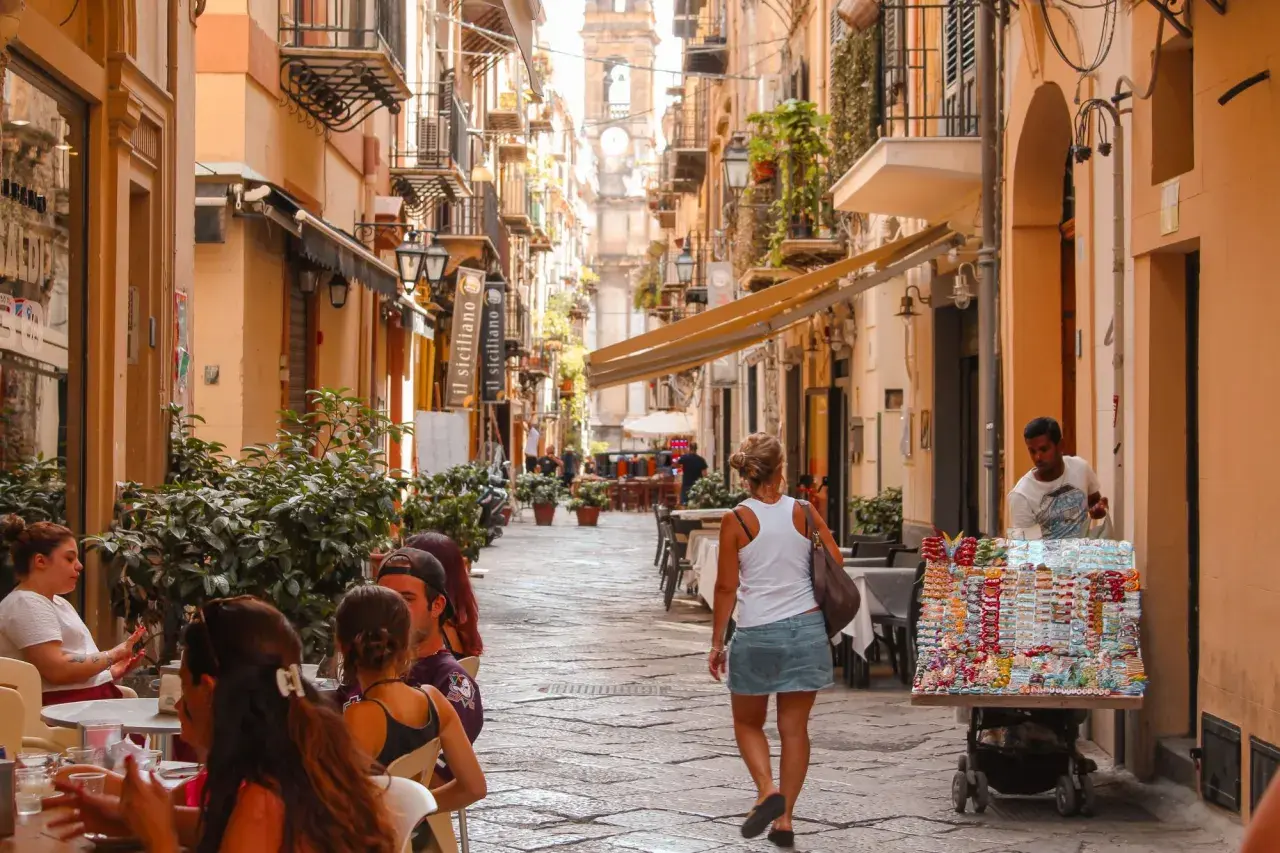
Sicily is one of those destinations where the answer is reassuring, but not careless. Is Sicily safe? For most travelers, yes, as long as you plan for the same issues that shape many busy Mediterranean trips: petty theft in crowded places, summer heat, road stress, and the occasional weather or volcanic disruption. What follows is the practical version of that answer, with the risks that actually matter and the choices that make a trip feel smooth instead of rushed.
What matters most before you book
- Sicily is generally safe for tourists, especially in normal daytime sightseeing areas.
- The biggest day-to-day risk is petty theft, not serious violence.
- Summer adds wildfire risk, strong heat, and busier roads.
- Driving can be more stressful than many first-time visitors expect.
- Etna and the Aeolian Islands need a little extra attention because volcanic conditions can change.
- U.S. travelers can usually stay in Italy for up to 90 days without a tourist visa, but passport rules still matter.
The honest safety picture in Sicily
My short version is this: Sicily is a place I would comfortably recommend, not a place I would approach casually. The island is used to visitors, and most trips are trouble-free. If you stay alert, choose decent accommodation, and do the usual city basics well, the odds are strongly in your favor.
What tends to worry first-time visitors is the island’s reputation, especially the organized-crime mythology that follows Sicily everywhere. In real trip-planning terms, that is not the issue I would build my itinerary around. I would focus instead on the ordinary risks that affect daily travel: where you keep your bag, how late you arrive, whether you are driving after dark, and how much exposure you have to heat and crowds.
The U.S. State Department highlights pickpocketing on public transport and in crowded areas, which matches what most travelers actually need to prepare for. That is not a reason to avoid Sicily; it is a reason to travel like someone who expects busy stations, market crowds, and a few opportunistic thieves.
That framing matters, because once you understand the real risk profile, Sicily becomes easier to plan. The next step is separating the everyday annoyances from the situations that need genuine caution.
The risks that actually affect travelers
When I look at Sicily from a safety angle, I see a destination where most problems are practical, not dramatic. The island is not defined by violent crime for visitors. Instead, the issues that come up most often are the ones that catch relaxed travelers off guard.
- Pickpocketing and bag snatching: This is the most common problem in busy city centers, bus stations, ferry terminals, and around major attractions. A cross-body bag, zipped pockets, and keeping your phone out of easy reach make a real difference.
- Car-related theft: If you rent a car, do not leave bags, cameras, or passports visible inside it. Beach parking lots and isolated pull-offs are where carelessness usually gets punished.
- Heat and fatigue: Sicily can be physically demanding in summer. Long outdoor days, inland drives, and midday walking in strong sun are where travelers overestimate themselves.
- Wildfires: The UK Foreign Office warns that summer wildfires are a real risk in Italy, and Sicily is no exception. If you are traveling in peak summer, I would check local conditions before hikes and be flexible with inland plans.
- Volcanic activity: Etna and some of the Aeolian Islands are active volcanic areas, so route closures, visibility issues, and temporary access restrictions are part of normal planning. That does not make them unsafe in general, but it does mean you should not treat a summit day like an ordinary sightseeing stop.
- Night-time isolation: Most neighborhoods are fine, but empty streets, poorly lit edges of town, and quiet parking areas are the places where I would stay a little sharper, especially if I were alone.
The pattern is simple: Sicily is safer when you treat it as a destination that rewards alertness. The risks are manageable, but they are real enough that “I’ll figure it out when I get there” is not a great strategy.
Once you know what to watch for, the next question becomes more useful: how does that risk actually change depending on the kind of trip you are taking?
How Sicily feels by trip style
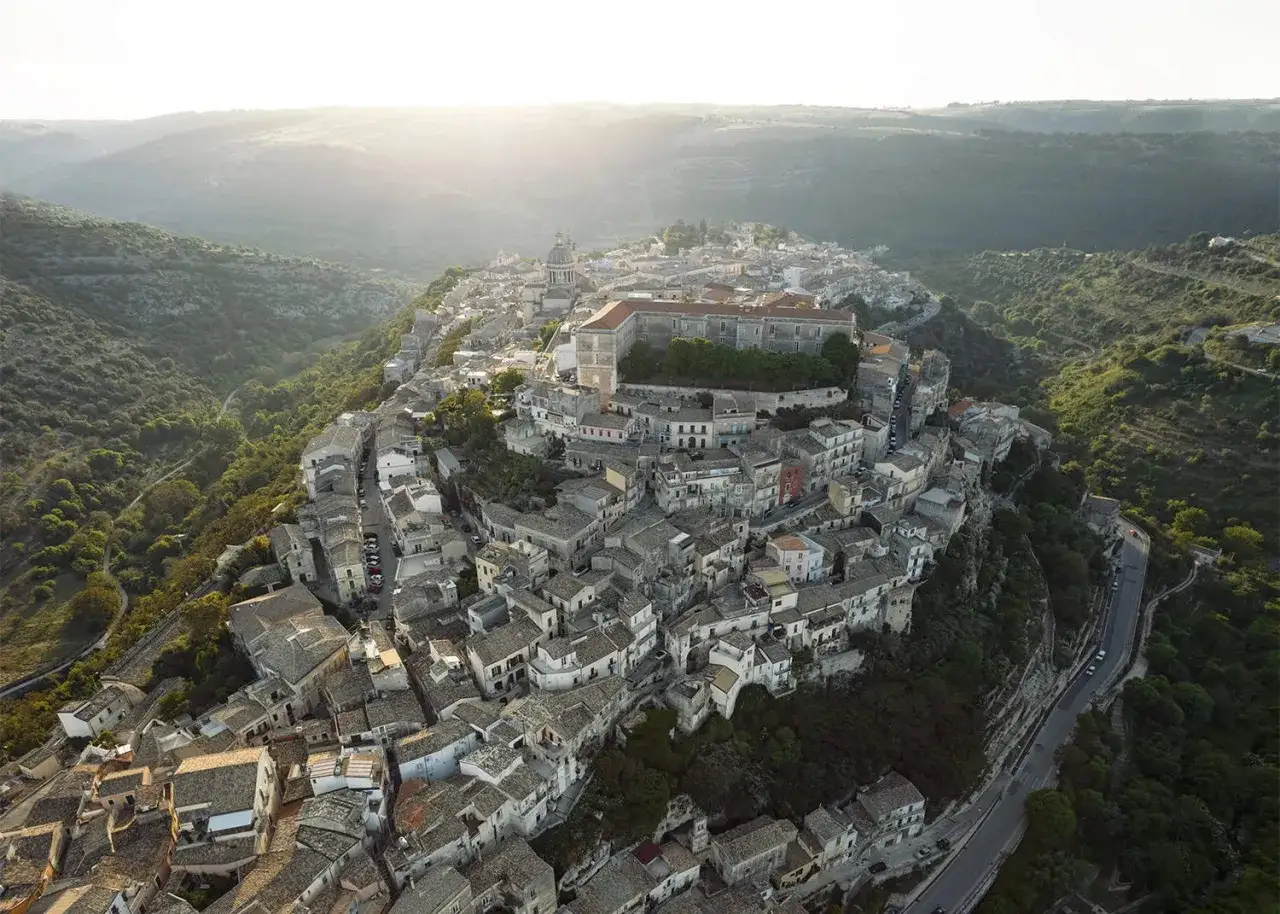
Sicily is not one single safety experience. A city break, a beach week, and a self-drive loop all come with different pressure points. I find it more useful to think in trip styles than in sweeping generalities.
| Trip style | Typical risk level | What I would pay attention to |
|---|---|---|
| Palermo or Catania city break | Low to moderate | Watch your bag in stations, markets, and crowded streets. Use normal urban caution and do not leave valuables visible. |
| Beach holiday | Low | Sun exposure, unsecured belongings, and car break-ins matter more than personal danger. |
| Self-drive road trip | Moderate | Expect narrow streets, tight parking, and drivers who may be less patient than you are used to. |
| Hiking or Etna-focused trip | Moderate | Check weather, access rules, and volcanic updates before you go. Start early and carry more water than you think you need. |
| Family trip | Low | Choose central lodging, reduce late-night movement, and keep transfers simple. |
| Solo travel | Low to moderate | Stick to well-traveled areas at night, prebook transport, and avoid arriving somewhere unfamiliar after dark. |
This is why Sicily can feel very safe one day and slightly tiring the next. A museum day in Ortigia is not the same as a hot afternoon drive through the interior, and a resort beach is not the same as a station transfer in Palermo with a backpack and a phone in your hand.
That difference is important for planning, because the safest Sicily trip is usually the one with the least friction. Which brings me to the practical part: how I would build the itinerary itself.
How I would plan a safer Sicily itinerary
If I were planning Sicily from scratch, I would not start with the attractions. I would start with logistics, because that is what prevents most avoidable problems.
- Pick one or two bases instead of moving every night. Constant hotel changes create stress, and stress leads to mistakes. A slower pace usually feels safer too.
- Arrive in daylight when you can. Finding your accommodation, parking, or transfer after dark is where small problems become bigger ones.
- Use licensed transport for airport and port transfers. Prebooked taxis or private transfers are worth it when you are tired, carrying luggage, or landing late.
- Keep valuables split up. I would not carry passport, spare cash, and main card all in the same place. One loss should not derail the trip.
- Adjust your day to the heat. I would put long walks, ruins, or hikes in the morning and leave the hottest hours for lunch, rest, museums, or the beach.
- Check conditions before any volcano or mountain day. If access changes, let it change your plan. That is normal in Sicily, not a sign that the trip is ruined.
For U.S. travelers, the basic entry side is straightforward: Italy generally allows up to 90 days for tourism without a visa, but your passport still needs to be valid and in good standing. I would also keep the emergency number 112 saved in my phone before arrival, because that is one detail you want ready before you need it.
Good planning does not make Sicily boring. It makes the good parts easier to enjoy, which is the whole point.
The route I would choose for a low-stress first visit
If this were my first Sicily trip and I wanted the lowest-friction version, I would build it around a city base and a coastal base rather than trying to see everything. That approach cuts down on driving fatigue, reduces the number of late check-ins, and keeps the trip more resilient if weather or transport changes.
- Start with one historic city base such as Palermo, Catania, or Syracuse/Ortigia, depending on the kind of atmosphere you want.
- Add one scenic coastal stop instead of stacking three or four short overnights.
- Keep one active day, one slow day, and one flexible day in the middle of the trip.
- Avoid packing long drives into arrival and departure days unless you genuinely enjoy that kind of pressure.
- Choose activities that match the season so you are not forcing hikes or inland sightseeing into peak heat without a reason.
That is the version of Sicily I trust most: not rushed, not overplanned, and not built around the idea that safety means staying cautious every second. It means using the island’s rhythm to your advantage, staying alert in crowded places, and treating heat, roads, and access conditions as part of the trip rather than annoying exceptions.
So if you are weighing a Sicily trip, my answer is simple: go, but plan it like a traveler who understands the island well enough to respect its edges. That is what keeps a beautiful destination from becoming a frustrating one.