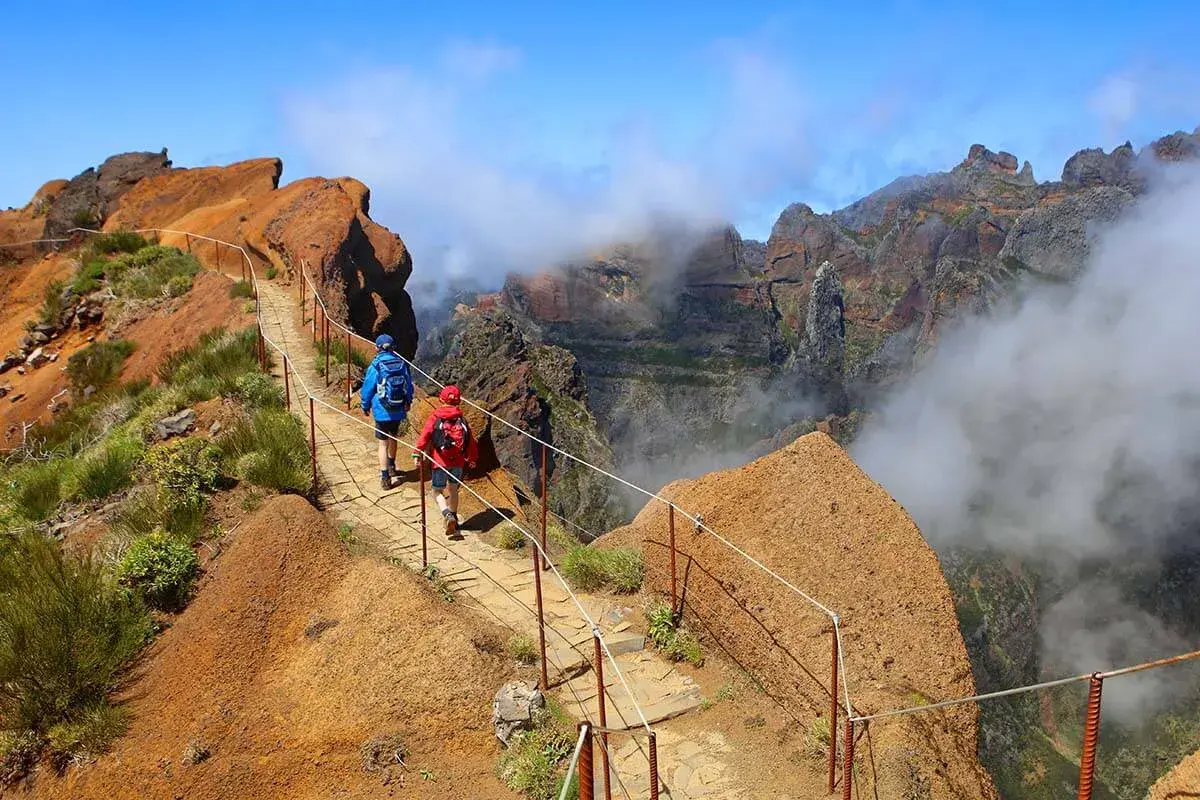
A balanced Madeira trip mixes mountain, coast, and slow city days
- Book hikes early: official PR trails need a reservation in 2026, and the standard fee is usually €4.50 per person.
- Use Funchal as a base: it makes cable cars, gardens, whale watching, and south-coast day trips easy.
- Save one full day for the north coast: that is where Porto Moniz, Fanal, and São Vicente feel most distinctive.
- Expect microclimates: the coast, the forest, and the peaks can feel like three different islands in one day.
- Leave slack in the schedule: winding roads and quick weather shifts make overpacked itineraries a bad bet.
How I would build a first Madeira trip
I usually build a first Madeira trip around three layers: one or two serious outdoor days, one coast-heavy day, and one slower day in Funchal. That mix works because the island is compact, but the roads are winding enough that every extra detour costs real time. If your stay is short, I would keep the plan lean and let scenery, not mileage, do the heavy lifting.
| Travel style | Best focus | Why it works |
|---|---|---|
| First-time visitor | Funchal, Monte, Cabo Girão, one levada | It gives you the island’s range without exhausting you |
| Active traveller | Ponta de São Lourenço, 25 Fontes, Pico Ruivo, Fanal | Best mix of coast, summit, and forest |
| Relaxed traveller | Gardens, natural pools, whale watching, viewpoints | Scenic days with low logistics |
| Photography-focused | Sunrise peaks, Fanal mist, south-coast sunsets | Madeira’s light does a lot of the work |
That structure gives you enough range to understand the island without turning the holiday into a transfer schedule, and it makes the hike choices much easier to judge.
The hikes that earn their place on your itinerary
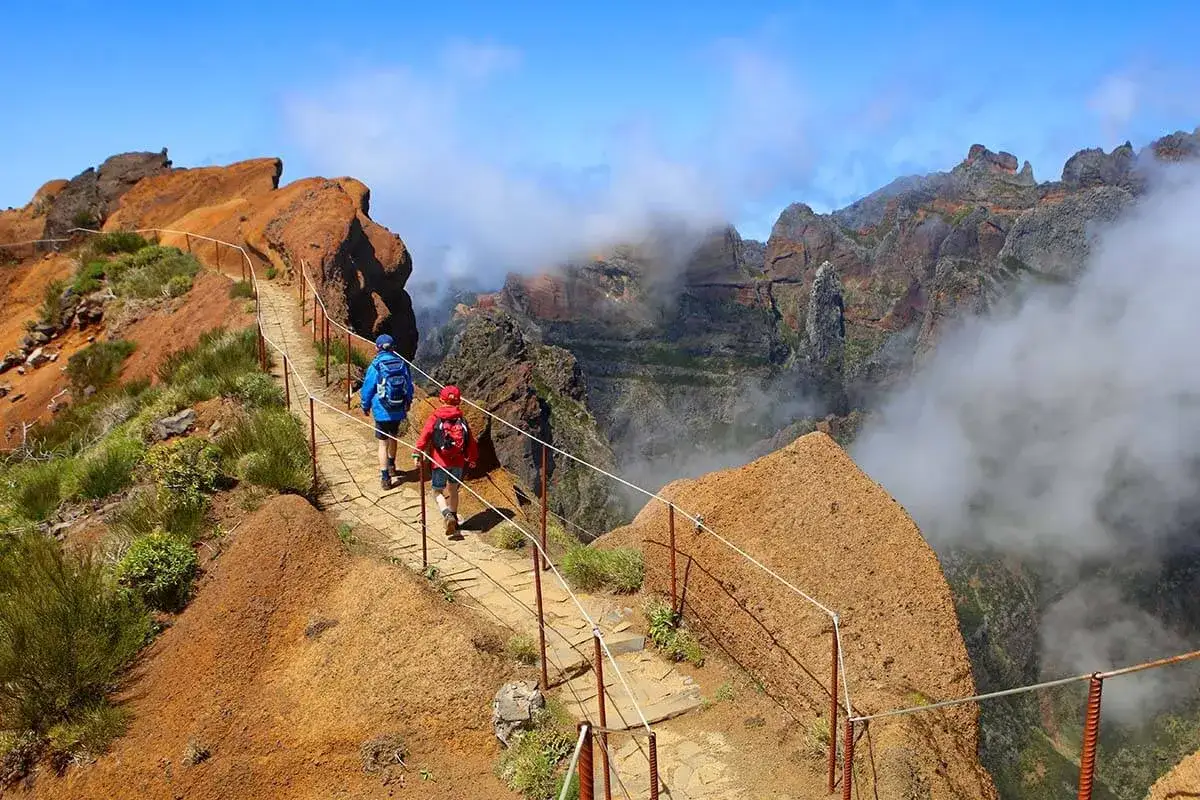
In 2026, hiking in Madeira is still the island’s strongest card, but it is no longer something I would leave to the morning of the walk. Visit Madeira now requires reservations for all classified PR trails, usually through SIMplifica, and the standard fee is €4.50 per trail or €9 for a combined day. Each booking uses a 30-minute entry slot, so the practical side matters as much as the trail itself.
| Trail | Distance and time | Best for | My take |
|---|---|---|---|
| PR 8, Ponta de São Lourenço | 3 km each way, about 2.5 hours | Cliff scenery and exposed coastal views | Best when you want the island to feel wild immediately |
| PR 6, Levada das 25 Fontes | 4.3 km, about 3 hours | Classic levada landscape and lagoon payoff | The all-rounder I would book first |
| PR 6.1, Levada do Risco | 1.5 km, about 2 hours | A shorter add-on near Rabaçal | Good if you want one easier nature walk |
| PR 1.2, Vereda do Pico Ruivo | 2.8 km each way, about 1.5 hours | Summit experience | Short, steep reward if you want height without a huge commitment |
| PR 7, Levada do Moinho | 10.5 km, about 3.5 hours | History and scenery together | A better choice when you like quieter paths |
| PR 13, Vereda do Fanal | 10.8 km, about 4 hours | Laurissilva forest atmosphere | Worth it for the forest mood more than the endpoint |
Trail status can change with weather, so I would still check whether a route is open, restricted, or closed the day before you go. If you want one all-rounder, Levada das 25 Fontes is the safest bet; if you want exposed drama, Ponta de São Lourenço is the one I would prioritise; and if summit access matters more than distance, Pico Ruivo gives you the biggest payoff for the shortest effort. From there, it becomes easier to decide whether the rest of your time should lean toward sea, city, or forest.
What to do around Funchal and the south coast
Funchal is the easiest place to start because it packs a lot of payoff into a small area, and I like to use it as the low-friction day in the middle of a trip. The south coast is also where Madeira’s gentler activities cluster, which matters when the weather is playing games higher up.
- Ride the Funchal Cable Car for a 3,200-metre climb between the city centre and Monte, with the landscape shifting in real time beneath you.
- Use the Botanical Garden Cable Car if you want a shorter 1,600-metre ride and a direct route into the gardens.
- Try the Monte sledges for the island’s oddest classic experience. The 2-kilometre descent takes about 10 minutes and still feels less like transport than theatre.
- Pair Monte with the gardens rather than treating it as a single photo stop. That is where the area starts to feel layered instead of touristy.
- Stop at the Botanical Garden or Monte Palace Tropical Garden if you want one slow, green break between the cable car and the city below.
- Swim at Doca do Cavacas when you want volcanic pools with sea access, showers, changing rooms, and a bar without spending the whole day driving.
- Add Cabo Girão for the skywalk and the island’s big-cliff perspective. At 580 metres, it remains one of the most memorable viewpoints on the island.
- Book whale watching from Funchal if the sea is calm enough. It is a year-round activity and one of the best ways to shift from sightseeing to something more immersive.
- Leave room for a sportier day if you want one active alternative to hiking. Canyoning and diving fit naturally on the city side of the island.
Sea temperatures stay pleasant too, roughly 18°C in winter and 24°C in summer, which is why pool days work in more months than people expect. That is also why I would not save the capital for the final day only; it works better as a steady anchor while the rest of the trip moves around it.
Why the north coast deserves a full day
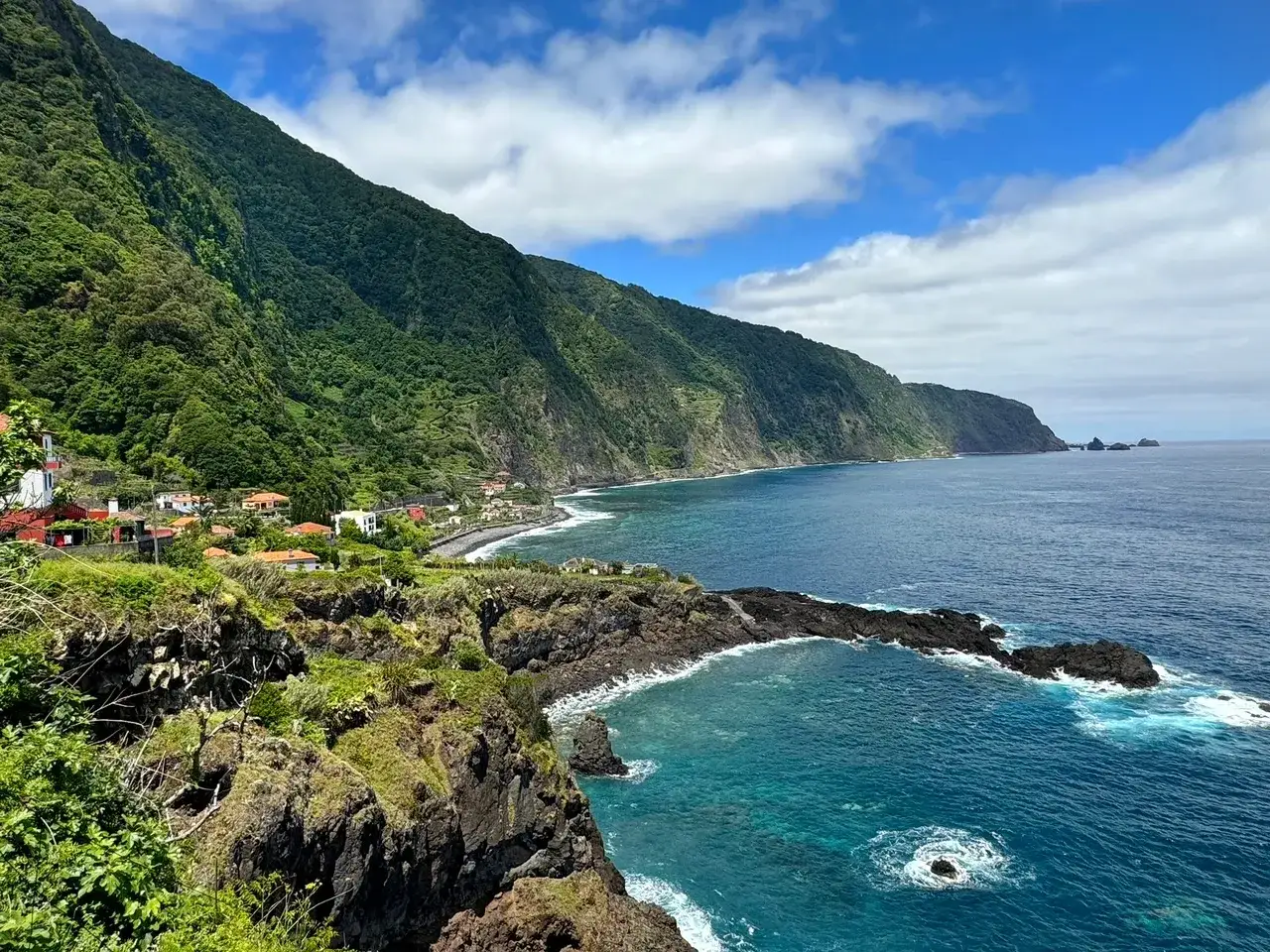
The north coast is where Madeira becomes more dramatic and less polished, and that is exactly why it deserves a full day. Roads are slower here, the weather changes more often, and the scenery feels more rooted in the island’s volcanic past.
- Porto Moniz natural pools are the obvious anchor stop. The main complex covers 3,800 m² and is the kind of place you should linger in rather than just photograph and leave.
- Seixal and the other north-coast pools are worth considering if you want a different feel or a quieter rhythm than the most famous stop.
- Fanal is not just a viewpoint; it is an atmosphere. I would go early or late, when the laurel forest feels softer, moody, and less rushed.
- The Laurissilva Forest is the ancient laurel rainforest behind a lot of Madeira’s best scenery, so seeing it in more than one setting helps the island make sense.
- Surf and bodyboard days also make more sense here than on the south coast, because the Atlantic is livelier and the beaches are built for it.
- São Vicente adds a strong geological and cultural layer to the north, even if you only stop for the town, the viewpoints, and the scenery around it.
If the south coast is about convenience and clean lines, the north coast is about texture. That difference matters when you start figuring out how to move around the island efficiently.
How to get around without wasting time
Madeira is small enough that you can see a lot in a week, but it is hilly enough that transport choices matter more than they do on flatter islands. I would not assume that the shortest route on a map is always the fastest or least tiring one.
| Option | Best for | Watch out for |
|---|---|---|
| Rental car | Most freedom, mountain loops, early starts | Winding roads, parking, and choosing routes carefully |
| Taxi or ride-hailing | Airport transfers, Funchal days, one-off excursions | Gets expensive if you rely on it for remote trailheads |
| Public buses | Budget travel and city stays | Requires planning and can slow down the island-wide feel |
| Organised tours and hop-on hop-off buses | First visit, scenic stops, no parking stress | Less flexibility and fixed timing |
- There are no toll roads on the main network.
- Parking is colour-coded, and paid spaces are common in urban areas during weekday and Saturday daytime hours.
- Uber and Bolt are available if you need a simple backup.
- GPS works well, but I still prefer choosing routes I am comfortable with because there are often several ways to reach the same destination.
- From the airport to Funchal, the transfer is usually only 20 to 25 minutes.
If I were based in Funchal for just three days, I could live without a car; for a longer trip that reaches both coasts, I would rather rent one and keep the itinerary calmer. Once transport is settled, the rest of the trip becomes much easier to map out.
A realistic Madeira itinerary by trip length
I like to build itineraries around a simple rule: each additional day should deepen the trip, not just add more driving. Madeira rewards that discipline because the island can feel overstuffed quickly if every day turns into a transfer day.
| Trip length | Best structure | What I would actually do |
|---|---|---|
| 3 days | 1 city day, 1 hike day, 1 coast day | Funchal and Monte on day one, PR 8 or PR 6 on day two, Cabo Girão or the north coast on day three |
| 5 days | 2 active days, 2 scenic days, 1 flexible day | Add Porto Moniz, Fanal, whale watching, and one extra evening in Funchal without rushing |
| 7 days | Full island loop with one buffer day | Combine east, west, north, and south, then leave one day open for weather, rest, or a second favorite place |
The strongest itineraries are the ones that leave one slot open for weather or mood, because that flexibility is what keeps Madeira from feeling like a checklist.
The small decisions that make Madeira feel effortless
Most Madeira disappointments come from overpacking the schedule, underestimating the weather, or assuming one part of the island represents the whole place. I would avoid all three.
- Reserve PR trails before you land, especially if you want the most popular hikes.
- Start mountain walks early; fog, wind, and crowds are usually friendlier at the beginning of the day.
- Pack layers even in warm months, because the coast and the peaks do not share the same temperature.
- Keep one flexible day for a sea activity, a pool day, or a backup hike.
- Use one base and one satellite day on each coast instead of zigzagging across the island every morning.
- Do not skip Funchal entirely; it is the place that ties the island’s nature and culture together.
If I were planning a first visit now, I would lock in one summit or levada hike, one north-coast day, and one Funchal day before worrying about anything else. That sequence gives you the island’s essential range without turning the trip into a race.