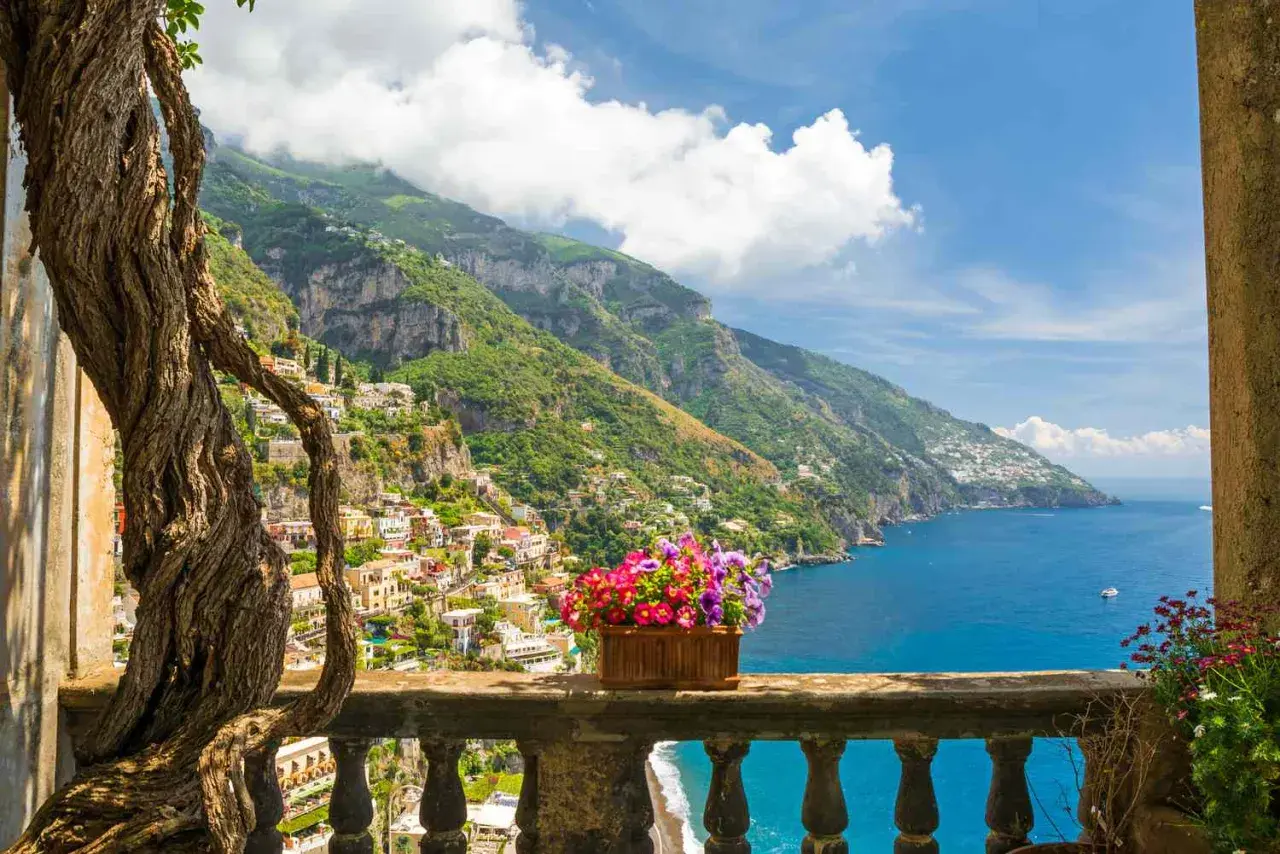
The fastest way to choose a base is to match the town to your travel style
- Positano is the classic postcard choice, but it is also one of the busiest and priciest.
- Amalfi is the most practical hub for boats, buses, and day trips.
- Ravello works best if views, gardens, and quieter evenings matter more than beach access.
- Praiano, Atrani, Minori, and Cetara give you a calmer stay with a more local feel.
- Vietri sul Mare is a smart arrival or departure base because it is easier to reach by train.
- For most trips, I would rather pick two towns well than try to rush through the whole coast.
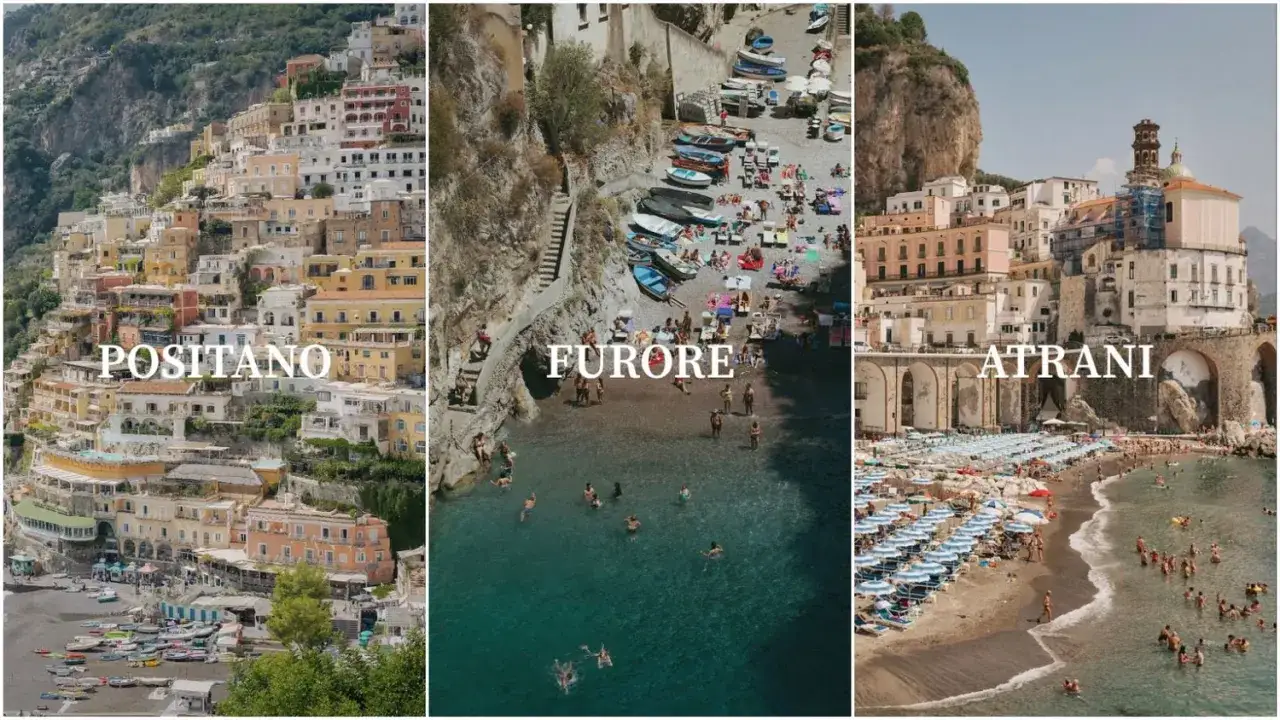
How the coastline layout changes the way you should plan
The first thing I look at is not the postcard view, but the geography. The Amalfi Coast is a narrow, steep strip of land with 13 municipalities spread between Positano and Vietri sul Mare, and that vertical shape affects almost every decision you make. A town that looks close on a map may sit high above the water, depend on stairs, or require a bus, ferry, or long taxi ride just to connect with the next stop.
That is why “best town” is the wrong question on its own. Amalfi gives you the most central logistics, Positano gives you the strongest visual identity, and Ravello gives you height and calm rather than a beach. Smaller places such as Atrani, Cetara, and Minori feel more intimate, but they also ask you to accept fewer services and a slower rhythm. Even practical details, like whether you can roll luggage from the street to your hotel, can matter more here than they do in a standard resort town.
I also think it helps to remember that Sorrento is nearby, but it is not one of the Amalfi Coast towns. That distinction saves confusion when you are comparing bases, because Sorrento is often used as a transport hub while the coast itself is the scenic destination. Once that layout is clear, choosing where to stay becomes much easier, and the next step is comparing the towns on what they actually offer.The towns that deserve a real shortlist
If I were narrowing the coast quickly, I would compare the towns below first. They are not interchangeable, and that is exactly the point.
| Town | Best for | What stands out | Main tradeoff |
|---|---|---|---|
| Positano | First-time visitors, romance, classic views | Steep pastel streets, luxury stays, beach-club energy, strong “wow” factor | Expensive, crowded, and full of stairs |
| Amalfi | Practical bases and day trips | Central location, cathedral square, paper-museum atmosphere, easy connections | Busy and less intimate than smaller villages |
| Ravello | Views, gardens, quieter evenings | High above the sea, elegant villas, refined pace | No beach access and uphill logistics |
| Praiano | Calmer stays with good scenery | Halfway between Positano and Amalfi, strong sunset views, more breathing room | Fewer nightlife and shopping options |
| Atrani | Authentic village feel | Tiny scale, easy walk to Amalfi, strong local character | Limited accommodation and services |
| Minori | Food lovers and slower trips | Lemon culture, pastries, a more relaxed beach-town rhythm | Less dramatic than Positano or Ravello |
| Maiori | Longer beach stays and families | One of the coast’s more practical seaside bases | More functional than glamorous |
| Cetara | Seafood and local life | Fishing-village atmosphere, anchovy tradition, excellent food | Not a sightseeing-heavy base |
| Vietri sul Mare | Arrivals, departures, and ceramic shopping | Rail access, colorful ceramics, easy connection to the rest of Italy | Less central for classic cliffside sightseeing |
| Furore | Scenery and offbeat stops | Dramatic fjord setting and strong viewpoint appeal | Too small to work as a full base for most travelers |
| Conca dei Marini | Quiet coastal time and food | Small fishing-village feel, good seafood, hidden-cove atmosphere | Very limited services and activity |
| Scala | Hiking and rural calm | Hilltop feel, older settlement character, access to trails | Far less convenient for beach-focused trips |
| Tramonti | Wine, inland scenery, lower crowds | Mountain hamlets and a more agricultural side of the coast | Not ideal if you want to wake up by the sea |
The pattern is simple. Positano and Amalfi are the obvious names, but the quieter towns often make the trip feel better rather than merely prettier. If I had to choose one balance between scenery and function, Amalfi is still the safest all-around pick. If I wanted the most atmospheric splurge, I would lean toward Positano or Ravello. That tradeoff becomes even clearer once you match the town to the kind of traveler you are.
Which town fits your trip better
I would not choose a base here by popularity alone. I would choose it by the kind of day I want to have after breakfast.
- For a first trip: Amalfi is the easiest all-around base. You get central access, enough restaurants and services, and the simplest setup for ferries or buses. If you want the postcard version of the coast and do not mind paying for it, Positano is the more dramatic choice.
- For a romantic stay: Ravello is the strongest fit when you care more about views, gardens, and quiet evenings than beach time. Praiano is the better choice if you want a softer, less formal version of that same mood.
- For beach time: Maiori and Minori are more forgiving than the cliff towns. The beaches are easier to live with, the pace is less intense, and you are less likely to spend every transition climbing steps.
- For food and local character: Cetara stands out if seafood is part of the reason you came, while Minori adds pastry and lemon culture to the mix. Those towns feel less staged, which is part of their appeal.
- For hiking: Scala and Tramonti make sense if trails, mountain air, and inland views matter more than marina energy. They are not the default tourist picks, but that is exactly why they stay interesting.
- For travelers on a tighter budget: Atrani, Minori, Maiori, and sometimes Vietri sul Mare usually feel less punishing than the headline towns. You still get the coast, but you are less tied to the premium that comes with the most famous addresses.
The mistake I see most often is choosing a town for one photo and ignoring the rest of the trip. A beautiful base is useful only if it fits your pace, your luggage, and the amount of movement you are willing to do each day. That is why transport deserves its own decision, not a last-minute afterthought.
Getting around without wasting half the day
Movement is where the Amalfi Coast becomes either manageable or exhausting. Distances are short, but the road is narrow, curvy, and often slow, so the transport choice matters just as much as the hotel choice.- Ferries: Best when they are running and the sea is calm. They are scenic, they avoid road traffic, and they make the coast feel much easier to handle. The limitation is that service can be seasonal and weather-dependent.
- Buses: Usually the cheapest option and the one most travelers end up using at least once. They are useful, but they can be crowded in peak periods and much slower than they look on paper.
- Taxis and private transfers: The most comfortable choice if you have luggage, arrive late, or want to protect your energy for the actual trip. They cost more, but on this coastline, time and simplicity are often worth paying for.
- Driving: I would only recommend this if you are already comfortable with tight roads, limited parking, and frequent delays. A car gives you flexibility, but it can also turn a relaxing trip into a parking exercise.
- Walking between nearby towns: This is one of the best ways to experience the coast, but only in short, realistic doses. A walk from Amalfi to Atrani or a descent from Ravello can be memorable; trying to “walk the coast” is another matter entirely.
The practical rule I use is simple: plan one major move per day, not three. If you are changing towns, let the move be the main event for that half-day and do the sightseeing before or after, not in between. That keeps the trip from becoming a sequence of transfers, and it leaves more energy for the places themselves.
How I would combine two or three towns on a real trip
If you only have a short stay, the smartest move is to combine towns instead of trying to cover everything. A good pairing gives you contrast without constant packing.
- Amalfi + Ravello: Best for travelers who want a practical base and a quiet, elevated counterpoint. Amalfi handles logistics; Ravello gives you the slow, scenic side of the coast.
- Amalfi + Positano: The classic choice if you want the famous views and do not mind higher prices or busier streets. I would use Amalfi as the anchor and Positano as the splurge.
- Praiano + Amalfi: A strong mix for people who want one quieter town and one central one. This pairing works especially well if you dislike the intensity of staying in Positano all week.
- Minori + Cetara: Good for slower food-focused travel. It is less about checking off sights and more about eating well, swimming, and enjoying small-town rhythm.
- Vietri sul Mare + Amalfi: Useful if you want easy arrival or departure by train and still want to spend time in the heart of the coast.
If I had to reduce the whole coastline to one planning rule, it would be this: choose one practical hub, one scenic indulgence, and leave enough space for slow wandering. That approach works better than chasing every famous stop, because the coast is most rewarding when you are not rushing through it.
For most travelers, the right answer is not a single perfect town but a small, well-chosen combination. Amalfi gives you the best logistics, Positano gives you the iconic face of the coast, Ravello gives you elevation and calm, and the smaller places supply the authenticity people often miss when they only follow the famous names. Pick the towns that match your pace, and the coast becomes much easier to enjoy.