
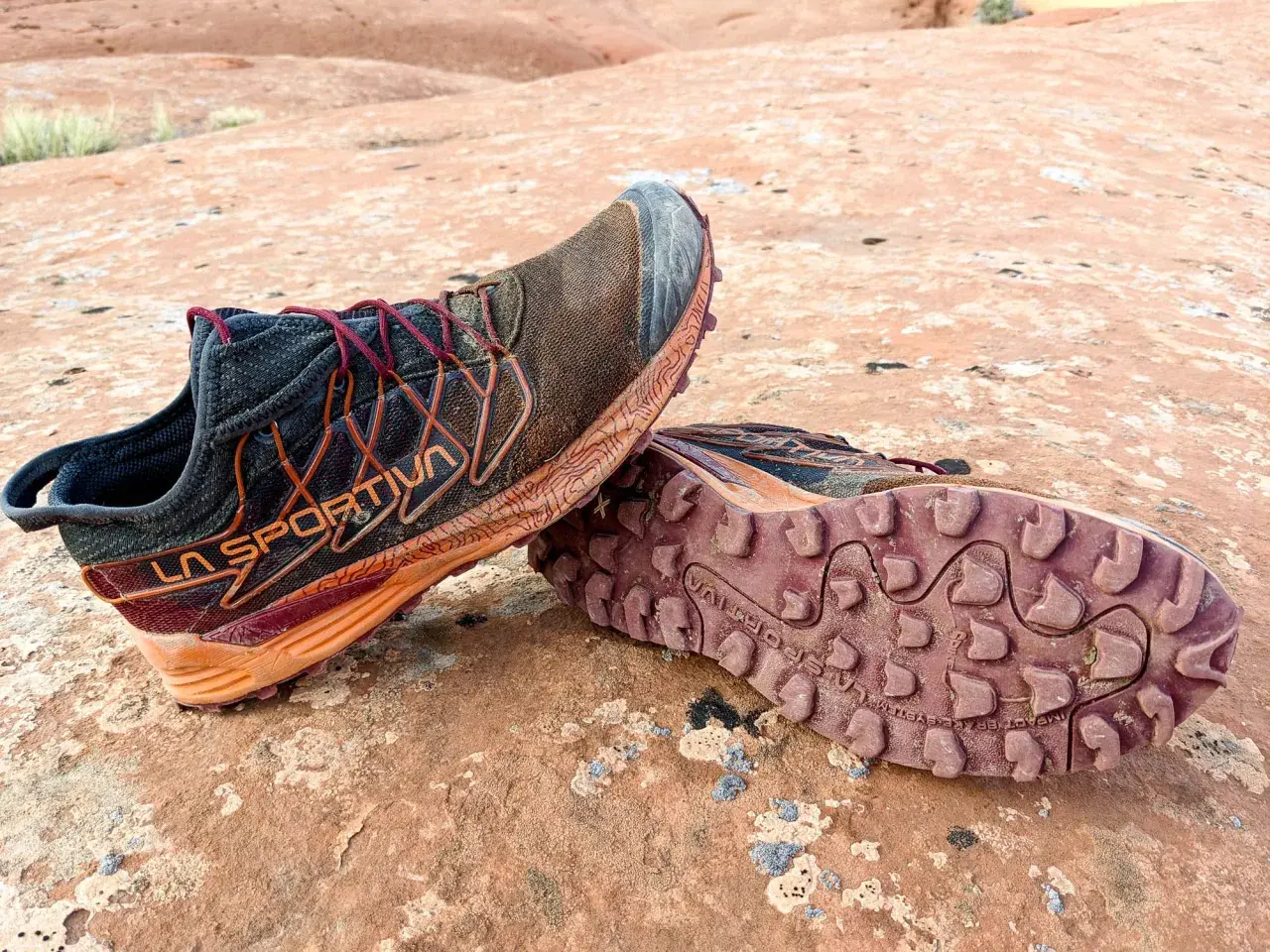
I care about the term because the upper is not just cosmetic trim. It influences breathability, water handling, foot protection, and how a shoe ages after months of dirt, stone, and rain. If you hike fast, travel light, or spend time on wet and variable trails, this one label can tell you a lot about whether a shoe will fit your real use case.
Here is the quick read on synthetic hiking uppers
- A synthetic upper is the outer structure above the sole made from man-made materials, not leather.
- It usually keeps weight down and dries faster, which helps on warm, wet, or fast-moving hikes.
- Support and durability depend on the full build, not the upper material alone.
- Waterproofing comes from membranes and treatments, so synthetic does not automatically mean waterproof.
- For many day hikes and travel-friendly trail shoes, synthetic is the practical default.
What a synthetic upper actually covers
When I say "upper," I mean everything above the outsole: the toe box, sidewalls, tongue, collar, and the panels that hold the foot in place. In a synthetic build, those parts may use open mesh, tightly woven textile, ripstop nylon, microfiber, TPU overlays, or synthetic leather-like panels. The mix matters because a breathable mesh upper and a heavily reinforced synthetic leather upper can feel like completely different products.
That is why the label is broader than many hikers expect. Brands often use "synthetic," "textile," and "mesh" in overlapping ways, but the real question is how the pieces are put together and where reinforcement sits. A good synthetic upper is not just lighter material; it is a deliberately engineered shell that balances flex, abrasion resistance, and foot hold. Once that is clear, the next question is why so many hiking shoes are built this way.
Why hikers choose synthetic instead of leather
There are a few reasons synthetic uppers stay popular, and most of them are practical rather than trendy. The biggest advantage is usually efficiency: less material mass, less water absorption, and less time spent waiting for the shoe to feel normal after a wet day.
- Lower weight helps a shoe feel less clunky on climbs and long approaches.
- Faster drying matters after stream crossings, rain, or sweaty summer miles.
- Less break-in means many hikers can wear the shoes comfortably sooner, especially if the fit is already close.
- Better ventilation is common in mesh-heavy builds, which is useful in warm weather.
- More budget room often goes toward traction, cushioning, or a better fit instead of expensive upper materials.
Salomon and other hiking brands still describe modern synthetic footwear as being comfortable straight out of the box when the fit is right, and that matches my experience: synthetics tend to reward the correct size faster than leather does. That said, those gains only matter if they match the kind of ground you actually cover, which is where trail conditions become the real test.
Where synthetic uppers work best on trail
I reach for synthetic uppers when the hike asks for movement more than armor. They make sense on day hikes, fastpacking routes, summer mountain walks, and travel days where one pair has to do a bit of everything. On a humid Appalachian path, a rainy coastal trail, or a dry but long and rocky loop, the faster dry time can feel more useful than the traditional feel of leather.
They are also a smart pick when you expect to do a lot of walking at a moderate pace. A lighter upper can reduce fatigue more than many buyers expect, especially once the miles start adding up. If the shoe has enough toe protection and a decent heel counter, synthetic can be perfectly capable on rough terrain without feeling like a heavy boot from the first mile. That makes the trade-off especially interesting once you start asking where the material begins to show its limits.Where synthetic uppers can disappoint
The main weakness is usually durability under repeated abrasion. Thin mesh can scuff, fray, or tear sooner than thicker leather when it is scraping against rock, scree, roots, or the inside of a packed gear bag. Even well-made synthetics can age in a more obvious way: overlays peel, seams loosen, and the shoe can lose its crisp shape before the outsole is truly worn out.
There is also a comfort trap. A waterproof membrane can make a synthetic shoe feel more weather-ready, but it can also reduce airflow enough that the advantage over leather becomes smaller. In other words, synthetic does not automatically mean cool and airy. The breathability depends on the mesh density, the lining, and whether the shoe is built around a membrane. If you hike in hot weather and hate sweaty feet, that distinction matters as much as the material name on the spec sheet.
For hikers who carry heavier loads or spend a lot of time kicking into rough terrain, a more structured leather or hybrid build can still feel more reassuring. That leads naturally to the comparison most buyers actually need to see side by side.
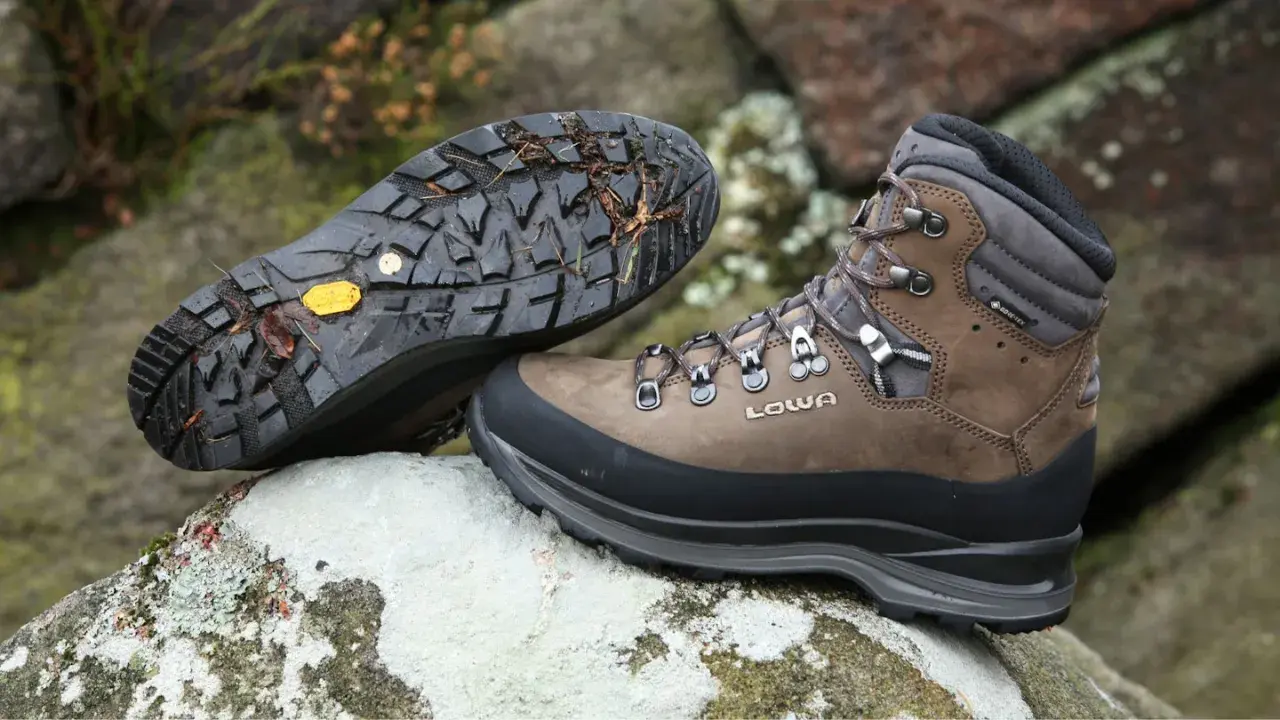
Synthetic vs leather and hybrid uppers
| Material | What it does well | Typical trade-off | Best fit for |
|---|---|---|---|
| Synthetic upper | Lightweight feel, quicker drying, easier break-in, usually more breathable | Can abrade sooner and may feel less substantial over time | Day hikes, travel, warm weather, faster hiking, mixed use |
| Leather upper | Strong abrasion resistance, long service life, classic structure | Heavier, slower to dry, often more break-in required | Rocky routes, backpacking, rough use, colder or wetter conditions |
| Hybrid upper | Uses synthetic panels with leather reinforcements where wear is highest | Usually sits between the two on weight and price | Hikers who want balance rather than a pure lightweight or pure burly build |
Hybrid uppers are often the sweet spot. They let brands put tougher material where the shoe gets punished and lighter material where flexibility and breathability matter more. If I were buying for frequent trail use but did not want a full leather boot, this is usually where I would look first. From there, the smarter question becomes how to judge a synthetic model before you hand over your money.
How I would choose one for different hikes
I start with the hike, not the material label. For easy day hikes and travel, I want a synthetic upper that feels supple, ventilates well, and does not fight my foot. For wet shoulder-season hiking, I look for a tighter weave, sturdy overlays, and a design that keeps debris out around the tongue and collar. For rougher trips, I care less about the shiny spec sheet and more about whether the shoe has real structure in the toe, midfoot, and heel.
- Check the toe and side overlays. They are the first clue to how much abuse the upper can take.
- Look at the tongue. A gusseted tongue helps block dirt and water better than a loose flap.
- Feel the heel counter. A soft upper can still be supportive if the heel cup is firm and well shaped.
- Look for stitching and seams in high-wear zones. Fewer weak points usually means better long-term durability.
- Match the upper to the climate. Breathable mesh is great in heat; more coverage helps when weather is cold, wet, or abrasive.
The biggest mistake I see is buying a shoe because the upper sounds advanced without checking how the rest of the boot is built. The midsole, outsole, last shape, and lacing system can matter as much as the material on top. That is why the last thing I look at is not the marketing copy, but how the shoe will behave after real miles.
