What matters most before planning a trail trip in Turkey
- Spring and autumn are the safest bets for most long-distance routes, especially on the southwest coast.
- The Lycian Way, St Paul Trail, Carian Trail, Sufi Trail, and Phrygian Way are the main names I would shortlist first.
- Shorter hiking blocks in Cappadocia, the Black Sea, and forested national parks work well if you do not want a full thru-hike.
- Terrain matters more than distance; heat, descent, and surface quality can change the difficulty of a route fast.
- U.S. travelers should double-check entry rules and the latest advisory before booking, even for a straightforward trip.
Why Turkey works so well for walkers
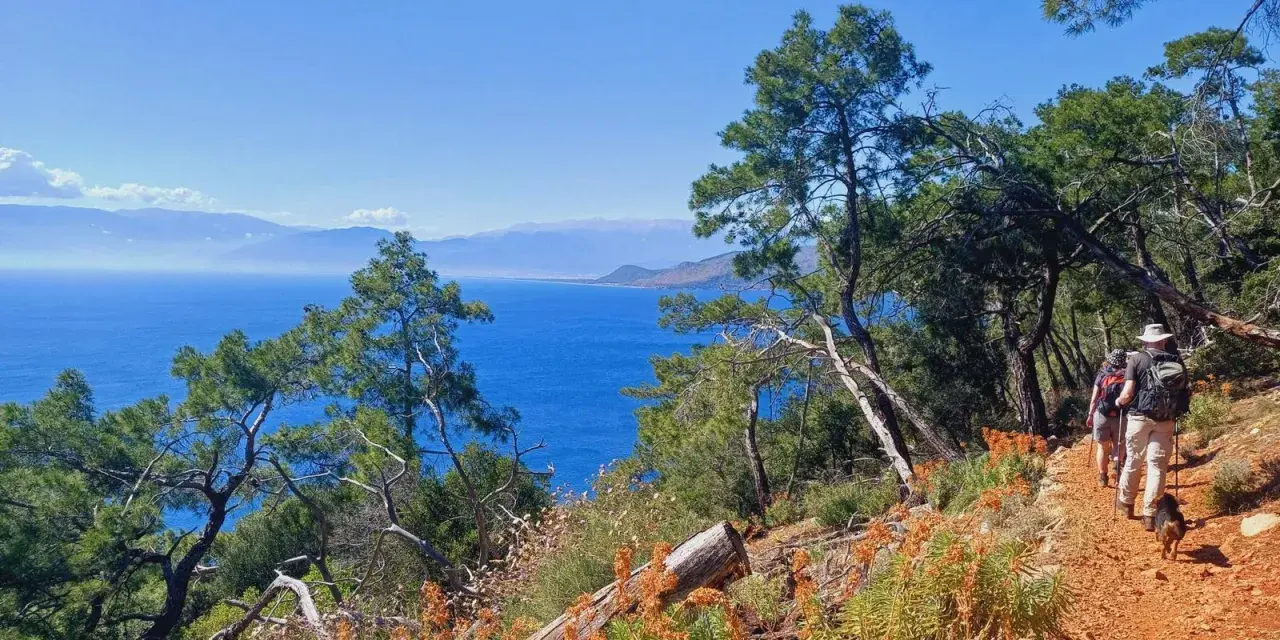
I keep coming back to Turkey because the country does not force one trail identity on you. GoTürkiye’s trail pages make the range obvious: long coastal routes, inland pilgrimage walks, forest networks, and short valley hikes all sit in the same country, often within a few hours of one another.
That variety matters in practice. One traveler may want a week of guesthouse-to-guesthouse trekking on the Mediterranean coast, while another wants three easy days around Cappadocia and one longer mountain stage. Turkey works well for both, but only if you match the region to the season and your own pace.
That is why I start with route choice rather than packing lists. Once the region is right, everything else becomes easier to tune.
The routes I would shortlist first
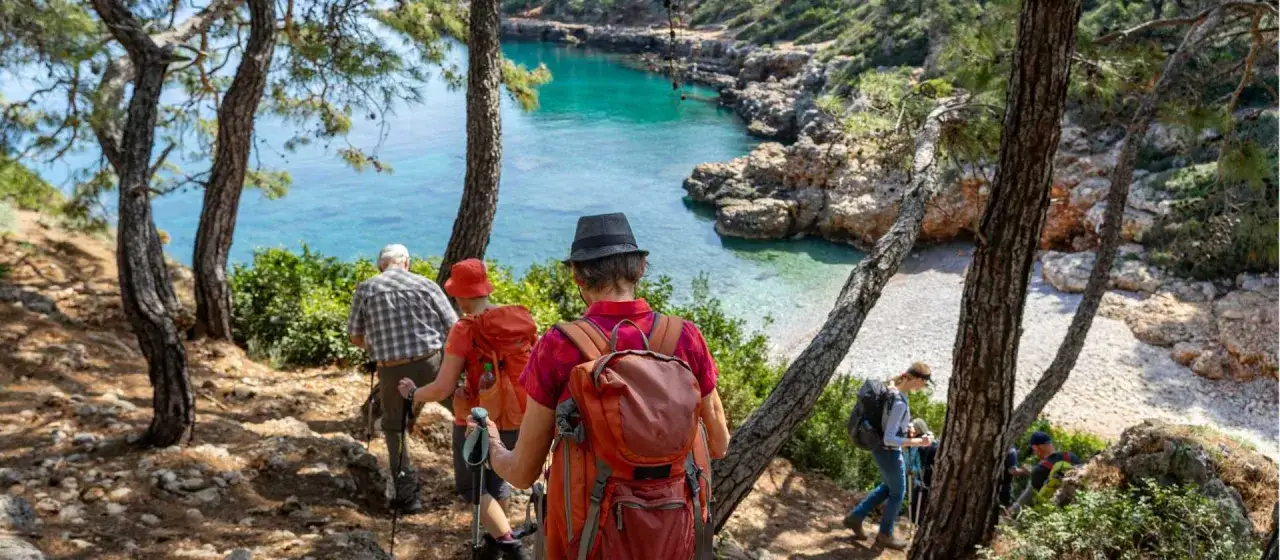
If I were building a first trip, these are the routes I would put at the top of the list. According to GoTürkiye, the country’s walking network ranges from famous 500-kilometre classics to much longer cross-country itineraries, which tells you a lot about how much variety is on offer.
| Route | Length | Best for | What it feels like | Typical difficulty |
|---|---|---|---|---|
| Lycian Way | 500 km / 311 mi | First-time long-distance walkers who want coast, ruins, and villages | Sea views, pine forests, ancient sites, and a real sense of forward movement | Moderate to difficult |
| St Paul Trail | 500 km / 311 mi | Hikers who want a quieter inland route with historical depth | Mountain paths, rural settlements, and a stronger pilgrimage feel | Moderate, with some tougher sections |
| Carian Trail | About 800 km / 497 mi | Walkers who like a less crowded southwest itinerary | Mixed coastal and inland scenery with a stronger sense of remoteness | Varied, often moderate |
| Sufi Trail | 801 km / 498 mi | Hikers interested in a cultural cross-country route | A long, reflective route from Istanbul to Konya, more demanding for its scale than for technical difficulty | Demanding because of length |
| Phrygian Way | About 506 km / 314 mi | Travelers who want archaeology and inland landscapes | Ancient Anatolian terrain with a strong historical thread | Moderate |
| Kure Mountains National Park | 482 km / 299 mi of walking trails, 762 km / 474 mi with alternates | Hikers who prefer forested, cooler, less exposed walking | Deep green valleys, marked trails, and a more wooded atmosphere than the southwest | Easy to moderate, depending on the section |
My bias is simple: first-time visitors usually get the best balance from the Lycian Way or Cappadocia-style valley walks, while repeat hikers can push further inland or north. If you want shorter days, Cappadocia is an easy add-on rather than a full endurance project, and that flexibility is one of Turkey’s strongest selling points.
Once you narrow the route, the next question is timing. In Turkey, that choice changes the whole experience.
When to go and what to expect on the ground
The month you go will shape the trail more than the trail name. The same path can feel relaxed in April and punishing in July, especially on exposed coastlines or in dry inland valleys.
| Region or route type | Best months | What changes on the trail |
|---|---|---|
| Southwest coast, including Lycian, Carian, and St Paul sections | March to May, late September to November | Heat stays manageable, spring flowers are stronger, and long water carries are less punishing |
| Cappadocia and central Anatolia | April to June, September to October | Mornings can be cool, afternoons warm up quickly, and the rock terrain stays most comfortable outside peak summer |
| Black Sea forests and mountain parks | June to September | Trails are greener and more accessible, but rain and slippery ground become part of the deal |
| High mountain areas such as Aladağlar | June to September | Snow lingers early, and weather can turn quickly even in summer |
That seasonal pattern is not a brochure line; it is what I would plan around myself. Spring gives you flowers, clearer air, and more forgiving temperatures, while autumn usually offers the cleanest mix of comfort and visibility. Summer still works in some places, but it is a season for early starts, shorter stages, and more discipline about water.
With timing set, the trip becomes much easier to organize. The main risk is not a bad trail choice; it is overcomplicating the logistics.
How to plan the trip without overcomplicating it
I would begin by deciding whether this is a base-and-walk trip or a point-to-point trek. Base-and-walk works well in places like Cappadocia, where you can stay put and choose different valleys each day. Point-to-point makes more sense on routes like the Lycian Way, where the movement between villages is part of the experience.
For U.S. travelers, I would also check entry rules before I look at gear. The Turkish consulate in Los Angeles currently says ordinary U.S. passport holders are exempt from tourist visa requirements for short stays of up to 90 days within a 180-day period, but I would still verify the latest conditions before buying flights. Rules can change, and trail plans are easier to adjust on paper than at the airport.
Then I would keep the packing list lean but serious:
- 2 to 3 liters of water capacity for exposed or dry stages.
- Broken-in hiking shoes or boots, not brand-new footwear.
- An offline map app plus a paper backup for longer routes.
- A lightweight rain shell, even in the dry season.
- Cash for guesthouses, small cafés, and village transport.
- A power bank, because long walking days and photos drain batteries quickly.
Accommodation is the one item I would not leave entirely to chance on popular routes. Spring dates on the coast and short-stay huts or pensions in higher-demand valleys can disappear earlier than travelers expect. A little advance booking keeps the trip calm, which is exactly what a walking holiday should feel like.
Once the practical layer is under control, the remaining problems are mostly self-inflicted. That usually means pace, not planning.
The mistakes that make a good route feel harder than it is
I see the same few errors again and again on walking trips in Turkey, and none of them are dramatic. They are mostly judgment mistakes.
- Choosing scenery over terrain and ignoring heat, exposure, or steep descent.
- Planning long daily distances on rough limestone or loose rock, where pace drops fast.
- Starting too late in the day, especially in the southwest where midday heat changes the mood of a stage.
- Assuming every route has constant water and easy resupply.
- Trying to force a full thru-hike when a well-chosen section would deliver a better trip.
The fifth mistake is the one I would challenge most strongly. Turkey is a country where you do not have to “earn” the scenery by walking every kilometer in one stretch. Often the smartest itinerary is the one that picks the most rewarding sections and leaves room for ruins, swims, a long lunch, or a quiet evening in a village pension.
That is why the small details matter more than the headline distance. A well-paced route feels generous; a badly paced one feels like a test.
The details that turn a trail itinerary into a real trip
If I were planning the trip now, I would build it around one main region, one buffer day, and one stretch of trail that is easier than I think I need. That combination protects the trip from bad weather, tired legs, and the usual travel surprises.
I would also make space for the parts that are easy to overlook: village meals, short transfers, and late-afternoon walks when the light is better and the trail feels quieter. Turkey rewards that rhythm. It is not just a place for covering distance; it is a place where the walking itself becomes part of the travel story.
So the best approach is not to chase the longest route on the map. It is to choose the section that matches the season, keep the schedule honest, and let the landscape do the rest.