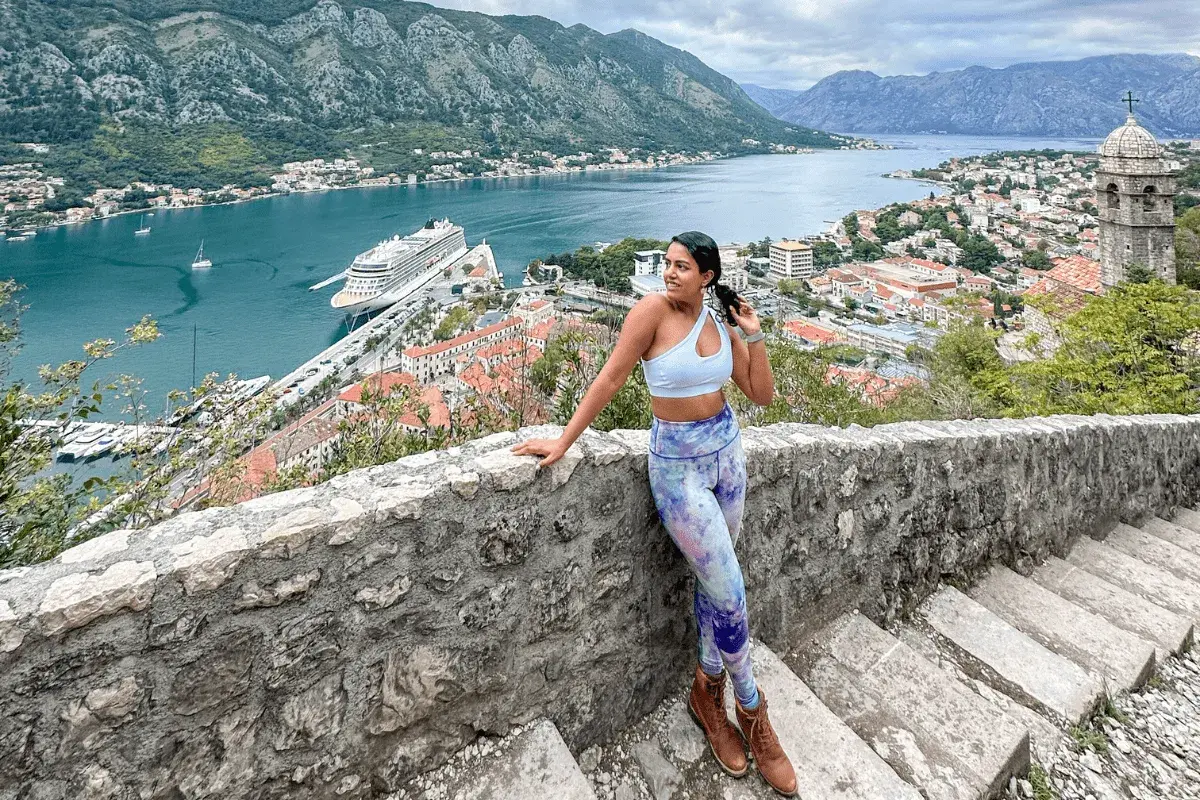
When I help readers plan a trip to Montenegro, I focus on the decisions that change the trip most: when to go, how to split the coast and the mountains, and how to avoid losing time to slow roads or last-minute bookings. This guide covers the practical side of Montenegro travel planning - the best season, realistic trip lengths, where to base yourself, how to get around, and the entry details that U.S. travelers should sort out before departure.
The key decisions at a glance
- May, June, and September usually give the best balance of weather, scenery, and fewer crowds.
- According to the U.S. State Department, U.S. passport holders can stay visa-free for up to 90 days in a 180-day period, but the stay still needs to be registered locally.
- A car is the most flexible way to combine the coast and the mountains; buses are fine for major towns.
- For a first visit, 5 to 7 days is the sweet spot; 3 to 4 days is only enough for a tight coastal trip.
- Booking early matters most in Kotor, Budva, and other coastal hotspots in peak summer.
The best time to visit depends on the trip you want
Montenegro is compact enough to tempt people into overpacking the itinerary, but the country changes a lot by season. Montenegro's official tourism board places the best overall window between May and October, and that is the range I would use for almost any first trip.
| Season | What it feels like | Best for | Main trade-off |
|---|---|---|---|
| May to June | Mild, green, and usually less crowded | Hiking, sightseeing, boat trips, first-time visitors | The sea can still feel cool early in the season |
| July to August | Hot, busy, and lively on the coast | Beach days, nightlife, long swimming season | Higher prices, more traffic, and heavier crowds |
| September to early October | Warm but calmer than midsummer | The most balanced mix of coast and mountains | Some seasonal businesses start to shorten hours later in autumn |
| November to March | Quiet, cooler, and often more local in feel | Winter mountains, slower travel, lower rates | Not the best window for a classic beach-focused trip |
I usually tell people to think in terms of shoulder season - the quieter months just before and after peak summer - because that is where Montenegro feels most rewarding for a mixed itinerary. If your plan is mostly beaches, July and August work; if you want beaches, scenery, and actual breathing room, late spring and early autumn are stronger. Once the timing is set, the route becomes much easier to design.
Build a route that fits the days you actually have
The biggest mistake I see is trying to treat Montenegro like a country you can skim in one pass. It is small on paper, but once you add bay roads, mountain bends, and summer traffic, the landscape takes more time than people expect. I would build the route around one coastal base and one inland base unless the trip is very short.
| Trip length | Simple route | Why it works |
|---|---|---|
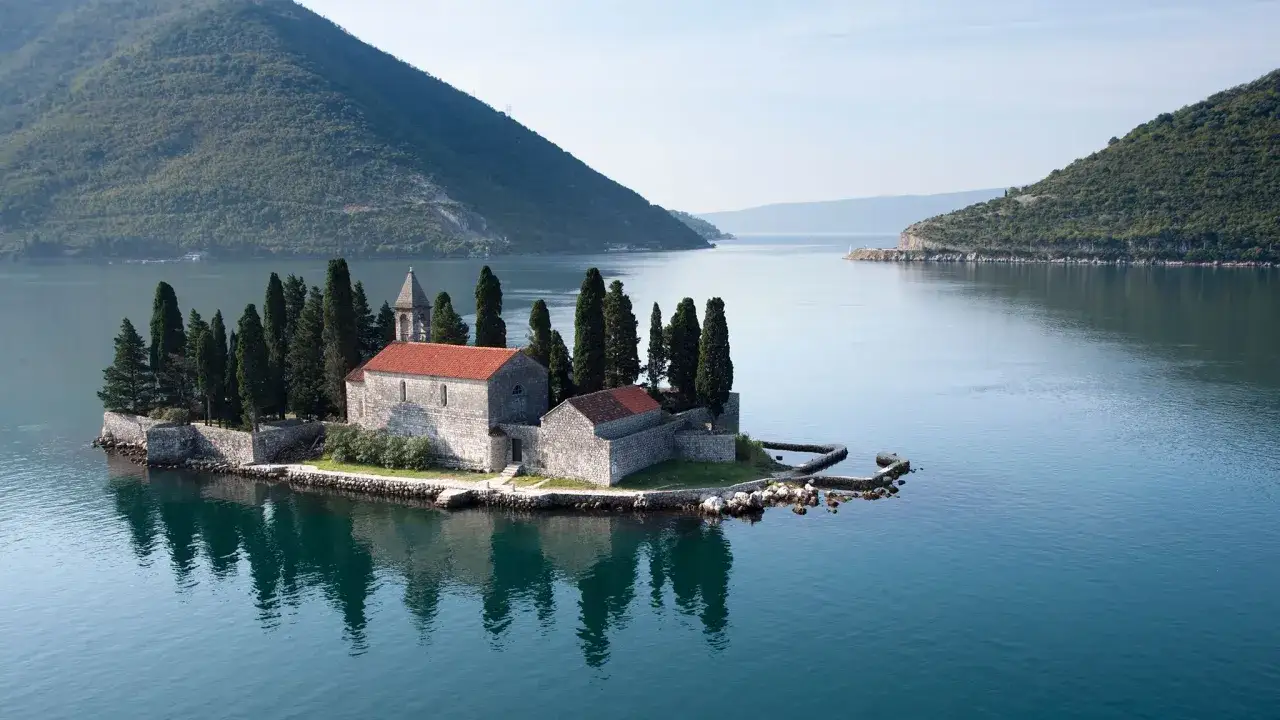
| 3 to 4 days | Kotor Bay, Perast, one beach town such as Budva or Herceg Novi | Compact, scenic, and low on hotel changes |
| 5 to 7 days | Kotor Bay, Zabljak and Durmitor, plus Skadar Lake or Cetinje on the way back | Gives you the classic coast-plus-mountains contrast without rushing |
| 8 to 10 days | Kotor, Lovcen or Cetinje, Zabljak, Skadar Lake, and one southern beach stop such as Ulcinj | Enough time for a fuller route with real downtime |
For a first trip, I prefer a route that shows contrast instead of coverage. A few nights on the Bay of Kotor, then a move inland to the mountains, tells the story of the country much better than chasing every famous town in one loop. If you love hiking, swap a beach night for a northern base; if you care more about swimming and old towns, stay closer to the Adriatic and keep the inland leg shorter. That brings you to the next practical question: where should you sleep so the route actually flows.
Choose bases that reduce transfers, not just pretty locations
Where you stay matters almost as much as what you see. The right base can cut driving, reduce parking headaches, and make day trips feel easy; the wrong one can turn a beautiful itinerary into a series of logistics problems. I usually recommend choosing bases based on function first and atmosphere second.
| Base | Best for | Trade-off |
|---|---|---|
| Kotor | First-time visitors, old-town atmosphere, easy Bay of Kotor access | Busy in high season, with tighter parking and more foot traffic |
| Budva | Beach access, restaurants, and nightlife | Can feel hectic and less intimate than the smaller bay towns |
| Tivat | Airport convenience, marina stays, smooth arrival days | More practical than romantic |
| Herceg Novi | A calmer Bay of Kotor start, especially if you are arriving from Croatia | Less central for the rest of the coast |
| Zabljak | Durmitor hiking, lakes, and mountain scenery | Remote compared with the coast and noticeably quieter at night |
| Virpazar | Skadar Lake, birdwatching, and a slower inland pace | Small inventory, so choices can be limited |
I like a two-base strategy for most first trips: one place on the coast, one place inland. Kotor plus Zabljak is the simplest version, and it works because each base serves a different part of the trip instead of competing with the other. If you hate changing hotels, keep more nights in Kotor and day-trip outward; if you hate long drives, split the stay and let the country do the moving for you. With the bases set, the transport choice becomes much clearer.
Get around in the way that matches your route
Montenegro's official tourism portal says the main roads are well kept and notes that the rail network is limited, which matches my own planning approach: use the train selectively, not as the backbone of a first visit. For a coast-and-mountains itinerary, transport choice decides how much freedom you have on the ground.
| Mode | Best use | Downside |
|---|---|---|
| Rental car | Best for combining the coast, national parks, and smaller villages | Parking, narrow roads, and summer traffic can eat time |
| Bus | Good for major town-to-town travel and lower budgets | Less flexible and slower when you want to stop often |
| Train | Useful on a few specific routes, especially in the south | Too limited for most tourist itineraries |
If your trip is mostly Kotor, Perast, and Budva, a bus can work. If you want Durmitor, Skadar Lake, and a coastal stop in the same journey, a car is the cleaner option. I would also check the rental agreement carefully if you plan to cross into another country, because border-crossing rules vary by company and vehicle. After that, the only real barrier is paperwork and a couple of local rules.
Sort the entry details before you book anything else
This is the part of the trip that is easiest to ignore and the easiest to get wrong. According to the U.S. State Department, U.S. citizens do not need a visa for stays under 90 days in Montenegro, but that stay is counted in a 180-day period, and travelers still need to register locally.
| Requirement | What it means in practice |
|---|---|
| Passport | It must be valid at entry, and one blank page is required for the entry stamp |
| Visa | Not required for U.S. passport holders for stays under 90 days in a 180-day period |
| Stay registration | Hotels and tourist facilities normally register you automatically; private stays may require a visit to the local tourism office |
| Tourist tax | Usually handled by the accommodation when it registers your stay, but you should confirm this before arrival |
| Cash declaration | Amounts above 10,000 euros, or the equivalent, must be declared |
| Health | No vaccines are required to enter Montenegro |
| Safety planning | The current U.S. advisory level is Level 1, so normal precautions are the official baseline |
I would not leave the registration rule to chance, especially if I were staying in an apartment or smaller guesthouse. Ask the host in advance who handles the paperwork, because the answer should be clear before you land, not after you have already checked in. Once those basics are handled, budgeting is the last piece that keeps the plan realistic.
Budget for the coast differently from the mountains
Montenegro uses the euro, which makes day-to-day budgeting easier than in many nearby destinations, but the country is not flat-priced. The coast gets noticeably more expensive in peak summer, while mountain bases often feel better value because you are paying for scenery and slower pace rather than waterfront demand.
| Travel style | Typical daily budget per person | What it usually covers |
|---|---|---|
| Budget | $60 to $100 | Simple guesthouse or hostel, local meals, bus travel, and modest sightseeing |
| Mid-range | $120 to $220 | Comfortable apartment or hotel, a mix of restaurant meals, and occasional car use |
| Comfort | $250 to $450+ | Boutique stays, private transport, nicer dining, and more flexibility |
The biggest swing is accommodation, especially in Kotor, Budva, and Tivat during summer. I would book those areas early and be more relaxed about inland nights, where availability is often less tense and the trip feels slower anyway. A konoba, which is a traditional local tavern, is often a better value for dinner than the busiest waterfront spots, especially if you are not chasing a sea view with every meal. The final step is turning the numbers into a trip shape that still leaves room to enjoy the country.
The first-trip setup I would book first
If I were building a first Montenegro itinerary from scratch, I would keep it simple and leave room for weather, traffic, and spontaneous detours. The outline below is the version I would trust most often:
- Choose May, June, or September unless the trip is specifically beach-first.
- Use two bases: one on the coast and one inland.
- Book Kotor and Zabljak early if those are on the route.
- Keep one uncommitted day for a boat trip, a long lunch, or a weather swap.
- Reserve the car only for the segment where you actually need it.
That structure gives you the Bay of Kotor, the mountain contrast, and enough breathing room to enjoy both without racing the clock. It is the difference between a checklist trip and one that actually feels like Montenegro.