Hiking shoes sit in the practical middle ground between a sneaker and a boot: lighter, lower-cut, and built to handle rough ground without feeling bulky. This article explains what hiking shoes are, what they are designed to do, and how to judge whether a pair is right for day hikes, travel, or more demanding trails. I’ll also break down the features that actually matter, where they fall short, and how to avoid buying a pair that looks right but feels wrong on the trail.
The short version for trail shoppers
- Hiking shoes are trail-ready footwear with more grip, protection, and stability than a normal sneaker.
- They are usually lower-cut and lighter than boots, which makes them a strong fit for day hikes and travel use.
- The most important details are outsole traction, underfoot protection, upper durability, and fit on descents.
- Waterproof models help in wet weather, but non-waterproof shoes often breathe better and dry faster.
- If you carry a heavier pack or hike very rocky ground, boots may be the better choice.
What hiking shoes are built to do
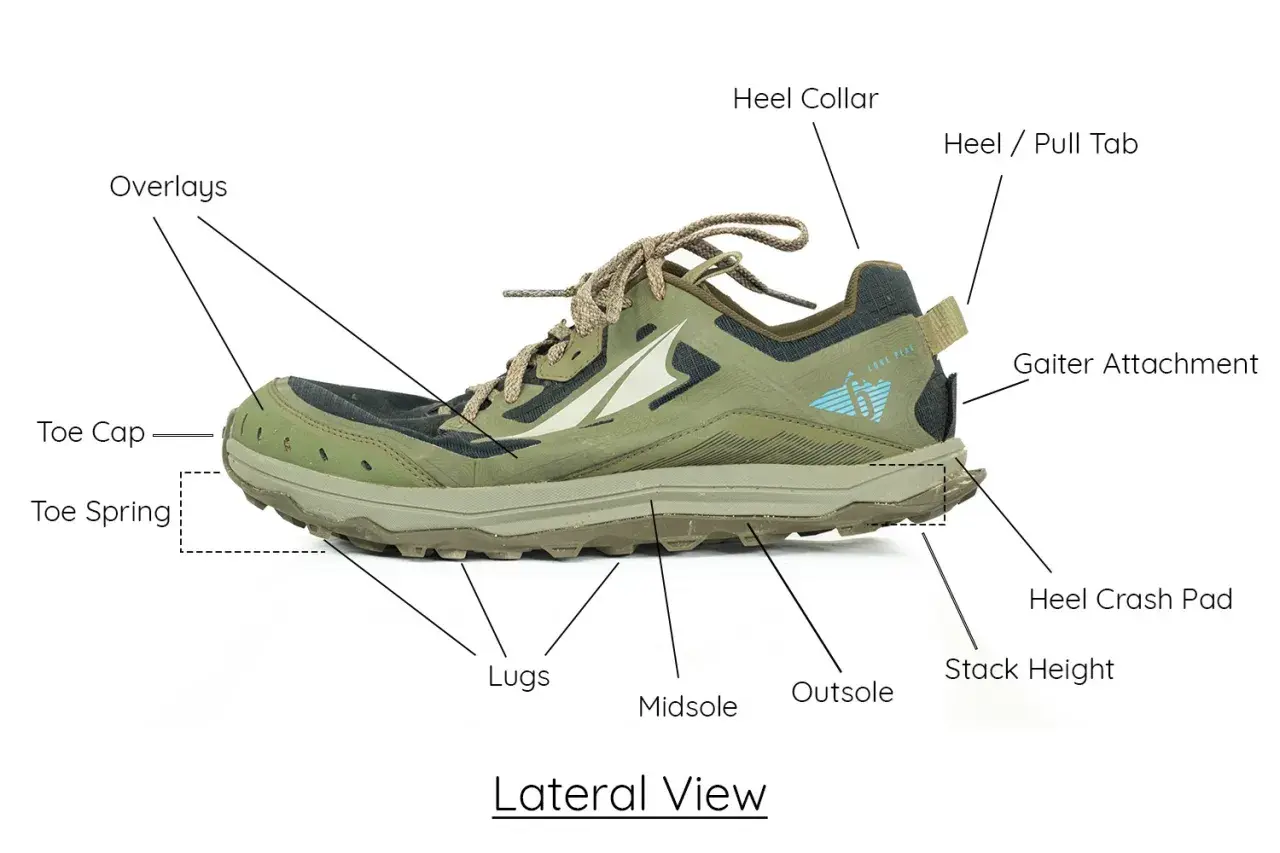
I think of hiking shoes as trail-specific footwear for people who want more control than a trainer gives them, but do not need the height and weight of a boot. Most pairs sit below the ankle, use firmer midsoles and grippier outsoles, and add protection at the toe and sides so your feet are not taking every knock from rocks and roots.
That makes them a strong match for day hikes, well-marked mountain paths, packed dirt, gravel, cobbles, and light scrambling. They are also easy to live with when you move between trail and town, which is one reason they fit European travel so well: one pair can handle a damp coastal path in Asturias in the morning and a stone-lined village in the afternoon.
Their job is not to make hiking feel soft. Their job is to keep you stable, protected, and moving efficiently when the ground stops being predictable. That difference matters more than most buyers expect, and it leads directly to the features worth paying for.
The features that matter most on real trails
The best hiking shoes usually share the same design logic: they trade a little softness for control. I look for five things first.
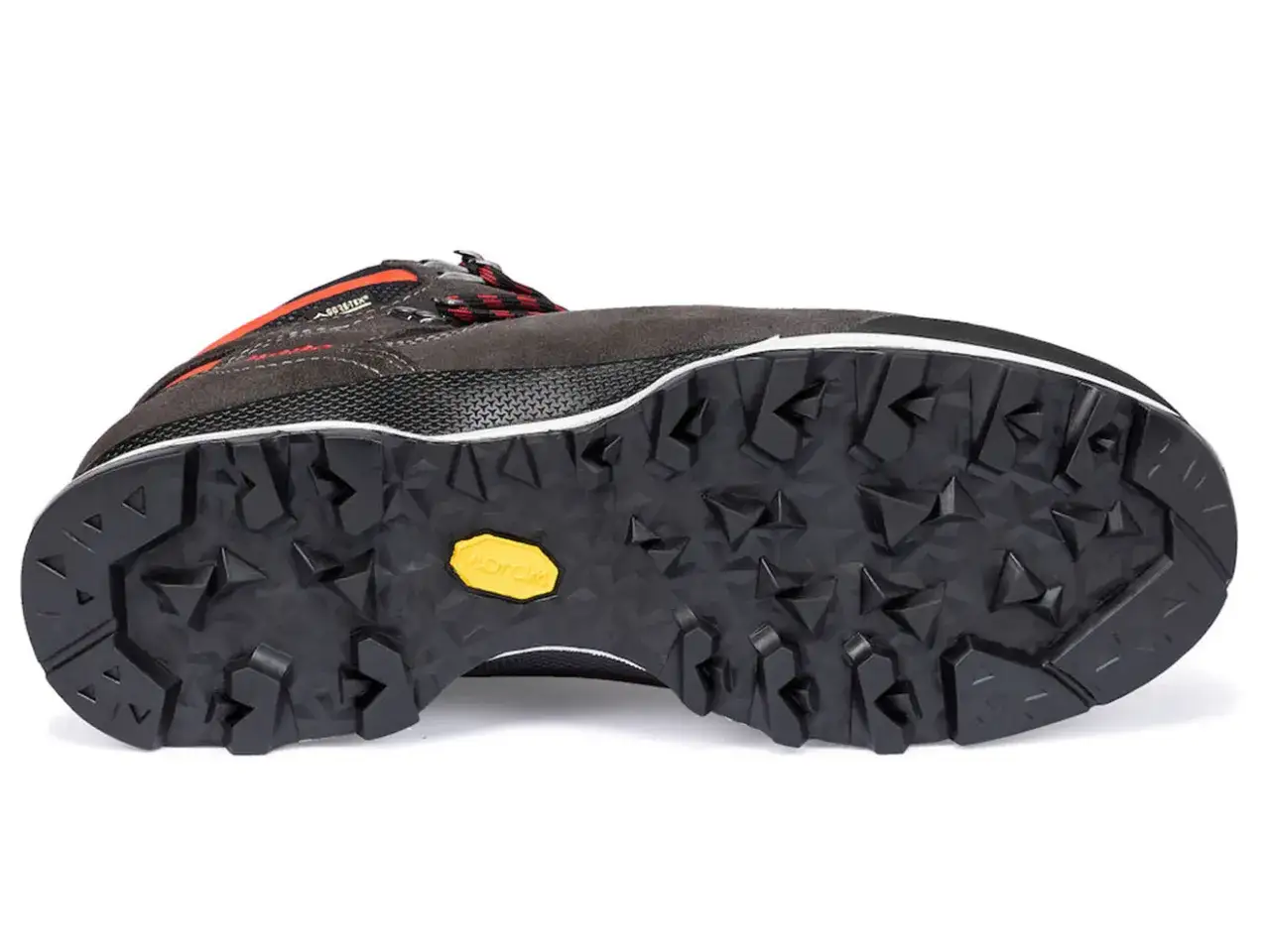
- Outsole traction. The outsole is the rubber bottom of the shoe, and the lugs are the raised patterns that bite into dirt, rock, and loose gravel. Deeper, sharper lugs help on mud and soft ground; a stickier rubber compound often performs better on wet stone.
- Midsole support. The midsole sits between your foot and the outsole and controls how much the shoe flexes. A slightly firmer midsole usually feels better when the trail is uneven because it spreads pressure and reduces foot fatigue.
- Toe and side protection. A reinforced toe cap and tough overlays help when you kick rocks or brush against roots. On rough terrain, that protection is worth more than a plush feel.
- Upper material. Mesh breathes and dries faster; leather and synthetic-leather blends last longer and resist abrasion better. I usually favor lighter uppers for warm-weather hiking and tougher builds for scrambly terrain.
- Weather handling. Waterproof membranes can be useful in wet climates, but they also trap more heat and take longer to dry. In warm or humid conditions, a non-waterproof shoe often feels better after the first hour.
One technical term worth knowing is the rock plate, a thin protective insert that helps shield the foot from sharp stones. Not every hiking shoe has one, and that is fine; it matters most when the route is rocky enough that you keep feeling every point underfoot.
Once those basics make sense, the bigger decision is category: hiking shoe, boot, or trail runner.
Hiking shoes vs boots vs trail runners
This is where a lot of buyers overcomplicate the decision. My rule is simple: choose the lightest category that still protects you well enough for the terrain and pack weight you actually carry.
| Category | Feel | Strengths | Trade-offs | Best for |
|---|---|---|---|---|
| Hiking shoes | Light to medium, stable, usually low-cut | Good grip, decent protection, versatile for trail and travel | Less ankle coverage than boots, less minimal than trail runners | Day hikes, mixed terrain, moderate loads, wet stone, travel use |
| Hiking boots | Heavier and stiffer | More structure, more protection, better under heavier packs | Warmer, slower, more tiring over long days | Backpacking, rough alpine ground, cold weather, heavier loads |
| Trail runners | Lightest and most flexible | Fast, breathable, quick-drying, easy on the legs | Less protection and usually less structure | Fast hiking, dry trails, ultralight trips, speed-focused outings |
If I were choosing for a wet coastal route, a day in the hills, or a trip where I might go straight from trail to town, hiking shoes would usually be my first stop. If I were carrying a heavier pack or crossing rough, broken ground for several days, I would move up to boots. That shift in judgment is less about brand and more about the demands of the route.
That decision gets easier once you match the shoe to the kind of terrain you actually walk.
How to choose a pair for your trail, not just your closet
For most buyers in the U.S. market, a solid pair of hiking shoes usually lands around $100 to $180. Premium waterproof or technical models often sit around $180 to $250. I start to get cautious below that range because very cheap shoes often cut corners on outsole rubber, stitching, or support, and those are the parts that fail first on real trails.
Here is the practical way to think about the choice:
| If you hike mostly... | Prioritize... | What I would avoid |
|---|---|---|
| Smooth park trails and travel walks | Light weight, easy comfort, breathable uppers | Overbuilt shoes that feel stiff from day one |
| Rocky hills and mountain paths | Firm midsole, toe protection, sticky outsole | Soft shoes that fold too easily under pressure |
| Wet or muddy routes | Deep lugs, reliable grip, waterproofing if conditions are cool | Flat, fashion-style soles with shallow traction |
| Long days with a pack | Stability, heel hold, underfoot protection | Ultralight shoes with little structure |
For readers planning scenic routes in places like Asturias, I would pay special attention to wet stone, uneven steps, and quick weather changes. On those surfaces, grip and confidence on descents matter as much as cushioning. A shoe that feels fine on a carpeted store floor can feel insecure the moment the path turns slick or steep.
Once the terrain matches the shoe, the fit has to do its part, because a good category choice can still fail if the size or shape is wrong.
Fit, break-in, and the mistakes that ruin a good pair
A hiking shoe should feel secure without squeezing. I want roughly a thumb’s width in front of the longest toe, a locked-in heel, and enough forefoot room for swelling on long descents and warm afternoons. Try shoes on with the socks you actually hike in, because a thin everyday sock can hide a size problem that shows up after three miles.
These are the checks I care about most:
- Walk downhill if you can. Toe bang on a slope is one of the fastest signs the shoe is too short or the heel hold is too loose.
- Do not assume waterproof means better. On hot, dry, or long-distance routes, extra waterproofing can become a liability.
- Do not overbuy stiffness. A shoe that feels armored in the shop may become annoying on gentler trails.
- Do not skip break-in. Many modern synthetic shoes need only a few short walks, but stiffer leather or leather-heavy pairs may need 20 to 30 miles before they settle.
- Do not ignore foot shape. Wide feet, high insteps, or sensitive heels can change everything; the “best” shoe on paper is useless if it creates hot spots.
The most common mistake I see is buying for the idea of hiking instead of the actual trail. People imagine a mountain trip and end up with a boot they never needed, or they imagine casual walking and end up with a shoe that folds too easily on rough ground. The fix is simple: match the shoe to the worst terrain you realistically expect, not the best one.
Once you do that, the choice becomes much simpler, and the last check is whether the pair earns its place in your pack.
The trail-ready takeaway before you buy
Hiking shoes are for people who want trail-specific grip, protection, and stability without the weight of a boot. They are the practical middle ground for most day hikes, travel days with uneven ground, and moderate routes where a sneaker is too flimsy and a boot is too much.
- Choose hiking shoes for mixed terrain, lighter packs, and frequent all-day walking.
- Choose boots when load, ankle coverage, or harsh terrain matters more than speed.
- Choose trail runners when weight and pace matter most and the route is less punishing.
If a pair feels secure on descents, grips wet ground well enough, and does not punish your feet after a short test walk, it is probably doing its job. That is the standard I use, and it is usually a better guide than branding or trendiness.