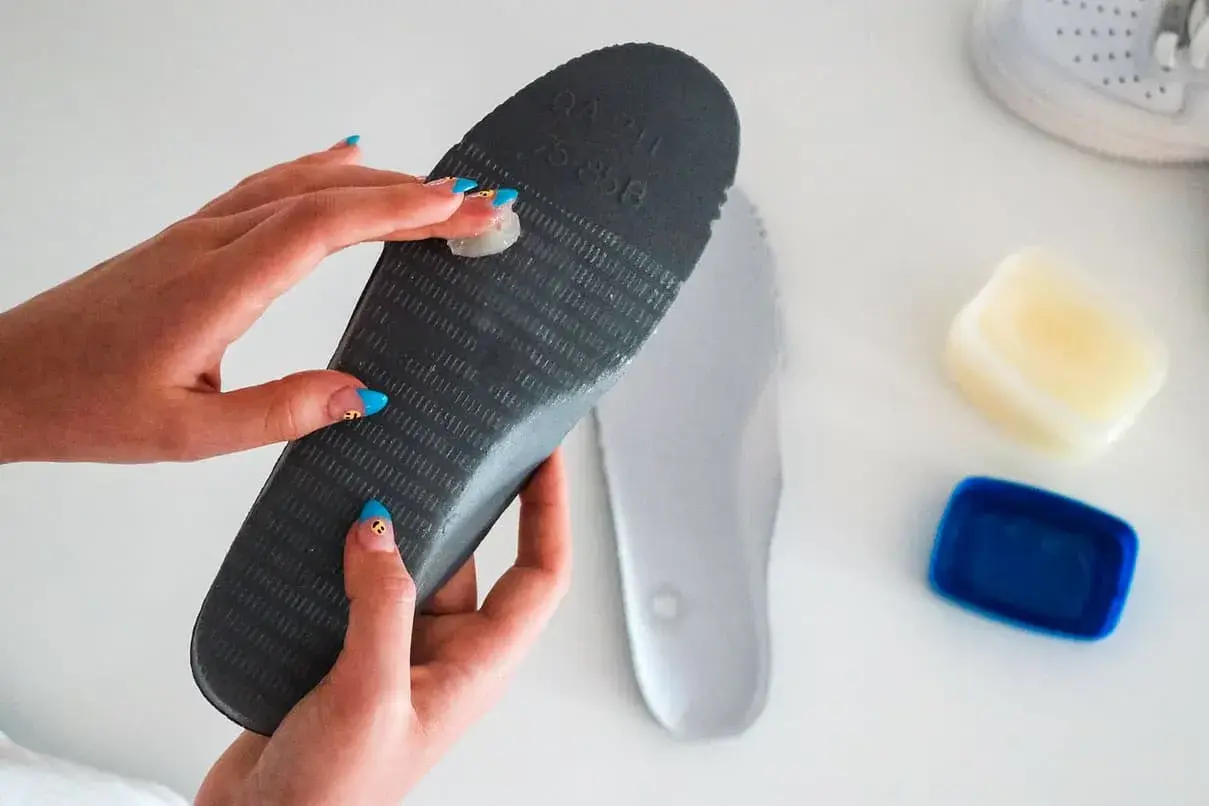
A squeaky pair of slides is usually reacting to moisture, friction, or a poor fit. For hikers, that matters because camp slides, hut sandals, and recovery slides often get wet, dusty, and tired after a long day on the trail. The real answer to how to stop slides from squeaking is usually simpler than people expect: remove moisture, break friction, and make sure the fit is doing its job.
Quiet slides usually need moisture control, cleaner contact points, and a better fit
- Start with drying. Wet foam, sweaty footbeds, and trapped moisture cause more squeaks than most people realize.
- Identify the source. Noise can come from the footbed, the strap hardware, the outsole, or the way your foot moves inside the slide.
- Use light fixes first. Powder, cleaning, and a tiny amount of texture often work better than heavy lubricants.
- Fit matters. If your foot slides around, the shoe will usually sound louder and feel less stable.
- Material changes the solution. EVA foam, leather, cork, and rubber each react differently to moisture and friction.
- Structural damage is a different problem. A separating sole or loose footbed needs repair, not just a quick deodorizing trick.
Why slides squeak in camp and on the trail
When I look at a noisy pair of slide-style footwear, I usually think in four buckets: moisture, friction, break-in, and construction. In hiking settings, moisture is the big one. Sweat, creek spray, wet grass, and shower floors all leave a thin film that makes the foot and footbed stick, then release, with each step.
The sound is often not a true squeak in the classic shoe sense. In many slides, it is a small suction sound, which happens when your foot creates an air seal against a smooth footbed and then breaks that seal as you walk. Brand-new foam can do this. So can a pair that is too soft, too glossy, or too smooth for humid conditions.
I also see noise when a strap, buckle, or insole shifts against the rest of the sandal. That kind of squeak tends to be sharper and more localized. If the sound changes when you tighten the strap or stand on a different surface, you are probably dealing with friction between parts rather than just wet feet. Once you know which of those four problems you have, the fix gets much easier.
The quickest fixes that usually work
I start with the least invasive fix and move up only if the noise survives. That saves time and keeps you from damaging a pair that still has plenty of life left.
- Dry them completely. If the slides got wet, let them air-dry for 12 to 24 hours. If they were soaked, give them 24 to 48 hours. Pull out any removable footbed or liner, if the design allows it, and dry the parts separately. I would avoid direct heat from radiators, hot car interiors, or hair dryers, because foam can warp and glue can fail.
- Clean the footbed and straps. Dirt, sunscreen, sweat, and trail dust create a sticky layer that makes squeaks worse. A quick wash with mild soap and water, followed by a full dry, often changes more than people expect.
- Use a light dusting of powder. Baby powder or cornstarch can help if the noise comes from bare skin sticking to a smooth footbed. Use a thin layer, not a pile. Too much powder turns into paste as soon as moisture returns.
- Test a tiny texture change. If the footbed is very smooth and the slides are made from durable foam, a small test patch with fine sandpaper can break the suction seal. I would use something around 220 grit and stop as soon as the surface is slightly textured. This is a texture tweak, not a sanding project.
- Check the hardware. If the squeak comes from an adjustable strap or buckle, make sure the strap is not rubbing under tension. Sometimes the problem is a buckle sitting at the wrong angle, not the footbed itself.
- Retest on the surface that matters. A pair that squeaks on tile in a hostel may be perfectly quiet on dirt, rock, or wood decking. Before you chase the problem too far, test in the environment where you actually notice it.
I would skip heavy oils and greasy household fixes on hiking slides. They can attract grit, make wet traction worse, and leave the pair messy at the exact moment you want them to stay clean and easy to wear. If the squeak is still there after drying and cleaning, the material itself is probably giving you the clue.
How the fix changes with the material
One reason slide noise gets overcomplicated is that people apply the same fix to very different materials. A one-piece EVA recovery slide does not behave like a cork footbed sandal, and neither behaves like a leather camp slide. Here is the shortcut I use.
| Material or setup | What usually causes the noise | Best first fix | What I would avoid |
|---|---|---|---|
| EVA foam slides | Wet footbeds, suction, or brand-new stiffness | Dry fully, clean the surface, then use a light dusting of powder or a tiny texture test | Heavy oils, aggressive sanding, and heat |
| Leather or cork footbeds | Dryness, rubbing, or stiff seams | Let them dry naturally and, if the leather is actually dried out, use a small amount of conditioner on the correct parts only | Soaking, over-conditioning, and direct heat |
| Rubber outsoles | Floor interaction on polished tile or smooth lodge floors | Check whether the squeak only happens indoors before doing anything else | Grinding away tread that you need for grip |
| Straps and buckles | Hardware or webbing rubbing under tension | Reposition, clean, and tighten only as much as needed | Forcing lubricant into stitching or webbing |
| Loose footbed or separating sole | Parts moving against each other | Repair, warranty claim, or replacement | Relying on powder alone |
If you are dealing with wet EVA after a creek crossing, the useful move is usually drying and texture control. If you are dealing with leather, the issue may be the opposite: the material is too dry and creased. And if the slide is falling apart, no amount of powder will fake a repair. That brings fit and construction into the picture.
Fit problems that turn a quiet slide into a noisy one
Fit is the part people underestimate. A slide can be technically well made and still squeak because the foot is moving too much inside it. In hiking terms, that means extra friction, extra noise, and usually extra blisters if you keep wearing them that way.
Too much room under the foot
If your foot slides forward and back with every step, the footbed keeps breaking contact and rebuilding it. That is where the suction sound lives. A slide should feel relaxed, not sloppy. The foot should sit centered without your toes hanging over the edge or your heel drifting off the back.
Too tight across the instep
A tight strap can creak when the upper twists around a swollen foot. This is common after a long hike, when feet are a little larger than they were at the trailhead. If the sound appears late in the day, give yourself a little more room before you blame the material.
Read Also: Why Are My Tennis Shoes Squeaking? - Easy Fixes!
Barefoot versus thin socks
If the squeak disappears when you wear a thin sock, the issue is usually friction between skin and footbed. That does not mean socks are required; it just tells you where the problem lives. For camp use, a thin sock can be a useful test, but only if the fit still feels secure.
In practice, the quiet pair is usually the one that holds the foot steady without clamping it down. That is why adjustable straps, stable footbeds, and a shape that matches your foot matter more than most marketing language suggests.
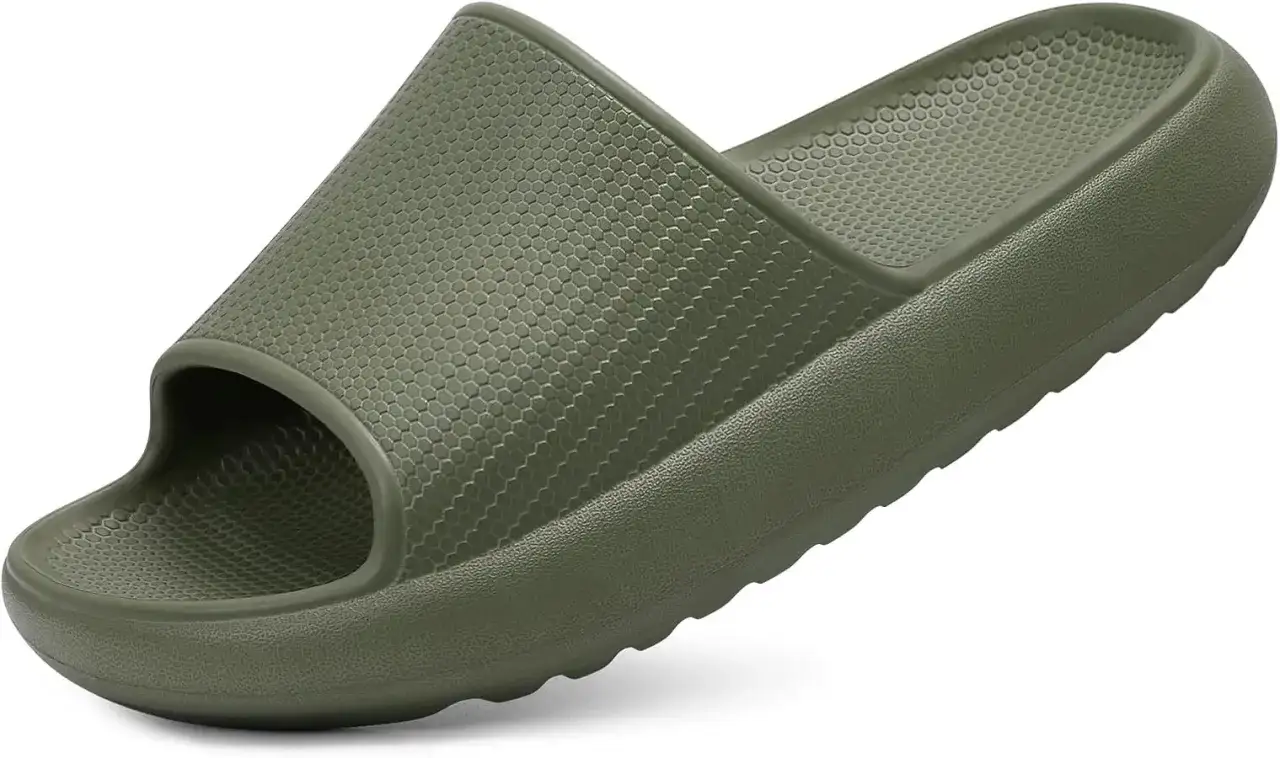
What to look for in a quieter camp slide
If you are shopping for a new pair instead of fixing an old one, I would think less about softness and more about how the shoe controls movement. A very plush slide can feel great for ten minutes and still make noise every time your foot seals against the surface.
| Feature | Why it helps | Trade-off |
|---|---|---|
| Textured footbed | Breaks the air seal that creates suction noise | Can feel slightly less plush underfoot |
| Moderately firm foam | Usually quieter than ultra-soft foam that compresses and releases loudly | May not feel as cushioned at first |
| Quick-drying straps | Helps after creek crossings, rain, or sweaty camp use | Some fast-dry materials look more utilitarian than premium |
| Secure fit with adjustable straps | Reduces foot movement and rubbing | Less of a pure slip-on feel |
| Stable outsole with enough tread | Improves control on wet decks, bathhouse floors, and light campsite terrain | Can add a bit of weight |
In the U.S., I would expect a basic foam slide to run roughly $20 to $45, a better-built recovery or camp slide to land around $50 to $100, and a more structured leather or cork option to sit somewhere around $70 to $150. Those are broad ranges, not fixed rules, but they are useful when you are deciding whether to fix, replace, or upgrade. For trail use, I usually think the quieter choice is not the softest one; it is the one that keeps your foot still and dries fast enough to recover between uses.
When the noise is a warning sign
Some squeaks are just annoying. Others are a sign that the footwear is no longer dependable. I would pay attention if the sound is getting worse over time, if one side is louder than the other, or if the noise comes with visible wear.
- Cracking foam. Once the footbed starts splitting, the sound is often the first hint that the material is failing.
- Peeling glue lines. If the sole or footbed is separating, the squeak may be telling you the bond is weakening.
- Mushy or sticky surfaces. A surface that feels tacky after cleaning and drying may be breaking down chemically.
- Unexpected slipping. If the slide is noisy and also unstable on wet rock or smooth bathroom floors, I would not keep treating it as casual camp gear.
For hiking, that matters more than vanity. A noisy slide on the trail is one thing; a failing slide near a wet deck, shower, or creek crossing is a different problem. If the shoe is separating or the foam is breaking down, repair or replace it. Quiet is nice. Safe is non-negotiable.
The small trail kit I would pack next time
If you want to keep slides quiet on future trips, a little prevention goes a long way. I keep the kit small enough to vanish into a toiletry pouch, because the best gear is the gear you actually carry.
- A small microfiber cloth for wiping off dirt, sunscreen, and moisture.
- A travel packet of baby powder or cornstarch for the occasional friction problem.
- A small piece of fine sandpaper, around 220 grit, wrapped flat so it does not bend or tear.
- A spare pair of thin socks for testing fit or lowering friction at camp.
- A breathable mesh bag so the slides can dry instead of stewing in a closed pack.
My rule is simple: rinse off grit, dry the pair before packing, and do not wait until the noise becomes a habit. Once a slide starts squeaking, it is usually telling you something useful about moisture, movement, or wear. Listen to that signal early, and the fix is usually quick enough to handle before your next mile.