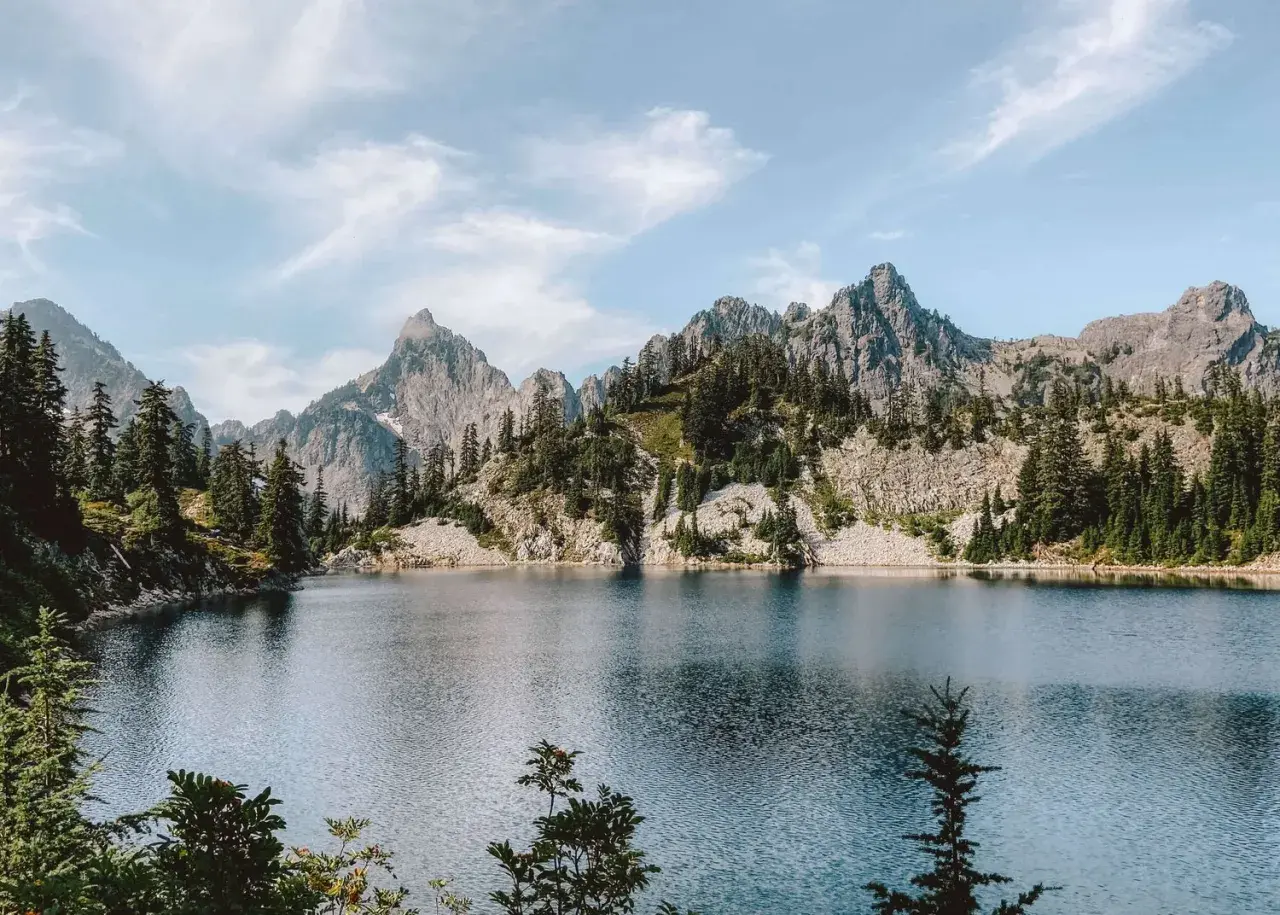
A realistic answer to how long to hike 16 miles depends on terrain, elevation gain, breaks, and your own pacing. On a well-maintained trail, it can be a long but manageable day; on a steep or rough route, it becomes a serious outing that needs real margin. I would treat it as a planning problem, not a simple mileage calculation, because the difference between moving time and elapsed time is where most hikers get caught out.
A 16-mile hike is usually a full-day effort, not a casual outing
- On easy trail, 16 miles often takes about 6 to 8 hours elapsed.
- On mixed terrain, plan for roughly 8 to 10.5 hours.
- Steep, rocky, or route-finding-heavy hikes can push the day to 12 hours or more.
- Elevation gain matters almost as much as distance; 2,000 feet of climb can add about an hour or more.
- If 16 miles is one-way and you must return the same way, you are really planning a 32-mile day.
What a 16-mile hike usually takes
The cleanest way to think about a long hike is to separate moving time from elapsed time. Moving time is the part where you are actually walking; elapsed time includes food stops, route checks, water breaks, photos, gear tweaks, and the slow drift that happens when a trail gets harder than expected.
| Trail type | Typical moving pace | Moving time for 16 miles | Realistic elapsed time |
|---|---|---|---|
| Easy, flat, well-marked | 2.5-3 mph | 5h 20m-6h 24m | 6-8 hours |
| Mixed terrain, moderate grade | 1.75-2.25 mph | 7h 6m-9h 9m | 8-10.5 hours |
| Steep, rocky, or technical | 1-1.5 mph | 10h 40m-16 hours | 12-18 hours |
For most hikers, the middle row is the honest one. A 16-mile day on a pleasant forest trail feels very different from 16 miles of switchbacks, wet rock, loose gravel, or constant short climbs. Once you know the terrain, the next thing I check is elevation gain, because that can change the answer faster than distance alone.
How elevation gain changes the estimate
A useful first-pass rule is Naismith’s Rule: allow about one hour for every 3 miles, then add time for climbing. In practical terms, I treat every 1,000 to 2,000 feet of ascent as a meaningful time penalty, not a small detail. REI uses a similar planning idea in its hiking advice: more gain means more time, even when the mileage looks friendly on paper.
| Total ascent | What it means on trail | What I would plan for |
|---|---|---|
| 0-500 ft | Distance does most of the work | About 5.5-7 hours moving time |
| 1,000 ft | Noticeable, but still manageable | About 6.5-8 hours moving time |
| 2,000 ft | Now the climb is part of the day | About 7-9 hours moving time |
| 4,000 ft | Strong mountain day | About 8.5-11+ hours moving time |
Two things are easy to miss here. First, steep descents can be slow and punishing even though they do not add to ascent on paper. Second, altitude changes the feel of a route quickly; above thin air, even fit hikers tend to settle into a slower rhythm. That is why the same 16 miles can feel like a half-day cruise in one setting and an all-day push in another.
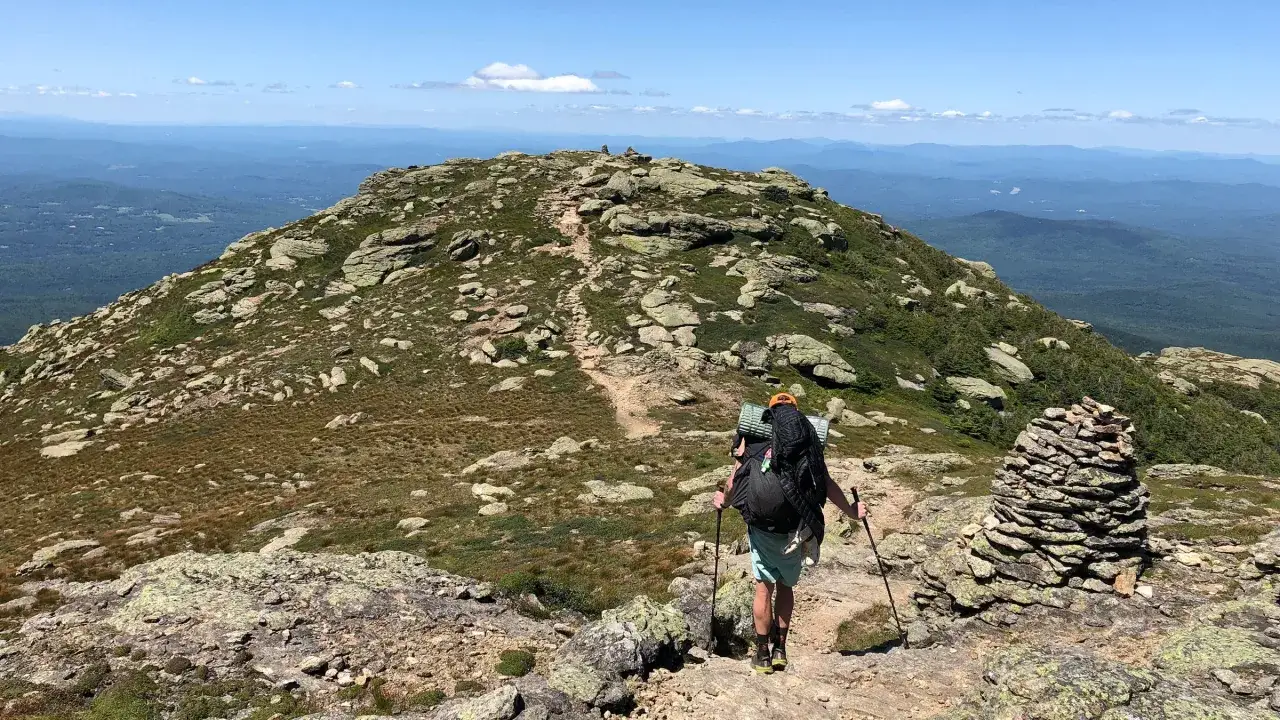
Terrain and weather can slow a 16-mile route more than the map suggests
If I am looking at a scenic route, I do not trust the mileage until I know what kind of ground sits under my boots. Soft sand, mud, roots, talus, snow patches, and stream crossings all steal time in different ways. A coastal path with constant short rises can also feel slower than a woodland trail that looks tougher at first glance, because the rhythm never quite settles.
- Loose rock or scree can turn steady walking into careful foot placement.
- Mud, sand, or snow can make your pace drop without warning.
- Heat and humidity force more rest and more water stops.
- Wind and exposure make exposed ridges feel longer and more draining.
- Poor navigation adds minutes at every junction and can become a real time sink.
- Photo-heavy scenery matters too; if the route is beautiful, people usually stop more.
On easy terrain, a 16-mile trail may still be straightforward. On rough or unfamiliar ground, I would mentally cut my speed before I even start. Once the trail itself is honest, the next thing that changes the clock is not the terrain but the human side of the hike.
Breaks, water and group pace change the clock
The National Park Service gives a simple rule that hikers ignore at their own risk: let the slowest person set the pace, take breaks often, and stay aware of how the day feels, not just how it looks on a map. That advice matters because long hikes are rarely lost in one dramatic mistake; they are usually lost in a thousand small delays. If you can talk comfortably while walking, you are usually near the right effort level.
For planning, I usually budget the day like this:
- 5-10 minutes of rest each hour on an easy hike.
- 10-15 minutes of rest each hour on a harder hike or in hot weather.
- 20-30 minutes for lunch if the hike is going to be more than 7 hours.
- Extra buffer for photos, navigation checks, and bathroom stops.
Pack weight matters too. A light daypack barely changes the math, but a heavier load can slow you down by 10-20% or more, especially on climbs and descents. That is why a route that looks perfectly doable for a fast weekend hiker can feel stubbornly long for a group with mixed fitness or a lot of gear.
How I would plan the day before setting out
When I build a 16-mile plan, I start with the trail profile, not the distance. That means I want the total ascent, the surface type, the likely weather, and the total daylight window before I make any promise to myself or anyone else. A route that is manageable in cool, dry conditions can become a poor choice when heat, storms, or early sunset are part of the picture.
- Check total ascent and descent instead of looking at mileage alone.
- Identify the surface so I know whether the route is smooth, rocky, muddy, or technical.
- Budget breaks up front instead of pretending they will not happen.
- Start early so I am not racing daylight in the final miles.
- Set a turnaround time if the hike is out-and-back or if the route can be shortened safely.
If the route is point-to-point, I also want the logistics settled before I leave the car. Shuttle timing, parking, trail access, and exit options all matter more on a long day than on a short one. A 16-mile route is much easier to enjoy when I know I am not improvising the last part of the plan.
When 16 miles is a good idea and when I would shorten it
Sixteen miles is a solid goal when the trail is well marked, the weather is friendly, and the group is already accustomed to long outings. It is much less forgiving when the day is hot, the path is steep, or you are carrying a full pack. In backpacking terms, 16 miles can be ambitious even for experienced hikers if the route includes significant climb or rough footing.
- Go for it when the trail is smooth, the elevation gain is modest, and you have done similar days before.
- Be cautious when the route is unfamiliar, the descent is steep, or the map includes long sections with poor footing.
- Shorten the plan when daylight is limited, the weather is unstable, or someone in the group is already at the edge of their usual range.
- Expect a slower pace if the hike is more of a scenic stroll than a straight mileage effort.
My rule is simple: if the first half of the hike already feels rushed, the second half will not magically improve. On a good route, 16 miles is a satisfying long day. On the wrong route, it becomes the kind of day that teaches you to respect mileage more than you did before.
The margin I would build into a 16-mile plan
If I had to make one recommendation, it would be this: plan the hike, then add a buffer. For an easy trail, I would add at least 15-20% to my best estimate. For a hilly or unfamiliar route, I would add 25-30% and assume I will be slower than I want to be. That extra room protects the day from small problems that usually become big ones only when you are already tired.
In practice, that means a hike I expect to take 7 hours should be scheduled like an 8- or 9-hour outing. It also means carrying enough water, food, and light to keep the last miles from feeling improvised. When the estimate is honest and the margin is real, a 16-mile hike feels like a strong trip rather than a gamble, and that is the difference I would build my plan around.