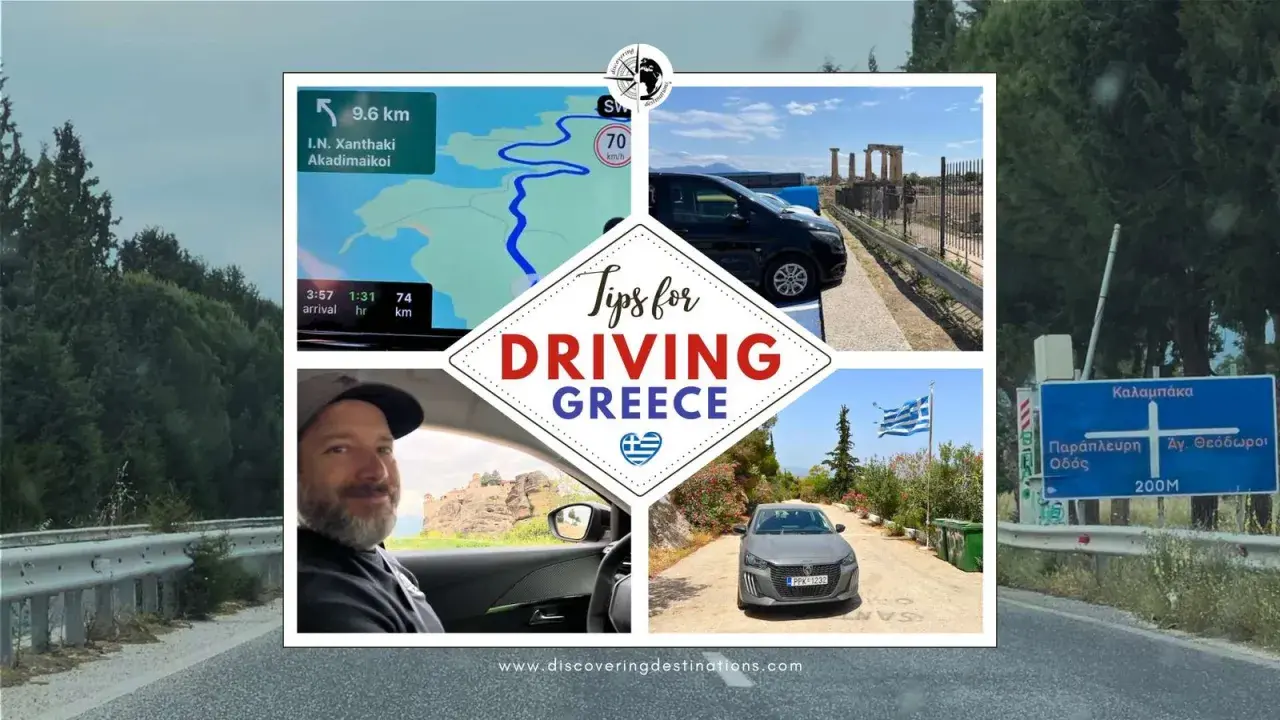
Greece rewards slow travel: coastal roads, mountain villages, hidden beaches, and archaeological sites all become much easier to reach when you have your own car. So, is it easy to drive in Greece? The honest answer is yes in some places and only moderately in others. This guide focuses on the practical side of the decision, including road conditions, traffic habits, tolls, parking, and the situations where I would personally think twice before renting a car.
The practical answer at a glance
- Main highways are usually straightforward, with good surfaces and clear signage.
- City driving is the hardest part, especially in Athens and other busy centers where parking is limited.
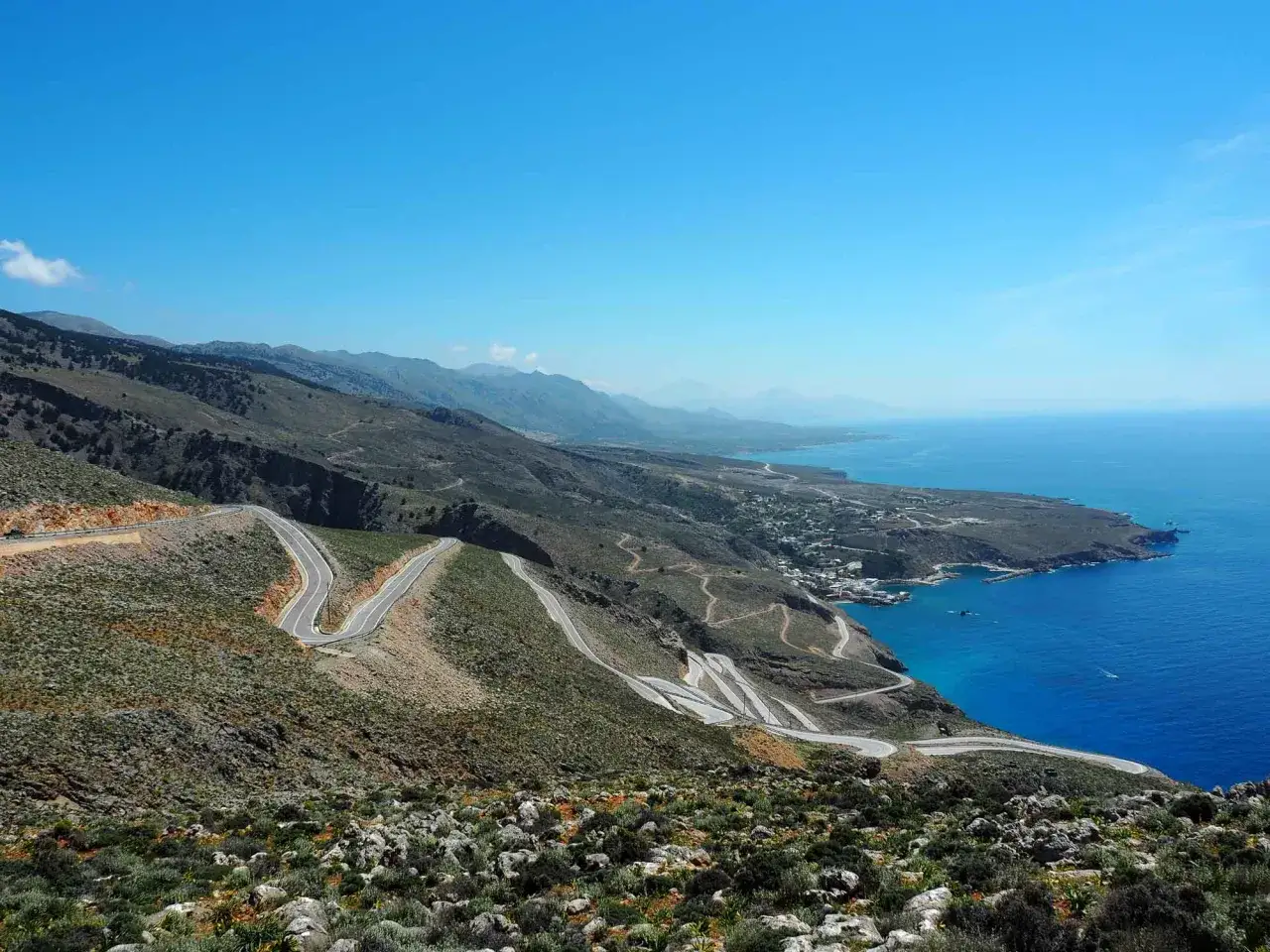
- Islands and mountain roads can be narrow and winding, so they demand more patience than motorways.
- Tolls are common on major routes, and it helps to keep some euros handy.
- Driving on the right and using kilometres are the main adjustments for visitors from the US.
- A compact car is usually the smartest choice for a first Greek road trip.
Where driving feels easy and where it gets harder
The simplest way to judge the road experience is by setting. On the main motorways, Greece is fairly comfortable to drive in. Once you move into city centers, island lanes, or mountain villages, the experience changes quickly. I would not call the whole country difficult, but I also would not treat every route as if it were a modern European freeway.
| Setting | How it feels | What changes the experience | My take |
|---|---|---|---|
| Main motorways | Easy | Good pavement, clear lane structure, and bilingual road signs on major routes | Best place for first-time drivers to build confidence |
| Athens and other city centers | Harder | Traffic density, narrow streets, one-way patterns, and limited parking | Drive in only if you truly need the car there |
| Islands | Mixed | Narrow roads, scooters, blind bends, and seasonal traffic | Great for scenic trips, but better with a small car and a relaxed schedule |
| Mountain and rural roads | Challenging | Hairpin turns, uneven edges, poor lighting, and less forgiving visibility | Doable, but I would plan these drives for daylight only |
The important point is that the road network is not uniformly stressful. If your itinerary stays close to the main arteries, driving is usually manageable. If your route depends on remote coves, steep villages, or late ferry arrivals, the margin for error gets much smaller. That difference is why road rules and local habits matter next.
The rules and road habits that catch visitors off guard
Once you understand the road environment, the next step is learning the small details that change how relaxed the drive feels. Greece drives on the right side of the road, and overtaking is on the left. Speed limits are posted in kilometres per hour, not miles, which matters more than people expect when they are scanning signs quickly.
- Built-up areas: typically 50 km/h unless a sign says otherwise.
- Outside built-up areas: generally 90 km/h to 110 km/h depending on the road.
- Motorways: usually 130 km/h unless local signs lower the limit.
- Priority rules: in many situations, traffic from the right has priority unless signs indicate something different.
- Alcohol limit: the general limit is 0.05%, so the safest travel habit is simple: if you are planning a proper glass of wine, do not drive afterward.
- Emergency number: 112 works as the general emergency line.
Two more details help a lot in real life. First, major roads are easier to read than they look on a map because key routes are signed in both Greek and English. Second, local driving style can feel brisk, especially when people are accustomed to faster merges or smaller gaps than visitors are used to. I find that the trick is not aggression; it is predictability. Keep your lane, signal early, and avoid sudden decisions.
That takes care of the road rules themselves. The part that often surprises travelers next is not the driving, but the practical cost of moving around.
The costs and logistics that shape the trip
In Greece, the biggest hidden friction is rarely fuel. It is the combination of tolls, parking, and the time you lose if you underestimate the route. Motorway tolls are common, especially on major corridors, and the fee is usually only a few euros per segment. Still, the total can add up over a road trip, so I would treat tolls as part of the trip budget rather than an occasional nuisance.
| Logistics item | What to expect | Practical move |
|---|---|---|
| Tolls | Common on major highways, bridges, and some tunnels | Keep euros in the car because card acceptance is not universal at every booth |
| Parking | Limited in busy cities, with stricter rules than many visitors expect | Use paid lots instead of hoping for curbside parking |
| Fuel stops | Service areas are less frequent than on some northern European roads | Refuel in towns before long rural or island drives |
| Rental car size | Big cars are awkward on narrow streets and in village parking | Choose the smallest practical car, especially if you are traveling light |
Parking deserves special mention because it is often the thing that changes a relaxed drive into a frustrating one. In major cities, on-street parking can be scarce, and local restrictions are worth taking seriously. I would not plan a city-center itinerary around “finding a spot later.” If Athens or Thessaloniki is on your route, I would park once and then switch to walking or public transport.
Once those logistics are clear, the smartest way to plan the actual road trip becomes much easier to see.
How I would plan a first Greek road trip
If I were building a first-time itinerary for Greece, I would keep it simple and avoid overloading the drive days. The country is at its best when the car helps you connect places, not when it becomes the main event.
- Choose a compact car if you can. It is easier to park, easier to maneuver on island roads, and less stressful in villages with tight corners.
- Book the transmission you actually want. If you need an automatic, reserve early rather than hoping for an upgrade on arrival.
- Plan city days and driving days separately. I would not combine a heavy urban day with a long late-night transfer unless I had no alternative.
- Build daylight into scenic routes. Mountain roads, coastal bends, and unfamiliar village approaches are all much easier when visibility is good.
- Keep an offline map ready. Mobile coverage is usually fine in populated areas, but I never rely on live navigation alone in remote stretches.
- Leave time for ferries and parking. Both are the kind of “small” delays that can quietly wreck a relaxed travel day.
There is also one planning choice I would not skip: confirm the licence and rental requirements before departure. For a traveler from the US, this is usually an administrative check rather than a road skill issue, but it is worth doing in writing so there are no surprises at the desk. That kind of preparation is what makes the difference between a smooth trip and a long argument at pickup.
When I would leave the car behind
I would not recommend driving for every kind of Greece trip. If your stay is mostly in central Athens, the car can become more of a burden than a benefit. The same is true if your island plan involves constant ferry hopping, very short stays, or routes that depend on tiny lanes and awkward parking every single day.- Choose a car if you are exploring the Peloponnese, the mainland coast, Crete beyond the busiest city zones, or a mix of beaches and inland villages.
- Skip the car if you are staying in one walkable city area and will mostly use taxis or transit.
- Mix car and transit if your trip starts in Athens and then moves to a quieter region where driving becomes an asset.
My honest verdict is that driving in Greece is very doable and often the best way to reach the most scenic places, but it is easiest when you respect the country’s real friction points: city parking, narrow local roads, tolls, and route timing. If you plan around those instead of pretending they do not matter, the car usually becomes a trip advantage rather than a trip problem.