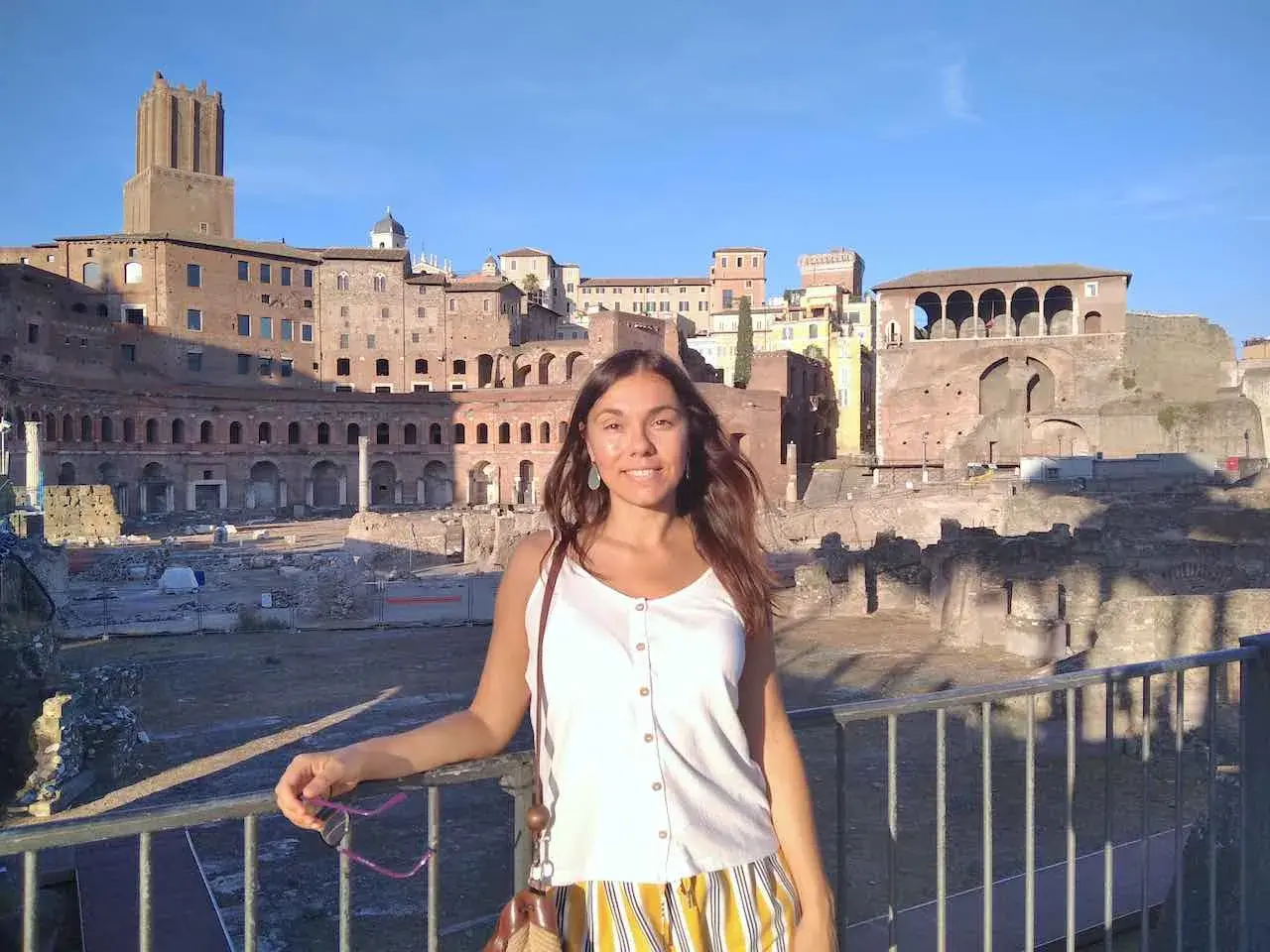
Rome is one of Europe’s easiest big cities to enjoy, but it pays to treat it like a busy capital rather than a museum set. The main safety issue is petty theft, not violent crime, so the useful question is less whether to go and more how to move through the city with calm habits. This guide breaks down the real risk level, the places where caution matters most, and the planning choices that make a Rome trip feel smooth instead of stressful.
The safest way to read Rome is as a busy city, not a dangerous one
- Rome is generally safe for tourists, especially in central, active areas.
- The main problem is pickpocketing on the metro, buses, train stations, and crowded sights.
- Violent crime is rare enough that most visitors never encounter it.
- Night visits are fine on lit, busy streets, but empty shortcuts are a bad trade.
- Official taxis, validated transit tickets, and a charged phone do more for safety than panic ever will.
Is Rome safe for tourists?
Yes, for most travelers it is. The U.S. State Department currently keeps Italy at Level 2, which means increased caution rather than avoidance, and that matches the way Rome actually feels on the ground: lively, crowded, and mostly routine if you stay alert. The city’s real risk is opportunistic theft, especially when people are tired, distracted, or juggling bags and phones.
I would not put Rome in the category of destinations that demand constant worry. I would put it in the category of cities where you travel well when you understand the pattern: busy places are fine, but busy places are also where hands disappear into backpacks and phones vanish from open pockets. That is why the rest of the trip is mostly about paying attention to the right moments, not changing your plans altogether.
| Situation | What it means in Rome | My approach |
|---|---|---|
| Daytime in central districts | Usually comfortable and straightforward | Walk normally, stay aware, and enjoy the city |
| Metro, buses, and rail hubs | Higher pickpocket risk because crowds compress attention | Keep bags zipped and in front, and avoid phone drift near doors |
| Major attractions and queue lines | Easy place for distraction-based theft | Stop aside before checking maps or taking out your wallet |
| Late-night empty streets | Less forgiving if you make a wrong turn or feel isolated | Use lit routes and skip shortcuts that save only a few minutes |
| Protests and large events | Usually more of a disruption than a direct threat | Reroute early if the area looks crowded or blocked |
Once you know that baseline, the real question becomes where the city asks for the most attention.
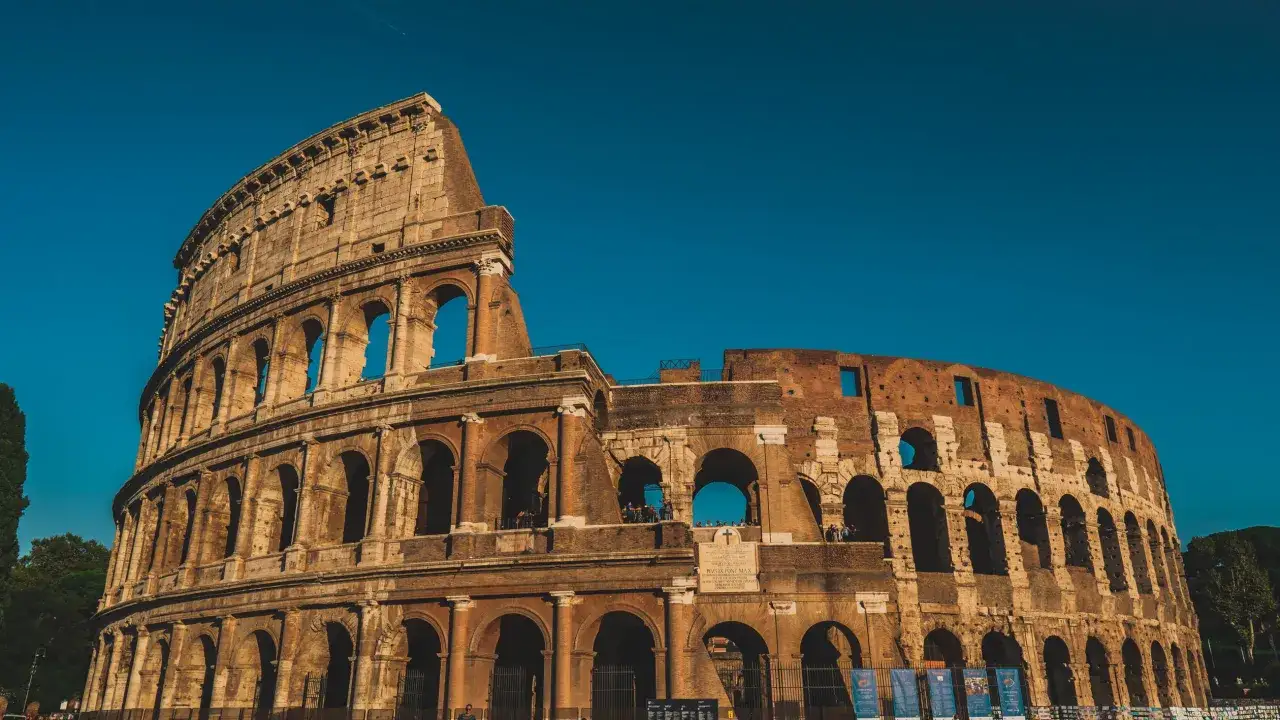
Where caution matters most in Rome
The moments that deserve the most attention are not mysterious. They are the ones where people are moving fast, looking down, or carrying more than usual. That is why I care most about the first and last miles of a Rome day: airport transfers, rail stations, the metro, and the walk between a landmark and the next thing on your list.
| Place or moment | Why it matters | What I do |
|---|---|---|
| Termini station and other rail hubs | Crowds, luggage, and hurry create easy cover for theft | I keep my bag closed and my route ready before I enter the crowd |
| Metro cars and bus doors | Boarding and exiting split attention in a second | I stand away from the doors and keep my phone away until I am seated or clear |
| Landmarks such as the Colosseum, Trevi Fountain, and the Vatican approaches | Photos, maps, and queues make people less aware of what their hands are doing | I pause off to the side before opening a map or wallet |
| Airport arrivals and taxi ranks | Jet lag and luggage make people easy to rush or overpay | I prebook the first transfer or use an official taxi setup |
| ATMs and ticket machines | These are common places for skimming, distraction, and small mistakes | I use bank-linked machines and stay off my phone until the cash is put away |
The pattern is simple: when the crowd compresses, your attention drops, and theft gets easier. That leads directly to the bigger trap for visitors, which is not violence but distraction.
The scams and mistakes I would expect travelers to make
Most problems in Rome are boring in the worst possible way. They happen because someone is rushed, tired, or too trusting at the wrong moment. The good news is that these are the easiest problems to prevent once you know what they look like.
- Open pockets and loose bags are still the fastest way to lose a phone or wallet. A zipped crossbody bag beats a backpack hanging off one shoulder.
- Stopping in the middle of a sidewalk to check directions is an invitation to distraction. Step into a doorway, a shop front, or the edge of a square first.
- Unmetered or unofficial rides are where travelers usually overpay. I prefer a clear, official setup over negotiating with someone who found me first.
- Counterfeit goods are not harmless souvenirs. Italy can fine or detain people for buying them, so I do not treat that market as an easy bargain.
- Loose bags on the curb side deserve respect. A scooter snatch is not the most common scenario, but it is one of the few that can turn a normal walk into a real headache.
If I had to reduce all of that to one rule, it would be this: never let a stranger, a vehicle, or a crowd decide where your hands and attention go. Once that becomes automatic, the city feels much more manageable. The next question is whether Rome still feels comfortable after dark.
How Rome feels after dark
Rome at night is usually more about judgment than danger. The central areas stay active, and that is a real advantage because well-used streets tend to feel easier to navigate than empty ones. What changes after dark is not that the city suddenly becomes unsafe; it is that bad route choices become more obvious, and mistakes take longer to fix.
I would be most cautious when I am tired, carrying luggage, or trying to save a few euros on the last leg home. That is when a longer walk, a quieter shortcut, or a vague ride option starts to look smarter than it is. If I arrive late, I would rather pay a little more for a clean transfer than gamble on improvising through an unfamiliar neighborhood.
For solo travelers, the best move is simple: stay on routes that still have people on them, share your arrival details with someone at home, and keep your phone charged enough that you are never stranded by a dead battery. For women traveling alone, Rome usually feels like other major European cities: the main issues are attention, transport timing, and unwanted hassle around nightlife, not a constant sense of threat. Families tend to do well here because the city is easy to break into short, manageable pieces.
That balance is what makes Rome work for so many travelers: a city can feel lively at night and still be a good trip if you make a few careful choices. With that in mind, the safest itinerary is mostly a matter of planning, not restriction.
How I would plan a safer Rome itinerary
I like Rome most when the first decisions remove the friction from the rest of the trip. That means I am thinking about arrival time, accommodation location, and transport before I am thinking about museums or restaurants. A little planning here pays off fast.
- Choose a base that reduces late walks. If your hotel or apartment is close to a metro stop, a major bus line, or the historic core, you will spend less energy on logistics and less time wandering with luggage.
- Prebook the first airport transfer if you arrive late. The first hour in a city is when people make rushed decisions. I would rather have a fixed plan than negotiate transport while tired.
- Carry less than you think you need. A daily wallet, one card, a small amount of cash, and a phone in a zipped pocket are enough for most days. Everything else can stay in the hotel safe.
- Know how the transit system works before you board. Buy tickets through the proper channels, validate them before boarding when required, and do not assume every bus or tram works the same way.
- Use bank ATMs and keep an eye on statements. That is a simple habit, but it reduces the chances of skimming or delayed fraud becoming a trip-end surprise.
- Keep 112 in your phone. That is the emergency number in Italy, and it is worth saving before you leave the airport.
- Register with STEP and keep travel insurance in place. Neither one makes you invincible, but both matter if plans change, bags disappear, or you need help quickly.
I also pay attention to the 90-day Schengen limit for U.S. travelers, because a trip that is safe but poorly planned is still a bad trip. Safety and logistics are part of the same job when you are crossing the Atlantic.
The practical bottom line for your Rome trip
My bottom line is simple: Rome is safe enough for most travelers to enjoy confidently, and busy enough that you should not drift through it on autopilot. If you handle your phone, wallet, and transport plan the way you would in any major city, the trip usually feels smooth rather than stressful.
If I were planning a Rome itinerary today, I would focus less on fear and more on friction points. I would choose a hotel that cuts down on after-dark walking, arrive with my first transfer already sorted, and keep my daily routine tight in crowded places. That approach does more for safety than overthinking ever will, and it leaves the city free to do what it does best: reward slow walks, long meals, and unhurried sightseeing.