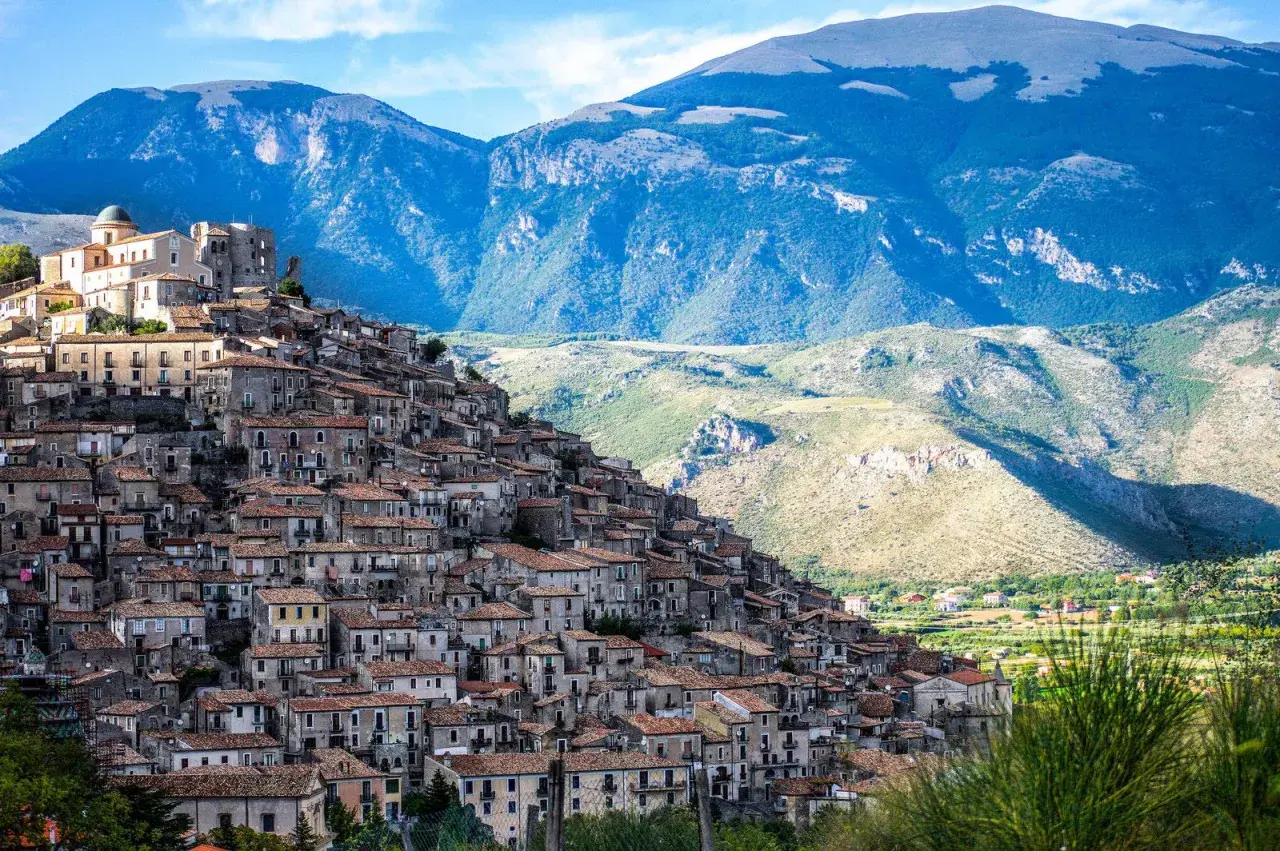
Calabria works best when you plan it by coast, village, and landscape instead of trying to tick off the whole region in one pass. The short answer to where to visit in Calabria is that you should start on the Tyrrhenian coast, add one inland mountain area, and leave room for at least one historic town that shows the region is more than beaches. That approach gives you the strongest scenery without wasting time on long, inefficient transfers.
The best first trip through Calabria mixes one beach coast, one historic town, and one mountain base
- Tropea and Capo Vaticano are the clearest first picks if you want dramatic sea views and classic beach time.
- Scilla, Pizzo, and Reggio Calabria add atmosphere, food, and culture without making the trip feel overloaded.
- Soverato, Crotone, Locri, Gerace, and Stilo show the quieter Ionian side and the region’s Magna Graecia heritage.
- Sila is the easiest mountain area to build into a trip; Aspromonte feels wilder and more vertical.
- A car gives you the most useful version of Calabria, especially if you want to combine coast, villages, and parks.
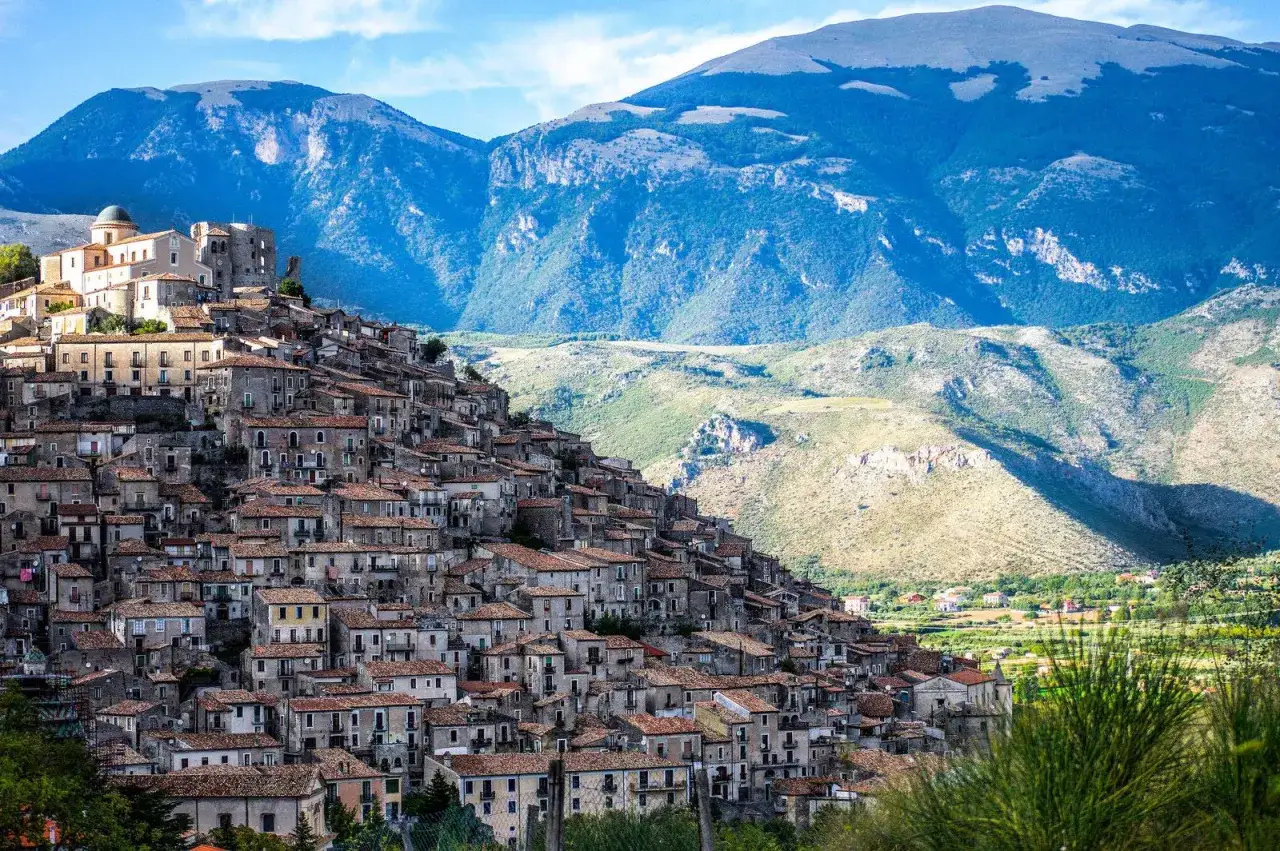
The Tyrrhenian coast gives you the classic Calabria most visitors picture
Whenever I plan a first Calabria itinerary, this is where I start. The Tyrrhenian side gives you the region’s most photogenic shoreline, but it also gives you towns that are easy to understand at street level, which matters if you do not want a trip that feels like one long transfer day.
Tropea and Capo Vaticano
Tropea is the simplest answer if you want one base that immediately feels like a holiday. The town is compact, the views are dramatic, and the beach access is straightforward enough that you can spend less time moving around and more time actually enjoying the coast. Capo Vaticano works best as a day-trip extension from Tropea, because it is strongest for coves, swimming, and lookout points rather than for nightlife or a dense town center.
I would not overcomplicate this part of the trip. If the goal is sea, views, and easy dinners, Tropea is still the most efficient place to land, and Capo Vaticano adds the scenery without adding planning stress.
Scilla and Chianalea
Scilla is the place I recommend when the traveler wants atmosphere as much as beach time. Chianalea, the old fishing quarter, feels more intimate than a standard resort strip, and the setting on the Strait of Messina gives the town a strong sense of place. It is a better fit for a slower stay than for a packed itinerary, because the appeal here is walking, eating, and looking out over the water.
If you only have one or two nights on this stretch, Scilla is one of the few places in Calabria where that short stay still feels satisfying rather than rushed.
Pizzo and the coast around it
Pizzo is useful if you want a coastal stop that feels a little more local and a little less obvious. It is known for the castle, the old center, and the kind of food stop that makes a road trip feel complete, especially if you want a Tartufo gelato break before moving on. I usually treat Pizzo as a smart half-day or one-night stop rather than a long base, unless your trip is built around the Gulf of Saint Eufemia.
That is the pattern with much of this coast: a few places deserve real time, while others are best used to break up the drive in a way that still feels intentional.
Praia a Mare and San Nicola Arcella
This northern stretch gives you a slightly different mood. The sea is still the draw, but the coastline feels rougher and more spacious, and San Nicola Arcella is especially good if you want a mix of beach and cliff scenery. Praia a Mare and the Arcomagno area are best for travelers who like the idea of a more active coast, where you can build in viewpoints, walks, and short excursions instead of staying fixed on one beach.
Once you move east from here, Calabria becomes less about the obvious postcard coast and more about quieter shores and older settlement patterns, which is where the trip gets more interesting.
The Ionian side is where beaches meet Magna Graecia
The Ionian coast does not always get the first look, but I think that is a mistake for anyone who wants depth as well as sea. The beaches are often calmer, the light is different, and the archaeological layer is stronger, especially if you care about Calabria’s Greek past.
Soverato and the Catanzaro coast
Soverato is a practical beach base. It is easy to use, the waterfront is relaxed, and the water is usually the main event. If you are traveling with family or you simply want a lower-friction holiday, this side of Calabria works because it does not ask you to solve too many logistics to have a good day.
I would pick Soverato when the trip needs comfort and simplicity more than drama. It is not the most spectacular stop in the region, but it is one of the easiest places to enjoy without constantly checking maps.
Crotone and Capo Colonna
Crotone is where the region’s ancient side becomes impossible to ignore. The city has genuine Magna Graecia roots, and Capo Colonna, a few kilometres away, gives you one of the most important archaeological landscapes in Calabria. This is not a stop for travelers who want only swimming and aperitivo; it is for people who want the coastline to tell a longer story.
That balance is what makes Crotone valuable. You can still use it as a base for the sea, but the headland and archaeological park give the trip a historical anchor that many beach towns simply do not have.
Locri, Gerace, and Stilo
If I had to choose one east-side combination for a traveler who likes both culture and scenery, I would choose these three. Locri’s archaeological area is extensive enough to justify a proper visit, Gerace is one of the most rewarding hill towns in the region, and Stilo adds a distinct Byzantine character that helps Calabria feel layered rather than uniform. Stilo’s Cattolica is the kind of monument that makes the inland detour worth it on its own.
This is also where the trip starts to feel more personal. The Ionian side rewards travelers who want to go a step beyond the obvious beach list and actually understand how the region has been inhabited for centuries.
The mountains are not a side trip here, they are part of the answer
Calabria’s interior changes the trip in a useful way. It cools the pace, opens up hiking and lake time, and gives you a cleaner sense of the region’s geography than any single coastal town can do on its own.
Sila for the easiest all-round mountain base
Sila is the mountain area I would recommend first. The park covers 180,000 acres, so it has enough scale for real outdoor time, but it is still manageable for travelers who want a gentle version of the mountains rather than a technical adventure. Lakes, forests, cycling, and cooler summer temperatures make it the best inland contrast to the coast.
If you are visiting Calabria in warm weather, Sila is the place that can rescue the trip from feeling too beach-heavy.
Pollino for wilderness and space
Pollino is the biggest protected-area option and the best pick if your taste runs toward larger landscapes and quieter roads. I would not use it as a quick drive-by stop, because the value here comes from slow movement, scenic pauses, and a sense of distance that the coast cannot provide. It is the most convincing choice when you want hiking or rafting to be part of the trip rather than a one-off activity.
Pollino asks for time, but it gives back a more remote and less packaged version of Calabria.
Aspromonte for steep scenery and village character
Aspromonte is the wild card. It rises from the sea to almost 2,000 meters, so the change in altitude is dramatic, and that contrast is exactly why I think it deserves a place on a serious itinerary. The trade-off is straightforward: roads are slower, connections are less convenient, and you have to accept that this is a landscape for patient travelers rather than for people trying to cover ground quickly.
When the coast and the mountains sit that close together, the question stops being whether to visit the parks and becomes which one fits the rest of your trip.
Pick one base and let the rest of the route work around it
I would avoid changing hotels every night unless the trip is very short. Calabria is one of those places where a good base matters more than a perfect list of stops, because the region rewards depth and punishes unnecessary backtracking.
| Base | Best for | Ideal stay | Trade-off |
|---|---|---|---|
| Tropea | First-time beach trips, easy day trips to Capo Vaticano | 3 to 4 nights | Busy in peak summer and more expensive than smaller towns |
| Scilla | Scenic short stays, food, and a strong coastal atmosphere | 1 to 2 nights | Better for wandering than for a broad beach holiday |
| Reggio Calabria | Museums, the Strait, and arrival or departure convenience | 1 to 2 nights | More urban than the classic holiday towns |
| Soverato | Relaxed Ionian beaches and an easy pace | 2 to 3 nights | Less dramatic than the west coast highlights |
| Cosenza or the Sila area | Culture plus mountain access | 2 nights | Not a beach base, so it works best as part of a mixed trip |
| Crotone | Archaeology and the Ionian coast | 1 to 2 nights | Best for travelers who care about history as much as sea |
For a first trip, I would usually combine Tropea with either Reggio Calabria or a Sila base. That gives you one unmistakable coastline and one inland counterpoint, which is a far better use of time than trying to collect five different beaches in a row.
A realistic Calabria route for four to seven days
Route planning matters here because the region looks smaller on a map than it feels once you start adding hills, coast roads, and village detours. The good news is that a compact itinerary can still feel complete if you choose the right anchors.
A four day trip
- Days 1 and 2: Tropea and Capo Vaticano for the clearest coastal introduction.
- Day 3: Scilla and Chianalea for atmosphere, seafood, and Strait of Messina views.
- Day 4: Reggio Calabria for the promenade, museum time, and an easy finish.
Read Also: Matera Travel Guide - What to Do in Matera, Italy
A seven day trip
- Days 1 and 2: Tropea and the Costa degli Dei.
- Day 3: Pizzo or Bagnara Calabra as a slower coastal stop.
- Day 4: Scilla and Reggio Calabria.
- Day 5: Gerace or Stilo on the Ionian side.
- Days 6 and 7: Sila for lakes, forests, and a proper reset before heading home.
That is the rhythm I would aim for. It gives you variety without forcing the trip into a checklist, and it leaves enough margin for meals, beach time, and the unplanned stops that often become the best part of Calabria.
Timing and transport make a bigger difference than most people expect
Seasonality matters more here than in many Italian regions because Calabria changes character fast between coast and mountain. Late spring, June, September, and early October are the easiest months for most travelers, while July and August bring the highest heat, the most traffic, and the most crowded beach towns.
- Choose May or June if you want long daylight, warm weather, and easier parking.
- Choose September if you want warm sea temperatures with a less chaotic feel.
- Choose the mountain parks in summer if you want relief from coastal heat.
- Expect slower driving than the map suggests, especially on mountain roads and in coastal towns with limited parking.
- Use a car if you want to connect coast, villages, and parks in one trip; trains and buses are better between major centers than for flexible sightseeing.
If I had to reduce all of Calabria to one travel rule, it would be this: go slower than you think you need to. The region is more rewarding when you leave space for detours, viewpoints, and meals that are not built around a timetable.
The Calabria trip I would build first
For most travelers, the simplest answer to where to visit in Calabria is to combine Tropea, Scilla, one east-side historic stop, and one mountain area. That gives you the coast, the Strait, the archaeological layer, and the inland landscape in a way that feels balanced rather than random.
If I were planning the first trip from scratch, I would choose Tropea as the main base, add Scilla for atmosphere, use Gerace or Stilo for the historic contrast, and finish in Sila if I wanted the trip to feel genuinely complete. That combination captures the best of Calabria without asking you to pretend the region can be done well in a single rushed loop.