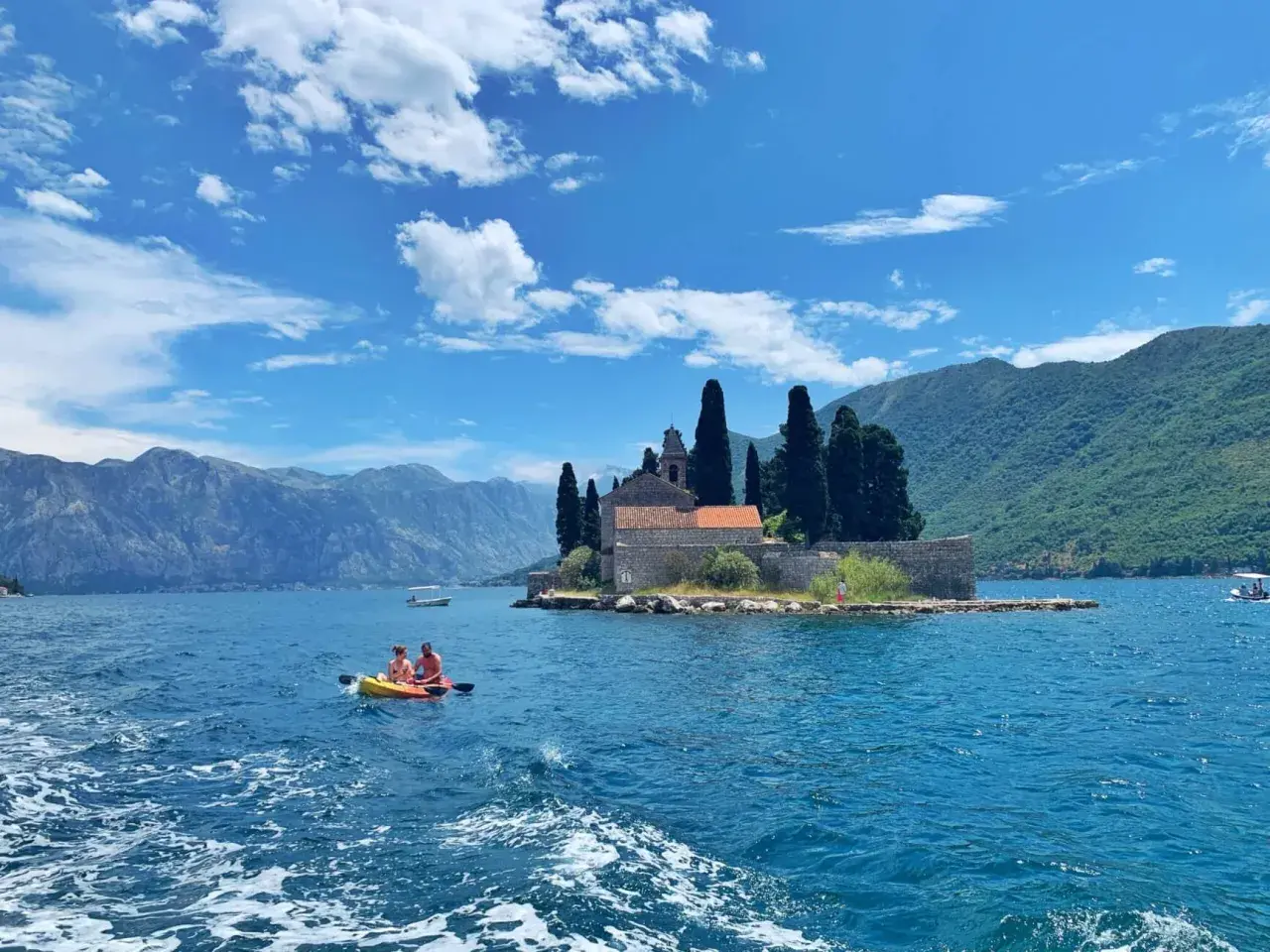
Montenegro works best as a trip of contrasts: a calm bay in the morning, a mountain pass by afternoon, and a different pace again the next day. This guide shows how I would structure a realistic Montenegro itinerary, when to go, how to move around, what to budget, and which trade-offs matter most if you want the trip to feel smooth rather than rushed.
The planning choices that make a Montenegro trip work
- May to October is the most flexible travel window, with late spring and early fall usually giving the best balance of weather and crowds.
- Split your time between the coast and the interior; Montenegro’s scenery changes too much to stay in one lane.
- A car gives the most freedom, but summer driving on the coast can be slow and parking can be frustrating.
- U.S. passport holders can stay visa-free for up to 90 days, but they still need to register their stay.
- Five national parks cover about 8% of the country, which is why even a short route can feel surprisingly diverse.
Get the entry rules out of the way first
The U.S. State Department says U.S. citizens do not need a visa for stays under 90 days, counted within a 180-day period from the first entry date. Your passport must be valid at entry, and you need at least one blank page for the stamp. That is the kind of boring detail that can ruin an otherwise good trip if you skip it.
There is one more step many first-time visitors miss: you must register your stay in the municipality where you are sleeping. Hotels and tourist facilities usually do this automatically, but if you are in an apartment or guesthouse, I would confirm it on arrival and ask who is handling the registration. If you move between municipalities and stay more than 24 hours in each, the same rule applies again.
Two more practical notes are worth keeping in mind. Currency above 10,000 euros must be declared when entering or leaving, and no vaccines are required for entry. If you are staying longer than 90 days, the paperwork changes fast enough that I would start that process well before the limit. Once the formalities are clear, the real planning question becomes timing.
Choose the season that matches your trip
Montenegro’s official tourism guidance puts the ideal travel period from May to October, and that matches how I would plan it too. May is milder, with average maximum temperatures around 19°C, while August can reach around 29°C on average. In other words, this is a country where season changes the trip more than most travelers expect.
For a first visit, I usually think in four windows:
- Late spring is the sweet spot for mixed coastal and mountain travel. You get long days, usable beach weather, and less pressure on roads and hotels.
- July and August are best if you want peak beach energy, nightlife, and a lively coast, but they also bring the heaviest crowds and the most driving friction.
- September and early October often deliver the best overall balance. The sea is still usable, the light is excellent, and the inland routes feel easier.
- January to March is the season for snow and winter sports, not for a classic coast-plus-bay holiday.
If I had to pick just one rule, it would be this: summer is for the coast, shoulder season is for the whole country. That simple distinction makes the rest of the itinerary fall into place, because it tells you whether you should be chasing beaches or trying to cover more ground inland.
Build a route that matches the landscape
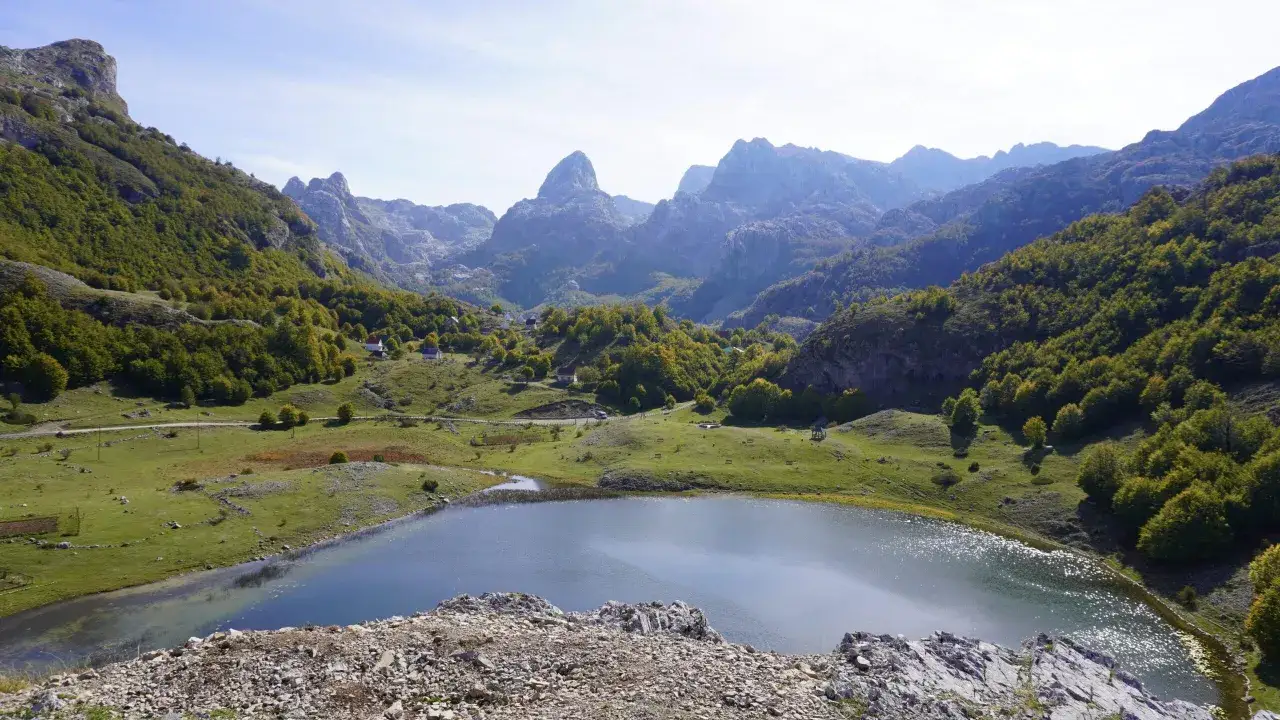
Montenegro is small enough that people often underestimate it. The official tourism site likes to remind visitors that you could drive across the country in an afternoon, but that is only true if you ignore the real purpose of travel: stopping for viewpoints, old towns, meals, and the occasional detour that turns into the best part of the day. I would plan around that reality, not the map.
The country rewards two kinds of trips most reliably: a coastal route that leans into the Adriatic, and a mixed route that adds at least one inland base. If you only chase the sea, you miss the mountains. If you only chase the mountains, you miss the bay towns that make Montenegro feel distinct in the first place.
| Trip style | Length | Best for | What it usually covers | Main trade-off |
|---|---|---|---|---|
| Coastal sampler | 4-5 days | First-time visitors with limited time | Kotor Bay, Budva or Herceg Novi, one easy day trip to Lovćen or Lake Skadar | You will leave the north for another trip |
| Balanced road trip | 6-8 days | Travelers who want sea, lakes, and mountains | Kotor Bay, a coast base, Žabljak or another inland base, Durmitor, Lake Skadar | You need to accept some driving time |
| Outdoor-heavy loop | 10-12 days | Hikers, scenic-road fans, and slow travelers | Coast, Durmitor, Biogradska Gora, Skadar Lake, possibly Prokletije | Weather and road conditions matter more |
For most U.S. travelers, the balanced road trip is the safest bet. It gives you enough room to enjoy the scenery without pretending you can cover every region properly in a long weekend. Once you know the shape of the route, transport becomes the next decision that changes everything.
Choose transport with mountain time in mind
Montenegro’s tourism infrastructure is simple rather than flashy. Buses connect the main towns and also link Montenegro with neighboring countries, and the main roads are generally in good condition. At the same time, the U.S. State Department notes that roads near the coast are better than rural roads but can become overcrowded in summer, and driving can be more aggressive than many American visitors expect. Both things are true at once.
Here is how I would think about the options:
| Transport | When it makes sense | Strengths | Weak points |
|---|---|---|---|
| Rental car | Coast plus mountains, or any trip with more than two bases | Maximum flexibility, easy access to national parks, easier viewpoint stops | Parking stress in summer, slower coastal traffic, extra responsibility on mountain roads |
| Bus | City-to-city travel on a tighter budget | Cheap, straightforward, and good enough for main corridor travel | Less flexible, slower, and less useful for remote hikes or scenic detours |
| Private transfer or guided day trip | Short trips, one-way legs, or travelers who want less friction | No parking problem, easier logistics, less stress on narrow roads | Costs more and gives you less freedom |
If your plan includes Durmitor, Prokletije, or even a proper Lake Skadar loop, I would not rely on buses alone. For the coast, buses can work fine. For the full country, a car or a carefully built transfer plan usually wins. That choice also affects where you should sleep, which is where a lot of itineraries quietly go wrong.
Pick bases that reduce wasted driving
I like to choose bases in Montenegro by asking a simple question: what do I want to see before I move again? The country is compact, but each region has a different rhythm, and changing sleep locations at the right time can save you hours. Staying too long in one place usually makes the trip feel more tiring, not less.
| Base | Why it works | Best for |
|---|---|---|
| Kotor or Perast | Bay scenery, old towns, easy ferry access, strong atmosphere | First timers, couples, and travelers who want the classic Montenegro view |
| Budva | Beach access, nightlife, and central coastal positioning | Travelers who want movement, energy, and easier access to multiple coast stops |
| Herceg Novi | A calmer Boka Bay feel and a slightly greener pace | Visitors who want the bay without the densest part of the tourist flow |
| Virpazar | Good access to Lake Skadar, boat trips, and slower inland scenery | Birdwatchers, wine-country fans, and travelers who want a softer final day |
| Žabljak | Gateway to Durmitor, hiking, rafting, and alpine scenery | Outdoors-focused trips; it is the highest town on the Balkan Peninsula at 1,453 meters |
| Podgorica | Logistical convenience, not scenery | One-night arrival or departure stays, especially if you are connecting deeper inland |
If I were planning a short trip, I would rather have two good bases than one “central” base that turns into a daily commute. Montenegro is small, but it still behaves like a country with distinct regions, and your sleep plan should respect that. From there, the only thing left is making the budget honest.
Budget for the season you actually chose
Montenegro is not a one-price destination. July on the coast can feel much more expensive than late September inland, and that difference matters more than many travelers expect. I would treat the numbers below as practical planning ranges, not fixed rates.
| Budget style | Estimated daily cost per person | What it usually looks like | Who it suits |
|---|---|---|---|
| Budget-conscious | $70-$120 | Simple guesthouses, bus travel, casual meals, limited paid activities | Travelers who care more about scenery than comfort |
| Mid-range | $130-$220 | Comfortable boutique stays, rental car, a few paid excursions, better restaurants | Most first-time visitors |
| Comfort-oriented | $250-$450+ | Better bayside or mountain hotels, private transfers, guided activities, fewer compromises | People who want the trip to feel easy in peak season |
My own rule is to add a 15-20% buffer on top of the number I think I need. Parking, boats, park entry, and last-minute weather changes tend to eat that margin quickly. If you are traveling in July or August, the buffer matters even more because the coast gets crowded and the best-located rooms disappear first. That is why a good plan is as much about avoiding avoidable mistakes as it is about choosing the right places.
Avoid the mistakes that ruin a short trip
The most common planning errors in Montenegro are not dramatic. They are just small mistakes that compound. I see the same pattern over and over: people try to fit too many places into too little time, then wonder why the trip feels rushed even though the country looked small on the map.
- Trying to pair Kotor Bay and the far north in 48 hours.
- Booking one base for the entire trip and turning every day into a commute.
- Assuming summer driving is simple because distances look short.
- Forgetting to register a stay in an apartment or guesthouse.
- Packing only for the beach and ignoring mountain evenings, which can feel much cooler.
- Leaving no weather buffer for hiking, rafting, or canyon days.
The fix is straightforward: choose fewer anchors, sleep closer to the experiences you care about most, and let the route breathe. Montenegro tends to reward travelers who slow down at the right moment, not those who try to prove they have “covered” it. With that in mind, here is the version I would book first.
If I were booking a first Montenegro trip, this is the version I’d choose
For a first visit of six to seven days, I would start with three nights around Kotor Bay, then move to two nights in Žabljak, and finish with one night near Lake Skadar if the route allows it. That gives you the bay, the mountains, and a softer final stretch before departure. It also keeps the pace varied without forcing you into a different hotel every night.
If you only have four days, I would keep the whole trip coastal and add one easy inland day trip rather than pretending Durmitor can be done properly in a rush. If you have ten days or more, I would add a second inland stop and use the extra time for walking, boat trips, and the kind of roadside pauses that make Montenegro feel memorable rather than just efficient.
- Book the first and last night close to the airport or the exit point you actually use.
- Keep one flexible day open if you want hiking, rafting, or a weather-dependent mountain drive.
- Leave room for one boat ride, one long lunch, and one viewpoint stop you did not plan in advance.