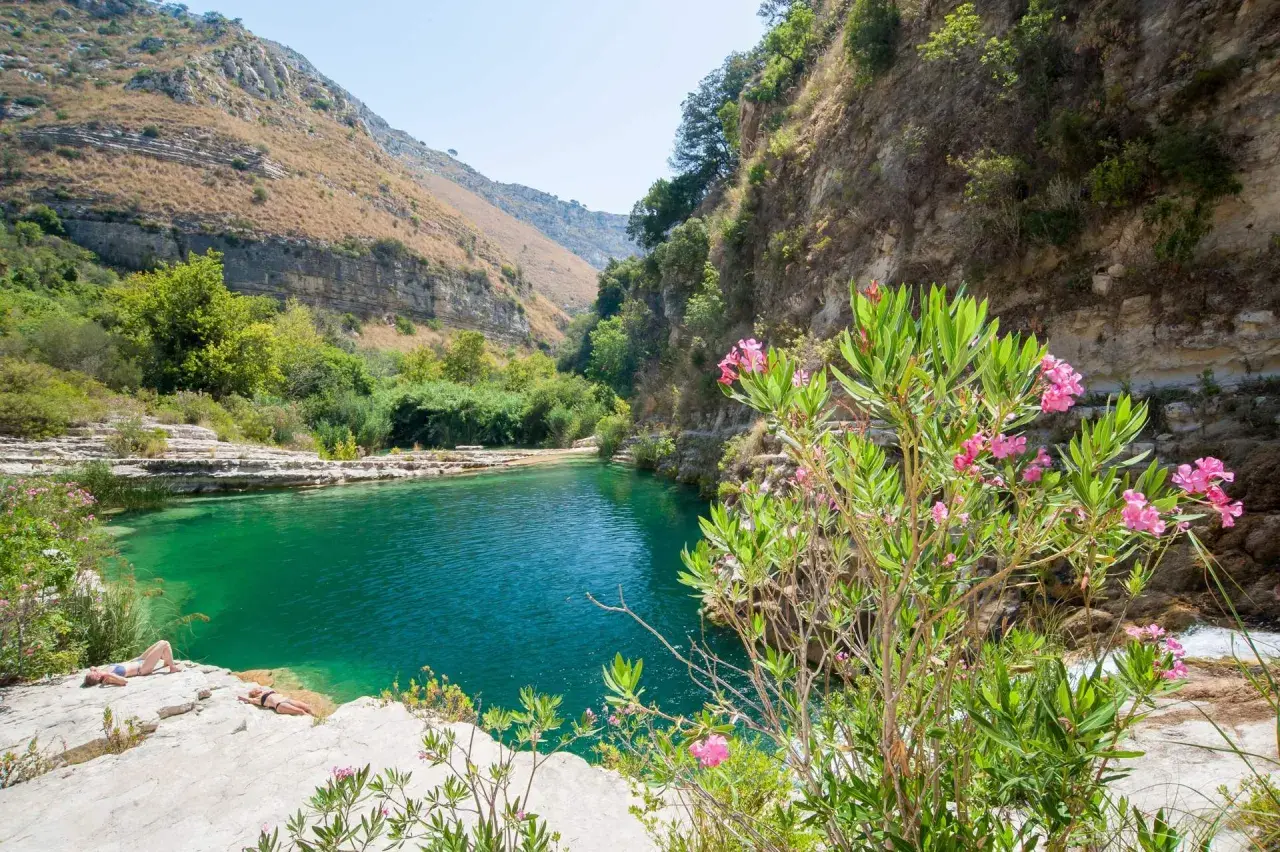
Sicily rewards travelers who look past the obvious beaches. The island holds volcanic ridges, limestone mountains, wetlands, sea cliffs, and quiet forest parks, so a good trip is usually built around one or two landscapes instead of trying to see everything. I focus here on the places that actually define Sicily’s outdoor side, how they differ, and how to plan a route that feels spacious rather than rushed.
What matters most before you plan a Sicilian nature trip
- Sicily is best understood as several ecosystems in one island: volcano, coast, mountain, forest, and wetland.
- If I were choosing only a few stops, I would start with Etna, Zingaro, Vendicari, Madonie, and Nebrodi.
- Spring and autumn are the most comfortable seasons for mixed outdoor travel; summer works best for early starts and coastal days.
- For a smooth trip, choose a base near the area you want to explore instead of crisscrossing the island daily.
- Good shoes, water, sun protection, and a car make a bigger difference here than many visitors expect.
Why Sicily feels like several landscapes in one island
When I plan nature travel in Sicily, I think in layers. The coastline gives you coves, cliffs, salt pans, and marine reserves; inland, the island rises into limestone ranges and wooded parks; east of the center, Etna adds a volcanic landscape that can change from black lava to green forest in a single drive. That variety is why Sicily works so well for outdoor travelers who want more than one setting in the same itinerary.
The best way to understand the island is through its contrasts. A reserve can mean Mediterranean maquis, the dense aromatic scrubland of hardy shrubs and herbs that covers much of the lower ground. A mountain park can mean cooler air, long views, and small villages that still feel tied to the land around them. A marine protected area can be just as much about snorkeling and birdlife as it is about beaches. This mix is the real story behind Sicily’s wild appeal, and it is also why the right destination choice matters so much. That is what the next section makes easier.
The destinations I would prioritize first
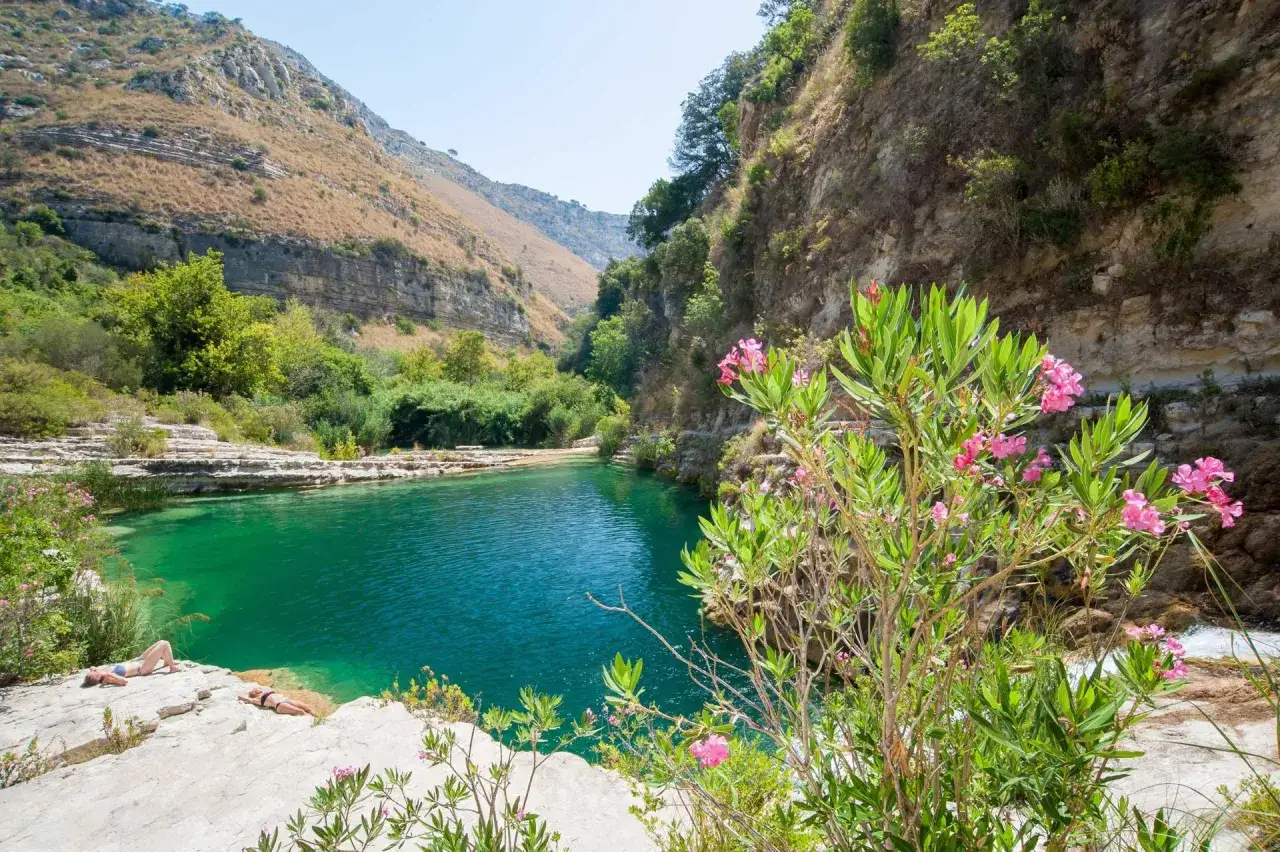
If you only have time for a handful of places, I would not try to cover the whole island. I would choose destinations that show different faces of the landscape, because that gives you a better sense of what Sicily actually is.
| Destination | What it gives you | Best for | Practical note |
|---|---|---|---|
| Mount Etna | Lava fields, craters, forested slopes, and huge views from Europe’s largest active volcano | Hikers, geology fans, and anyone who wants one dramatic day outdoors | Stick to authorized trails when required and plan for fast weather shifts |
| Zingaro Nature Reserve | About 7 km of cliffside paths, coves, clear water, and Mediterranean scrub | Coastal walking, swimming, and classic Sicily scenery | No road access inside the reserve; bring water and proper shoes |
| Vendicari | Wetlands, salt flats, beaches, and birdlife in a protected coastal setting | Birdwatching, easy walks, and slow travel | Strongest in spring and autumn, especially during migration periods |
| Madonie | Limestone peaks, cooler air, hill towns, and broad panoramas | Mountain walks, overnight stays, and quieter inland scenery | Conditions can change quickly with elevation, even on a clear day |
| Nebrodi | Forests, lakes, open ridges, and some of the island’s quietest mountain country | Low-crowd hiking and longer nature days | Services can be limited in parts of the park, so plan food and fuel |
| Alcantara Gorges | A basalt canyon shaped by river and lava, with a striking water-and-rock contrast | Short scenic stops, geology, and a cooler break in summer | Go early if you want fewer people and better light |
The pattern I recommend is simple: pair one coastal reserve with one inland or volcanic day. Zingaro plus Etna feels very different. Vendicari plus Madonie feels even more different. That contrast is what makes a Sicily trip memorable, because it keeps the island from flattening into a single postcard. Timing is the next part of the puzzle.
When to go for hiking, swimming, and birdwatching
The island is usable year-round, but not every season suits the same kind of outdoor day. If you match your timing to the landscape, Sicily feels easy; if you do not, the heat, wind, or crowd patterns can make even good places feel less generous.
- Spring is the best all-around season for me. The hills are greener, wildflowers appear on the trails, and birdlife is active in wetlands and along the coast. This is the season I would choose for long walks in Zingaro, Madonie, and Nebrodi.
- Early summer is excellent for sea-focused days. The water is warming up, the coast still feels manageable, and the brightest heat has not fully taken over inland routes yet. Early starts matter here.
- Mid-to-late summer still works, but I would keep inland hikes short and front-load the day. Coastal reserves, snorkeling spots, and shaded viewpoints become the most sensible choices by midday.
- Autumn is one of the smartest times for a mixed itinerary. The sea often stays pleasant, crowds ease off, and the light is softer. It is also a strong season for wetlands, salt pans, and migration-focused birdwatching.
- Winter is best if you want cooler mountain air, quieter trails, and the possibility of seeing Etna with snow on the upper slopes. Some higher routes and services may be limited, so I would treat winter as a mountain season rather than a full-island season.
For birdwatching, wetlands and salt pans are the places to watch first. A salt pan is a shallow evaporation basin used for salt production, but it also becomes an important habitat for birds, especially when migration is moving through. That seasonal rhythm is useful, but logistics decide whether the trip actually feels smooth, which is where I would focus next.
How to plan the logistics without losing time
Sicily rewards slow routing. The island is compact enough to tempt people into overplanning, but the real outdoor experience comes from choosing one region at a time and giving it enough room.
- Pick a base by region. Use western Sicily for Zingaro, the Trapani salt pans, and the northwest coast; eastern Sicily for Etna, Alcantara, Vendicari, and Plemmirio; north-central Sicily for Madonie and Nebrodi.
- Rent a car if you want more than one landscape type. Public transport can reach some places, but it is rarely the most efficient way to combine reserves, trailheads, and small villages in the same day.
- Start early. In warm months, morning is when the island feels most forgiving. By midday, I usually prefer a swim, lunch, or a short scenic drive rather than a long exposed hike.
- Carry more water than you think you need. Shade is not guaranteed on coastal trails, and mountain routes can still feel dry and hot. Shoes with real grip matter too, especially on lava, limestone, and loose coastal rock.
- Check access rules before you go. Some reserves are foot-only, some have limited parking, and some protected areas adjust access when weather is rough or fire risk is high.
- Respect marine protection rules. In protected waters, the restrictions are there for a reason: they protect seagrass meadows, fish nurseries, and the underwater visibility that makes the place worth visiting.
With those basics in place, the trip becomes much easier to shape into something satisfying instead of exhausting. The next section shows how I would actually string the places together.
What I would put on a first nature-focused itinerary
If I were building a first trip around Sicily’s outdoors, I would keep the route narrow and let each stop do one job well. The island is big enough that a good itinerary should feel intentional, not crowded.
- Three days in western Sicily. I would base myself in San Vito Lo Capo or Trapani, spend one full day in Zingaro, and use another half-day for the salt pans or a slower coast stop. This works well if you want a classic mix of walking, sea views, and unforced downtime.
- Five days in eastern Sicily. I would base myself in Catania or Syracuse and combine Etna, Alcantara, and Vendicari. If snorkeling matters, Plemmirio fits naturally into this kind of route. This is the most varied first-time option because it gives you volcano, canyon, wetland, and coast in one corridor.
- Seven days in north-central Sicily. I would use Cefalù or Castelbuono as a base and split time between Madonie and Nebrodi. That combination is better for travelers who want forested mountain scenery, small villages, and a slower pace than the coast usually allows.
I would not try to do Etna, Zingaro, Madonie, and Vendicari in one rushed loop. The map may look manageable, but the daily rhythm changes too much from place to place. Picking two ecosystems and one flexible buffer day usually produces a better trip than trying to cover everything at once. That is also why the quieter places matter so much.
The quieter corners that make the island feel complete
The places that stay with me longest are not always the famous ones. A dawn walk in Vendicari, a forested path in Nebrodi, or a raw stretch of coast at Torre Salsa often feels more revealing than a crowded viewpoint because there is more silence and less choreography. Those are the places where Sicily starts to feel larger than the postcard version of itself.
If you want one rule to carry into planning, keep the trip selective: one coast, one mountain or volcano, and one flexible day for weather, energy, or a surprise detour. That approach leaves room for the island’s best asset, which is not just beauty but contrast. For most travelers, that is the difference between seeing Sicily and actually feeling it.