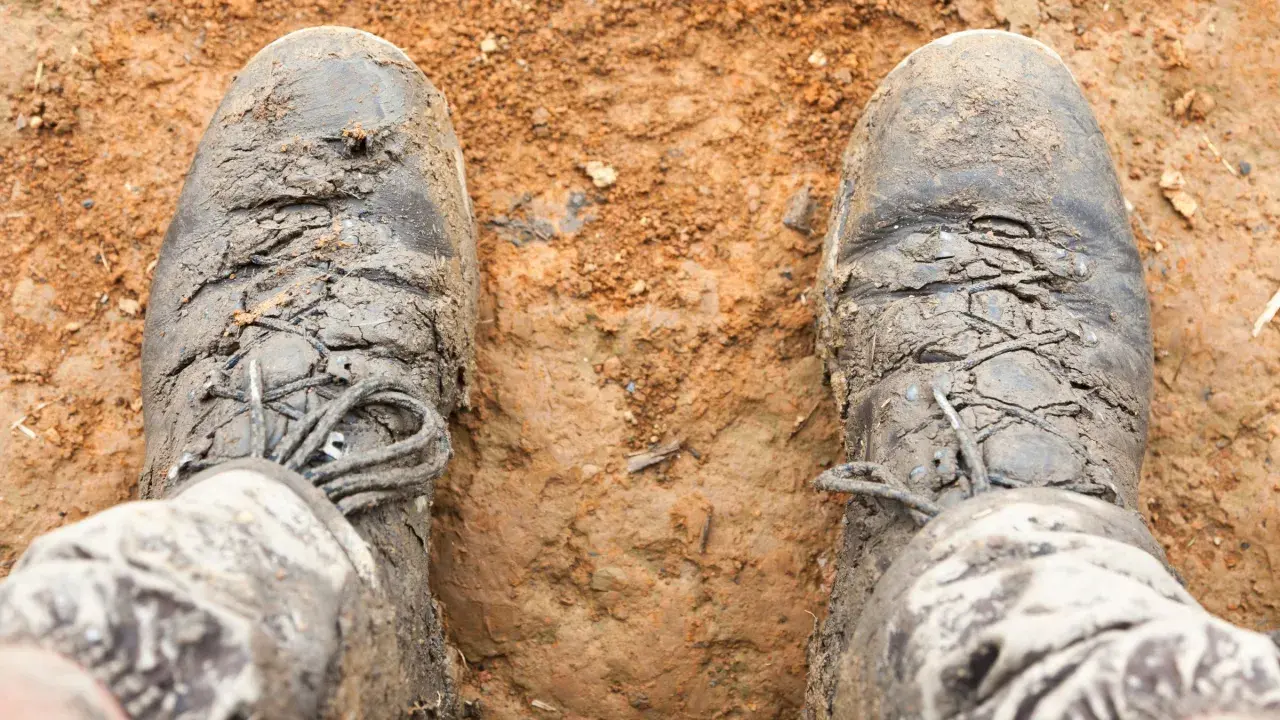
Hiking boots can feel perfect out of the box and then strangely different after a wet weekend, a hot ascent, or a few months of steady use. The change is usually not a clean size drop; it is a mix of leather behavior, cushioning pack-out, foot swelling, and care habits that either preserve or tighten the fit. So, do boots shrink over time? In hiking footwear, the honest answer is that they can feel smaller for several different reasons, and the fix depends on which one is actually happening.
What matters most when boots start to feel tighter
- Leather can contract if it gets soaked and then dries too fast, especially near direct heat.
- Synthetic hiking boots usually do not shrink much, but their foams and liners can compress.
- Feet often swell during long hikes, so a boot that fit well at home may feel tighter on trail.
- Repeated wetting, dirt, salt, and poor drying habits can make a boot feel stiffer and shorter.
- If the fit changes suddenly, check the insoles, socks, and lacing before blaming the size.
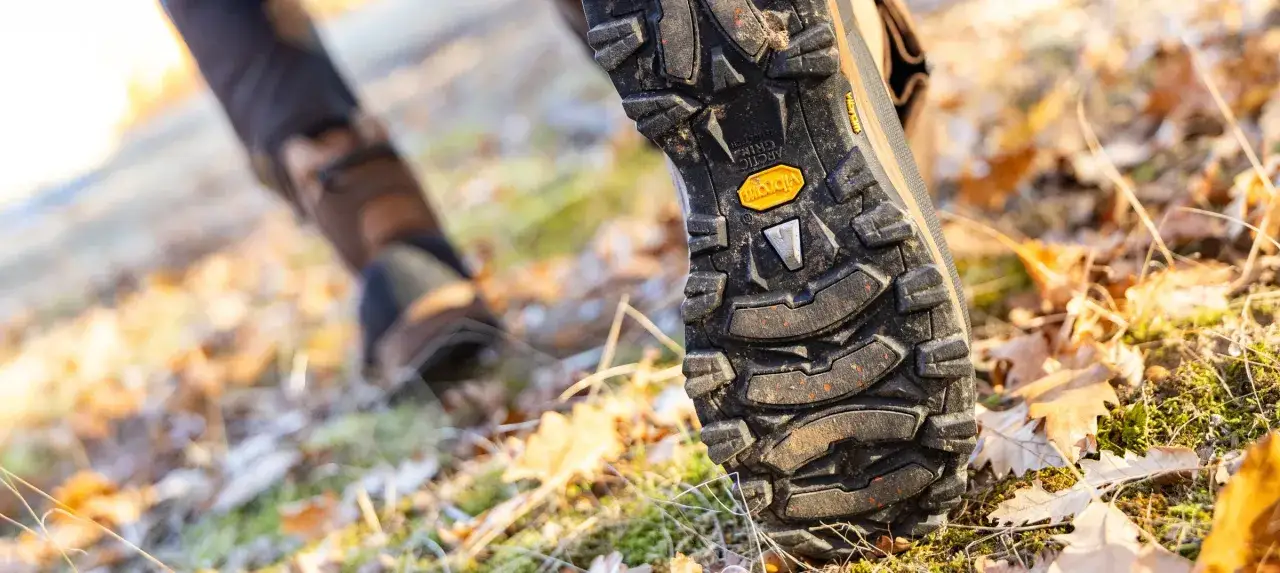
Why hiking boots can feel smaller even when they have not truly shrunk
I usually separate this problem into two categories: true material contraction and a fit change that only feels like shrinkage. The second category is far more common. After a long hike, your feet are warmer, slightly swollen, and often more sensitive to pressure points, so a boot that felt roomy in the morning can feel snug by afternoon.
The trail changes both your feet and your boots. Leather can lose moisture and tighten, insoles can pack down, and the upper can crease in places that steal a little volume. On top of that, lacing tension matters more than most hikers realize. A boot that is slightly over-tightened across the instep can feel one full size smaller by the end of a climb.
That is why I treat fit complaints as a trail system problem, not just a boot problem. Feet swell, socks thicken when wet, and hiking cadence changes how weight sits inside the boot. If the question is whether the boot itself has changed, the answer is often yes, but not always in the dramatic way people expect.
This is also where the real meaning of fit comes in: secure heel hold, enough toe room, and no hard pressure across the top of the foot. That next question is where material matters most.
Which materials actually change size the most
Full-grain leather is the material most likely to feel tighter after repeated wet-dry cycles. It can dry out, lose flexibility, and contract a bit if it is handled badly. Kodiak’s care guidance is blunt about this: avoid direct heat, because fast drying can dry out, shrink, and crack leather. That advice lines up with what hikers notice on the trail.
Synthetic boots behave differently. They usually do not shrink in the same way leather does, but they can still feel smaller if the foam, lining, or footbed compresses. A boot does not have to literally get shorter for the fit to change. If the internal volume drops, the result is the same to your toes.
| Material or component | What usually happens over time | How it affects fit | What to watch for |
|---|---|---|---|
| Full-grain leather | Can tighten if repeatedly soaked and dried too fast | Feels shorter or stiffer across the forefoot and instep | Hard creases, dryness, stiffness after rain |
| Nubuck or suede | Usually softens with wear, but can stiffen when neglected | May feel less forgiving rather than smaller | Rough texture, loss of flexibility, damp patches |
| Synthetic mesh or textile | Rarely shrinks much, but can deform or wear out | Fit changes are more about structure loss than size loss | Loose upper, collapsed support, stretched lace zones |
| Foam midsole and insole | Compress with mileage | Boot can feel lower-volume or less cushioned | Less bounce, more ground feel, new pressure points |
In practice, I pay the most attention to the leather upper and the footbed. Those two parts explain most of the fit changes hikers describe after a season of use. Once you know that, it gets easier to separate real shrinkage from a bad fit day.
How to tell shrinking apart from break-in and foot swelling
REI’s fit advice is a useful baseline here: hiking footwear should be snug everywhere but tight nowhere, with room to wiggle your toes. I use that rule to check whether the boot actually changed or whether the trail simply exposed a problem that was already there.
Here are the checks I trust most:
- Wear the same hiking socks you normally use and test both boots after a full day on your feet.
- Compare morning fit to late-afternoon fit; if the boot only feels tight after hours of walking, foot swelling is likely part of the story.
- Look for pressure on the instep, toe box, or heel cup. True shrinkage usually shows up as a tighter overall shell, not just one hot spot.
- Remove the insoles and feel them. If they are packed down or uneven, the boot may be fine while the internal support has changed.
- Check whether lacing changes the feel dramatically. If loosening the forefoot fixes the problem, the boot may not be too small at all.
My rule of thumb is simple: if the same pair feels fine in the morning, worse after a few hours, and better again after rest, your feet are probably doing most of the changing. If the boot feels tight before you even start walking, the materials, the insoles, or the size are more likely to blame.
That distinction matters because the fix for swelling is not the same as the fix for leather contraction, and that is where many hikers waste time.
What to do when a pair has tightened
If a hiking boot has genuinely tightened, do not reach for heat first. That is the fastest way to make the problem worse. The safer move is to let the boot dry naturally, then work backward through the fit problem.
- Let the boots air-dry away from heaters, radiators, and direct sun.
- Once fully dry, clean off mud, salt, and grit before you assess the fit again.
- Condition leather uppers so they regain some flexibility.
- Wear them indoors for short sessions with the socks you actually hike in.
- Swap in a fresh insole if the old one is packed out or warped.
- Use a boot stretcher or a cobbler only if the pressure point is localized and the leather is the limiting factor.
I would also be cautious with repeated soak-and-dry tricks. People use them because they seem fast, but they can shorten the life of the boot and make the leather brittle. The better long-term play is regular care and realistic expectations about what a boot can recover from.
If the toe box still feels cramped after conditioning and a proper reset, the boot may simply not be the right last for your foot. That is not a failure of break-in; it is a sizing or shape mismatch.
How to keep hiking boots from tightening in the first place
The best prevention is boring, which is usually a good sign. Dry the boots correctly, clean them after wet hikes, and keep the leather fed enough that it does not dry into a stiff shell. For regular leather use, a conditioning rhythm every four to six months is a practical baseline, depending on mileage and weather exposure.
These habits make the biggest difference:
- Remove mud and salt after wet hikes so residue does not pull moisture out of the leather.
- Let boots dry naturally in open air, not on a heat source.
- Store them in a cool, dry place instead of a hot car or damp garage.
- Use the same sock thickness you plan to hike in when you fit or test them.
- Leave about a thumb’s width in front of your longest toe so the boot still works when your feet swell on long descents.
- Loosen laces at camp or during breaks to reduce hot spots and pressure buildup.
That last point is underrated. On steep trail days, small changes in lacing and foot volume can feel like the boot itself is changing shape. A little room in the fit is not sloppiness; it is part of how hiking footwear works.
The fit check I would do before blaming the boot itself
Before I call a boot “shrunk,” I want three things to line up: the leather has been dried and cared for properly, the insoles are still supportive, and both feet feel the same inside the pair. If one boot feels tighter than the other, I suspect the insole, lacing pattern, or a distorted footbed before I blame the upper.
- If both boots tightened after rain, think leather contraction and drying habits.
- If only one boot feels off, inspect the insole and footbed first.
- If downhill walking drives your toes into the front, the boot may have been marginal from day one.
- If the heel now slips more while the forefoot feels tighter, the internal structure may be breaking down unevenly.
For hiking footwear, I judge the pair by how it behaves after moisture, mileage, and a full day on foot. A good boot should stay secure without pinching, and it should recover after normal use rather than getting progressively more restrictive. If it keeps tightening despite proper care, I would stop trying to force it and move on to a better fit.