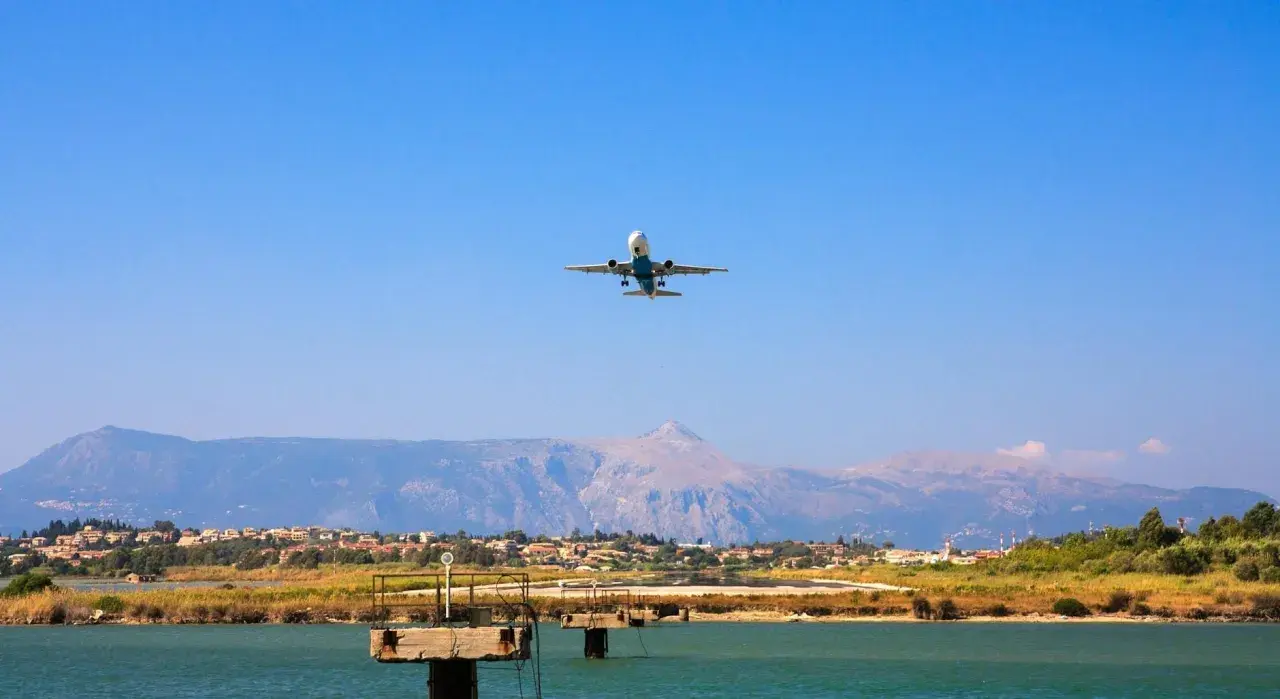
Planning a trip to Sicily starts with one choice that shapes the rest of the itinerary: where you land. The right Sicily airport can save you hours on the road, keep your transfer simple, and put you closer to the beaches, baroque towns, or mountain views you actually came for. I usually treat the island’s airports as route planners, not interchangeable boxes, because the best arrival point depends far more on geography than on airfare alone.
The airport that saves the most time is usually not the cheapest one
- Catania is the strongest all-round gateway for the east and southeast, especially Etna, Taormina, Syracuse, and Ragusa.
- Palermo works best for the capital, Cefalù, the north-west coast, and many west-side itineraries.
- Trapani is the most natural fit for Marsala, Erice, San Vito lo Capo, and the far west.
- Comiso is the niche choice that makes sense when your base is Ragusa, Modica, or Scicli.
- Pantelleria and Lampedusa are separate islands, so I leave them out of a main-island planning map.
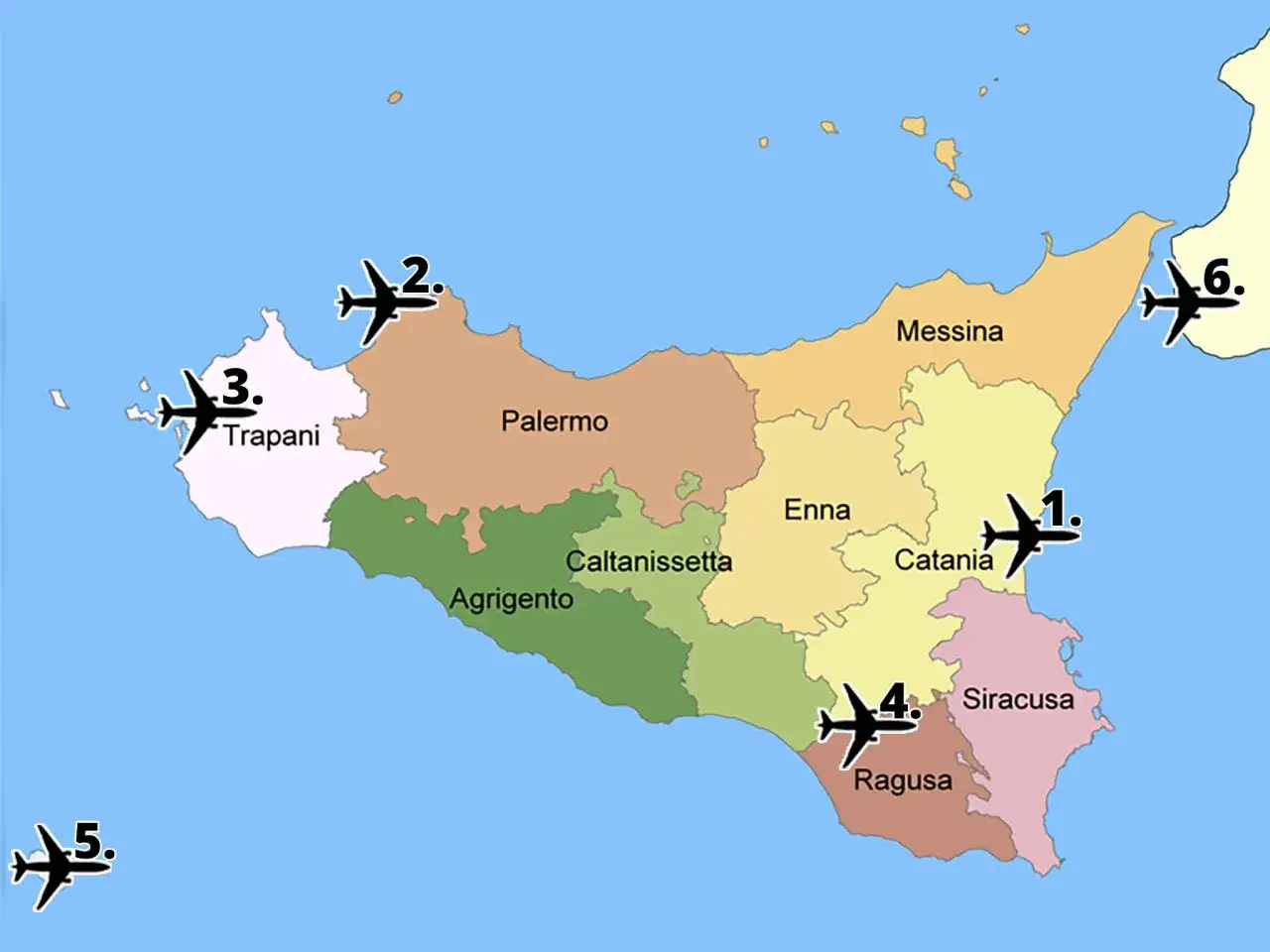
The island's main airports and what they actually serve
When I map Sicily, I split it into four practical gateways. That is the simplest way to see why a cheap fare can still be the wrong decision, especially if it drops you on the opposite side of the island from where you plan to stay.
| Airport | Code | Where it sits | Best for | What to watch |
|---|---|---|---|---|
| Catania Fontanarossa | CTA | About 6 km, roughly 4 miles, from Catania center | Etna, Taormina, Syracuse, the east coast, and much of the southeast | It is the busiest gateway, so peak-season crowds can be heavier |
| Palermo Falcone Borsellino | PMO | About 35 km, roughly 22 miles, from Palermo | Palermo, Cefalù, the north coast, and many west-side stays | The airport is excellent, but the east side of Sicily is a long road trip away |
| Trapani Birgi Vincenzo Florio | TPS | About 15 km, roughly 9 miles, from Trapani and Marsala | Trapani, Marsala, Erice, San Vito lo Capo, and the western beaches | Flight schedules can be thinner outside the main travel periods |
| Comiso | CIY | Between Ragusa and Modica | Ragusa, Modica, Scicli, and the baroque southeast | The route network is more limited than the bigger airports |
I am intentionally leaving the smaller island airports out of this main-island picture because they solve a different problem. For a standard Sicily road trip, these four are the decisions that matter first, and everything else comes after them. Once that is clear, the next question is how to match the airport to the shape of the trip itself.
How I choose the right Sicily airport for an itinerary
I start with the first and last two nights, not the whole dream route. If I know where I will sleep, eat, and pick up the car, the airport choice usually becomes obvious. If the itinerary is still fuzzy, I look at it in terms of coast, transfer time, and how much backtracking I would be forcing into the trip.
| Trip shape | Best airport choice | Why it works |
|---|---|---|
| East-coast city break | Catania | Shortest and cleanest access to Catania, Taormina, Syracuse, and Etna |
| Palermo city stay | Palermo | Best fit for central Palermo, coastal day trips, and rail or coach connections |
| West-coast road trip | Trapani or Palermo | Trapani is the sharper choice for the far west; Palermo gives you broader flight options |
| Baroque southeast circuit | Comiso or Catania | Comiso is closer to Ragusa and Modica; Catania usually wins if you need more flight frequency |
| Island-wide loop | Fly into one airport and out of another | An open-jaw ticket, where you arrive and depart from different airports, avoids backtracking |
Sicily looks compact on a map, but east-to-west drives are long enough to eat a day if you guess wrong. A fare that is a little cheaper on paper can easily lose that advantage if it adds three hours of transfer time and an extra taxi ride. My rule is simple: if the airport saves me the longest road leg, it is usually the better deal. That logic matters even more once you land and have to decide how to get into town.
What airport transfers actually look like on the ground
Catania Airport's transport page currently lists two especially handy options: the Alibus into the city, and the shuttle that connects the Fontanarossa rail stop with the terminal. Palermo's airport site makes the setup equally clear in a different way: the rail station sits under the terminal, and the coach to Palermo Centrale is the most straightforward city link. Those are the kinds of details I care about because they tell me whether I can move quickly after landing or whether I should plan for a slower first hour.
| Airport | Best transfer habit | Why it works |
|---|---|---|
| Catania | Use the bus or the rail shuttle if you are heading into the city | The city link is frequent, affordable, and easy to understand even after a long flight |
| Palermo | Use the train for rail connections or the coach if you are staying in the center | It keeps the arrival simple and avoids an extra car leg before you are ready for one |
| Trapani | Use a bus or a fixed-fare taxi if you land late | The airport is close enough to Trapani and Marsala that ground transfer is not a major burden, but late arrivals still benefit from a simple plan |
| Comiso | Prebook a transfer or pick up a car if you are staying outside Comiso itself | The network is thinner, so the easiest solution is often the one you arrange before arrival |
On Catania's side, the numbers are very traveler-friendly: the Alibus starts early, runs frequently, and keeps the city leg short. On Palermo's side, the coach is the easy default, while the train becomes the cleaner choice if your next stop is already on the rail line. I also like Palermo's taxi-sharing option for small groups because it softens the cost of the last mile without turning the arrival into a puzzle. If you land tired, that simplicity matters more than the theoretical cheapest transfer.
For Trapani and Comiso, I am more conservative. The airports work well when your base matches the region, but they are less forgiving if you arrive late, travel in shoulder season, or expect a large network of last-minute public transport. That is why the transfer plan matters almost as much as the flight itself, and why the car question usually comes next.
When renting a car is the smarter move
I rent a car in Sicily when the trip includes more than one coastline, a rural agriturismo, or several small towns that do not sit on a single rail line. I skip it when I am staying in Palermo or Catania for a short urban break, because parking and traffic can eat the convenience I was hoping to buy. For scenic travel, the car is often the difference between seeing Sicily in fragments and seeing it as a connected landscape.
- Choose a car if you plan to move between beach towns, inland villages, and nature reserves.
- Choose a car if your itinerary includes farm stays, vineyard visits, or early-morning hikes.
- Skip a car if you are doing one city with a few guided day trips and your hotel is central.
- Check parking before you book, especially in historic areas where a ZTL, or controlled traffic zone, limits entry.
- Remember that a car adds fuel, parking, and the occasional narrow lane that looks much smaller in person than it did on the map.
The practical compromise is easy to miss: a car gives you freedom, but only if you are willing to manage the logistics that come with it. If I know I will be collecting a car anyway, I prefer the airport that shortens the drive to my first base. That keeps the arrival day calmer and leaves more energy for the actual trip, which is exactly what you want on an island with this much variety. Before you book, though, it helps to know the booking mistakes that create unnecessary friction.
The mistakes that make Sicily arrivals harder than they need to be
The biggest problems I see are not dramatic. They are small planning errors that compound after a flight, especially when the island feels bigger in real life than it looked on the route map. I would rather pay a little more for the right landing point than save a small amount and spend half a day untangling transfers.
- Choosing the cheapest fare without checking the ground leg. If the airport adds hours of driving, the cheap ticket is not really cheap anymore.
- Picking the wrong coast for the first hotel. Catania is usually the right side for the east and southeast, while Palermo or Trapani make more sense for the west.
- Assuming every airport has the same late-night transport. Some routes are easy in daylight and awkward after dark.
- Forgetting parking and ZTL rules. A city-center hotel can be a bad fit if you are driving a rental car and have not checked access in advance.
- Locking in the return too early. If your last night is on the opposite side of the island, you may need either an open-jaw ticket or a buffer night.
The habit that changes everything is simple: compare flight price plus transfer cost, not flight price alone. Once I do that, the right airport usually becomes obvious, and the rest of the trip starts to feel designed instead of improvised. That is the cleanest way to keep a Sicily plan realistic from the moment you land to the moment you leave.
The simplest booking rule I would use for a first Sicily trip
If I were planning a first visit, I would anchor the airport to the part of the island that matters most, then build the route around that choice instead of fighting it. Catania is the safest all-round bet for the east, Palermo is the cleanest gateway for the north and west, Trapani is the specialist for the far west, and Comiso is the best-fit shortcut for the baroque southeast when the flight schedule cooperates.
That is the version of trip planning that actually works here: keep the route compact, keep the transfer simple, and let Sicily's geography do the heavy lifting. Once those three pieces line up, arrival stops feeling like logistics and starts feeling like the beginning of the trip.