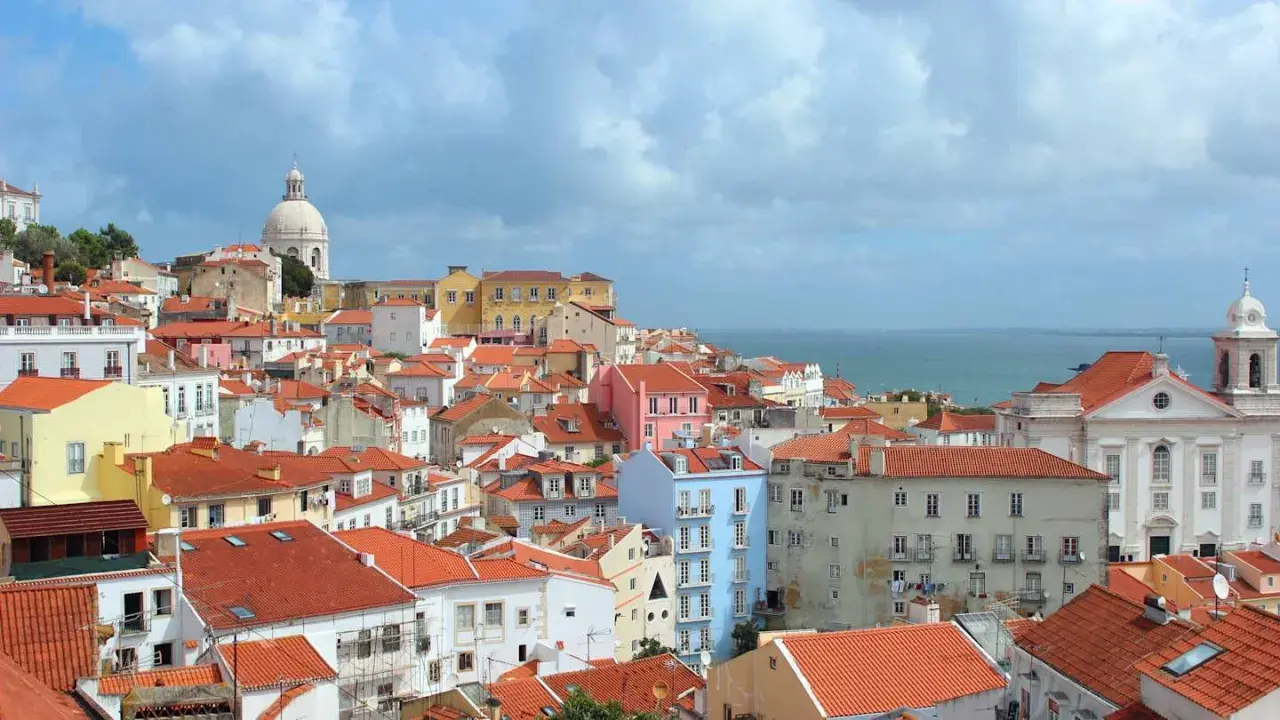
Lisbon rewards a focused plan: the city is compact, but the hills, queues, and cross-town detours can burn half a day if you wander without a route. A good one day in Lisbon itinerary should connect the historic center, one great viewpoint, and a riverside finish so the day feels complete instead of rushed. In this guide, I map the fastest sensible flow, where to pause for views and food, and which shortcuts save the most time.
The smartest one-day plan keeps Lisbon’s old center, one viewpoint, and Belém in a single clean loop
- Start early in Baixa, then walk uphill into Alfama before the crowds thicken.
- Pick one viewpoint and one major monument; trying to do three usually backfires.
- Leave Belém for the afternoon if you want the classic monument-heavy version of the day.
- Use metro, taxi, or a short tram ride between distant zones; walking everything is inefficient once fatigue sets in.
- If you only have 6 to 7 hours, stay central and skip Belém. If you have 8 to 10, add the riverfront.
Start in Baixa and work uphill into Alfama
I usually begin in Baixa because it gives the day a clean visual anchor: the river, the broad squares, and the neat grid of streets that makes Lisbon feel more approachable before the hills begin. Praça do Comércio is the natural starting point, then Rua Augusta and the surrounding lanes can carry you toward Lisbon Cathedral and the older lanes of Alfama. This is the part of the day where the city feels most walkable, so I keep the pace steady and avoid long café breaks until I have climbed out of the flat center.
- Best early sequence: Praça do Comércio, Rua Augusta, Lisbon Cathedral, then one Alfama viewpoint.
- Time to budget: about 2 to 2.5 hours if you keep moving and do not stop for every photo.
- Why it works: you see the historic core before the city gets hotter, busier, and more tiring.
If you are tempted to wander every narrow lane, remember that Alfama is best when it feels loosely structured. I like enough direction to avoid getting lost, but not so much that the neighborhood turns into a checklist. Once you have the cathedral, a couple of alleys, and a first overlook, you are ready for the city’s bigger views.
Use one viewpoint as your anchor
A miradouro is a viewpoint, and in Lisbon it is not a bonus stop. It is part of the city’s rhythm. The mistake many first-time visitors make is trying to collect too many of them, which sounds efficient on paper and feels tiring in real life. I would choose one viewpoint that matches your energy and move on.
| Viewpoint | Best for | Tradeoff |
|---|---|---|
| Miradouro de Santa Luzia | A classic terrace with tiled details and a quick stop after Alfama | Often crowded, especially late in the morning |
| Miradouro da Senhora do Monte | The widest skyline view and one of the best overall panoramas | Steeper climb, so it feels more demanding |
| Castelo de São Jorge | A historic site plus views in one stop | Can absorb 1.5 to 2 hours once you include entry and wandering |
If I only had one slot for a view, I would pick Senhora do Monte for the panorama or Santa Luzia for the atmosphere. The castle is worth it when you want a proper historic stop, but on a tight schedule it can eat the time you will need later on the riverfront. This is the first real tradeoff in a short Lisbon day: atmosphere versus coverage.
Choose Belém or Chiado based on the kind of day you want
By midday, the itinerary usually forks. You can go west to Belém for monuments, or stay central in Chiado for a softer pace and an easier lunch. I do not think there is one universally correct answer; the better choice depends on whether you want Lisbon to feel historic and iconic, or compact and relaxed.
| Area | What you get | When I would choose it |
|---|---|---|
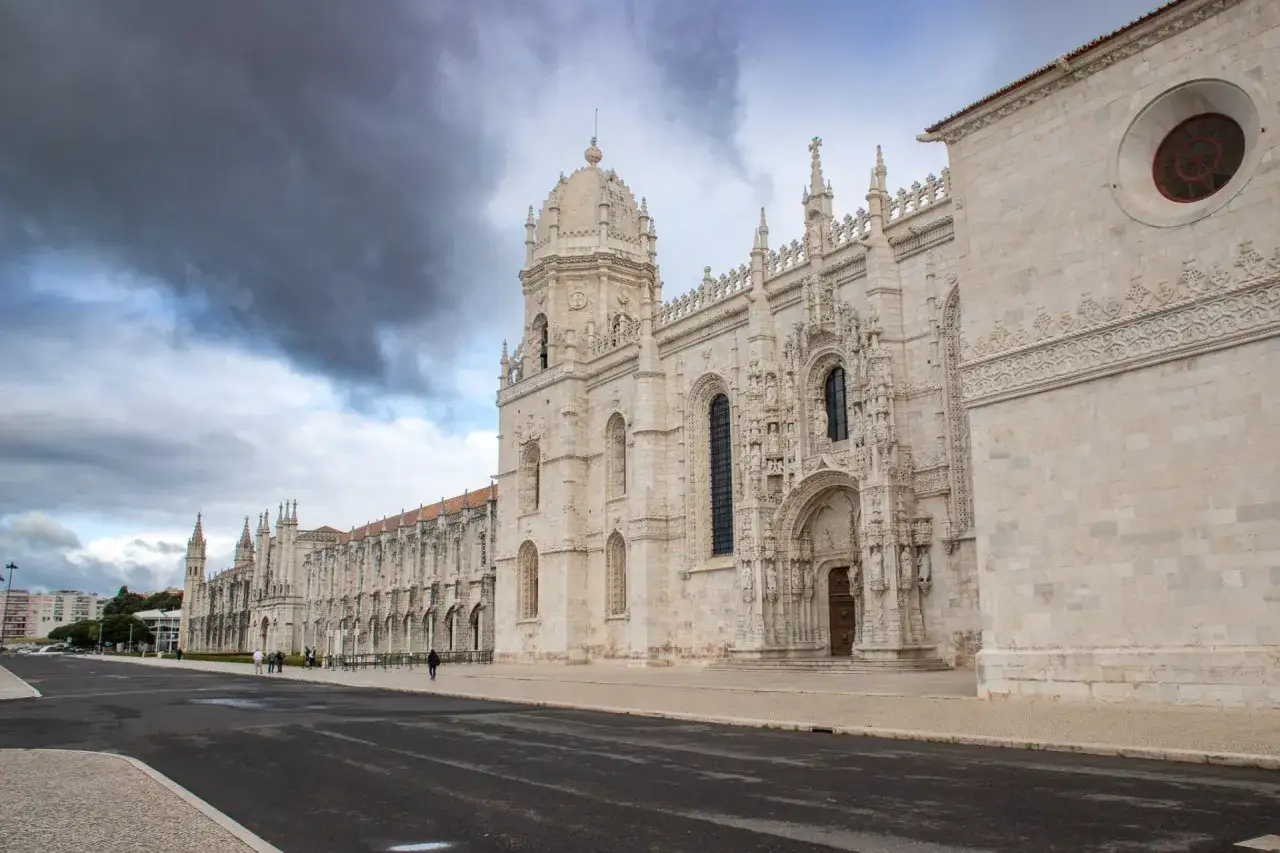
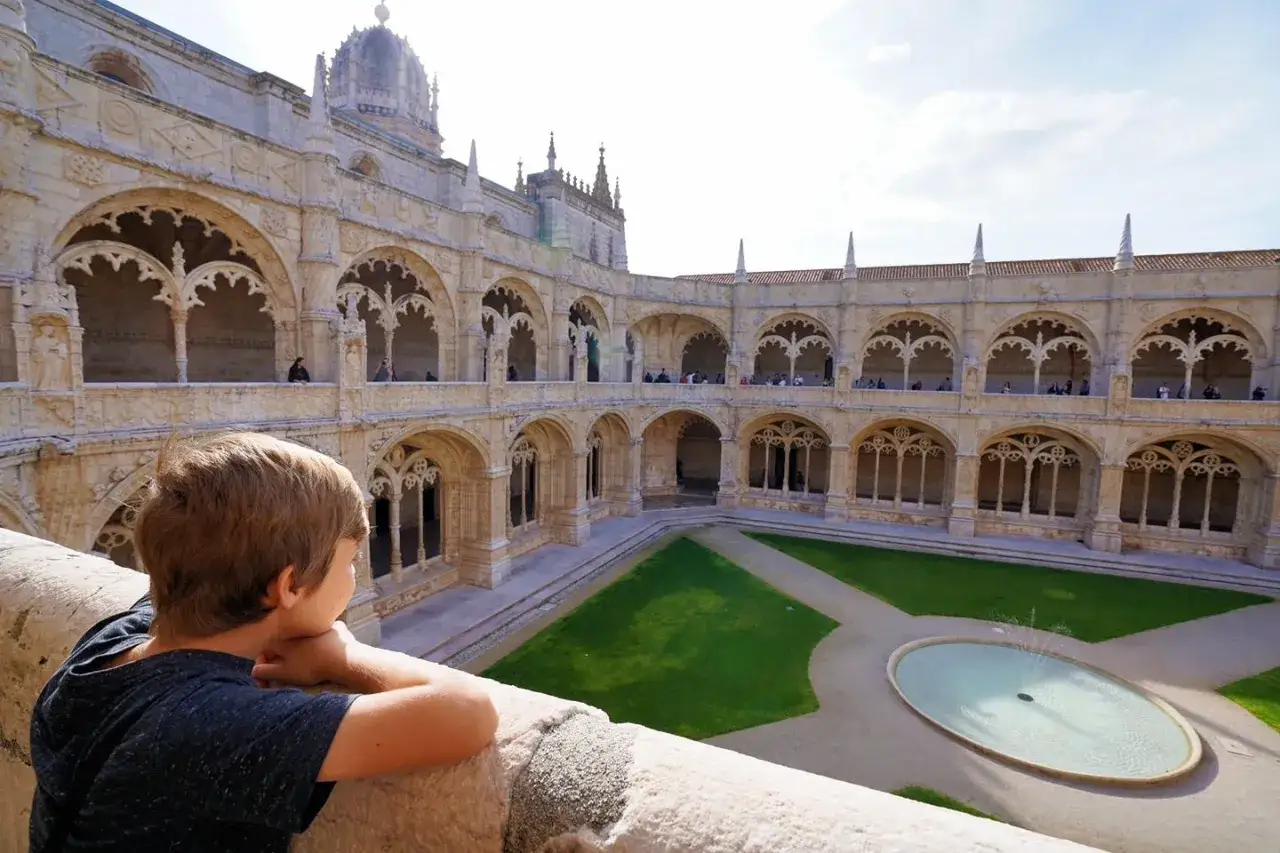
| Belém | Jerónimos Monastery, Belém Tower, the Monument to the Discoveries, and a strong riverside setting | When you want the classic monument-heavy version of the day |
| Chiado | Cafés, easy walking, bookshops, and a more central lunch stop | When you want less transit and a slower, more balanced pace |
If you choose Belém, I would not try to force every sight into one visit. For a short day, one interior or one major monument is enough, then I would move outside for a riverside walk and a pastry stop. If you stay in Chiado, the day becomes smoother and less logistically heavy, which matters more than people admit once the hills have already done their work. Visit Portugal’s Lisbon guide clusters the city’s classic highlights in exactly this kind of route logic, and that is one reason the plan holds up so well.
- Belém is better if: you care most about iconic architecture and river views.
- Chiado is better if: you want a more relaxed lunch and fewer cross-town transfers.
- My rule: if your legs already feel tired by lunch, stay central and enjoy the day instead of forcing distance.
Either choice can work, but Belém gives the more memorable first-visit feel, while Chiado gives the more comfortable one. The next question is how to move between these pieces without wasting energy.
Move around the city without burning time
Lisbon looks compact on a map, but the hills change everything. Walking is still the best way to experience the city’s texture, yet it stops being the best way to connect every stop once the route gets longer. My preferred mix is simple: walk the historic center, use transit for cross-town movement, and treat scenic trams as a nice extra rather than the backbone of the schedule.
| Transport | Best use | Why it helps |
|---|---|---|
| Walking | Baixa, Alfama, Chiado, and short scenic links | It keeps you close to the atmosphere and avoids unnecessary waiting |
| Metro | Fast cross-city jumps, especially from the airport or between central hubs | Reliable and efficient when you need to save time |
| Taxi or ride-hail | After lunch, or any time the hills start to dominate the day | More expensive, but it protects the rest of your itinerary |
| Tram 28 | When you want the experience more than the speed | Iconic, but slow and often crowded, so it is not the best backbone for a tight schedule |
Visit Lisboa currently positions the Lisboa Card as a practical option when you plan to combine transport with several attractions, and that makes sense for a dense day. I would still check whether you will actually use enough paid entries and transit to justify it, because a pass is only useful when it changes your behavior. If you are simply moving between a few main stops, paying as you go is often the cleaner choice. My strongest advice is this: do not turn Tram 28 into a mission. It is a mood, not a strategy.
The route I would choose when the clock is the boss
If I had to compress Lisbon into one realistic first-day route, I would keep it simple and resist the urge to over-plan. I would start early, stay in the historic center through late morning, move to one strong viewpoint, then decide at lunch whether the afternoon belongs to Belém or to an easier central walk. That keeps the day feeling full without becoming punishing.
- 8:30 a.m. Breakfast in Baixa and a short walk through Praça do Comércio.
- 9:00 to 11:00 a.m. Walk into Alfama, visit the cathedral area, and stop at one viewpoint.
- 11:00 a.m. to 12:30 p.m. Coffee, a slow descent through the old streets, and a light reset before lunch.
- 12:30 to 2:00 p.m. Lunch in Chiado, or head west if Belém is your priority.
- 2:00 to 5:00 p.m. Belém monuments and a riverside walk, or a more relaxed central afternoon if you want less movement.
- Late afternoon Give yourself at least one unhurried hour by the water or on a terrace before dinner.
The biggest mistakes are easy to name: trying to add Sintra, stacking three museums, or letting transport decisions eat the middle of the day. Lisbon is better when you leave some air between the stops. If you do that, the city feels generous instead of compressed, and you leave with the old center, one strong view, and the river light that makes the whole place stick in memory.