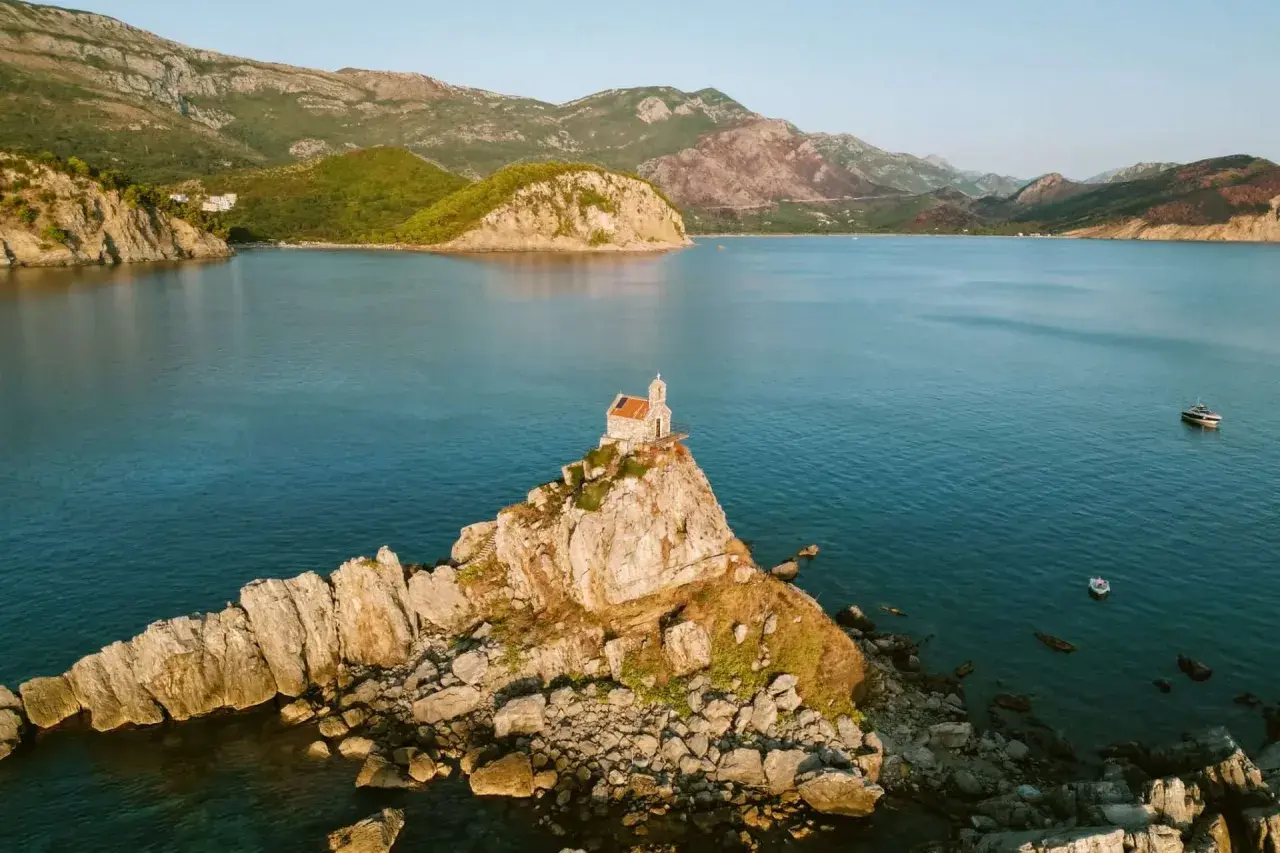
Montenegro rewards a route that moves from the Bay of Kotor to the inland mountains without trying to cram every stop into one week. A strong Montenegro itinerary gives you old towns, Adriatic water, national parks, and enough breathing room to actually enjoy the drive between them. I would build the trip around two or three bases rather than a different hotel every night, because that is what keeps the plan realistic.
Key things to know before you start planning
- Seven days is the sweet spot for a first trip if you want coast, lakes, and mountains without rushing.
- Kotor, Lake Skadar, and Durmitor are the three anchors I would prioritize first.
- A rental car helps a lot if you want viewpoints, national parks, and flexible beach stops.
- May, June, September, and early October are usually the easiest months for balance.
- Two or three bases are better than changing towns every night.
- Book early in summer if you want the best coastal stays and the most popular mountain lodges.
Why Montenegro works best as a coast-and-mountains trip
The reason I like planning around Montenegro’s contrasts is simple: the country feels compact on a map, but the landscape changes fast enough to make every leg feel different. One day can give you stone-walled old towns, the next a boat ride on a lake, and the day after that a cooler mountain base with proper hiking terrain. That variety is the real value here, not just ticking off famous places.
For me, the mistake is treating the coast as the whole story. The Bay of Kotor and the Adriatic towns are the easiest entry point, but the inland parks are what give the trip depth. You do not need to overcomplicate it; you just need to protect time for one mountain area and one slower water day, then let the route breathe from there.
That balance becomes easier to see once you decide how much time you actually have, because the country rewards different trip lengths in very different ways.
How many days you actually need
I would not try to “do Montenegro” in a single formula. The right length depends on whether you want a coastal sampler, a proper road trip, or a more complete outdoor loop. The table below is how I would break it down for practical planning.
| Trip length | What fits comfortably | What I would skip |
|---|---|---|
| 3 days | Kotor, one Bay of Kotor excursion, and one easy inland half-day | Durmitor and any long cross-country detour |
| 5 days | Kotor plus Lake Skadar or Budva, with one night inland | Too many hotel changes and the deepest northbound drive |
| 7 days | A full coast-and-mountains route with a real pace | Nothing essential, but I would still keep the schedule selective |
| 10 days | A slower version with extra beach time, hiking, and one quieter southern stop | Only the temptation to overbook activities |
My honest take is that seven days is the minimum that lets the country make sense. Less than that, and you are choosing either a coastal break or an inland adventure, not both. Once you know your trip length, the route itself becomes much easier to design.
A seven-day route I would actually use
If I were planning a first trip, I would keep the route simple and let the scenery do the heavy lifting. Start on the coast, move to the lake country, then finish in the mountains. That order works because it eases you into the trip before the driving gets more demanding.
-
Day 1: Arrive and settle in Kotor.
Use the first day for a low-stress landing, especially if you are connecting from the US through Europe. Kotor is ideal because you can walk the old town, have a long dinner, and avoid wasting energy on a complicated transfer.
-
Day 2: Explore the Bay of Kotor properly.
Spend the day in Perast, take a boat to Our Lady of the Rocks, and leave room for the Kotor–Lovćen cable car if the weather is clear. The cable car ride is only 11 minutes, but the views make it feel like a much bigger excursion. This is the day to do the classic bay experience instead of trying to squeeze it into an evening walk.
-
Day 3: Move to Lake Skadar and slow the pace down.
Virpazar is the most practical base here. I would plan a boat ride on the lake, then keep the afternoon open for wine tasting, a village lunch, or a quiet shoreline walk. After two coastal days, the lake gives the trip a different rhythm.
-
Day 4: Use the lake region as a recovery day.
This is the day I would keep flexible. If you want a fuller outdoor feel, add kayaking or a second boat outing. If you want something calmer, stay close to the water and let the route feel less scheduled. That flexibility matters more than people expect.
-
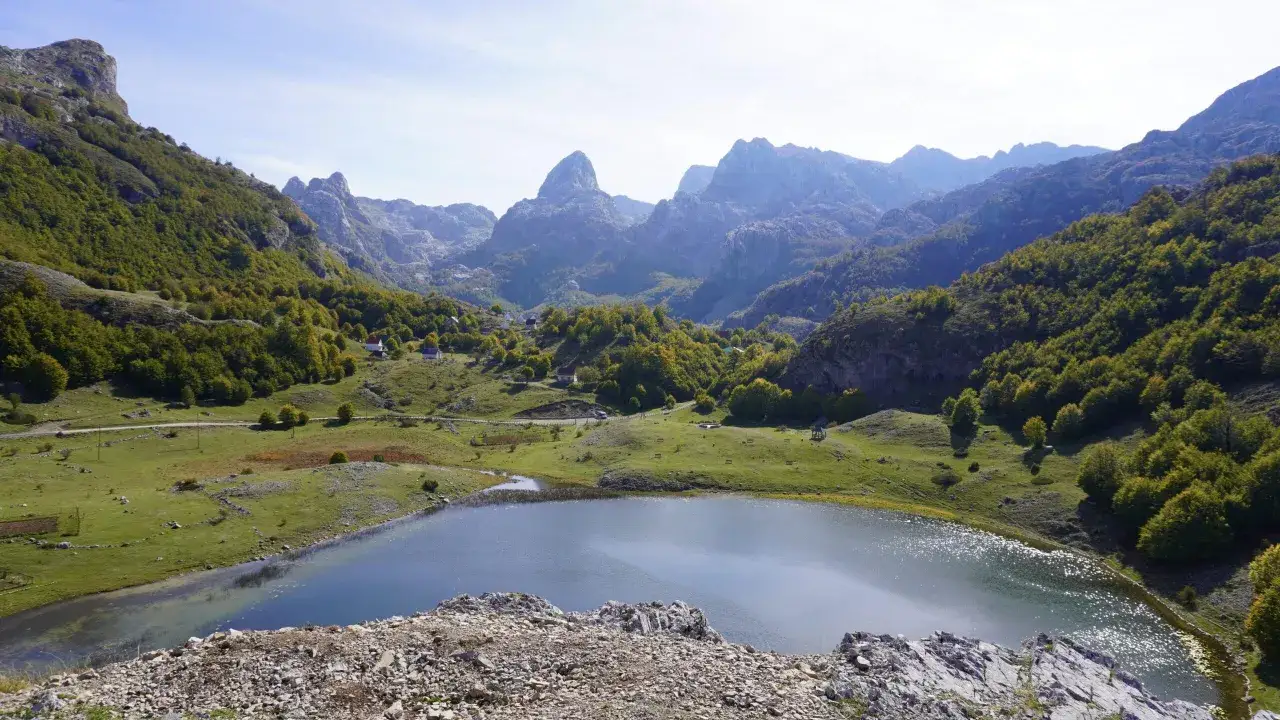
Day 5: Drive north to Žabljak and the Durmitor area.
This is the part of the trip where Montenegro starts to feel truly alpine. I would arrive early enough to take an easy walk, settle in, and not force a big hike on the same day. The road itself is part of the experience, and it usually takes longer than a map suggests.
-
Day 6: Spend a full day in Durmitor.
Black Lake is the simplest classic stop, but I would also leave time for Tara Canyon viewpoints or rafting if that is your style. This is where an outdoor-focused trip pays off. You do not need to chase every trail; one well-chosen hike or water activity is enough.
-
Day 7: Return toward the coast or finish near your departure airport.
If you have an evening flight, a final night in Podgorica or back on the coast can make the departure smoother. If you have one more day, I would rather add a relaxed coast evening than another long mountain transfer.
If you only have six days, I would combine the lake and recovery days. If you have eight or nine, I would not add more towns first; I would add more breathing room. That is how a route stays memorable instead of becoming a checklist.
Once the route is set, the next question is where to sleep so you are not paying for unnecessary backtracking.
Where to stay so the route stays efficient
I prefer building a Montenegro trip around a few smart bases, because the country is beautiful enough that even short transfers feel like part of the vacation. The trick is not to chase variety for its own sake. Pick the places that reduce friction and support the type of day you want.
| Base | Best for | Why it works | Tradeoff |
|---|---|---|---|
| Kotor | First-time visitors, historic towns, bay excursions | Walkable, atmospheric, easy to reach major bay sights | Busy in peak season and parking can be annoying |
| Virpazar | Lake Skadar, boat trips, wine country | Small, calm, and well placed for the lake | Not a place for nightlife or big hotel choice |
| Žabljak | Durmitor, hiking, rafting, mountain air | Best access to the north’s outdoor terrain | Farther from the coast than many first-timers expect |
| Budva or Tivat | Beach time, easier airport logistics, a more resort-style stay | Convenient if you want a coast-first or coast-last trip | Less intimate than Kotor and easier to overbook |
| Ulcinj or Ada Bojana | Quieter southern beaches, kitesurfing, a slower finish | Feels different from the Bay of Kotor crowd | Best for trips with enough time to spare |
For most travelers, I think two bases are enough for a short trip and three bases are enough for a week. More than that, and the movement starts to eat into the experience. That is also where budget and transport choices start to matter, because convenience is rarely free.
How much a Montenegro trip usually costs
I like to budget in ranges rather than chase exact numbers, because the country changes quickly between shoulder season and peak summer. For planning purposes, I would use these rough bands per person, per day, excluding long-haul flights:
| Travel style | Typical daily range | What that usually covers |
|---|---|---|
| Budget | $60-$100 | Simple guesthouses, local food, bus travel or shared transfers, and limited paid activities |
| Midrange | $120-$220 | Comfortable rooms, a rental car, restaurant meals, and a few guided outings |
| Comfort or luxury | $250+ | Better coastal hotels, private transfers, premium dining, and more boat or tour spending |
The biggest swing cost is usually transport, especially if you rent a car during the busy season or move between popular coastal towns. Accommodation is the next thing that moves quickly in summer. If you are traveling from the US, I would protect the budget by keeping the trip focused rather than trying to see every corner of the country at once.
That brings us to the practical question that shapes almost everything else: whether you should drive, take buses, or hire transfers.
Car rental, buses, and transfers
This is the one decision that changes the feel of the trip more than anything else. Montenegro is small enough that public transport can work between major towns, but scenic detours, mountain viewpoints, and flexible beach stops are much easier with your own car.
| Option | Best for | Pros | Limits |
|---|---|---|---|
| Rental car | First-time road trips, national parks, scenic stops | Maximum flexibility, easier route control, better access to inland areas | Parking, winding roads, and higher summer prices |
| Bus | Budget travelers and town-to-town movement | Cheaper and simple for major routes | Less frequent, slower, and not ideal for remote sights |
| Private transfer | Airport moves, one-way days, or stress-free travel | Comfortable and efficient | Costs more than a rental or bus |
My rule is straightforward: if your trip includes Durmitor, Lake Skadar, or any route that depends on viewpoints and village stops, I would rent a car. If you only want Kotor, Budva, and a simple coast stay, you can get by without one. What I would not do is pretend every day will be fast; mountain roads and summer traffic can turn short distances into long half-days.
Once transport is settled, the last big variable is timing, because Montenegro changes character noticeably across the year.
The best time to go for this kind of route
I think of Montenegro in three useful travel windows. The first is the shoulder season, the second is peak summer, and the third is the quieter off-season. Each one works, but they solve different problems.
| Season | What it feels like | Best for | Watch out for |
|---|---|---|---|
| Spring, especially April and May | Mild, clear, and usually less crowded | Old towns, hiking, first beach days, and smoother driving | Sea temperatures may still feel cool for longer swims |
| Summer, especially June through August | Warmest and most active | Beach time, boat trips, and long days outdoors | Crowds, higher prices, and stronger demand for parking and rooms |
| Autumn, especially September and early October | Warm but calmer | My favorite balance of sea and mountains | Some seasonal services begin to slow down later in autumn |
| Winter | Quiet and more local | Low crowds, mountain atmosphere, and slow travel | Beach towns lose energy and weather becomes less predictable |
If your trip leans toward hiking and mixed scenery, I would favor spring or autumn. If your trip is mostly about the coast, summer still works, but book earlier and expect more friction. The coast has a long swimming window, yet the north feels best when the air is cooler and the roads are not at their busiest.
Even with the right month, I still see travelers make the same few planning mistakes, and those are easy to avoid once you know where the pressure points are.
The mistakes that make the schedule feel cramped
- Changing towns too often. Moving every night looks efficient on paper, but it usually creates dead time, especially once you factor in packing and parking.
- Underestimating mountain roads. Distances are short, but curves, views, and slower traffic add up. I always leave more buffer than a map suggests.
- Trying to treat Budva and Kotor as the same experience. They serve different moods. Kotor is the better historic base; Budva is more beach-and-energy oriented.
- Booking nothing in peak summer. Boat trips, cable cars, and the best stays can fill quickly, and the lack of a plan becomes the most expensive part of the trip.
- Ignoring layers. The coast can feel warm while the mountains turn cool fast, so beach-only packing creates a very avoidable problem.
- Trying to force every national park into one week. I would rather see one mountain area well than drive past four of them in a hurry.
The simple fix is to build the trip around a few deliberate anchors and leave the rest open. That gives you flexibility when the weather shifts, and it keeps the route from feeling like an itinerary built to impress nobody but a spreadsheet.
The few details I would lock in before departure
Before I leave the US for Montenegro, I like to confirm four things: the first hotel, the last hotel, the main transport plan, and one must-do activity. That is usually enough structure to keep the trip smooth without overplanning every hour.
I would also keep one spare day flexible. That day can absorb a ferry delay, a slower lunch, a beach afternoon that runs long, or a mountain stop you did not expect to love. In a country like this, the best moments are often the ones that are not overengineered.
If you only remember one thing from this Montenegro itinerary, make it this: give the coast and the north equal respect. That is what turns the trip into something scenic, varied, and genuinely satisfying instead of just a string of pretty stops.