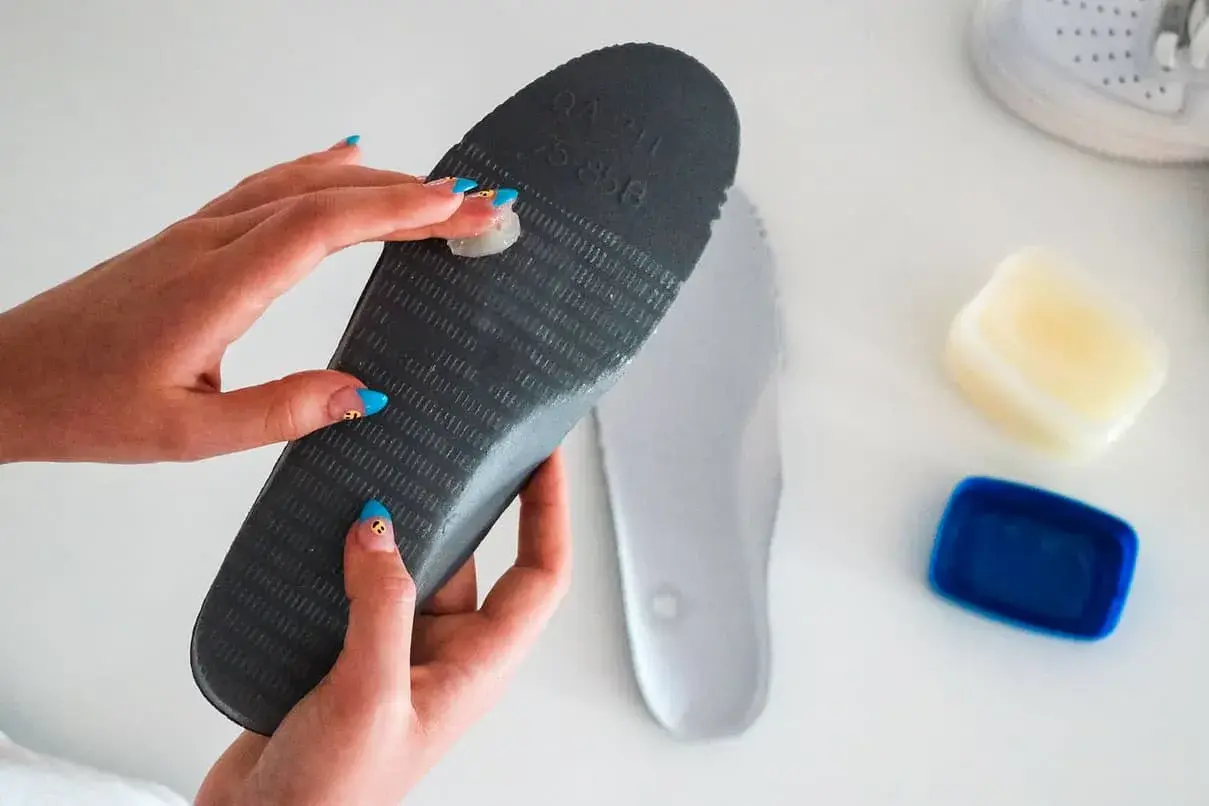
The answer to why are my tennis shoes squeaking is usually far simpler than people expect: friction, moisture, or a loose internal layer. In tennis shoes and hiking footwear alike, the noise often comes from the insole, the tongue, the outsole, or water trapped where two materials meet. I’ll walk through the likely causes, the quickest way to isolate the sound, and the fixes that actually hold up on trail days and everyday wear.
Most squeaks come from friction, moisture, or movement inside the shoe
- A wet insole or footbed is the most common trigger after rain, sweat, or washing.
- If the sound changes when you remove the insole, the problem is usually internal rubbing.
- New shoes often squeak until the materials soften and settle.
- Hiking shoes squeak more when grit, waterproof linings, or stiff midsoles add extra friction.
- If the sound survives drying and cleaning, suspect separation, fit, or a defect.
What the squeak usually means
In most cases, a squeak is just two surfaces moving against each other when they should be quieter. The usual suspects are the insole and footbed, the tongue and laces, the upper and the midsole, or the outsole and a slick floor. In hiking footwear, I see the noise more often because the shoes are built stiffer, hold moisture longer, and flex less naturally than casual sneakers. Once you know which surfaces are rubbing, the diagnosis gets much faster.
That is why I separate squeaks into three buckets: inside the shoe, outside the shoe, and surface-specific noise. A shoe that squeaks only on tile is telling you something different from a boot that creaks every time you flex it by hand. That distinction matters, because the fix depends on where the movement is happening.
How to locate the source in a minute or two
I usually start with a simple divide-and-conquer test. Walk on carpet, tile, and pavement; then flex the shoe in your hands and press down on the heel and forefoot. If the squeak only happens on hard indoor floors, the outsole or surface may be the issue. If it happens when you flex the shoe off your foot, the sound is probably coming from the upper, insole, or midsole.
| What you notice | Likely source | Best first move |
|---|---|---|
| Squeak only on hard indoor floors | Outsole against the surface | Test it outdoors or on carpet; clean the tread if it is slick or dusty |
| Squeak after rain, sweat, or washing | Moisture under the insole or inside the lining | Remove the insole and air-dry the shoe for 12 to 24 hours |
| Squeak changes when you tighten the laces | Tongue, eyelets, or lace friction | Relace the shoe and even out the tension across the top of the foot |
| Squeak remains when the shoe is dry and off your foot | Internal rubbing or structural wear | Inspect seams, glued layers, and the insole fit more closely |
If one shoe is louder than the other, I treat that as a clue, not a coincidence. Left-right mismatch often means one insole is sliding, one side picked up grit, or one layer has started to separate. From there, the right fix depends on whether the problem is moisture, fit, or a loose component.
The fixes that actually work
For damp shoes, I start with room-temperature drying: pull the insole, loosen the laces, stuff the shoe lightly with paper, and let it dry for 12 to 24 hours. Nike recommends drying the shoe out and, when the squeak is under the insole, reducing friction at that interface; that lines up with what I see most often in both trainers and hiking shoes. I would skip heaters, radiators, and direct sun, because they can warp foam and make the problem worse.
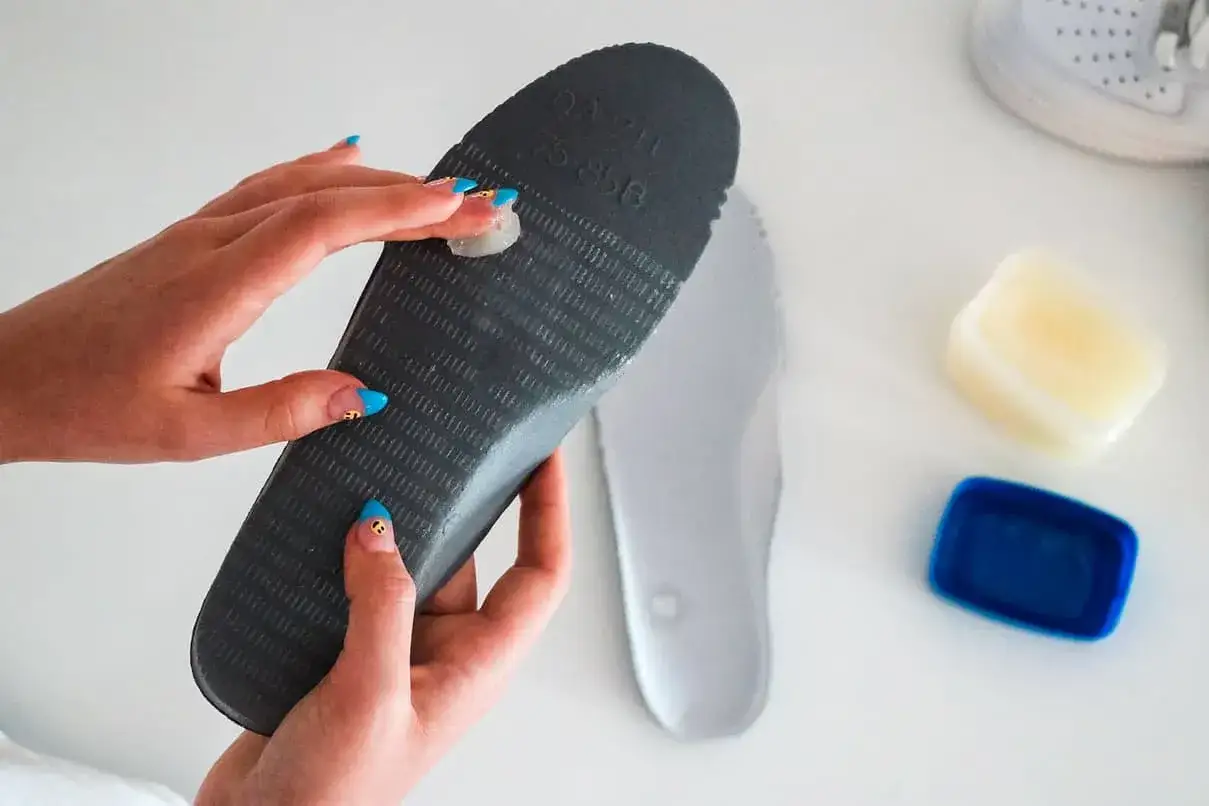
Reseat the insole
Remove the insole, wipe away grit, and make sure it lies flat in the footbed. A thin dusting of baby powder or cornstarch under the insole can help if the shoe is dry but still rubbing; HOKA points to trapped moisture and moving insoles as common squeak triggers, and powder works by interrupting that contact. Shake out the excess, because too much powder can clump once the shoe gets wet again.
Reduce tongue and lace friction
If the sound changes when you tighten the laces, the tongue is probably shifting against the upper. Re-lace the shoe so the tension sits evenly across the top of the foot, and avoid cinching the top eyelets harder than the rest. On long hikes, that small adjustment matters; a tongue that moves an extra few millimeters with every step can make a quiet shoe sound surprisingly loud.
Match the fix to the material
I only reach for conditioner when I am dealing with a dried-out leather boot. Mesh trail shoes, synthetic hikers, and waterproof shells usually do better with cleaning and drying, not oils. Oil-based products can attract dirt, and once trail grit gets involved, the squeak may come back faster than before.
Read Also: Heel Lock Lacing - Stop Blisters & Improve Boot Fit
Check the outsole and midsole
Sometimes the noise is not inside the shoe at all. Pebbles, packed mud, or a sticky outsole can make a shoe chirp against the ground, especially on polished floors or smooth stone. If the tread is visibly clogged, brush it clean before you start changing anything else. That is a small step, but it fixes more “mystery squeaks” than people expect.
Why hiking footwear squeaks more on wet or gritty trails
Hiking shoes live a harder life than office sneakers. They take on sweat, rain, stream crossings, mud, sand, and temperature swings, and each of those can change how the layers inside the shoe move. On a damp coastal path or a long descent on rocky ground, a squeak is often just moisture plus pressure. A waterproof membrane can slow drying, which means the shoe may sound noisy for hours after the rain has stopped.
The shank is another part worth understanding: it is the stiff support piece built into many boots to control twisting. When it flexes against nearby foam or stitching, it can creak. New hikers often think that sound means the boot is failing, but in many cases it is simply a stiff shoe settling in. The real question is whether the sound fades as the shoe breaks in or stays locked to the same point step after step.
- New pair: often quiets after a few outings.
- Wet shoe: usually needs a full dry-out, not just an overnight rest.
- Gritty trail: small stones or sand can sit under the insole or between layers.
- One-sided squeak: often fit or wear asymmetry, not a general design issue.
When the squeak is tied to weather or trail debris, it is usually manageable. When it keeps returning in the same spot, I start thinking more seriously about wear than about maintenance.
When the shoe itself is the problem
If the noise survives drying, cleaning, and reseating the insole, I stop treating it as a normal maintenance issue. A separated outsole, a loose shank, a cracked footbed, or visible delamination can all create a persistent squeak. Delamination just means glued layers are starting to pull apart, and in hiking footwear that can show up as a sound before it becomes obvious at a glance.
- The squeak is in the same spot every time.
- Only one shoe makes the noise.
- The sound appears when you twist the shoe by hand.
- You can see a gap, bubble, or lifted edge in the sole.
When that happens in a newer pair, I would use the retailer return window or brand warranty rather than trying to mask the symptom. The squeak is usually the least expensive part of the problem; the longer-term issue is the layer movement that caused it.
What I would do before the next hike
I keep the routine simple: dry the shoes at room temperature, knock grit out of the tread, remove the insoles, and relace the pair so the tongue sits flat. If the shoe is still noisy after that, I test it on carpet and then on hard ground so I know whether the sound is coming from the shoe or the surface. That five-minute check saves a lot of guesswork before a day on the trail.
- Dry wet shoes for at least 12 hours before judging the fix.
- Use socks that wick moisture instead of trapping it.
- Trim or replace worn insoles if they no longer sit flat.
- Keep a small brush or cloth in your gear bag for mud and sand.
- Retire a pair that squeaks because the sole is separating or the structure is failing.
In practice, that is the line I use: if the shoe only squeaks after weather or sweat, I treat it as maintenance; if it squeaks on dry ground after a proper reset, I start thinking about fit, wear, or a defect.