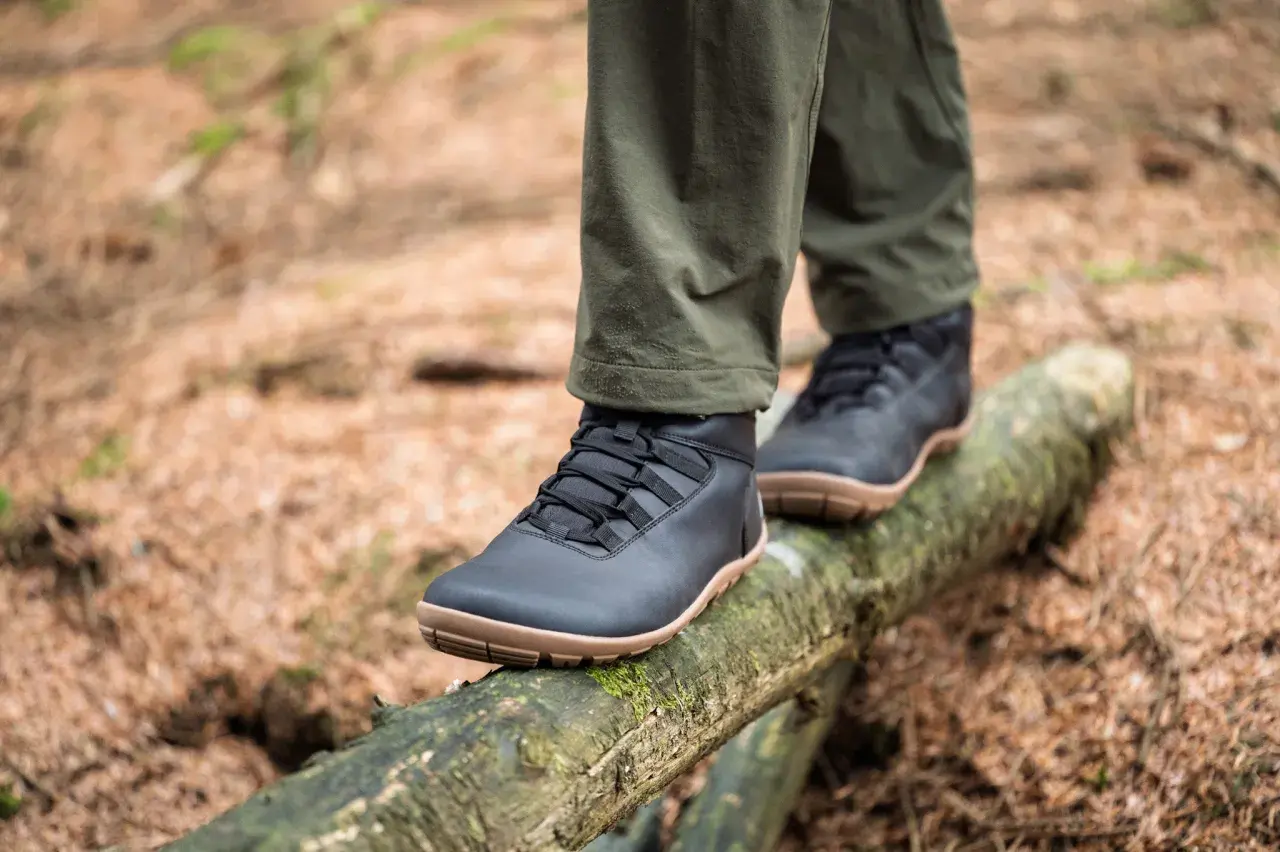
Winter walking and hiking do not always call for boots. There are plenty of shoes to wear in winter besides boots, but the right pair depends on how cold, wet, and icy the day will be. For most active use, I look first at low-cut hiking shoes, winterized trail runners, and a few insulating add-ons that make a light shoe work harder than people expect.
The practical takeaways
- Waterproof low-cut hiking shoes are the most versatile non-boot choice for wet sidewalks, slushy paths, and packed snow.
- Trail runners can work in winter if you move fast, stay on maintained trails, and do not expect much standing around.
- Warm socks, gaiters, and traction devices often matter as much as the shoe itself.
- Insulation helps less than fit if the shoe is too tight for winter socks or lets snow in from the top.
- Deep snow, long exposure, and slow travel are the points where boots still make more sense.
What winter footwear has to do well
When I judge cold-weather footwear, I do not start with style or brand. I start with four things: warmth, water resistance, traction, and fit. A shoe can be great on paper and still fail outdoors if it traps sweat, slides on ice, or leaves no room for a proper sock.
The other trap is assuming that every winter day is the same. A dry, sunny trail in the American Southwest asks for a very different shoe than a wet, slushy park path in the Midwest or a frozen ridge walk in the Northeast. That is why the best answer is usually a system, not one magic shoe.
For active hikers, REI’s current hiking footwear guidance still treats lower-cut shoes and trail runners as legitimate hiking options, which matches what I see in the field: lighter shoes can absolutely work when the route is managed and the weather is not punishing. The catch is that the more winter behaves like winter, the more the rest of the setup matters.
The best non-boot options for cold-weather hiking
For actual hiking, I would narrow the field to a few categories rather than shopping blindly. Each one solves a different version of the cold-weather problem, and each one has a clear limit.
| Option | Best for | Why it works | Tradeoff |
|---|---|---|---|
| Waterproof low-cut hiking shoes | Wet pavement, slush, packed snow, mixed trail days | They stay light, walk naturally, and usually have better tread than a casual shoe | Less warmth than boots and easier for snow to enter from the top |
| Winterized trail runners | Fast-moving hikes on maintained trails | Efficient, light, and easy to pair with gaiters or traction devices | Not ideal for long stops, deep snow, or cold wind exposure |
| Leather hiking shoes | Cold-dry conditions and rougher terrain | Durable uppers and a little more structure than many mesh shoes | Heavier and slower to dry if they soak through |
| Insulated low hikers | Shorter winter outings or lower-output walks | They add warmth without forcing you into a tall boot | Can feel sweaty on steep climbs or hard efforts |
| Approach shoes with winter traction | Dry cold, rocky terrain, travel days with mixed walking | Precise footing and sticky rubber on rock | Usually too minimal for snow, slush, or long icy sections |
Price is part of the story too. In the U.S. market, a solid pair of waterproof low-cut hiking shoes usually sits somewhere around $130 to $180, while lighter trail shoes often start closer to $100 and climb from there if they use premium materials. That does not make the expensive pair automatically better, but it does show how much winter performance you can buy without jumping to a boot.
My blunt read: if you want one pair for most winter errands, travel, and short hikes, choose waterproof low-cut hikers. If you want the lightest possible setup for moving fast, trail runners are the better compromise. The next question is how to match those choices to the actual trail.
How to match the shoe to the trail
Winter footwear only makes sense when it fits the conditions. A shoe that feels perfect on a cold, dry day can become a bad choice the minute the route turns wet or the footing gets glazed.
For packed snow and frozen paths
This is where low-cut hiking shoes can do very well, especially if the outsole has real bite. Add a crew-height wool sock and, if the trail gets slick, traction devices. I would rather have a grippy shoe with a good spike setup than a warm shoe with a slippery sole.For slush, rain, and wet pavement
Waterproof low-cut hikers usually win here because they keep the day manageable without feeling bulky. This is also where gaiters help more than most people expect, because they stop slush from pouring over the collar and soaking your socks from the top down.
For dry cold and steady movement
If the trail is cold but not wet, winterized trail runners can be the smartest choice. Andrew Skurka has long argued that waterproof footwear makes more sense in winter than in drier three-season use, and I agree with the basic logic: once moisture and snow are part of the day, a shoe that controls that moisture is worth more than a shoe that simply looks tough.
Read Also: Merrell Nova 4 Review - Your Next Trail Shoe?
For travel days and scenic walks
When I am moving between trailheads, cafes, viewpoints, and short walks, I prefer a low-profile shoe that still behaves like outdoor footwear. It is easier to live with, easier to pack, and far less awkward than carrying a boot you only need for one hour of actual trail time.
The cleanest way to choose is simple: if the route is fast, maintained, and not deep in snow, stay low. If the route is slow, wet, or exposed, you need more protection, even if that means admitting boots would solve the problem better.
What to pair with low-cut shoes so they actually work
A winter shoe is only as good as the system around it. In practice, socks, gaiters, and traction can change the experience more than the logo on the side of the shoe.
- Socks matter first. REI’s sock guidance still points out that no-show socks are minimal protection and crew socks work well with low- to mid-cut shoes. For winter, I usually want a merino or synthetic crew sock rather than a thin ankle sock.
- Gaiters keep the top clean. If you are walking through powder, slush, or wet brush, they stop debris and snow from dropping into the collar. That matters more with low shoes than with boots because the opening is simply closer to the ground.
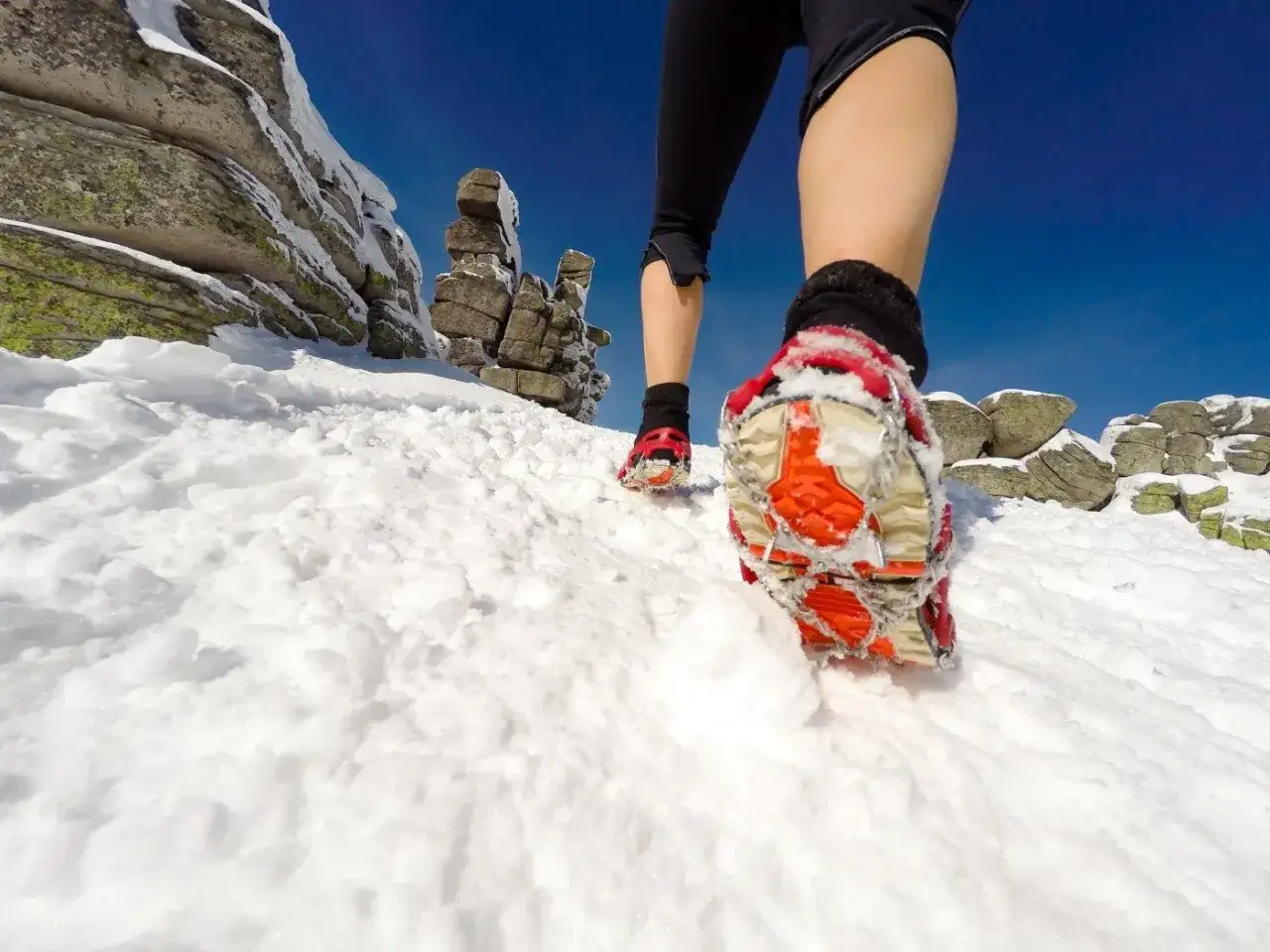
- Traction devices are the real winter equalizer. REI sells MICROspikes with the simple promise that they work with almost any shoes or boots, and that is exactly why they are so useful. On icy trails, a low-cut shoe plus spikes is often safer than a tall shoe with weak tread.
- Fit should leave room for function. Your toes need space to move, your heel needs to stay locked, and the shoe should not squeeze the sock so hard that warmth disappears. Too much pressure in winter usually feels worse, not better.
Cost is worth thinking about here too. Lightweight chain-style traction can start around the low $20 range, solid MICROspikes are often around $80 to $90, and more aggressive crampon-style tools can run well above that. In other words, the shoe may be only part of the budget; the winter system is what makes the shoe useful.
The mistakes that make good winter shoes feel bad
Most winter footwear problems come from bad assumptions rather than bad shoes. I see the same mistakes over and over, and they are easy to avoid once you name them.
- Buying for warmth alone. A warm shoe with poor traction or a sloppy fit will still make you miserable.
- Thinking waterproof means cozy. Waterproofing helps with wet conditions, but it does not automatically create insulation.
- Using cotton socks. Cotton holds moisture, and moisture is the fastest way to make cold feet worse.
- Ignoring drying time. Waterproof shoes can be slower to dry after a full soak, which matters if you hike several days in a row.
- Choosing fashion sneakers for real trail conditions. They may look fine on the drive over and fall apart the moment the route turns icy or rough.
- Skipping traction on hardpack ice. Even a good outsole has limits when the ground turns slick enough to skate on.
The waterproof question deserves one honest caveat. Andrew Skurka’s winter advice is useful because it makes the tradeoff plain: waterproof footwear can trap too much heat and perspiration in warmer, drier conditions, then dry slowly once it gets wet. That is not an argument against winter shoes; it is an argument for choosing them only when winter conditions are actually part of the day.
What I would choose for a cold-day hike without boots
If I had to build a simple winter setup for most U.S. day hikes, I would start with a waterproof low-cut hiking shoe, a crew-height merino sock, and a light gaiter. That covers more real-world conditions than people expect, especially on packed snow, muddy shoulder-season trails, and wet urban walks that feel colder than the thermometer suggests.
If I expected a fast pace and mostly dry cold, I would switch to a winter-ready trail runner with strong lugs and keep traction devices in the pack. If I expected long standing, deep snow, or constant exposure to wind and slush, I would stop trying to force a shoe solution and move back to boots. That is the honest line, and it saves money as well as discomfort.
So the short answer is this: choose the lightest non-boot shoe that still handles the wettest, iciest part of the route, then build the rest of the system around it. That approach gives you far more flexibility than buying one pair for every winter situation, and it is usually the difference between an enjoyable cold-weather hike and a miserable one.