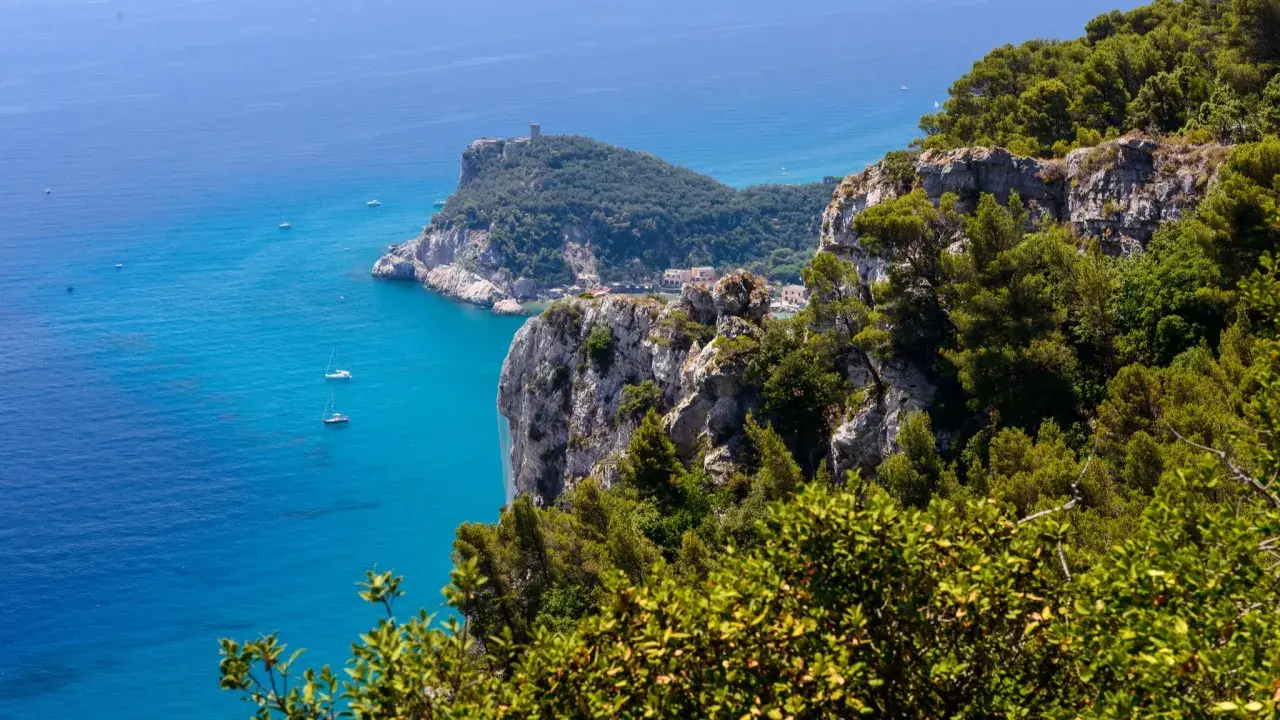
The coast of Liguria is one of those places where the map looks small, but the experience feels layered. Along the ligurian coast, steep hills drop into fishing harbors, hiking paths sit above the water, and the most rewarding stops are often the ones that look modest at first glance. In this guide I focus on the destinations that are actually worth your time, how to group them into a sensible route, and where the practical tradeoffs show up before you book anything.
The trip works best when you choose a base, not a checklist
- Plan around one or two bases instead of changing hotels every night.
- The eastern side gives you the most iconic scenery; the western side is better if you want more space and a slower rhythm.
- Cinque Terre is only one part of the story, even if it is the best-known one.
- For most visitors, trains and ferries beat driving.
- Five days is the sweet spot for a first trip; three days works only if you keep the scope tight.
What makes this coastline worth planning around
What makes this stretch special is the compression. In a few kilometers you move from old port cities to tiny fishing coves, from promenades to ridge paths, and from polished resort towns to places that still feel very local. That is why I do not treat it as a single beach destination; it behaves more like a chain of small experiences, each with its own pace.
The geography also splits it into two useful halves. Genoa sits at the hinge between the Riviera di Levante and the Riviera di Ponente, and the two sides reward different travel styles. The east is where most first-timers go for the classic scenery, while the west gives you a calmer rhythm, longer beach time, and a little more room to breathe.
The numbers help explain the appeal. Cinque Terre covers about 18 kilometers of coastline, yet the surrounding trail system gives the area far more depth than that headline figure suggests. Italy’s official tourism materials point to roughly 120 kilometers of scenic trails there, which is a good reminder that this region is not just for sitting by the water. That mix is what makes the next decision so important: choosing the stops that fit your style instead of trying to force every famous name into one trip.
That difference is why the next step is not just choosing a town, but choosing the right kind of stop.
The destinations I would prioritize first
If I were building a first trip, these are the stops I would put at the top of the list. They are not interchangeable, and that is the point. Each one solves a different travel problem, whether you want a base, a view, a hike, or a slower day by the sea.
| Destination | Why it earns a place | Best for | Typical stay |
|---|---|---|---|
| Genoa | A large historic port city with real depth, easy rail links, and enough food and culture to anchor an arrival day. | First or last night, rainy-day backup, urban energy | 1 to 2 nights |
| Camogli and San Fruttuoso | A photogenic harbor town paired with a hidden bay that works well as a short hike or boat outing. | Short coastal walks, a low-stress scenic stop | Half a day to 1 night |
| Portofino and Santa Margherita Ligure | The showpiece harbor sits next to a more workable base, which is a useful combination if you want scenery without overcomplicating logistics. | Scenic polish, boat access, easy day trips | 1 to 2 nights |
| Cinque Terre | The classic five-village system, with trails, trains, and boats all part of the experience. | First-timers, hikers, iconic views | 2 to 3 nights |
| Portovenere and the Gulf of Poets | Dramatic scenery with a little less pressure than the most famous village clusters. | Slower scenic travel, sunset views, boat days | 1 to 2 nights |
| Finale Ligure and Varigotti | Beaches, climbing, and biking, with a coast feel that is easier to stretch out than the most crowded eastern stops. | Active travelers, beach time, a less hectic pace | 2 nights |
| Sanremo | A western anchor with a longer promenade and a more city-like atmosphere. | Longer west-coast trips, promenade walks, mild-weather stays | 1 to 2 nights |
Inside the Cinque Terre, I think of Monterosso as the beach-friendly stop, Vernazza as the most obviously photogenic harbor, Manarola as the sunset village, Riomaggiore as the tightest arrival point, and Corniglia as the one that feels most distinct because it sits higher above the sea. That difference is useful; it keeps you from treating the five villages like copies of one another.
I would not force all of these into a 4-day trip. The region rewards pairing, not collecting, and the strongest itineraries give each stop a clear job.
Once you know the stops, the real efficiency comes from choosing a base that matches your pace.
Where I would base myself
The biggest mistake I see is booking the prettiest village and assuming it will also be the easiest base. On this coast, those are not always the same thing, especially if you are arriving from the U.S. and want the first day to feel simple rather than logistical.
| Base | What it gives you | Main tradeoff | Best use |
|---|---|---|---|
| Genoa | Culture, food, and the cleanest rail arrival | Less village charm than the smaller towns | A first night, a last night, or a city break within the trip |
| Santa Margherita Ligure | A polished eastern base with easy access to Portofino | Can feel busy and pricey in high season | Travelers who want one scenic harbor base with good connections |
| Levanto | More breathing room while still working well for Cinque Terre | Quieter at night than the headline villages | Hikers, beach time, and a slower rhythm |
| La Spezia | Strong rail logistics and an easy gateway to the eastern coast | More practical than romantic | Visitors who want the least friction |
| Finale Ligure | A good base for the western coast, beaches, and outdoor sports | Farther from the eastern icons | Trips that lean toward activity rather than postcard chasing |
If you are flying in from the U.S., I would not start with a tiny village after a long transatlantic leg. Genoa or La Spezia gives you a cleaner landing point, and you can move into a smaller base once you have your bearings.
I usually avoid sleeping in more than two places on a five-day trip. More than that, and the coast starts feeling like a transfer schedule instead of a trip.
From there, transport becomes a tactical choice rather than the whole trip.
The best way to move between places
Transport is where many first trips get overcomplicated. My rule is simple: use trains for the iconic village hops, ferries for the best views, and a car only when you need flexibility beyond the coastline. In the busiest places, driving is not just inconvenient, it can also eat the time you thought you were saving.
- Train is the default choice for the eastern coast. It is the easiest way to link harbor towns and avoid parking friction.
- Ferry is the scenic choice. It makes sense when you want the coastline from the water, but schedules are more seasonal and weather-sensitive.
- Car works best if you are adding inland villages or combining the coast with a broader Italy road trip. Inside the most visited harbor towns, it often becomes the least elegant option.
My own rule is not to stack more than two transport changes in a day, and to leave at least 30 minutes of buffer when a train or ferry connection matters. That sounds small, but on a crowded coastline it is usually what keeps the day relaxed instead of rushed.
If I were planning for a U.S. visitor, I would arrive with the expectation that the coast runs on rail logic, not highway logic. That mental shift saves a lot of frustration and keeps the day focused on places instead of parking lots. Once you accept that, the question becomes less about how to move and more about when to go.
When to go and how long to stay
Seasonality changes the experience more than many travelers expect. The same village can feel relaxed in May and crowded in August, and the difference is not subtle if you care about trains, beaches, or trail access. For me, the best windows are the shoulder seasons, when the weather is still strong enough for outdoor time but the coast has not fully tipped into peak pressure.
| Time of year | What it is good for | Tradeoff |
|---|---|---|
| March to May | Clearer hiking weather, greener hills, easier movement | Early spring can still feel quiet, and not every seasonal service is fully active |
| June to August | Swimming, long daylight, lively seaside atmosphere | Hotter days, more people, and the strongest price pressure |
| September to October | Warm water, better balance, strong scenery | Later autumn can bring rougher weather and less predictable sea days |
| November to February | Quiet streets, slower pace, city-focused visits | Less outdoor certainty, and some coastal activities become limited |
If you want one simple answer, I would aim for late May, June, or September. Those months usually give you a workable balance of outdoor weather, usable sea conditions, and enough room to enjoy the villages without feeling pushed through them.
For a first trip, I would give the coast at least five days. Three days can work if you stay disciplined and keep your scope tight, but anything shorter makes you choose between iconic stops and actual time on the ground. Seven days is the point where you can add one slower beach town or a western stretch without turning the trip into a transfer exercise. That balance is what the final route should protect.
The itinerary shape I would actually use
This is the shape I would actually use. It keeps the famous places in play, but it avoids the trap of chasing them one after another with no time to enjoy the spaces between them.
| Trip length | Route shape I would use | Why it works |
|---|---|---|
| 3 days | Genoa, Camogli, and the Cinque Terre | Gives you city, sea, and trail scenery without overpacking the schedule |
| 5 days | Genoa, Portofino or Santa Margherita, the Cinque Terre, and Portovenere | Balances the postcard stops with one quieter, less crowded coastline day |
| 7 days | Add Finale Ligure or Sanremo, then keep one flexible day | Lets you see both the classic east and the more relaxed west at a sane pace |
My strongest advice is simple: choose one scenic harbor base, one rail-friendly base, and one flexible day rather than trying to touch every famous name. That gives you room for a boat ride, a proper walk, and the kind of unhurried lunch that makes this coastline memorable in the first place. If I were building the trip from scratch, I would prioritize the eastern section, leave space for Portovenere or Finale Ligure if time allows, and keep one afternoon open in case weather, ferry schedules, or a better view changes the plan.