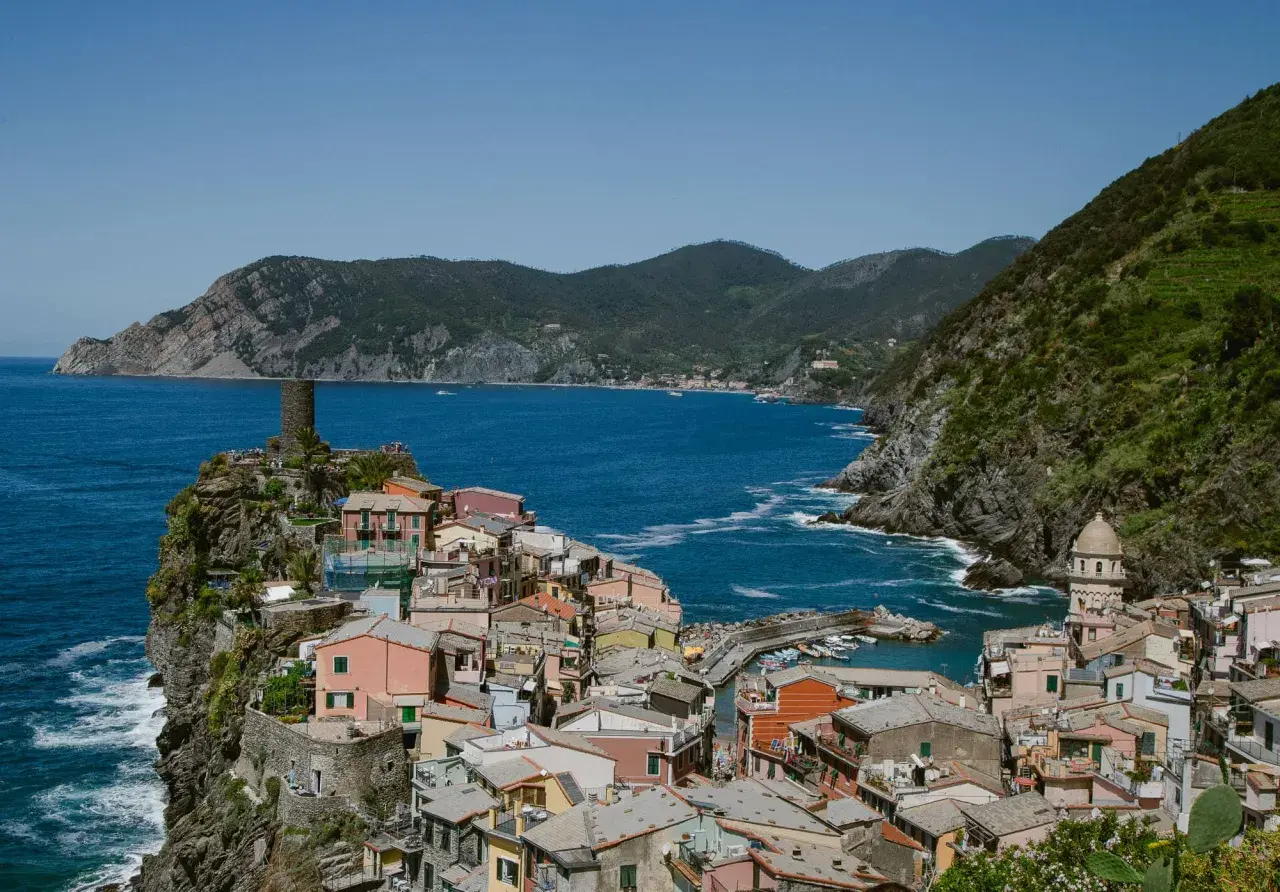
The Cinque Terre coast in Italy is not just a scenic stretch of the Ligurian Sea; it is a place where logistics, timing, and route choice shape the experience as much as the view itself. This guide breaks down the five villages, the smartest ways to move between them, the walks worth your energy, and the real costs you should expect in 2026. If you want a trip that feels rewarding rather than rushed, the details matter here.
What matters most before you plan a trip to Cinque Terre
- Train first, hike second is the safest default for most visitors, especially if you have limited time or luggage.
- The five villages look similar from far away, but each one serves a different type of traveler.
- Some of the classic coastal paths need a card, and prices change by season in 2026.
- Summer heat, trail closures, and crowd levels can change the day quickly, so I would build in flexibility.
- If you want the full experience, combine one memorable walk with one village where you slow down and stay awhile.
Why this coastline feels different from the rest of Italy’s shore
This is one of those rare coastal regions where the landscape is the story. UNESCO describes the area as a cultural landscape shaped by a long relationship between people and a steep, difficult terrain, and that is exactly why it feels so distinctive on the ground. The villages are small, vertical, and tightly linked to terraces, footpaths, and rail rather than broad roads or easy parking.
The practical takeaway is simple: you do not “do” Cinque Terre by driving casually from one stop to the next. You experience it by choosing the right mix of walking, train rides, and occasional ferry hops. The park’s trail network stretches for more than 120 kilometres, but the classic visitor focus is still on the short coastal links between the five villages, because that is where scenery and convenience meet. That distinction matters, because it explains why some travelers love the region and others feel exhausted by it.
Once you understand that the coast is built for movement rather than lingering behind a wheel, the rest of the trip becomes much easier to plan.
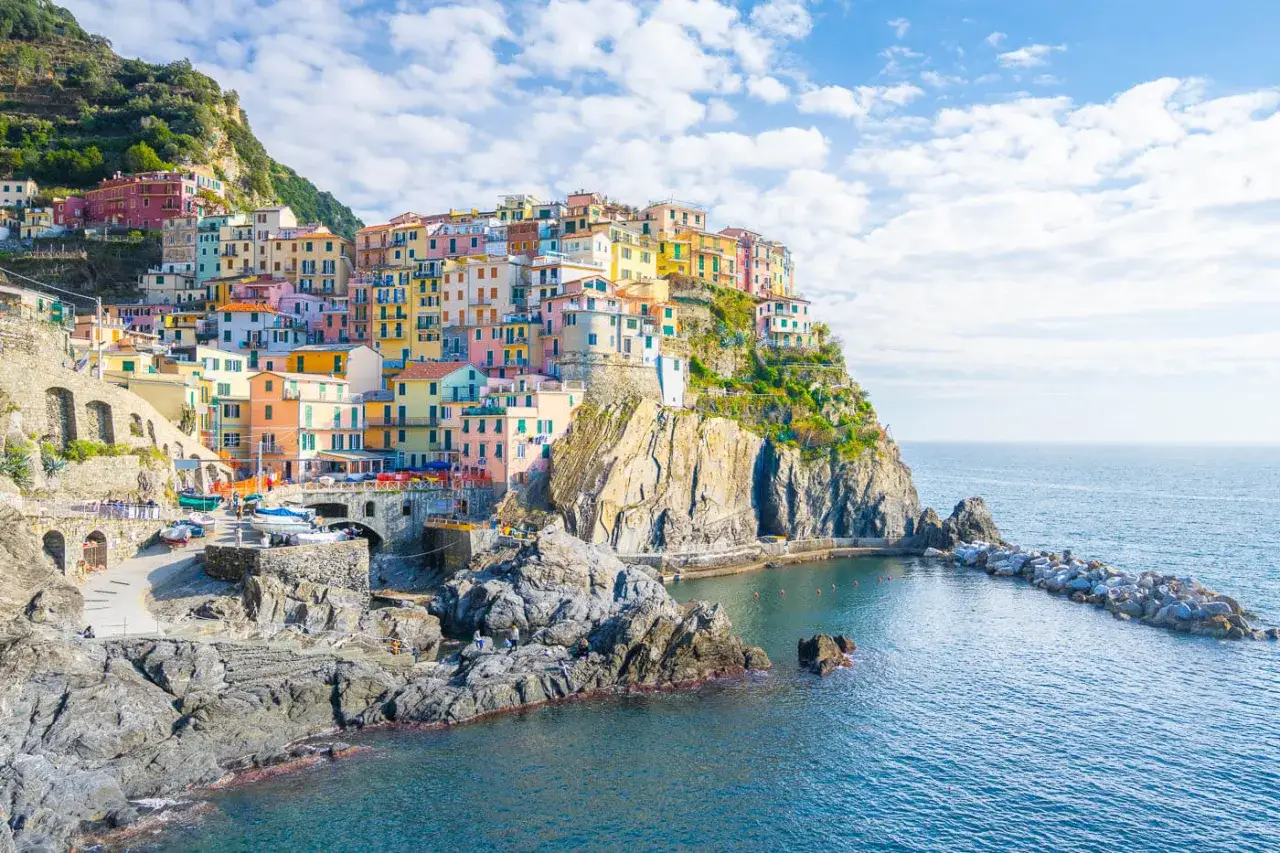
How the five villages differ in practice
People often talk about the five towns as if they are interchangeable. They are not. I think that is the first mistake many first-time visitors make, and it is why some trips feel crowded and repetitive instead of varied and memorable.
| Village | Best for | What it feels like | My practical take |
|---|---|---|---|
| Monterosso al Mare | Beach time, easier stays, slower mornings | The broadest and least vertically compressed of the five | Best if you want the only real sandy-beach feel in the group and a gentler base for luggage or families |
| Vernazza | Classic harbor views, central positioning | The postcard village most people picture first | Great for short stays, but expect crowds in the middle of the day |
| Corniglia | Quieter atmosphere, slower travel style | Hilltop, less immediately waterfront, more removed from the rush | Best if you want a calmer base and do not mind a bit more effort getting around |
| Manarola | Sunset light, iconic viewpoints, short stays | Compact and dramatic, with one of the most photographed settings on the coast | Excellent for visual impact, especially if you like evenings and photography |
| Riomaggiore | Arriving by train, easy access to the eastern end | Steep, lively, and immediately atmospheric | A strong starting point if you want to begin with energy and then walk westward |
My rule of thumb is this: choose Monterosso if you want space, Vernazza if you want the classic postcard, Manarola if you care about light and atmosphere, Corniglia if you want fewer distractions, and Riomaggiore if you want a dramatic first impression. If you only have one overnight, that choice matters more than most people expect.
The best part is that you are not locked into one answer. The villages are close enough that a smart train or hiking plan can let you sample several without turning the day into a sprint.
The best way to move around is not the same for every traveler
The Cinque Terre National Park says the train is the ideal way to reach the area, and in practical terms I agree. Trains remove the parking problem, reduce stress, and make it much easier to change plans if a trail is crowded or the weather turns. That said, the train is not the whole experience. The most satisfying visits usually combine train movement with at least one walk.
| Mode | Best use | Strengths | Limits |
|---|---|---|---|
| Train | Village-to-village movement, luggage days, short trips | Fast, frequent, easy to understand, good for flexible itineraries | Can be crowded, especially in peak periods |
| Hiking | Scenic travel, active days, photographers, outdoor travelers | Best views, strongest sense of place, connects you to the terraces and coastline | Weather-sensitive, some routes need a card, and closures can happen |
| Ferry | Scenic transfers and low-effort sightseeing in season | Beautiful sea perspective, relaxing pace | Seasonal, weather-dependent, and not a full substitute for land travel |
| Car | Only if you are staying outside the core villages or have a specific reason | Flexible before you reach the coast | Parking is difficult and the road network is not designed for casual village-hopping |
If you are deciding between train and ferry, I would lean train almost every time for a first visit. Ferry is gorgeous when conditions are right, but it should be treated as a bonus, not as the backbone of your plan. And if you are tempted to drive, remember that convenience disappears the moment you start looking for parking close to the villages.
That leaves hiking as the part of the trip that turns a pretty coast into a memorable one.
The walks that actually earn their reputation
The classic mistake is trying to walk everything. The smarter move is to pick one segment that matches your fitness, time, and heat tolerance. The park keeps the trail system active, but it also warns hikers to use good footwear and good judgment, which is not an exaggeration on this terrain.
These are the routes I would actually consider first:
- Riomaggiore to Manarola, Via dell’Amore - reserved by time slot, one-way from Riomaggiore to Manarola, with access limited to 200 people every 30 minutes. It is famous for a reason, but do not assume it will fit your day unless you check availability first.
- Manarola to Corniglia - about 1 hour 15 minutes and marked for experienced walkers. This is a useful middle-ground route if you want views without committing to the hardest stretch.
- Corniglia to Vernazza - about 1 hour 30 minutes, also an experienced route. This is one of the best balances of effort and payoff.
- Vernazza to Monterosso - about 2 hours and the most classic longer walk for many visitors. If I had to choose one hike for the first time, this would often be the one.
There are longer thematic paths too, including routes through old settlements and terraced vineyards, but the bigger idea is the same: start early, carry water, and keep an eye on the live status of the trail you want. Summer heat can turn a moderate walk into a slow one, and one exposed climb can feel very different at 9 a.m. than it does at 1 p.m.
If your trip is more about scenery than exercise, do not force a full coastal hike. A shorter segment plus a train ride gives you a better day than an ambitious route you finish only because you refused to turn back.
What it costs in 2026 and when the card is worth it
Budgeting here is less about finding a bargain and more about matching the right pass to the way you actually travel. In 2026, the main pass options vary by season, so a ticket that is sensible in March can feel expensive in July if you have not checked the bands.
| Pass | Best for | 2026 adult price range | What it covers |
|---|---|---|---|
| Cinque Terre Trekking Card | Walkers who mostly want the trails | €10 to €15 for 1 day, €17 to €26.70 for 2 days, €23.50 to €37.50 for 3 days | Access to the paid hiking trails and the Via dell’Amore, plus local buses |
| Cinque Terre Treno Card | Visitors who will use the train repeatedly and also hike | €22 to €35 for 1 day, €36.50 to €61 for 2 days, €49 to €81 for 3 days | Unlimited regional train travel on the La Spezia - Levanto line, plus trail access and local buses |
The exact price depends on the season band, with lower, medium, and peak pricing during the published 2026 season window. My practical advice is straightforward: if you plan at least two train hops and one paid trail in the same day, the Treno Card usually makes more sense. If you are doing one hike and only one or two transfers, the Trekking Card is often the cleaner buy.
That is also why I would not pre-buy a pass blindly. The card is useful, but only if it matches your route. A tight itinerary with one village base and minimal movement does not need the same ticket as a full coast-hopping day.
The itinerary I would use if I had one day or two
For a one-day visit, I would arrive by train early, walk one classic segment, and leave one village unscheduled so the day can breathe. The best one-day shape is usually: pick a start village, hike to the next major stop, pause for lunch, then spend the afternoon and sunset in a different village rather than racing through all five.
- One day - start early in Riomaggiore or Corniglia, walk one strong coastal segment, then slow down in Vernazza or Monterosso.
- Two days - use one day for the eastern villages and a second day for the western side, with one longer hike and one shorter ferry or train transfer.
- Best pace for most travelers - one serious walk, two villages where you linger, and at least one meal that is not rushed.
If I were building a two-night stay, I would sleep in one village and then outside the core area, such as Levanto or La Spezia, to keep the logistics light. That gives you one day for the classic views and one day for a quieter, more flexible follow-up without paying premium rates for every movement. It also reduces the pressure to “see everything,” which is usually the quickest way to drain the charm out of this coastline.
The Cinque Terre works best when you treat it as a landscape to move through, not a checklist to finish. Give yourself one meaningful walk, one or two villages to really notice, and enough flexibility to adjust when weather, crowds, or trail conditions demand it.