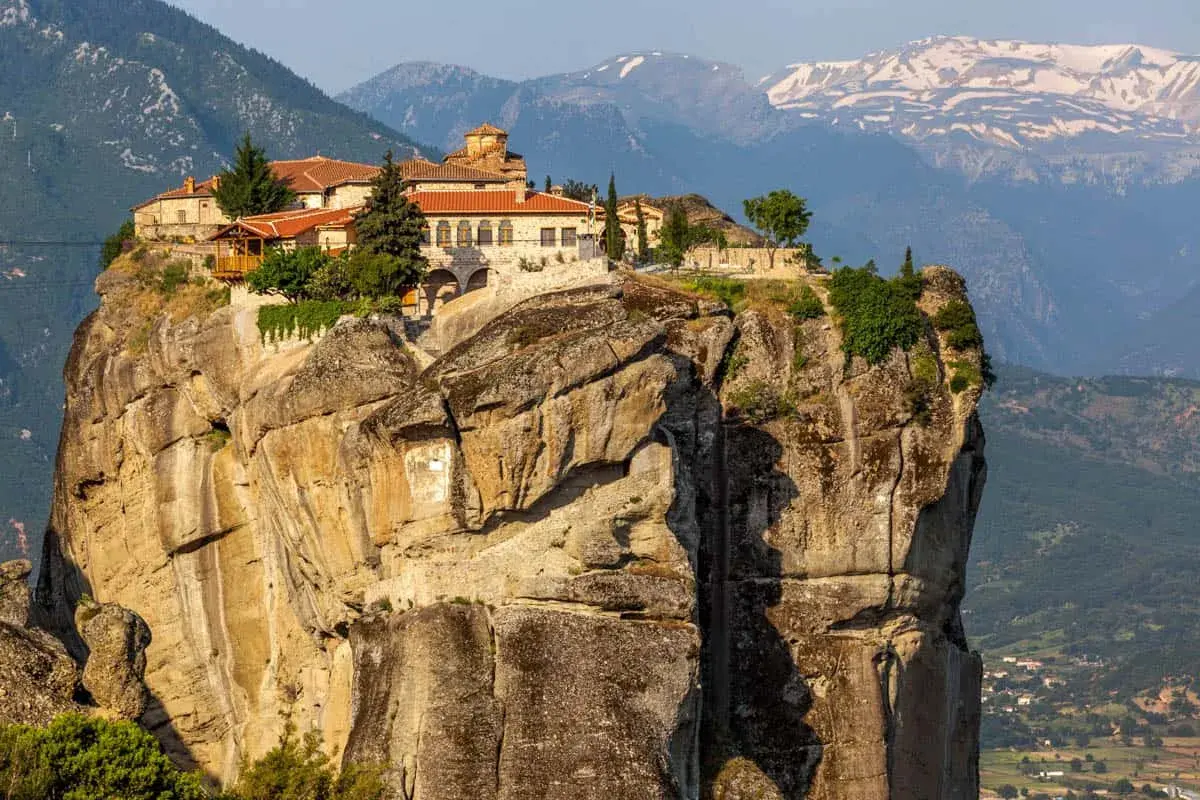
Meteora hours matter because each monastery keeps its own timetable, and the wrong day or the wrong arrival time can cost you a full stop. This guide breaks down the current opening pattern, the closure days that catch people out, and the smartest way to fit the monasteries into a realistic day trip or overnight stay. I also cover the parts of Meteora that are flexible all day, so you can build a plan that feels calm instead of compressed.
The timings that shape a smooth Meteora visit
- The monasteries follow a seasonal pattern: summer generally runs from April 1 to October 31, and winter from November 1 to March 31.
- St. Stephen's and Roussanou only move fully into the summer timetable from May 15, so shoulder-season visits need extra checking.
- Entry is currently EUR 5 per monastery, usually paid in cash at the gate.
- Each monastery has its own weekly closure day, which matters more than most first-time visitors expect.
- The viewpoints, roads, and hiking areas are not tied to monastery opening windows, but daylight, weather, and crowd levels still shape the experience.
- I would normally allow 45 to 60 minutes per monastery, plus transfer time, rather than trying to rush through all six.
How the monastery timetable really works
The first thing I tell people is simple: Meteora is not one attraction with one set of opening hours. It is a cluster of active monasteries, and each one runs its own schedule. That means the day can change depending on which monastery you want first, which one closes early, and whether you are visiting in the summer or winter season.
The most practical live timetable is the one Visit Meteora keeps updated, because the monasteries can change hours without much notice. Religious celebrations, public holidays, bad weather, and internal monastery decisions can all shift the day. For trip planning, I treat the schedule as something to confirm in the same week, not something to check once and forget.
This is also why Meteora rewards a little strategy. If you understand the operating windows, you can turn what looks like a rigid visit into a flexible and very scenic route. That becomes much easier once you see the current hours side by side.
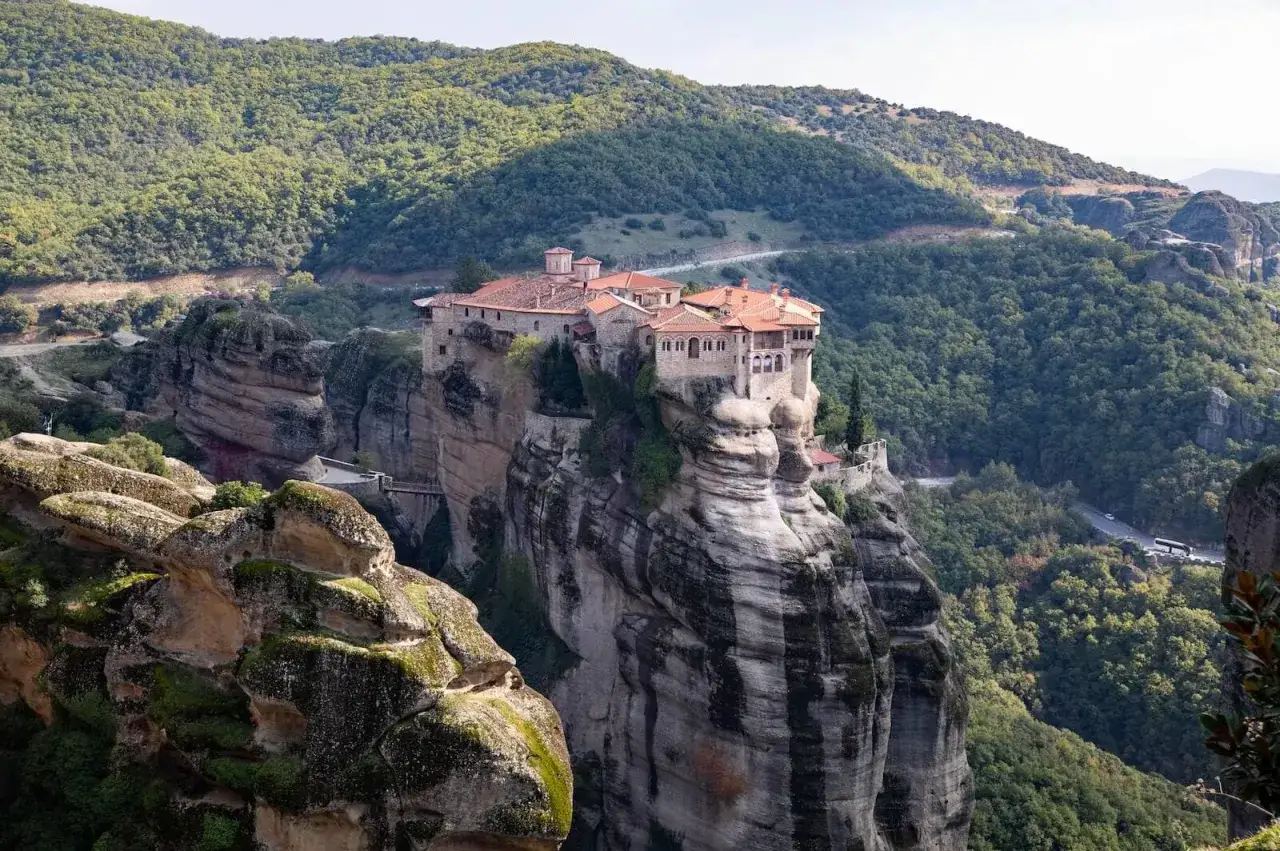
The current monastery hours you should plan around
Here is the standard 2026 pattern I would use as a planning baseline. I would still double-check the latest schedule before traveling, especially if I were going in May, around Orthodox Easter, or near a public holiday.
| Monastery | Summer hours | Winter hours | Weekly closure | Planning note |
|---|---|---|---|---|
| Great Meteoro | 09:30 to 15:00 | 09:30 to 15:00 | Tuesday in summer; Tuesday, Wednesday, and Thursday in winter | Popular and busy, so I would go early |
| Varlaam | 09:00 to 16:00 | 09:00 to 16:00 | Friday in summer; Thursday and Friday in winter | Strong choice for a first or second stop |
| Roussanou | 09:00 to 16:30, or 16:00 on Sundays | 09:00 to 14:00 | Wednesday | Good for views and a shorter visit |
| Holy Trinity | 10:00 to 16:00 | 10:00 to 16:00 | Thursday | Steeper access, so allow extra time |
| St. Stephen's | 09:00 to 13:30 and 15:30 to 17:30 | 09:00 to 13:00 and 15:30 to 17:00 | Monday | Easiest access and the least physically demanding |
| St. Nicholas Anapausas | 09:00 to 17:00 | 09:00 to 16:00, or 09:30 to 16:00 on Sundays | Friday | Useful if you want a shorter stop without much walking time |
One detail that is easy to miss: the full summer timetable for St. Stephen's and Roussanou begins on May 15. If you are traveling in early spring, I would be extra cautious about assuming the longer daylight-season pattern is already in force.
Once the hours are clear, the next step is deciding which days to build your route around, because the weekly closures can quietly reshape the whole visit.
Which days are easiest to get wrong
The weekly closure pattern is where many visitors lose time. If you arrive on the wrong day, you are not just delayed; you may have to rebuild the whole route on the fly. I always check the closure days first, then I fit the monasteries into the open windows that remain.
- Monday is a bad day for St. Stephen's, so I would avoid making that your first stop if you only have a short visit.
- Tuesday removes Great Meteoro, which matters because it is one of the classic must-see stops.
- Wednesday closes Roussanou, so that is not the day for a view-focused route built around that monastery.
- Thursday closes Holy Trinity, and in winter it also becomes a closure day for Great Meteoro.
- Friday is the tricky one because it closes Varlaam and St. Nicholas Anapausas, and in winter it also affects Great Meteoro.
- Sunday is not a closure problem, but Roussanou shortens to a 16:00 closing, so I would not leave it for the end of the day.
If I only had one day in Meteora, I would build the route around the monastery that closes earliest that day, then add the others around it. That simple habit prevents the most common mistake: saving the wrong site for last.
How I would plan a half-day or full day
For trip planning, I do not think Meteora works well as a rushed checklist. In practice, I would allow 45 to 60 minutes per monastery, plus driving, parking, and the small but real amount of walking between entrance points and viewpoints. Three monasteries can disappear faster than expected once you add those transfers.
My usual approach looks like this:
- Half-day visit: Choose 2 monasteries and one scenic stop. This works best if you are short on time or arriving from elsewhere in Thessaly.
- Full-day visit: Choose 3 monasteries, not all 6. Add lunch in Kalambaka or Kastraki, then leave room for a viewpoint or a sunset stop.
- Overnight stay: Use the first evening for sunset, the next morning for the earliest-opening monastery, and the middle of the day for two more visits or a short hike.
If I were designing a first-time route, I would usually prioritize St. Stephen's for ease, Varlaam for scale, and Roussanou for atmosphere and views. That mix gives a strong sense of Meteora without forcing you to spend the whole day climbing stairs.
The real trick is that monasteries are only part of the landscape. Some of the best Meteora moments do not sit behind a ticket gate at all.
What stays open all day
The natural landscape of Meteora does not have monastery-style opening hours. Roads, lookout points, hiking paths, and village streets are generally accessible throughout the day, although that does not mean they are equally good at every hour. Light, heat, wind, and traffic all matter more than a posted schedule.
| Attraction type | Operating pattern | What matters most |
|---|---|---|
| Viewpoints | No fixed opening hours | Best light, parking, and safe roadside access |
| Hiking trails | No fixed opening hours | Daylight, temperature, footwear, and route choice |
| Village cafes and restaurants | Variable by season and business | Lunch breaks, late-afternoon timing, and local operating patterns |
| Roadside photo stops | No fixed opening hours | Sun angle, crowding, and safe stopping space |
In other words, the monasteries are the timed part of the day, while the cliffs themselves are the flexible part. I like that balance because it lets me leave breathing room between visits instead of packing every minute with a gate-and-ticket stop.
If you want Meteora to feel scenic rather than rushed, the next section is the one I would read twice.
The timing strategy I trust most for Meteora
The easiest way to get Meteora right is to think in terms of momentum. Start with the monastery that has the most restrictive opening window on your chosen day, then place the easier stops around it. That usually means beginning early, using the middle of the day for the largest monastery or a lunch break, and saving a viewpoint for the end when the light improves.
- Arrive early if you want quieter paths and easier parking.
- Carry cash for the entrance fees, because EUR 5 per monastery is the normal baseline.
- Dress conservatively so you do not waste time at the gate. Shoulders should be covered, men should wear long trousers, and women are usually expected to wear skirts below the knee.
- Leave buffer time between sites. Even a short drive can turn into a longer stop once you factor in parking and steps.
- Do not assume every monastery is open on a weekend just because it is Saturday or Sunday.
If I had to compress the whole trip into one rule, it would be this: plan Meteora around the opening windows first, then build the scenic stops around them. That is the difference between a day that feels efficient and one that feels forced.
If you are staying only one night, I would choose fewer monasteries and give myself more time for the cliffs, because the landscape is what makes the schedule worth respecting in the first place.