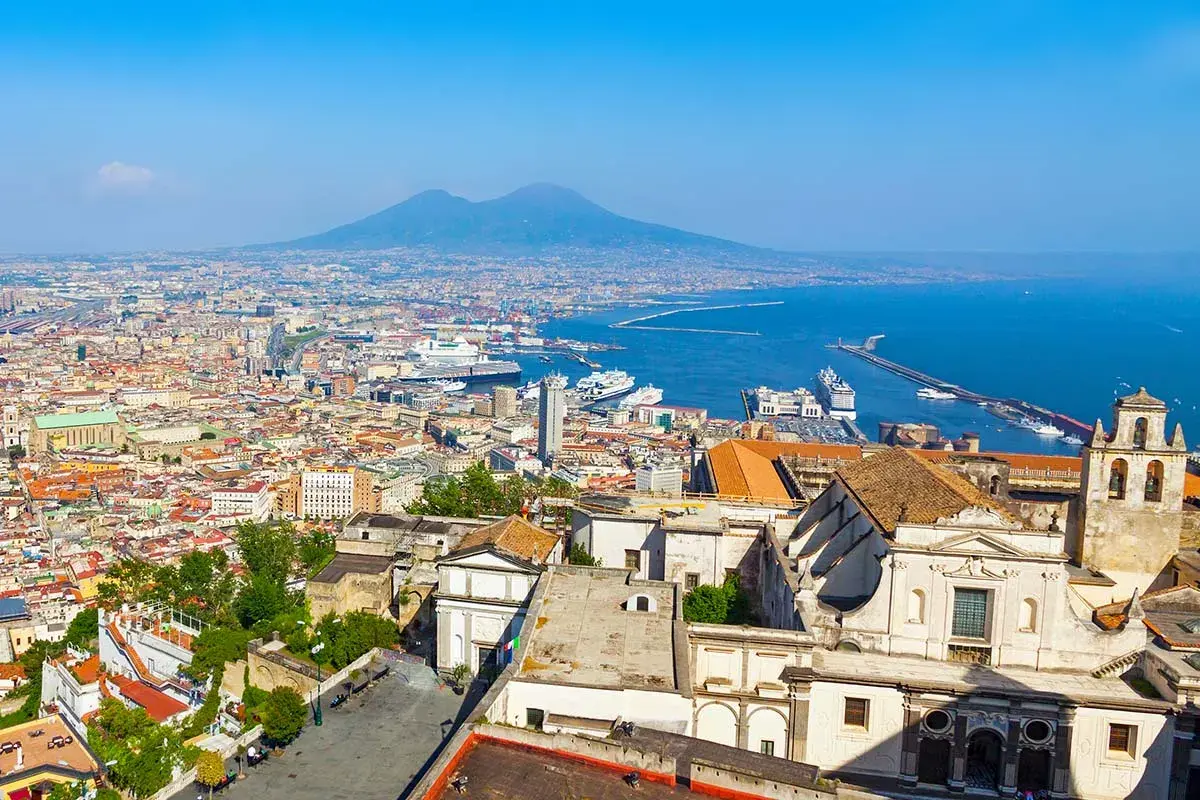
Planning one day in Naples is less about seeing every landmark and more about building a route that captures the city’s rhythm: old streets in the morning, a proper lunch in the middle, and the sea at the end. When I plan a short Naples visit, I focus on Centro Storico, one standout cultural stop, and a waterfront finish, because that combination gives you history, food, and atmosphere without turning the day into a race. This article breaks that down into a practical itinerary, realistic transit choices, and a budget that makes sense in 2026.
The quickest way to get a real feel for Naples in a single day
- Start in Centro Storico before the city gets fully busy.
- Choose one major indoor sight, not three rushed ones.
- Put lunch in the middle of the day so the pace feels natural.
- Finish by the waterfront, where Naples feels most open and relaxed.
- Expect a realistic spend of about €50-80 if you want a comfortable, unhurried day.
What this kind of Naples day should actually prioritize
Naples rewards a route, not a checklist. When I plan a short visit, I anchor the day around three things that tell the story of the city quickly: the historic center, one serious cultural stop, and the waterfront at the end.
The logic is simple. Naples feels richest when you move from dense, layered streets to grand squares and then out to the sea, instead of jumping randomly between neighborhoods. That is also why a compact day works here better than in many other big Italian cities: the core sights sit close enough together to create a real flow.
The mistake is trying to turn a short stop into a full survey of Naples and the Bay of Naples at the same time. If you keep the day focused, you get a better experience and usually spend less time in transit, which is exactly what a short trip needs. Once that filter is in place, the route becomes much easier to map.
A route that gives you the city's best layers in order
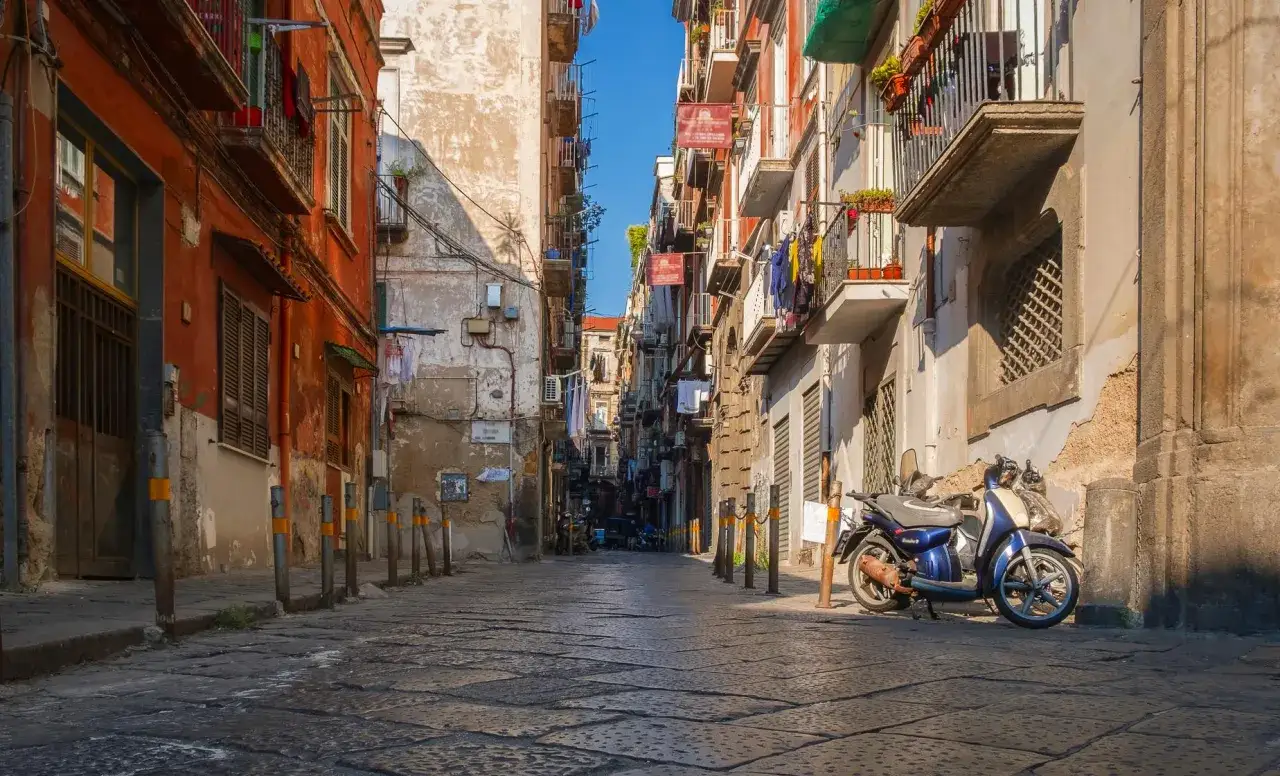
Here is the version I would actually use for a first short visit. It is built to keep the walking logical, the food breaks useful, and the final hour calm enough to remember.
| Time | Stop | Why it works | If you need to trim |
|---|---|---|---|
| 8:30-10:15 | Centro Storico, Duomo, and Spaccanapoli | Gives you street life, history, and scale before the city gets crowded | Skip one church and keep moving if you are short on time |
| 10:15-11:30 | Cappella Sansevero or the National Archaeological Museum | Choose one major interior so the day has one real cultural anchor | Pick the stop that best matches your interests, not both |
| 11:30-12:00 | Espresso and a pastry | Breaks the pace and keeps the day from feeling overpacked | Drink it standing at the bar if you want to save time |
| 12:00-2:00 | Piazza del Plebiscito, Galleria Umberto I, and the Royal Palace area | Shows Naples’ grander side without forcing a long detour | Leave the palace interior for another visit if needed |
| 2:00-3:15 | Lunch in a pizzeria | This is the meal that should define the day, not interrupt it | Book ahead or eat early if you want to avoid queues |
| 3:15-5:30 | Castel dell’Ovo and the Lungomare | Sea light, open space, and the best finish for a short city day | Go straight to the waterfront if time is tight |
The route works because it moves from tight to open. You begin in the layered streets where Naples feels most immediate, then widen the frame through the squares, and end with water and horizon. If you only choose one indoor stop, I would protect that one and cut something else before I would sacrifice the waterfront finish.
If your interests lean more toward archaeology than street scenes, swap the chapel for the museum. If you care more about atmosphere than collections, keep the chapel and save the museum for a second trip. That flexibility is what makes a single day feel tailored rather than generic.
Where to eat so the day feels local, not rushed
Food is not a side note in Naples; it is part of the itinerary. I would build the day around three pauses: coffee early, pizza in the middle, and something sweet or a drink near the water later on.
- Start with espresso at the bar. It is faster, cheaper, and more local than sitting down for a long breakfast.
- Make lunch a real pizza stop. A margherita or marinara is enough to feel like you have eaten Naples properly; you do not need a complicated menu.
- Add one pastry. A sfogliatella or babà works well as a mid-afternoon reset, especially if lunch happened earlier than planned.
- Save aperitivo or gelato for the waterfront. That final pause turns the day into an evening instead of just a sequence of sights.
The main rule is restraint. In a short city day, two excellent meals beat four average ones, and Naples is one of the easiest places in Italy to make that trade without feeling deprived. Food should keep the route moving, not slow it down.
If you only have room for one sit-down meal, make it lunch. Dinner is pleasant, but lunch carries more of the day’s energy and lets you use the evening for walking and views rather than another long stop.
How to get around without losing time
Most of the core route is walkable, and that is a strength, not a limitation. The more you stay on foot in clustered areas like Centro Storico, the more naturally the city reveals itself.
| Mode | Best use | What I would do |
|---|---|---|
| Walking | Centro Storico, Piazza del Plebiscito, and the waterfront stretch | Use it as the default; Naples gives back more on foot than it does from a vehicle |
| Metro or funicular | Crossing longer gaps or escaping the heat | Use one or two hops, not constant back-and-forth movement |
| Taxi | Luggage, late returns, or tired legs | Save it for convenience, not as your main mode of transport |
In 2026, InfoPoint Napoli lists a simple ride at €1.30, an integrated time ticket at €1.80, and an integrated day ticket at €5.40. I usually treat the day ticket as useful when I expect several rides; if I am only making one transfer and otherwise walking, the cheaper ticket wins.
That is the real trick with Naples: use transport to connect neighborhoods, not to bounce between every small stop. Once you stop treating movement as the main activity, the day feels smoother and more expensive only where it should be.
What a realistic budget looks like in 2026
For a single day, I would think in ranges, not fixed totals. Naples can be very affordable if you keep it simple, but a comfortable day with one or two proper sights and a relaxed lunch adds up faster than many travelers expect.
| Style | Rough total per person | What it usually covers |
|---|---|---|
| Lean | €25-40 | Coffee, a casual lunch, one paid sight, and basic transport |
| Comfortable | €50-80 | Better lunch, two sights or one premium interior, and one or two rides |
| Flexible | €90-140+ | Taxi use, guided entry, dessert or aperitivo, and a slower pace |
For most first-time visitors, €50-80 is the sweet spot. That is enough to eat well, see something memorable, and avoid the feeling that every decision has to be price-driven. If you want the day to feel generous rather than stripped down, that is the range I would aim for.
One small but useful habit: keep a little buffer for an extra espresso, a taxi at the end, or a museum ticket you decide to add on the spot. Naples is easier to enjoy when the budget has a margin in it.
Common mistakes that make a short visit feel thin
Most disappointing short Naples visits are not disappointing because the city falls short. They feel thin because the plan is too crowded, too rigid, or too far apart.
- Trying to combine Naples and Pompeii in the same day. That can work only if your goal is a transfer-heavy day and not a real city visit.
- Stacking too many interiors. One major museum or one major church usually gives more value than three rushed stops.
- Leaving lunch too late. By the time you finally sit down, the afternoon rhythm slips and the waterfront gets compressed.
- Ending too far from the center. If the last stop creates a long return trip, you lose the relaxed finish that makes the day memorable.
- Ignoring queues. If an attraction is known for crowds, build that into the plan instead of pretending it will be quick.
The better version of the day is not more ambitious; it is more selective. Cut one thing early and the rest usually improves. That leads to the final adjustment I would make when the city is busy or the weather turns.
What I would keep flexible when Naples is busy or the weather turns
My default approach is to lock in the morning and leave the afternoon adjustable. That gives you room to respond to heat, rain, ticket availability, or simple fatigue without throwing the whole plan away.
If the weather is hot or damp, I would move the strongest indoor stop earlier and keep the waterfront as an optional end rather than a non-negotiable. If you care more about archaeology and collections than street life, the National Archaeological Museum is the better anchor than a second church or a long shopping detour.
For a cruise stop or a very short layover, the route becomes even simpler: historic center, lunch, and one long final walk toward the sea. That is enough to understand why Naples keeps pulling people back, because the city’s best day is not made of quantity; it is made of sequence, contrast, and one last look at the bay before you leave.
If you can reserve only one thing ahead of time, make it the stop you care about most and keep everything else loose. That is the balance that gives a short Naples visit its best chance of feeling full rather than hurried.