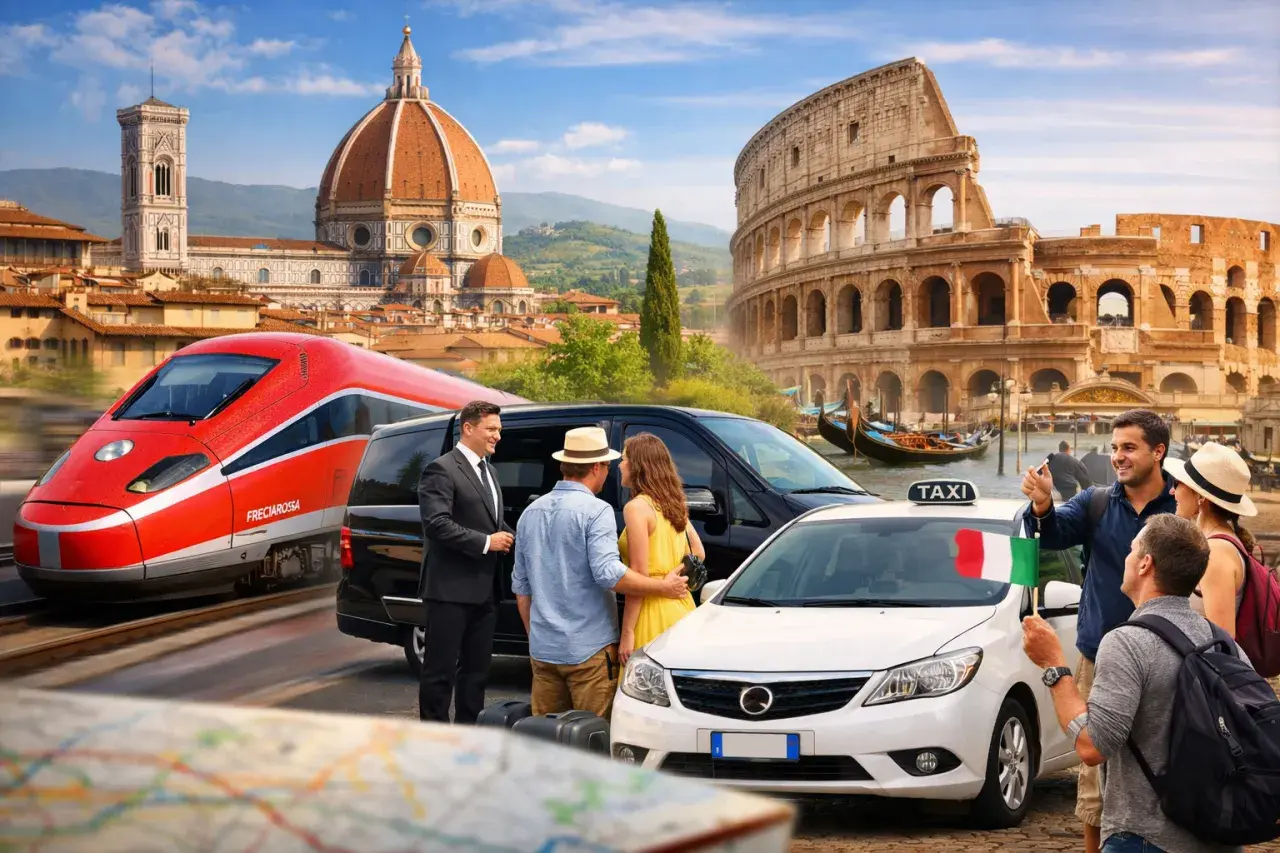
Rome is one of those cities where transport choice changes the whole shape of the trip. In the historic center, walking, the metro, buses, and the occasional taxi are usually faster, less stressful, and far cheaper than managing a rental car. The real question is not whether a car is available, but whether your itinerary actually needs one.
The fast answer before you book transport
- Skip the car if you are staying in central Rome and plan to focus on major sights, neighborhoods, restaurants, and museums.
- Rent only if you are leaving the city for countryside stays, multiple day trips, or a road trip after Rome.
- Driving in the center is difficult because of limited-traffic zones, narrow streets, and parking pressure.
- Public transport is cheap enough that a few tickets usually cost far less than parking and city driving.
- For most travelers, a car adds friction in Rome and becomes useful only once you are outside the urban core.
Why a rental car is usually a bad fit for central Rome
For a classic Rome city break, I almost never recommend a car. The historic center is dense, traffic is busy, and the streets were not built for modern driving. You will spend more time searching for parking, circling blocks, or second-guessing navigation than you will saving time on the road.
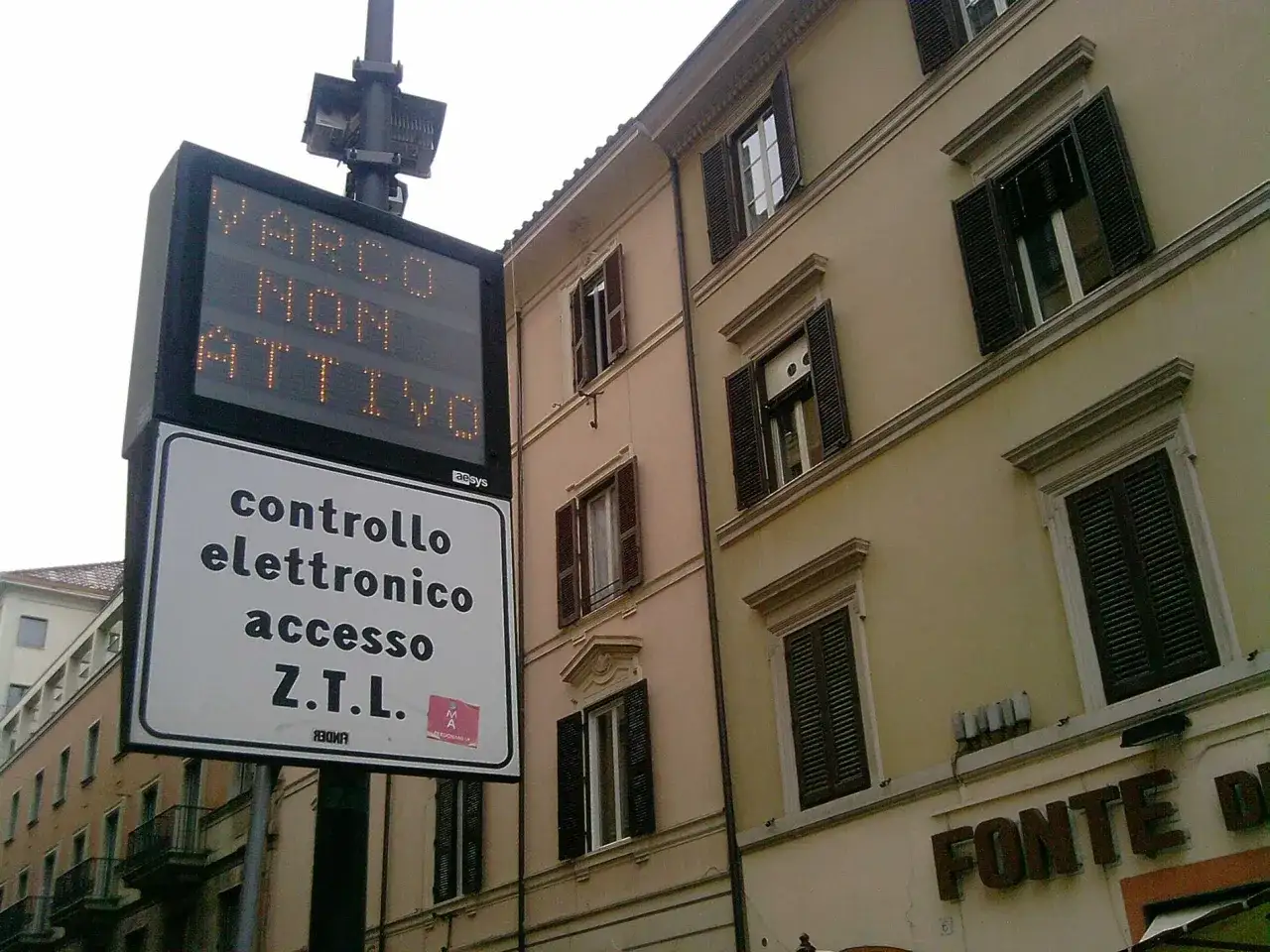
The biggest issue is the ZTL, or limited-traffic zone. Roma Servizi per la Mobilità describes these central zones as areas reserved for authorized vehicles during specific days and hours, and they are monitored. That matters because the restriction is not just a sign to ignore for a minute and move on. It is a system designed to keep non-authorized traffic out of the center.
That changes the whole calculation. If your day is built around the Colosseum, the Pantheon, Trastevere, the Vatican, or the Spanish Steps, a car is mostly a liability. You will still need to walk the last stretch, and once you are doing that, the car stops being the thing that saves time.
There is also a simple cost reality. ATAC currently lists a BIT time ticket at €1.50 for 100 minutes, a Roma 24 ticket at €8.50, a Roma 48 ticket at €15.00, a Roma 72 ticket at €22.00, and a weekly card at €29.00. Those prices are low enough that the city’s public transport becomes the practical default for short and medium stays.
That is why I think many travelers ask the wrong question. It is not, “Can I drive in Rome?” The better question is whether driving improves the trip at all. For most central itineraries, it does not. The more useful answer comes when you look at the exceptions.
When a car actually earns its keep
There are real situations where renting makes sense, and I would not dismiss them. The difference is that these are itinerary-driven cases, not city-break cases.
- You are staying outside the center. If your base is in the suburbs, near the ring road, or in a countryside property, a car can be genuinely helpful.
- You are combining Rome with the region. If your plan includes places in Lazio or farther afield where trains are awkward, a car gives you more freedom.
- You want multiple day trips in one compact schedule. A car can make sense if you want to chain stops instead of returning to a rail hub each time.
- You are traveling with mobility constraints. Door-to-door flexibility matters when walking long distances is not realistic.
- You are starting a road trip after Rome. In that case, I would still usually keep Rome car-free and pick up the vehicle only when leaving the city.
The most sensible use case is not “tour the city by car.” It is “use Rome as the arrival point, then drive once the urban part is over.” That small shift can save a lot of stress.
What driving and parking actually look like
Here is the part that catches many first-time visitors off guard: even when driving seems manageable on paper, parking and access rules change the experience fast. Central Rome is not built around casual curbside parking. Spaces are limited, garages can be expensive, and street parking rules are easy to misunderstand.
I would think about it in three layers:
| Reality | What it means for you |
|---|---|
| ZTL access is restricted | You cannot just roll into the center and assume you are allowed to be there. |
| Parking is scarce near the sights | Even a legal drive can turn into a search for a garage or a long walk after parking. |
| Narrow streets and traffic are normal | Navigation takes more attention, especially if you are unfamiliar with Italian city driving. |
| Hotel parking matters | If your accommodation does not clearly handle parking, arrival day can become messy. |
My practical rule is simple: if a hotel or apartment cannot clearly explain where you will park, I treat that as a warning sign. In Rome, parking is not a side detail. It is part of the trip plan.
That is also why I prefer travelers to choose a place that is either walkable to the center or clearly outside the congested core if they are set on using a car. You do not want to discover the parking problem after you have already entered the maze.
The better way to move around the city
For the city itself, Rome is much easier when you mix walking with public transport and the occasional taxi. That combination is flexible, inexpensive, and much less tiring than threading a car through the center.
| Option | Best for | Why I use it |
|---|---|---|
| Walking | Historic center, neighborhood-hopping, short scenic stretches | It is the fastest way to absorb the city and skip traffic completely. |
| Metro, bus, and tram | Longer hops across the city | ATAC’s current fares make it very economical, and ticketing is simple through app-based and contactless options. |
| Taxi | Luggage, late nights, awkward transfers | Useful when comfort matters more than cost. |
| Ride-hailing and apps | Travelers who want a digital backup | Helpful for quick point-to-point moves when you do not want to think about transit lines. |
I like Rome’s public transport more than many visitors expect, especially for a short trip. A one-day ticket at €8.50 or a three-day ticket at €22.00 is usually enough for most sightseeing itineraries, and the weekly pass at €29.00 becomes even more compelling if you are staying longer. That is hard for a rental car to beat once you add fuel, parking, and the time you lose in city traffic.
If you are worried about tickets, ATAC has also modernized payment with mobile and contactless options, which removes one of the usual hassles of city transit. In practice, that means you can treat transport as a tool, not a planning project.
How I would decide based on your itinerary
The cleanest way to decide is to match the transport to the kind of trip you are actually taking. I would use this simple filter:
| Trip type | My recommendation | Reason |
|---|---|---|
| 3 to 4 days in central Rome | No car | You will waste too much time on parking and access restrictions. |
| Rome plus one easy day trip | Usually no car | A train, taxi, or private transfer is often simpler than a full rental. |
| Rome plus multiple countryside stops | Maybe yes | A car starts to make sense once the itinerary becomes regional rather than urban. |
| Road trip after Rome | Yes, but pick it up later | You avoid city driving and still get the freedom once you leave the center. |
| Staying in a villa or rural base | Yes | Access and parking are part of the accommodation choice, so the car becomes useful. |
If I were planning a first visit, I would keep the Rome portion car-free and only add a vehicle if the trip expands beyond the city. That gives you the best of both worlds: a smooth city stay and real flexibility where the roads finally start to help rather than hinder.
The rule I would use before booking in 2026
My rule is straightforward. Rent a car only if you will leave Rome’s core enough times for the car to earn its keep, and only if your accommodation has a clear parking plan. If your trip is mostly museums, historic streets, and neighborhood walks, skip the rental and let the city work on its own terms.
For most travelers, that means the answer is no. Rome rewards slow movement, not constant driving. The city becomes much easier, and usually more enjoyable, when you accept that the best vehicle for the center is often your own feet.