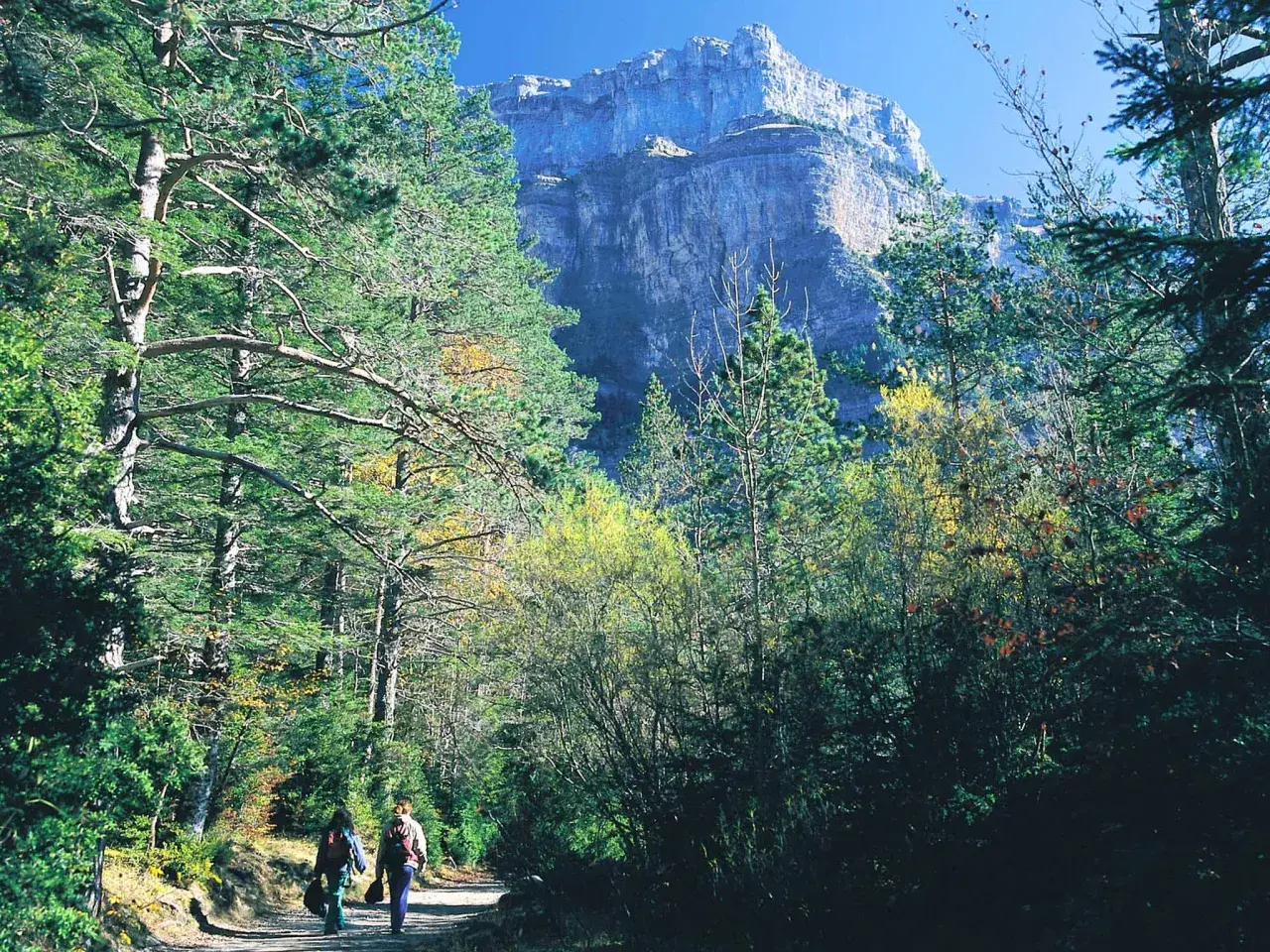
Key facts for planning a walking trip in Spain
- Spain has a huge signed network, from long-distance GR trails to shorter PR and SL routes.
- Spring and autumn are the safest bets for most regions; mountain routes need more caution in winter and inland heat can be punishing in summer.
- The Camino de Santiago is the most structured option, while coastal and mountain trails give more freedom but require tighter self-planning.
- A realistic daily distance for most walkers is 15 to 25 km, with longer days reserved for fit hikers on easier terrain.
- For a first trip, I usually recommend a route with clear signage, frequent accommodation, and easy transport at both ends.
What walking across Spain really looks like
Spain is not one walking experience. It is several, and that is why the country works so well for foot travel. Spain's official tourism site notes more than 200 long-distance GR routes and over 60,000 kilometres of signposted paths, which means you can choose between pilgrimage corridors, ridge routes, coastal tracks, and short loops without leaving the same country.
In practice, I break the country down into three useful walking styles: the Camino network, long-distance GR trails, and shorter PR or SL routes. The Camino gives you structure, the GR system gives you range, and the shorter signed paths give you flexibility when you want scenery without a multi-day commitment.
| Route family | Typical scale | What it feels like | Best for |
|---|---|---|---|
| Camino de Santiago | 100 km to several hundred km | Well signed, social, and built around stages and hostels | First long-distance walkers and anyone who wants simple logistics |
| GR long-distance trails | 50 km plus, often many days | More independent and more varied in terrain | Walkers who are comfortable with maps, GPS, and flexible planning |
| PR and SL routes | 10-50 km or under 10 km | Great for day hikes, shorter escapes, and mixed-ability groups | Travelers who want scenery without committing to a full trek |
The marking system is straightforward once you know it: GR routes use red and white blazes, PR routes use yellow and white, and SL routes use green and white. I still carry an offline map on my phone, because signs help most at junctions, not when fog, forest cover, or a busy village edge makes the route less obvious. Once you know the route family, the next decision is which specific trail is worth your time.
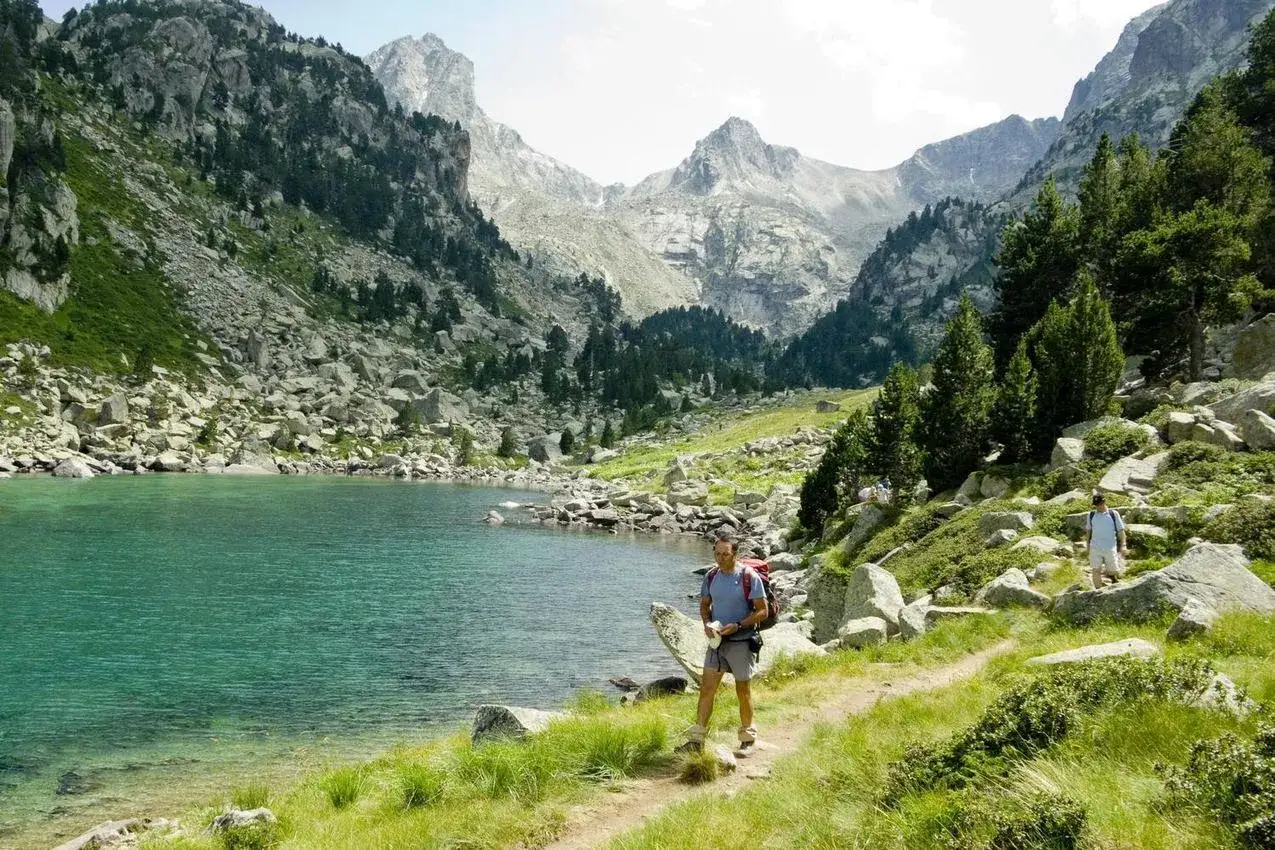
The routes I would compare first
If I were helping someone choose a first walk in Spain, I would start with a small set of routes that solve different problems. Some are pilgrimage routes with strong infrastructure. Others are pure hiking routes that exist because the landscape is worth the effort. The right answer depends on whether you want social energy, solitude, coastline, or mountain drama.| Route | Length | Why it stands out | Watch-out |
|---|---|---|---|
| Camino Inglés | 73 km / 45 mi from A Coruña or 112.5 km / 70 mi from Ferrol | Compact, historic, and ideal if you want a meaningful Camino without a long commitment | Shorter route, so accommodation can fill faster in busy months |
| Camino Francés from Sarria | Just over the 100 km threshold to Santiago | Classic first Camino with dense services and easy stage planning | Can feel crowded in peak season |
| Northern Way | Multi-day coastal route through the Basque Country, Cantabria, Asturias, and Galicia | Beautiful and cooler, with the kind of scenery that makes you slow down | Wetter, hillier, and less forgiving than the inland Camino |
| Cares Trail | 21 km / 13 mi round trip, about 6 h 15 m | One of the best single-day walks in Picos de Europa | Not the place for a relaxed, empty trail |
| Camí de Cavalls | 185 km / 115 mi in 20 stages of 5-13 km / 3-8 mi | Perfect for a staged coastal holiday with clear segmentation | Sun, wind, and exposed sections matter more here than people expect |
For a harder mountain line, I would study the GR-11 across the Pyrenees next. It is not the easiest introduction, but it shows the other side of Spanish walking: steeper terrain, stronger route-finding, and fewer built-in comforts. That brings up the next practical question, because the route you choose only works if you go at the right time of year.
When to go and where each season works best
For most of Spain, spring and autumn are the best walking windows. Spring brings longer days and better temperatures before summer heat builds, while autumn usually gives you the most comfortable mix of light, weather, and trail traffic. In mountain areas, summer is often the safer choice if you want to avoid snow, but inland heat can still be intense by midday.
My rule of thumb is simple. If a route is coastal or at altitude, you can usually walk it for more of the year. If it runs through inland Spain, especially the hotter central and southern stretches, I would start early and treat midday as a break rather than a work block. In the Canary Islands, the equation changes again: the climate is mild enough that walking can work year-round, which is why the islands are such a strong option when mainland conditions are less friendly.
- Spring works well for most routes, especially in Asturias, Cantabria, the Pyrenees, and the Camino corridors.
- Summer is best for high mountain routes or early-morning coastal walking, not long exposed inland stages.
- Autumn is the most forgiving season overall and is often the sweet spot for a first trip.
- Winter is worth considering only if you understand snow risk in the mountains or are heading for the Canaries.
How I would plan the daily logistics
The biggest mistake I see is overestimating how much walking feels manageable day after day. A strong first plan is usually built around 15 to 25 km per day, with an occasional longer day if the terrain is easy and the weather is kind. Twenty-five to 35 km is possible, but that is where fitness, heat, elevation gain, and foot condition start to matter a lot more than ambition.
The official Camino de Santiago office requires at least 100 km on foot to qualify for the Compostela, which is why many walkers start near the end of a route rather than trying to tackle the whole thing at once. That is not a compromise; it is often the smartest way to make the walk fit real life.
As a planning range, I usually budget around €35-€70 per day for a basic pilgrim-style walk and €90-€180 per day for a more comfortable trip with private rooms and easier meals. The gap is mostly about sleep quality and how much friction you want removed from the day.
- Book your first two nights before you start, especially in popular areas or small Camino towns.
- Check transport at the finish point before you commit to a linear route.
- Carry enough water and snacks for the gaps between villages, not just the ideal route description.
- Use baggage transfer if you want to keep the walk pleasant rather than turning it into a carrying exercise.
- Start early so heat, weather, or surprise delays do not control the whole day.
I also like to build in one lighter day after every three or four full stages. It is a small adjustment, but it prevents the common spiral where sore feet lead to a slower pace, which then leads to a longer day, which then leads to even sorer feet. With that rhythm set, the pack becomes much easier to keep under control.
What I would pack and how I would walk the days
Your kit does not need to be elaborate, but it does need to solve the right problems. For Spanish walking, the main issues are heat, friction, rain, and daily repetition. If you solve those, the rest usually takes care of itself.
- Broken-in footwear that matches the route. I would never start a multi-day walk in brand-new shoes.
- Two pairs of good socks and a blister kit. A small problem on day one becomes a big one by day four.
- Offline navigation on your phone, even if the route is well marked. Signal gaps happen more often than people expect.
- Sun and rain protection, because Spanish weather can shift from bright to uncomfortable fast, especially in the north.
- Poles if you are doing hillier terrain. I like them on descents and on long coastal or mountain days where the footing changes a lot.
If you are walking signed routes, the colour system helps you stay oriented: GR, PR, and SL markings make the trail logic easier to read. But signs are only part of the picture. I always tell people to walk with a little restraint on day one, because the body usually reacts to repetition before the mind does. A route that feels easy at 8 kilometres can feel very different at 22 kilometres after lunch, especially in warm weather.
Weight matters too. I keep my pack as light as I can without stripping out comfort. Extra bulk is not just annoying; it changes your stride, slows your recovery, and turns climbs into work. Once the gear is under control, the final decision is not about equipment anymore. It is about which kind of first trip will actually suit you.
The first trip I would book in 2026
If I were booking a first walking holiday in Spain in 2026, I would choose one of three templates. The right one depends on whether I want structure, coastline, or a quieter mountain feel.
- A Camino section if I want hostels, stamps, and an easy social rhythm. This is the best choice when you want the walk to feel like a journey with built-in support.
- Asturias or Cantabria if I want green hills, sea views, and a cooler climate. Northern Spain gives you some of the most rewarding scenery, but it also asks for more respect from the weather.
- Menorca’s Camí de Cavalls if I want a coastal route that can be split into clean stages. It is a strong option when you want variety without the complexity of a big mountain traverse.
- The Pyrenees or the GR-11 if I want a harder, more alpine style of walking and I am comfortable with elevation gain and route-finding.
My default recommendation for a first trip is a route that runs for 5 to 10 days, has clear signage, and lets you shorten a stage without ruining the plan. That is usually the sweet spot between ambition and comfort, and it is where walking in Spain starts to feel like a real journey rather than a test of endurance.