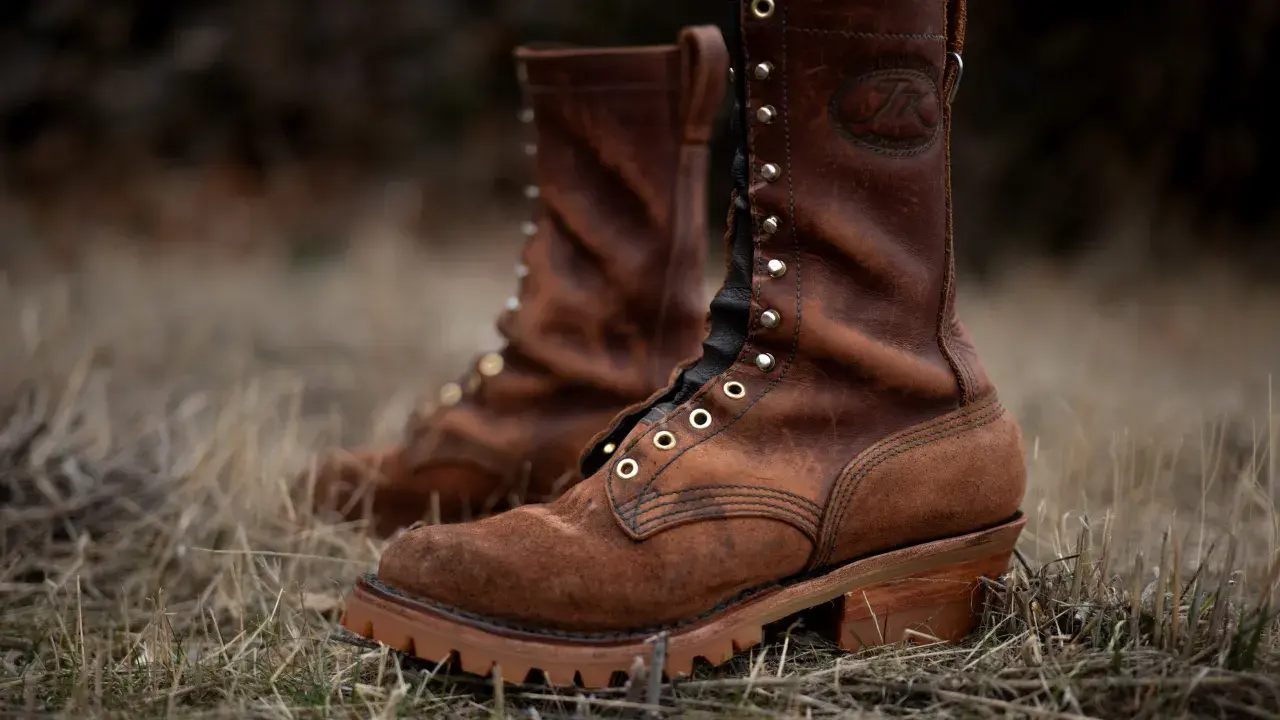
A lug sole is the kind of outsole that matters the moment the trail turns muddy, loose, or slick. In hiking footwear, it usually means raised rubber lugs that bite into the ground, shed debris, and give you a more secure step on uneven terrain. That is the practical answer to what does lug sole mean, and it also explains why the tread pattern matters as much as cushioning or waterproofing.
Here’s the practical meaning behind a lug sole
- A lug sole is an outsole with raised rubber protrusions that improve grip.
- Deeper, more widely spaced lugs usually work better on mud, loose dirt, and soft ground.
- Shallower or tighter tread often feels better on hard-packed paths and wet rock.
- In hiking footwear, lug shape is as important as weight, stiffness, and rubber compound.
- A lug sole helps with traction, but it does not fix a poor fit or replace the right boot for snow and ice.
A lug sole is a traction-first outsole
When I look at a hiking shoe, I read the lug sole as a design choice, not just a style detail. The outsole is the outermost part of the sole that touches the ground, and the lugs are the raised bumps or cleats molded into it. Those bumps create edges that can dig into dirt, grip rock, and help channel mud away instead of letting the sole pack up and slide.
In casual footwear, the same phrase can describe a chunky, rugged-looking sole. In hiking footwear, though, the meaning is more functional: it tells me the shoe was built with traction in mind. The bigger point is that a lug sole is not one fixed thing. Lug shape, depth, spacing, and rubber all change how the shoe behaves once you leave pavement behind.
That distinction matters because the right tread can make a simple day hike feel steady, while the wrong one can make a short descent feel sketchy. From there, the real question becomes where that grip helps most on trail.
Why lug shape matters on real trails
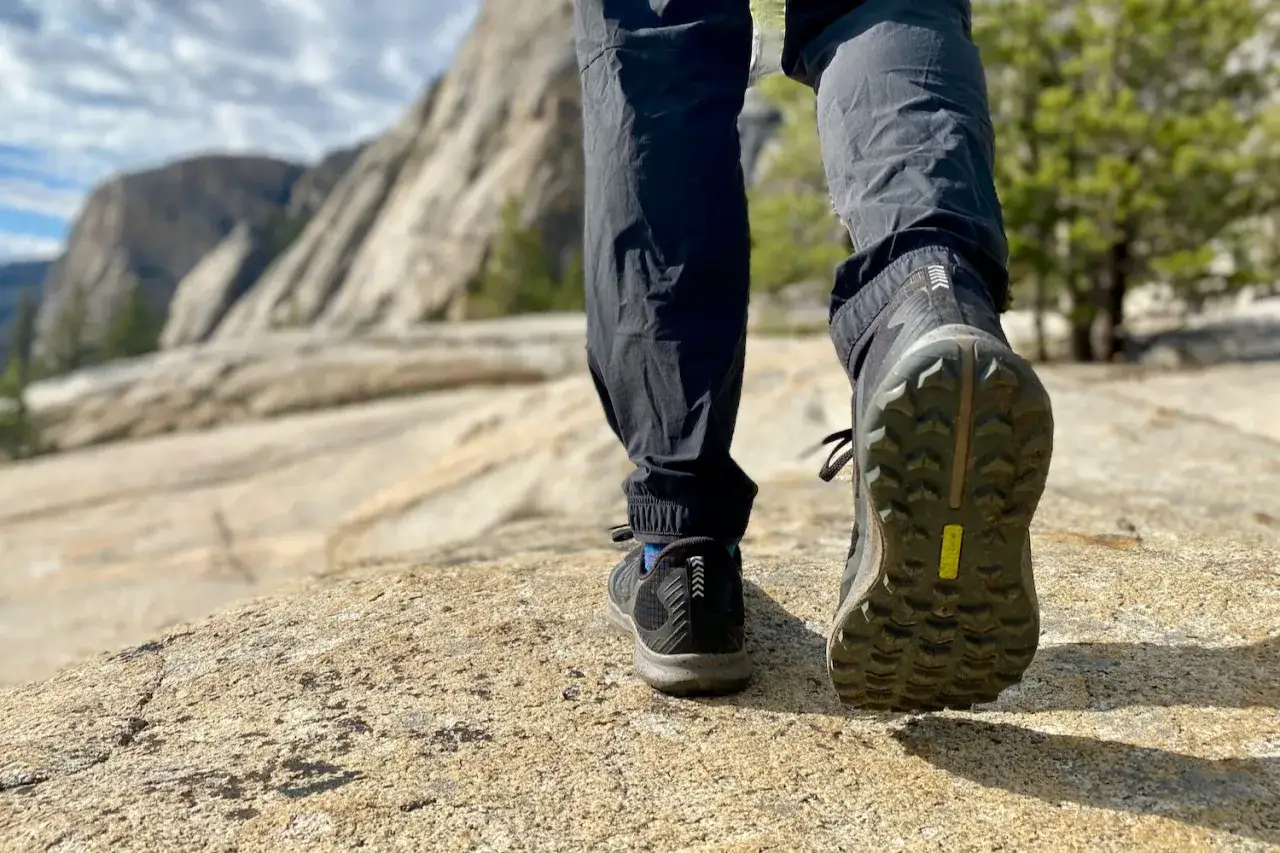
On real trails, traction is rarely about one perfect surface. A single hike can include packed dirt, wet roots, loose gravel, slick stone, and a muddy patch in the shade. That is where a lug sole earns its keep. The edges of the lugs help the shoe hold ground on uneven surfaces, and the spacing between them helps the outsole release mud instead of becoming a smooth, slippery block.
I usually pay the most attention to lug design on descents. Going downhill, the front and rear edges of the tread help with braking and control. On climbs, the lugs need enough bite to keep the shoe from skating on loose soil or small stones. On a wet alpine path, a forest track after rain, or a rocky coastal route, that grip can decide whether the shoe feels confident or hesitant.
REI’s current hiking guidance makes the same basic point: deeper lugs tend to help on rocky, uneven terrain, while shallower tread can sometimes be better on wet stone because it keeps more rubber in contact with the surface. That balance is exactly why tread is worth reading closely instead of treating all hiking shoes as interchangeable.
Once you see how much the terrain changes, the next useful question is how lug depth changes the ride of the shoe itself.
Lug depth and spacing change the feel
There is no universal standard for lug depth, but in practical terms I think of it in three broad bands. The numbers below are not a rulebook; they are a useful way to compare shoes when product pages only give you a millimeter measurement.
| Lug profile | Typical depth | Best for | Main trade-off |
|---|---|---|---|
| Low-profile lugs | About 3 mm or less | Packed paths, travel, light hiking, mixed city-to-trail use | Less bite in mud, loose dirt, and soft ground |
| Mid-depth lugs | About 4-5 mm | All-around hiking, day hikes, moderate dirt and rock | Can still feel a little slick in deep mud or on very wet stone |
| Aggressive lugs | About 6 mm or more | Loose terrain, muddy trails, softer ground, more technical hikes | Heavier feel, more noise on pavement, faster wear on hard surfaces |
Spacing matters almost as much as depth. Wider spacing usually helps mud and small stones fall away, which keeps the tread working as intended. Tighter patterns often feel smoother and more stable on firm ground. I also care about how the lugs are shaped: angular lugs tend to brake better, while rounded patterns can feel a little smoother underfoot.
That is why a hiking boot with a 5 mm tread can feel very different from another 5 mm boot. The measurement helps, but it does not tell the whole story. To make the choice clearer, I like to compare lug soles with the other outsole styles people see on the shelf.
How lug soles compare with other outsole styles
When people shop for hiking footwear, they often compare a lug sole with something that looks flatter, lighter, or more stylized. Those differences are easy to miss until the trail changes. This is the simple way I separate the common options.
| Outsole type | What it feels like | Best use | Watch out for |
|---|---|---|---|
| Lug-sole hiking boot | Grippy, stable, more planted | Muddy trails, loose dirt, rocky paths, mixed mountain terrain | Can feel bulky on long pavement walks |
| Trail-running outsole | Lighter, more flexible, faster underfoot | Fast hikes, packed dirt, moderate off-road use | Usually less protective and may wear faster if used hard |
| Smooth or shallow-tread sole | Cleaner, quieter, more casual | City wear, travel, light walking | Poor grip on wet rock, mud, and steep loose ground |
| Crampon-ready boot | Very stiff and secure | Snow and ice travel | Overkill for most normal hikes |
I think this comparison is useful because it keeps the buying decision honest. A more aggressive lug sole is not automatically better. If most of your walking is on pavement, hard-packed paths, and travel days, a less aggressive outsole may actually feel better and last longer. If your hikes regularly cross mud, wet grass, loose scree, or root-covered forest trails, the extra traction starts to matter fast.
That brings the decision into practical territory: what should you actually look for before you buy?How I would choose one for hiking
My first rule is simple: match the outsole to the ground, not the marketing. A boot can look rugged and still be poorly suited to the trails you really walk. I look at five things before I trust the tread.
- Terrain - Mixed day hikes usually do well with mid-depth lugs. Mud-heavy or loose terrain benefits from more aggressive tread.
- Lug spacing - Wider gaps help the sole clear mud and debris; tighter spacing feels smoother on hard surfaces.
- Rubber compound - Softer rubber usually grips rock better, but it can wear faster. Harder rubber tends to last longer, but it may feel less sticky.
- Flex and stiffness - The sole still needs to bend naturally with your foot. Too much stiffness can make a shoe feel awkward on longer walks.
- Weight and cadence - Deep tread adds security, but it can also add bulk. If you hike fast, a lighter outsole may suit you better.
I also check the millimeter rating when it is available. Around 4-5 mm is a solid middle ground for many hikers. Around 6 mm and up starts to make more sense when the trail is softer, wetter, or more technical. Those figures are not magic numbers, but they do give you a useful way to separate an all-purpose hiking shoe from a more aggressive boot.
Even then, I never let tread depth do all the work. Grip starts with the sole, but the next section is where the limitations show up.
Where a lug sole stops being enough
A lug sole helps, but it is not a cure-all. On very wet stone, some deep lugs can actually feel less secure than a flatter contact area, especially if the rubber is hard or the surface is polished smooth. On pavement, aggressive tread wears faster and can feel noisy or unstable. On snow and ice, even a good hiking tread is still not a replacement for the right winter boot or traction aid.
The most common mistake I see is assuming that bigger lugs always mean better grip. They do not. Mud-shedding ability, rubber softness, sole stiffness, and the shape of the lugs all work together. A shoe with extreme tread can still slip if the compound is wrong for the surface, or if the boot does not fit the foot securely enough to keep the sole aligned under load.
Another limitation is simple wear. Once the edges round off, traction drops. If a pair of boots has been heavily used on roads or abrasive rock, the tread can look fine at a glance but perform much worse in the field. That is why I always look at the sole as part of a system, not as an isolated feature.
So the most useful takeaway is not just what the term means, but how to read it when you are deciding whether a shoe belongs on your next hike.
The decision I would make before buying hiking shoes
If I had to reduce the whole topic to one practical rule, it would be this: choose the lug pattern that matches the ground you actually walk most often. For wet forest trails, loose mountain paths, and rocky terrain, a well-designed lug sole is usually worth it. For travel, light paths, and mostly paved walking, a calmer outsole may be the smarter choice.
That is why the phrase matters. It is not just shoe jargon. It tells you something real about traction, control, and how much trust the sole deserves when the trail stops being predictable. When I read a product page now, I do not just ask whether the boot looks rugged. I ask whether the lugs are deep enough, spaced well enough, and paired with the right rubber for the kind of hiking I plan to do.
If you keep that standard in mind, a lug sole becomes easy to interpret: it is the outsole design that turns a hiking shoe from something you wear on the trail into something that can actually hold the trail.