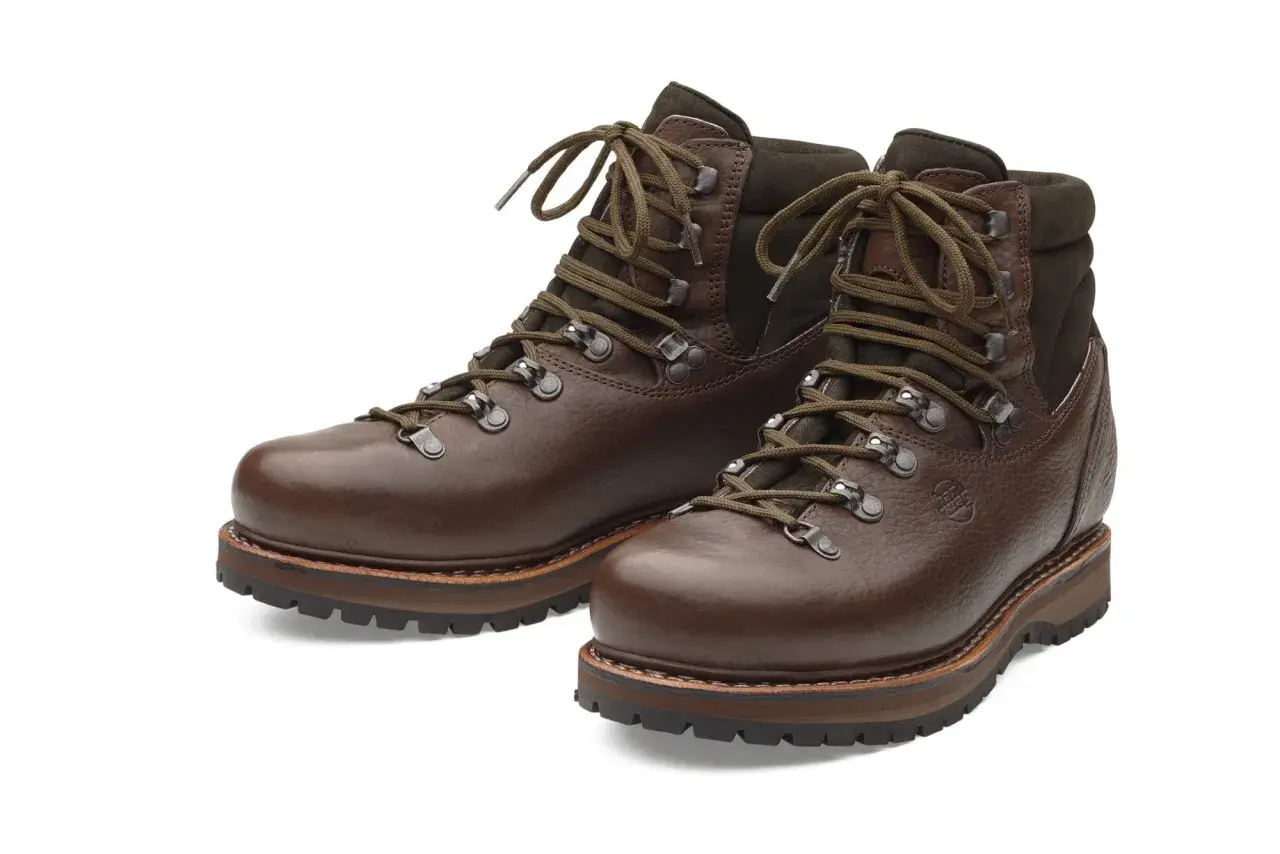
Yak leather sits in a very specific corner of the footwear world: it is a premium hide used when a boot needs structure, abrasion resistance, and long-term wear rather than just a lower price tag. The practical answer to what is yak leather is simple, but the real story is more useful for hikers: its dense fibers, rough-grained surface, and supple feel make it interesting for alpine-style boots and serious trekking footwear. In the sections below, I break down where it comes from, why boot makers use it, how it compares with other materials, and what I would check before trusting it on a long trail.
The main things to know before buying
- Yak leather comes from the hide of a yak, a hardy high-altitude bovine native to mountain regions.
- It is valued in hiking footwear for being dense, tough, and still surprisingly supple.
- It usually appears in premium boots built for durability, not lightweight trail running or fast hiking.
- It can be a strong choice for alpine routes, backpacking, and rough terrain where longevity matters.
- Care is part of the deal: keep it clean, dry it slowly, and condition it properly.
What yak leather actually is
Yak leather comes from the hide of the yak, a high-altitude bovine found in mountain regions of Asia. It is not a special finish or a trend label. It is real leather that has been tanned and prepared for products that need toughness, shape retention, and a bit of natural character.
What makes it stand out is the combination of density and flexibility. Hanwag says its yak leather is 2.2-2.6 mm thick and describes it as exceptionally hard-wearing yet surprisingly supple. I read that as the core value of the material: it gives a boot more structure than a soft casual upper, but it does not feel dead or rigid in the hand.
There is also a supply-side reason it remains niche. Manufactum notes that first-quality yak leather can take about three weeks to process, which helps explain why it shows up in specialized footwear rather than on every shelf. In other words, this is a material with real processing effort behind it, not a mass-market shortcut. That leads directly to the real reason hikers care about it in the first place.
Why it shows up in hiking footwear
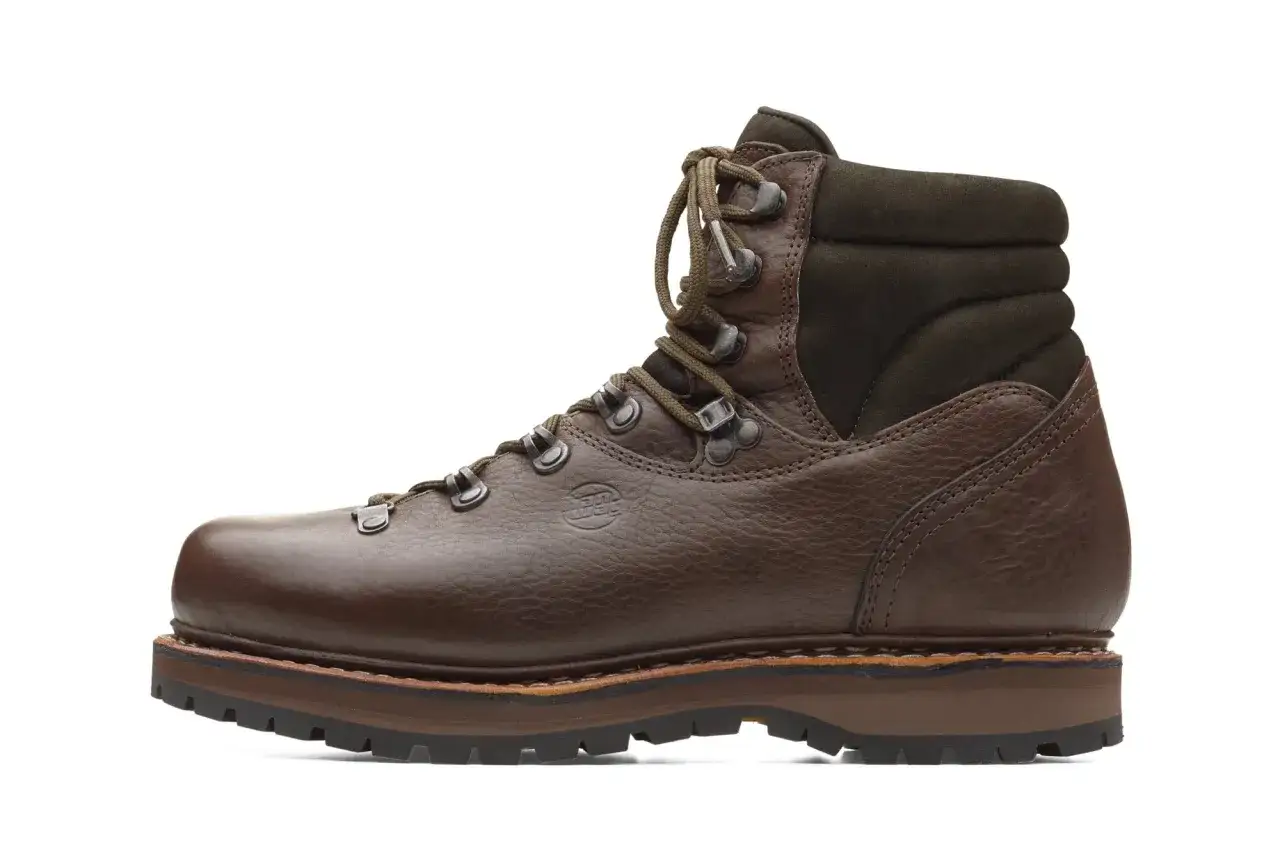
Yak leather makes sense in hiking footwear when the boot has to survive rock, mud, wet grass, and repeated flexing without giving up too quickly. I tend to associate it with alpine routes, shoulder-season hiking, and backpacking trips where a little extra weight is acceptable if the upper stays protective and keeps its shape.
It also has a look that feels honest on the trail. The grain is often more uneven and textured than standard cowhide, which means the boot looks less uniform but also more individual. That is not just cosmetic. A coarse, dense hide tends to read as serious footwear, the kind of boot you buy to use hard rather than to baby.
For European mountain trips, that matters. On rocky descents, wet limestone, or long days with a loaded pack, I care less about novelty and more about whether the upper can take abrasion, hold up to moisture, and still feel comfortable after hours of walking. That is where yak leather earns its place. From there, the next question is obvious: how does it compare with the other materials hikers already know?
How it compares with other boot materials
When I compare boot uppers, I usually look at three things: abrasion resistance, comfort over distance, and how much maintenance the material will demand. Yak leather scores well on the first two, but it asks for more care than most synthetics.
| Material | What it does well | Tradeoffs | Best fit |
|---|---|---|---|
| Yak leather | Dense, durable, supple, and good at holding shape | Less common, usually more expensive, and heavier than many synthetic uppers | Alpine boots, rough terrain, long-distance hiking, long service life |
| Cowhide | Widely available, durable, familiar, and easier to source | Quality varies more, and some versions feel bulkier | General-purpose hiking boots and backpacking boots |
| Nubuck | Comfortable, flexible, and common in traditional hiking boots | Less armor-like than a heavier hide and still needs care | Three-season hikers and mixed trail use |
| Synthetic mesh | Lightweight, quick-drying, and often cheaper | Less protective and usually less durable under serious abrasion | Fast hikes, warm weather, and lightweight travel |
The big takeaway is that yak leather sits closer to the serious end of the spectrum. It is not the obvious choice for a hot-weather speed shoe, but it can be a very good choice when I want one boot to feel durable, supportive, and ready for rougher terrain. That brings me to the details I would actually inspect before buying.
What I look for in a yak leather hiking boot
The material itself matters, but the boot still wins or loses on construction, fit, and outsole design. A great hide in a bad boot is still a bad boot. When I shop for yak leather footwear, these are the checks I care about most.
| What to check | Why it matters | What I want to see |
|---|---|---|
| Leather thickness | Thicker uppers resist abrasion and keep the boot stable | A serious trekking boot should not feel thin or flimsy |
| Stitching and build | Strong stitching helps the boot survive repeated flex and long use | Clean seams, reinforced stress points, and preferably resoleable construction |
| Fit | Fit matters more than any material claim | Locked-in heel, enough toe room, and no pressure across the instep |
| Outsole | Traction and stability come from the sole, not the leather alone | Deep lugs, a stable platform, and a sole suited to rock and dirt |
| Lining and weather protection | Leather can handle weather, but the full boot system decides comfort in wet conditions | Clear guidance on waterproofing, lining, and care |
If those details are right, the boot can justify its price. If they are not, the leather is just an expensive upper. Once the boot is in hand, maintenance becomes the difference between a good purchase and a neglected one.
How to care for it after wet, muddy miles
Leather lasts because it is maintained, not because it is invincible. I treat yak leather the same way I treat any serious hiking leather: clean it, dry it slowly, and keep the surface nourished. That sounds simple, but the small habits are what protect the investment.
- Brush off dirt after every hike, especially around the toe, tongue, and welt.
- Let the boots dry naturally in a ventilated room. Keep them away from heaters, fireplaces, and car trunks.
- Clean the upper before conditioning it so grit does not block the treatment.
- Use a wax or conditioner that matches the leather finish. For smooth leather, I prefer wax over heavy grease unless the maker explicitly recommends otherwise.
- Store the boots in a cool, dry place with the laces loosened so the leather keeps its shape.
Wax, not grease or oil, is usually the safer long-term habit for a boot that needs to stay structured and resoleable. I also avoid the common mistake of rushing the drying process; heat can harden leather and shorten its life fast. If a buyer does not want that level of upkeep, the material choice should probably change too. That naturally raises the final question: when is yak leather the wrong answer?
When I would choose something else instead
I would skip yak leather if the boot’s job is to be as light as possible, dry quickly, or cost less upfront. It is a premium material, and premium does not always mean practical for a given trip.
- If you hike mostly in hot weather, a lighter synthetic or mesh upper will usually breathe and dry faster.
- If you want a boot for casual weekend use, standard cowhide or nubuck will often give you enough durability with easier availability.
- If budget matters more than long service life, yak leather is usually not the most efficient place to spend money.
- If you want a very soft, sneaker-like feel straight out of the box, a traditional leather alpine boot may feel too structured.
That said, I would still choose it for long, rough days on mountain trails, especially when the route rewards a boot that can be cleaned, maintained, and used for years instead of replaced every season. That is the real value proposition, and it is why this material still has a place in serious hiking footwear.
The trail-ready takeaway for U.S. hikers
Yak leather is a premium, durable, high-altitude boot material with a real role in serious hiking footwear. It shines when you want structure, abrasion resistance, and a boot that can be cared for over time rather than replaced quickly. For most U.S. hikers, the smartest approach is simple: judge the whole boot first and the leather second. Fit, outsole, stitching, and maintenance guidance matter more than the story attached to the hide.
If you are deciding between a yak leather boot and a more common leather or synthetic option, ask yourself one honest question: do you want a lighter, cheaper boot now, or a sturdier boot that rewards upkeep and lasts longer on rough ground? If the second option sounds more like your hiking style, yak leather deserves a close look.