The routes that consistently deliver the strongest mix of scenery and logistics
- Rota Vicentina’s Fishermen’s Trail is the strongest choice for dramatic coastal trekking on the mainland.
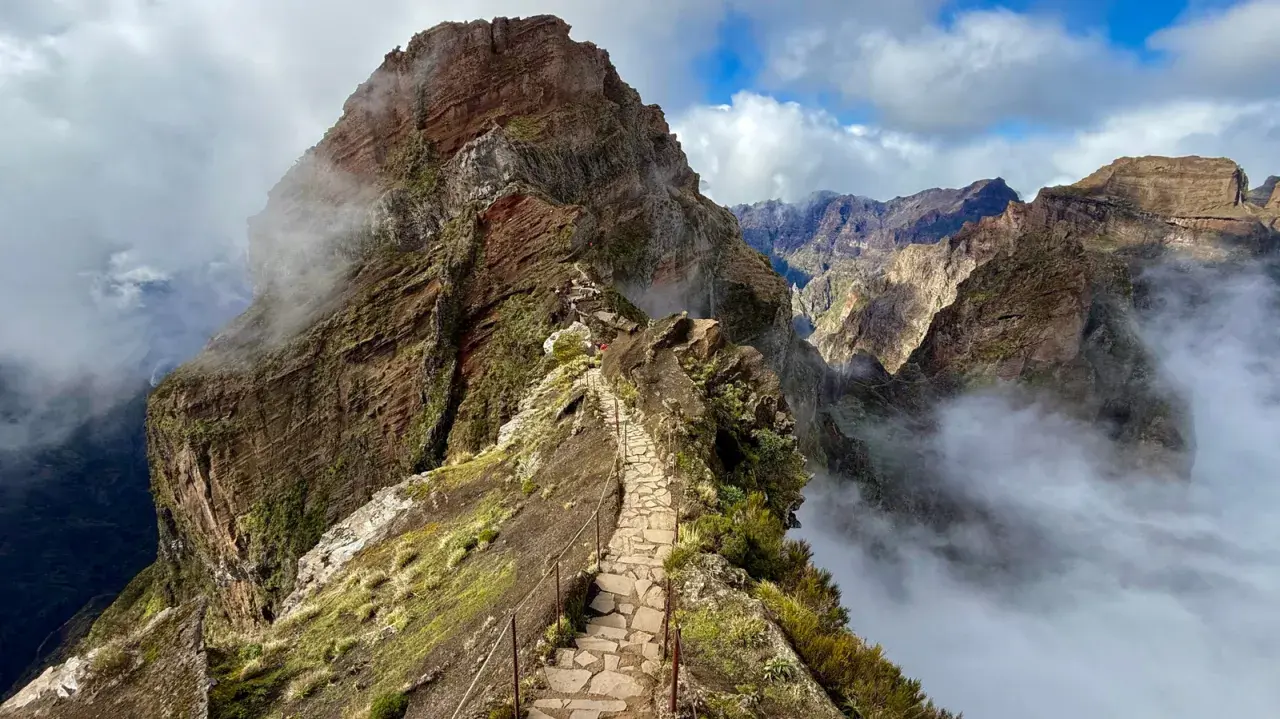
- Madeira’s PR1 Vereda do Areeiro is the single best mountain day hike if you want real elevation and big views.
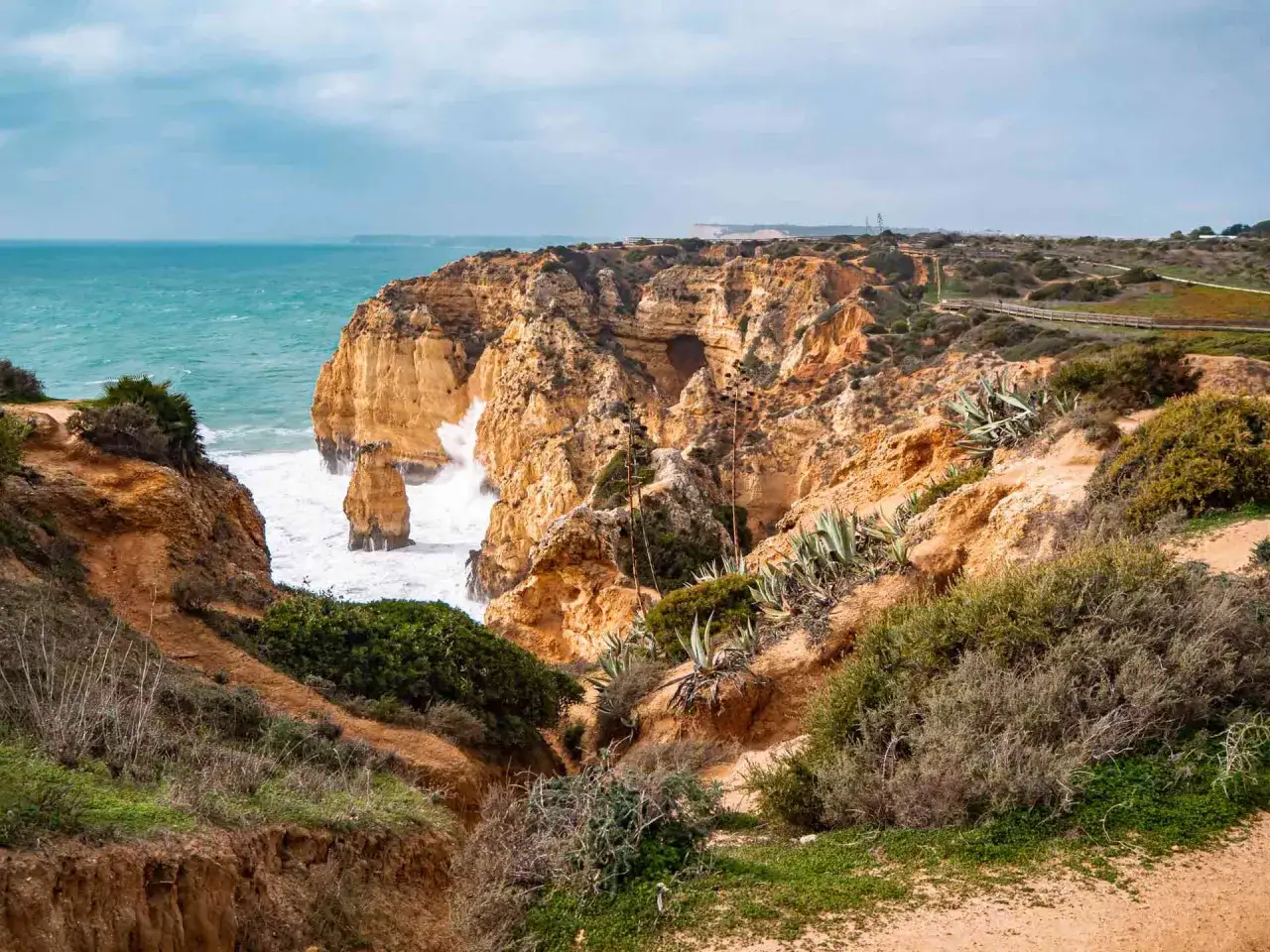
- Seven Hanging Valleys is the easiest high-reward coastal walk for a short Algarve trip.
- Peneda-Gerês is where I would go for greener, quieter inland hiking with waterfalls and granite terrain.
- Sete Cidades in the Azores is the best volcanic landscape for walkers who prefer cooler air and softer effort.
- The Portuguese Camino coastal sections suit hikers who want a route with culture, towns, and baggage-transfer support.
The routes I would put at the top of any shortlist
When I narrow Portugal down to the trails that consistently deliver, I end up with a handful of very different experiences. They are not interchangeable: some are about coastal drama, others about mountain exposure, and a few work better as multi-day journeys than as stand-alone day hikes.
| Trail or area | What to expect | Best for | Main trade-off |
|---|---|---|---|
| Fishermen’s Trail, Rota Vicentina | 226.5 km in 13 stages; exposed cliffs, beaches, and a lot of sand | Multi-day coastal trekking | Wind, heat, and logistics on linear sections |
| PR1 Vereda do Areeiro to Pico Ruivo, Madeira | 7 km, moderate, about 3.5 hours; ridge walking between high peaks | One unforgettable mountain hike | Exposure, steep sections, and weather sensitivity |
| Seven Hanging Valleys, Algarve | 6 km one way or 12 km return; about 3 hours one way | Short, scenic coastal walking | Limited shade and popular access points |
| Vista do Rei to Sete Cidades, São Miguel | 7.7 km, about 2 hours; crater rim and volcanic lakes | Scenic island day hikes | Fog, slippery ground, and changing weather |
| Peneda-Gerês National Park | Various loops and valley walks; waterfalls, granite ridges, and old villages | Quieter inland hiking | Some routes are remote and less obvious to navigate |
| Portuguese Camino coastal sections | About 274 km from Porto to Santiago on the full coastal line | Long-distance walking with town-to-town support | Daily mileage adds up fast, even on easier terrain |
If I had only one first trip, I would pair one coastal route with one mountain or island walk. That gives you the widest range without turning the holiday into a transit puzzle. From there, the real question becomes which region matches the pace and mood you want.
Where each region makes the most sense
The biggest mistake I see is choosing a famous trail without checking whether the surrounding region fits the kind of hike you actually want. Portugal changes character fast: the coast feels open and windy, the north is greener and more sheltered, and the islands demand a different weather strategy altogether.
| Region | Hiking feel | Why go there | Watch-out |
|---|---|---|---|
| Southwest coast | Wild, windy, and open | The strongest coastal scenery and some of the country’s most memorable long walks | Little shade and strong sun on exposed stretches |
| Algarve | Cliffside, accessible, and varied | Great for shorter scenic hikes and easy base trips | Hotter conditions in summer and heavier tourist traffic |
| Peneda-Gerês and northern interior | Greener, cooler, and more rugged | Waterfalls, granite peaks, river valleys, and a more traditional landscape | Some routes are less straightforward to access without a car |
| Madeira | Steep, dramatic, and high-contrast | One of the best places in Europe for serious mountain scenery in a small area | Weather can change quickly above the clouds |
| Azores | Volcanic, lush, and atmospheric | Crater lakes, ridges, and a softer hiking climate | Fog, rain, and slick trails are part of the deal |
| Sintra-Cascais and the Lisbon fringe | Convenient and varied | Best if you want forest, cliffs, and easy day-hike access from the capital | More crowds near the classic viewpoints |
For most visitors, the choice comes down to a simple split: coast if you want space and scenery, mountains or islands if you want more drama per mile. Once that is clear, the rest of the planning gets much easier.
Why some Portuguese trails feel harder than the map suggests
Distance tells only part of the story. A 10 km walk on paper can feel relaxed in a forest and surprisingly tiring on a cliff path, especially when wind, sand, sun, and elevation all show up at once.
- Coastal exposure makes even moderate routes feel serious. The Fishermen’s Trail is a good example: you are often fighting wind, loose footing, and uneven surfaces at the same time.
- Heat is a real factor in the Algarve and on lowland mainland routes. I plan early starts there because a midday walk can turn from pleasant to draining very quickly.
- Madeira and the north reward fitness more than speed. Steeper ascents, stairs, and ridge sections matter more than total distance.
- Linear trails complicate logistics. Routes such as the Camino or the Fishermen’s Trail are easier when you accept shuttle transfers, luggage moves, or one-way stages as part of the experience.
- Waymarking helps, but it is not magic. Marked routes are usually fine, but I still carry an offline map because fog, junctions, and side paths can erase confidence fast.
In trail language, PR usually means a shorter marked route and GR means a long-distance route; those labels help you judge the format, but they do not tell you how exposed the walk will feel. That is why I look at terrain and weather first, then distance second.
The season matters more than most travelers expect
Portugal is walkable for a large part of the year, but the best season depends on where you are going. The same month that feels ideal in Madeira can be a poor choice for an exposed Algarve cliff walk.
| Season | Best for | Why it works | What to avoid |
|---|---|---|---|
| March to May | Mainland coast, Gerês, Sintra, and the Azores | Milder temperatures, greener landscapes, and better visibility before peak summer heat | Sudden rain and muddy sections after storms |
| June to August | Madeira, the Azores, and early-morning coastal hikes | Long daylight and generally stable conditions on the islands | Midday heat on the mainland, especially in the Algarve and interior valleys |
| September to November | Almost everywhere | For me, this is the most reliable window for a broad Portugal hiking trip | Stormier days on exposed coastal routes late in the season |
| December to February | Madeira, Sintra, and southern coastal walks on good weather days | Cooler temperatures make walking comfortable when conditions are calm | Wet, slippery, and shorter daylight in the north and on mountain routes |
My rule is simple: if your dates are fixed, choose the region that tolerates those dates best instead of forcing the most famous trail. That single decision usually matters more than chasing the most photographed viewpoint.
How I would plan the trip without wasting time on logistics
The cleanest hiking trips in Portugal usually follow one of three patterns. Once you choose the right pattern, you avoid the most common frustration: spending more energy moving between trailheads than actually walking.
- Base yourself in one place if you want short hikes and easy recovery days. This works well in Sintra, the Algarve, Madeira, and the Azores.
- Use a point-to-point setup if the route is the experience, not just the scenery. That is the right way to approach the Fishermen’s Trail and the Camino.
- Book a support service early if you are planning a multi-day walk in high season. Luggage transfers, shuttle pickups, and accommodation gaps are easier to solve before you arrive.
- Carry more water than you think you need on exposed routes. I treat 2 litres as a minimum for warm day hikes and increase that quickly in the Algarve or on long ridges.
- Use offline navigation rather than relying on signal. A downloaded map and a charged phone are basic kit, not backup planning.
I also like to keep one easier walk in reserve. Weather, fatigue, or trail closures can derail a headline hike, and having a shorter fallback route keeps the trip enjoyable instead of rigid.
The route I would choose first, depending on your travel style
If you want the most iconic coastal trek, I would start with the Fishermen’s Trail. If you want one mountain day that feels truly special, choose Madeira’s PR1 between Pico do Areeiro and Pico Ruivo. If you want a shorter scenic win with minimal fuss, the Seven Hanging Valleys Trail is hard to beat.For a quieter mainland trip, I would move north to Peneda-Gerês. For volcanic landscapes and cooler walking weather, I would choose Sete Cidades in the Azores. And if you want a journey that mixes culture, towns, and walking rhythm over several days, the Portuguese Camino coastal sections make the most sense.
My own shortcut is to think in pairs: one headline hike and one backup hike. That gives you a trip that still feels adventurous when conditions are perfect, but does not fall apart when the weather, terrain, or your legs ask for a smarter plan.