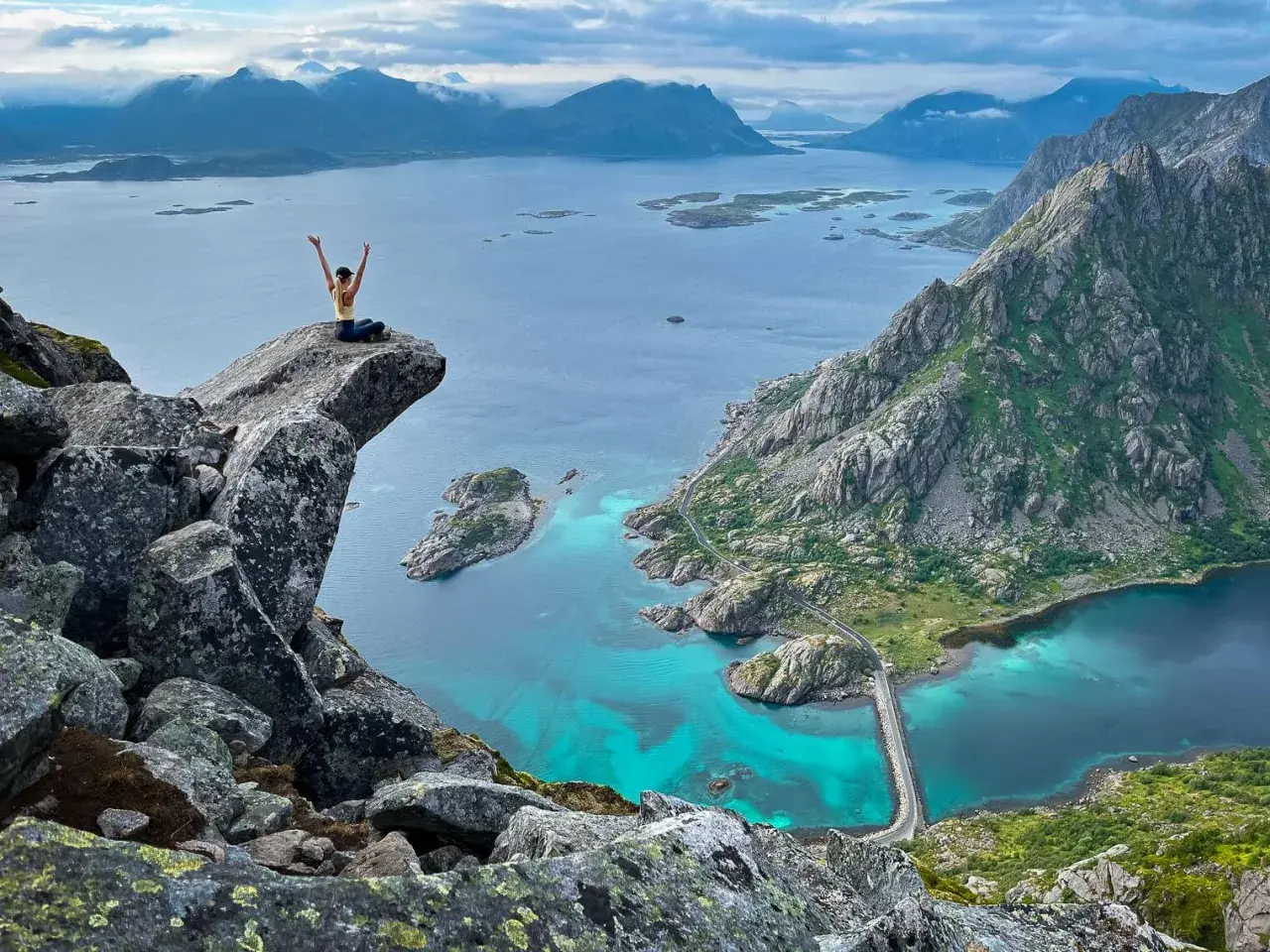
Islands can give you concentrated scenery, cleaner logistics, and a trail day that changes character fast. Among the best islands for hiking, the real standouts are the ones that combine strong route networks with terrain that feels distinct, not just pretty. In this guide I focus on the islands that actually reward walking, what kind of hiker each one suits, and the practical details that matter once you leave the postcard version behind.
The main things I weigh before I choose an island
- Trail density matters more than scenery alone; a great island lets you link walks without constant transfers.
- Terrain variety keeps the trip from feeling repetitive, especially on a 5- to 10-day holiday.
- Season and exposure can make the same route feel easy in spring and punishing in midsummer.
- Access rules matter on some islands, where reservations, fees or permits change how you plan the day.
- Transport friction is the hidden cost; ferries, buses and trailhead access can make or break the experience.
What separates a good hiking island from a pretty one
I usually judge an island by three things: how dense the trails are, how much the landscape changes, and how much friction I have to deal with before I start walking. A place can look stunning from the ferry and still be a weak hiking choice if the routes are sparse, poorly linked, or too dependent on one long car transfer.
The islands that work best for hiking usually share one trait: they give you a strong identity on foot. Madeira gives you ridges, levadas and cloud forest. Skye gives you raw mountain drama and sea cliffs. The Greek islands often give you village-to-village walking, old paths and a more relaxed pace. That mix is why I think the real decision is less about picking a famous island and more about matching the island to the kind of walking you want to repeat for several days.
Once that is clear, the shortlist becomes much easier to read.
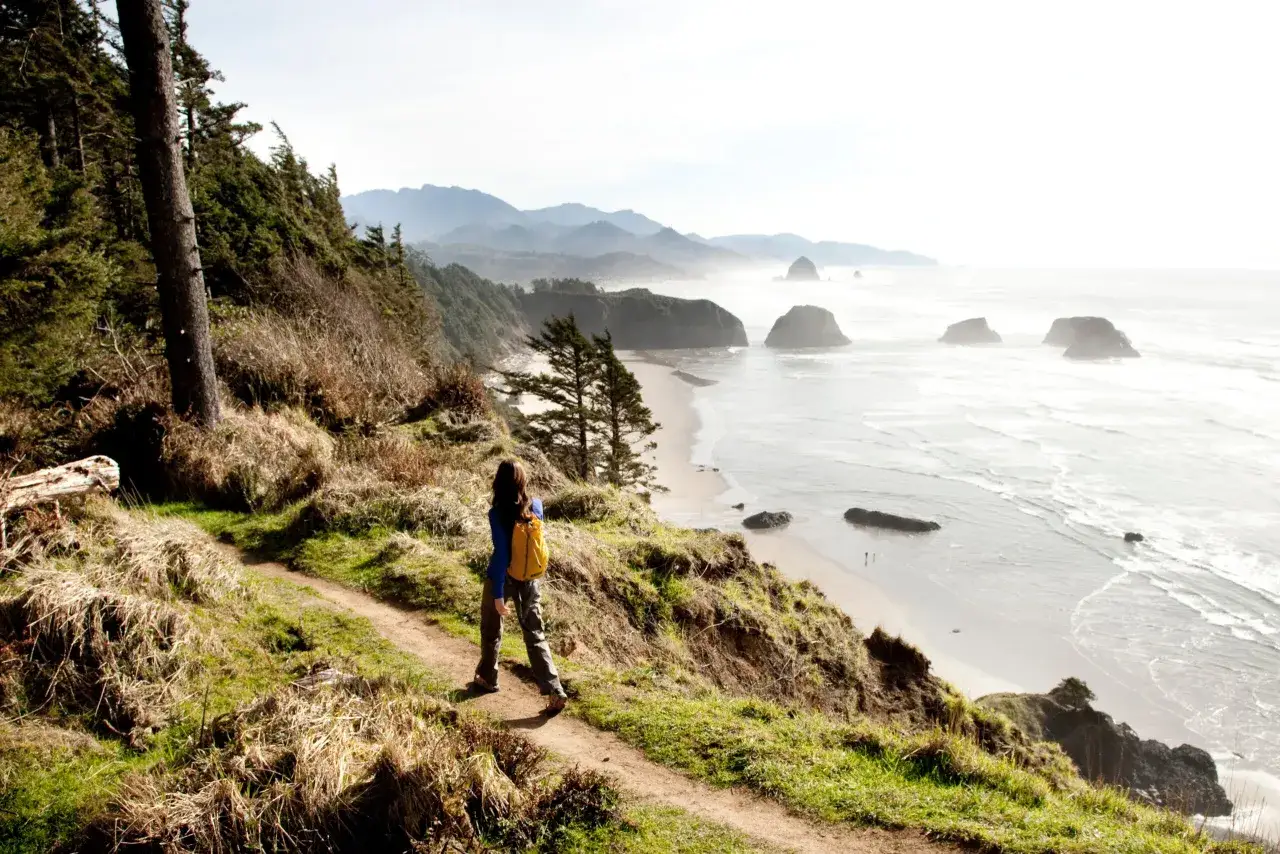
The islands I would shortlist first
Here is the practical version of the answer: these are the islands I would put on a real hiking trip shortlist, not just a scenic wish list. Some are better for big mountain days, others for steady footpaths and low-stress route finding.
| Island | Why it stands out | Best for | Watch out for |
|---|---|---|---|
| Madeira | A compact island with ridges, levadas, laurel forest and steep daily elevation changes. | Hikers who want variety in a single base. | Reservations, fees and quickly changing mountain weather. |
| Isle of Skye | One of Europe’s most dramatic island landscapes, with the 127 km Skye Trail and plenty of coastal walking. | Rugged, atmospheric walking and tougher routes. | Unmarked long-distance sections, boggy ground and rapid weather swings. |
| Andros | One of the best Greek islands for walkers, with a proper trail culture and more than 100 km of marked paths. | Balanced walking holidays and village-to-village routes. | Summer heat and limited transport on some parts of the island. |
| Sifnos | A compact Cycladic island with a well-organized footpath network and easy route linking. | Walkers who prefer steady, scenic days over hard summit pushes. | Less dramatic terrain than the wilder islands. |
| Tenerife | Volcanic landscapes, pine forest and high-altitude terrain around Teide, Spain’s highest peak at 3,718 m. | Winter hiking and routes with strong visual contrast. | Altitude, exposure and permit-controlled summit sections. |
| São Miguel | Lush crater lakes, green ridges and a network of rewarding day hikes. | Moderate hikes with strong scenery and good variety. | Fog, rain and soft ground can change the feel of a route fast. |
| Crete | The island has enough scale for proper trekking, from the 16 km Samaria Gorge to mountain routes inland. | Experienced hikers and longer itineraries. | Heat, distance and trail complexity can be more demanding than photos suggest. |
Visit Greece notes that Andros has more than 100 km of marked trails, while Sifnos has over 100 km of footpaths, so both islands reward walkers who like structure. If you want the easiest balance of scenery and order, those two are far more useful than they first appear.
If I had to rank the group for a first-time hiking trip, I would usually start with Madeira, then Skye or Tenerife depending on whether you want Atlantic drama or volcanic terrain. That pattern matters because the strongest island hikes are often the ones where the landscape, not just the coastline, carries the trip.
How to match the island to your hiking style
I would not choose an island by beauty alone. I would choose it by the kind of day I want to repeat five times in a row.
For dramatic mountain days
Madeira, Skye, Tenerife and Crete are the islands where the terrain gets your attention immediately. The payoff is huge, but so is the need for good footwear, weather awareness and enough fitness to enjoy the descent rather than just survive it.
For easier route finding
Andros and Sifnos are smarter if you want to walk from village to village without turning the trip into a navigation exercise. They are less about summit drama and more about rhythm, continuity and the satisfaction of a well-shaped walking day.
Read Also: Best Hiking Trails in Scotland - Your Perfect Trek Awaits
For longer trekking trips
Crete and Skye make the most sense when you want something that feels closer to a trekking holiday than a string of scenic strolls. On Skye, the famous 127 km trail is unmarked, so I would treat it as a serious route-planning project rather than a casual hike.
Once you know which style you want, the next question is not the scenery; it is the season, the access rules and the amount of planning the island asks of you.
When to go and what can complicate the trip
For island hiking, the calendar matters more than it does on many mainland trips. Summer can be perfect on cooler northern islands, but it can also turn exposed Mediterranean routes into heat-management exercises.
- Spring and autumn are the safest bets for Greek islands and the Azores, when temperatures are kinder and the light is better for long days outside.
- Madeira and Tenerife work across more of the year, but ridge weather, wind and cloud still decide whether a hike feels easy or punishing.
- As of 2026, Visit Madeira says classified trails, the official government-marked routes, require reservations, and access fees start at €4.50 per trail, so I would build that into the itinerary before I book accommodation.
- On Teide and similar high-elevation routes, permits and altitude matter just as much as distance.
I also think it is worth remembering that pretty trail photos usually hide the real constraint: shade, water, wind and transport back to your base. That is why the next step is less about inspiration and more about planning the trip like a hiker.
How I would plan the trip from the United States
The smartest island hiking trip usually has a narrow focus. I would rather spend a week on one well-chosen island than waste time ferry-hopping between three places that look good on social media but do not fit together in real life.
- Choose the terrain first, then the island. If you want ridges and volcanic views, start there; if you want footpaths and village links, choose accordingly.
- Match the season to the island. I would avoid peak heat on exposed Greek routes and use shoulder season wherever possible.
- Book any permits, trail reservations or summit slots early, especially where the route system is controlled.
- Stay close to the best trailheads or the most useful bus and ferry connections so the hiking day stays focused.
- Carry offline maps, water, a windproof layer and one easy backup hike for bad-weather days.
For most U.S. travelers, 5 to 7 hiking days is enough on a smaller island; 8 to 10 days makes more sense on Madeira, Tenerife or Crete, where the range of routes is broader and you can absorb one weather miss without losing the trip.
The simplest shortlist if you only want one island trip
- Choose Madeira if you want the most complete all-round answer: scenery, route variety and enough challenge to stay interesting.
- Choose Skye if you want rugged landscapes, moodier weather and a hiking experience that feels genuinely wild.
- Choose Andros or Sifnos if you want quieter walking holidays with less logistical noise and more time actually on foot.
- Choose Tenerife if you want volcanoes, altitude and a strong winter-hiking option.
- Choose Crete if you want the strongest trekking feel and you are comfortable with longer, more demanding days.
If I were booking this for a U.S.-based reader, I would start with Madeira or Andros for the easiest balance of scenery and structure, then move to Skye or Crete once you want something wilder. The right island is the one that fits your season, your fitness and the amount of planning you actually want to do.