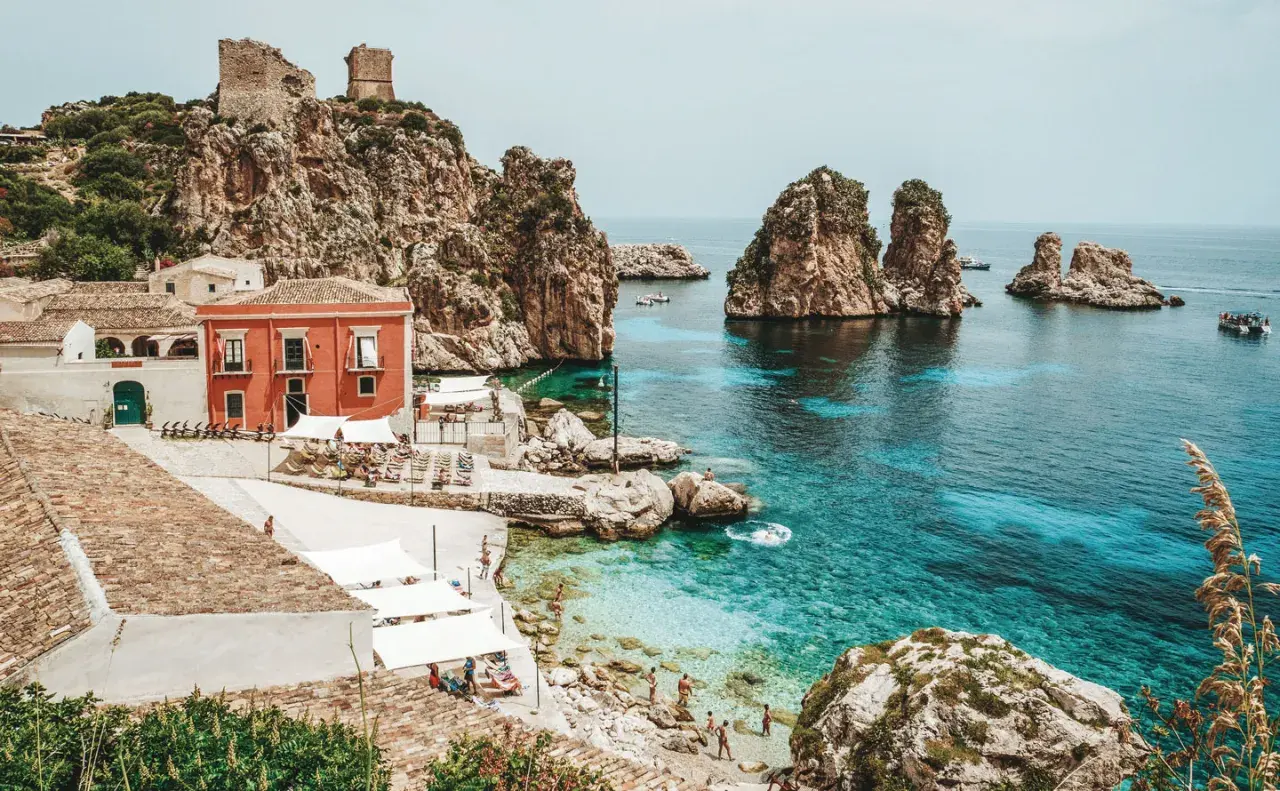
The top places to visit in Sicily are not just a list of famous names; they are a mix of history, coastline, volcanic scenery, and slow-paced towns that work best when you connect them with a smart route. In this guide, I focus on the stops that deserve a real place on a first trip, how they compare, and how I would plan them so the island feels vivid instead of rushed. That matters here more than on many other trips, because Sicily rewards good sequencing.
The stops that make a first Sicily trip work
- Start with Palermo, Taormina, Mount Etna, Syracuse and Ortigia, Cefalu, the Valley of the Temples, Noto and the Val di Noto, and the Aeolian Islands.
- Five to seven days is the sweet spot for a first visit; three or four days works only if you stay in one region.
- The east coast is the easiest first-time cluster; the west and south are better when you want a slower, more deliberate route.
- Renting a car helps, but historic centers often have ZTL rules, meaning restricted traffic zones where casual driving can become a headache.
- Spring and early autumn usually give the best balance of weather, crowds, and outdoor comfort.
The places that deserve a spot on a first Sicily itinerary
When I narrow Sicily down for a first-time traveler, I look for places that show different sides of the island rather than eight versions of the same coastal stop. The most useful shortlist combines major cities, archaeological parks, volcanic landscapes, and a few towns where the atmosphere is the attraction. That balance matters, because Sicily is much better when the route has rhythm.
| Place | Why it belongs | How long to plan | Best for |
|---|---|---|---|
| Palermo | The island's biggest city gives you markets, layered history, and a street life that feels unmistakably Sicilian. | 2 to 3 days | Food, architecture, and a strong city break |
| Taormina | It is one of Sicily's most scenic towns, with big views, a famous Greek theater, and easy access to the coast. | 1 to 2 days | Views, romance, and easy day trips |
| Mount Etna | The island's volcanic centerpiece adds a completely different travel layer, especially if you want hiking or landscape photography. | Half a day to 1 day | Outdoor travel and dramatic scenery |
| Syracuse and Ortigia | Greek heritage, waterfront atmosphere, and a walkable old island core make this one of the most complete stops on the island. | 1 to 2 days | History with a slower pace |
| Valley of the Temples | This is one of Sicily's strongest archaeological sites and the clearest reason to head south. | Half a day to 1 day | Ancient history and archaeology |
| Cefalu | It combines beach time, a compact historic center, and one of the best short viewpoint climbs on the island. | 1 day | A lighter coastal stop |
| Noto and the Val di Noto | Baroque towns here are visually polished and easy to combine with Modica and Ragusa Ibla if you have extra time. | 1 to 2 days | Architecture and slower travel |
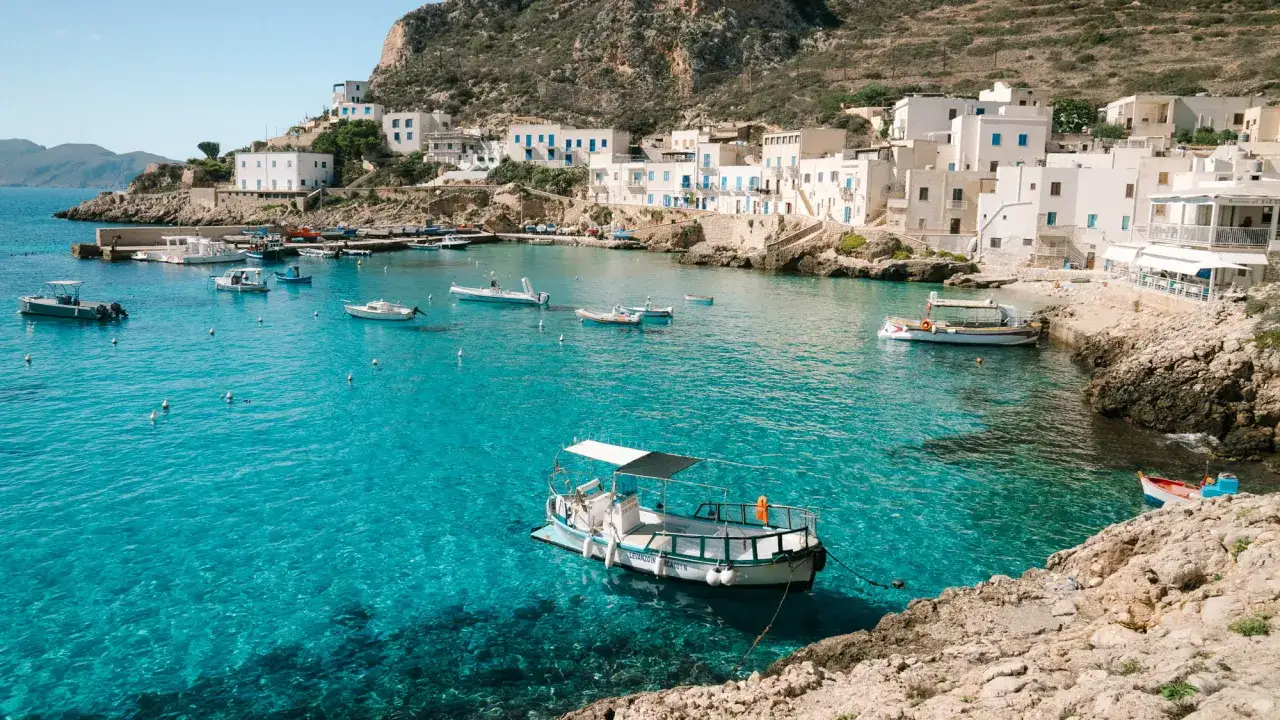
| Aeolian Islands | The islands give the trip a more remote, volcanic, and maritime feel, especially if you want a slower pace between swims and boat days. | 2 to 4 days | Island-hopping and outdoor scenery |
If I had to protect just four stops, I would keep Palermo, Taormina, Mount Etna, and Syracuse and Ortigia first. Palermo gives the urban layer, Taormina gives the iconic views, Etna adds the outdoor drama, and Ortigia gives the slower, more atmospheric side of Sicily. Once that core is in place, the rest becomes a question of direction. The next step is deciding how to group them into a route that respects the island's geography.
How I would group Sicily into a realistic route
Sicily looks compact on a map, but in practice I treat it as a place where geography should decide the itinerary. Crossing the island every day eats time, and the island rewards clusters far more than zigzags. My rule is simple: if a stop is more than about two hours away and does not give you a clearly different experience, it usually belongs to another base or another day.
| Route style | What I would include | Ideal length | Main trade-off |
|---|---|---|---|
| East coast classic | Catania or Etna, Taormina, Syracuse and Ortigia, Noto | 4 to 6 days | Very strong scenery and history, but it can be busier and pricier |
| West and north coast | Palermo, Cefalu, and optionally western inland stops | 4 to 5 days | Great food and city energy, but fewer marquee sights per mile |
| South and archaeology focus | Valley of the Temples, Noto, Modica, Ragusa Ibla | 3 to 5 days | Beautiful route, but a car helps a lot |
| Aeolian add-on | Lipari as a base, with day trips to Vulcano, Panarea, or Stromboli | 2 to 4 days | Ferry schedules and weather matter more here than on the mainland |
For many travelers, the east coast is the easiest first move because Taormina, Etna, Syracuse, and Noto can be linked without constant backtracking. Palermo and Cefalu work well as a separate northern pair, while the south is strongest when you go there with intention rather than as a quick add-on. That brings up the real planning question: how much Sicily can you see before the trip starts to feel compressed?
How many days you actually need
This is where many Sicily plans fall apart. The island can absolutely be done in a short trip, but only if you accept that you are choosing clusters, not coverage. If I were advising someone coming from the United States for a first visit, I would be blunt: a four-day trip should not try to fit Palermo, Taormina, Agrigento, and the Aeolian Islands into one loop.
| Trip length | What I would do | What I would skip |
|---|---|---|
| 3 to 4 days | Pick one region only: either the east coast around Catania, Taormina, and Syracuse, or the north and west around Palermo and Cefalu. | Long cross-island transfers, island hopping, and too many overnight changes |
| 5 to 7 days | Use two bases and build a balanced first trip with one city, one scenic town, and one major heritage stop. | Changing hotels every night |
| 8 to 10+ days | Add the Aeolian Islands, a baroque inland stop, or a slower west-coast stretch without making the schedule feel rushed. | Nothing essential, but I would still avoid scattering the route |
I usually find that a two-base trip is the sweet spot. You unpack once, stay long enough to get a feel for each place, and you stop using travel time as the hidden center of the holiday. If the trip has only one week, that discipline matters more than the number of famous names on the list. Timing matters too, because the season changes how pleasant each of those days feels.
When to go and what the seasons change
Sicily is travel-friendly for a large part of the year, but the island does not feel the same in every month. My usual advice is to aim for April to June or September to October if you want the best overall balance. Those windows are warm enough for scenery and outdoor time without the intensity that can make long sightseeing days feel expensive in energy.
- April to June works well for walking, photography, and mixed sightseeing, especially if you want Etna or hill towns without peak heat.
- July and August are best if beaches are the priority, but you should expect more crowds, higher prices, and more friction with parking and daytime heat.
- September and October are often the most balanced months because the sea is still inviting while the pace starts to relax.
- November to March is quieter and often better for cities, archaeology, and lower-stress planning, though some beach-oriented businesses and island services slow down.
If I were building a trip around Etna hiking or the Aeolian Islands, I would check local access, weather, and ferry schedules before locking in the dates. That is especially true in peak summer, when the logistics can be just as important as the destination itself. Once the timing is right, the next challenge is avoiding the planning mistakes that waste the most time.
The mistakes that make Sicily harder than it needs to be
-
Trying to cross the island too often.
A drive that looks harmless on a map can turn into a long half day once you add mountain roads, traffic, and parking. Sicily is not a place where I would recommend changing regions just because a famous name sits in the next province.
-
Driving into historic centers without checking ZTL rules.
ZTL means restricted traffic zone, and many Sicilian historic cores use it. If you do not check where your hotel sits and how access works, you can easily create avoidable fines and frustration.
-
Underestimating how much time each stop actually needs.
A temple site, a hill town, or a beach stop is often a full experience, not a quick box to tick. I would rather do fewer places well than rush through three of them badly.
-
Overloading the day with too many different experiences.
Beach, museum, long drive, winery, and sunset dinner can sound efficient, but in Sicily it usually turns into fatigue. The island is at its best when you leave room for long lunches, detours, and a bit of wandering.
These mistakes are easy to avoid, but they change the feel of the trip more than most travelers expect. If the route is tight, the island feels elegant; if the route is scattered, it starts to feel like a logistics exercise. That is why I prefer to trim the shortlist by trip style rather than by pure fame.
What I would keep if the route had to stay tight
If I were planning a first Sicily trip today, I would choose one of two shapes. The first is a west-and-south route with Palermo, Cefalu, and Agrigento; the second is an east-and-southeast route with Catania, Taormina, Etna, Syracuse, and Noto. The first gives you city life, coastline, and archaeology. The second gives you volcanic scenery, baroque towns, and a smoother geographic flow.
If you have more time, I would add the Aeolian Islands or a slower inland stop, but only after the core route already feels balanced. For most travelers, the best version of Sicily is not the one that checks the most boxes; it is the one that leaves enough space for each place to breathe. That is the route I would recommend again and again: fewer moves, stronger clusters, and enough time to actually enjoy being there.