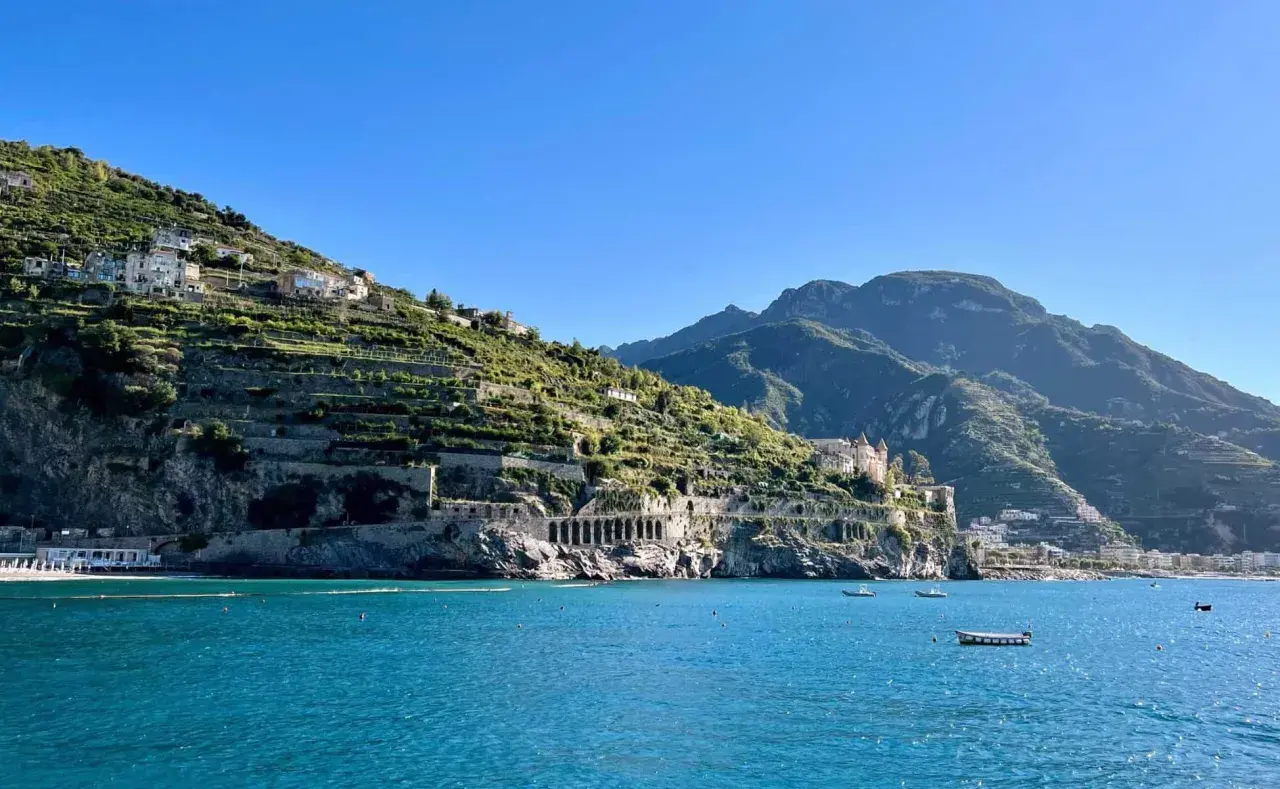
A Naples to Amalfi Coast ferry is the cleanest way to trade the motorway grind for a sea-level arrival. In practical terms, the trip is not just one route but a small network of sailings, seasonal departures, and fallback connections that can change how easily you reach Amalfi, Positano, or the rest of the coast. This guide breaks down how the crossing works, what it costs, when it makes sense, and where the common planning mistakes start.
The practical facts that matter before you book
- Molo Beverello is the main Naples departure point for the fast ferries.
- The best direct sailing window is spring through early November, with more departures from May 1.
- Typical travel time is roughly 1 hour 45 minutes to 3 hours, depending on the route and operator.
- Expect fares in the mid-€20s to low-€30s one way, plus extras for larger bags on some operators.
- Some Naples-to-Amalfi sailings change at Capri, so read the ticket details closely.
- Weather can override the timetable, so avoid building a same-day flight or train connection on a single crossing.
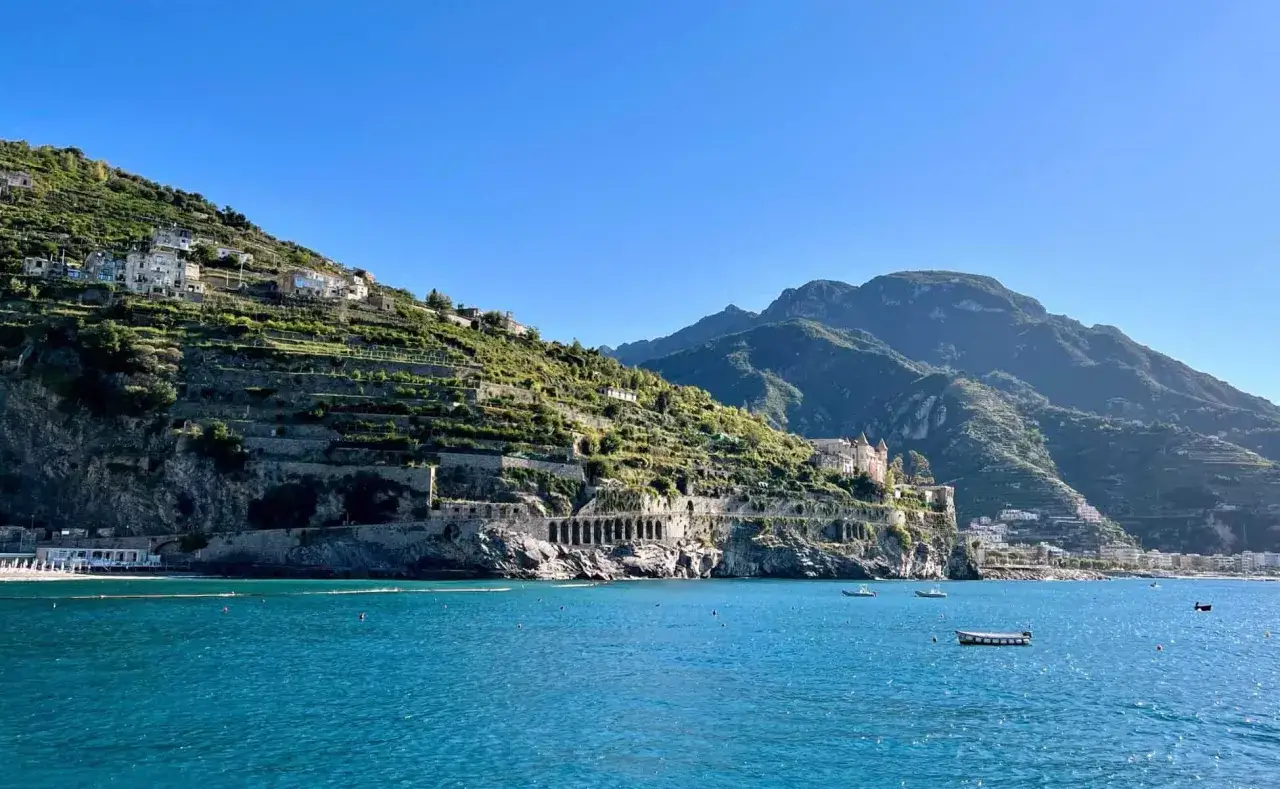
How the ferry network works in practice
The simplest way to think about this trip is as a fast-boat connection out of Naples rather than a single forever-open highway on water. Most travelers leave from Molo Beverello, the port area best suited to hydrofoils and high-speed ferries, then sail to Amalfi or Positano during the main season. A hydrofoil is just a fast passenger vessel, and on this route it is usually the best compromise between speed and scenery.
What surprises many first-time visitors is that some Naples-to-Amalfi sailings are not point-to-point. On the current timetable, a few departures continue via Capri, which means the ticket is still valid, but the crossing is broken into two legs. That is not a red flag by itself; it is simply the way the operator stitches together a route when demand and fleet rotation make a direct run less efficient.
If your hotel is on the western side of the coast, a Naples-to-Positano sailing can be the better first move. If you want the most central arrival and the easiest onward links by local bus or boat, Amalfi usually wins. That distinction matters more than most people think, and it leads directly into the timetable.
What the 2026 timetable and fares look like
NLG's current 2026 timetable shows the main Naples-Beverello to Amalfi window from April 1 to November 3, with extra departures from May 1. In that period, the route is busy enough to be useful for day trips, but it is still seasonal enough that I would never assume a late fall or winter sailing without checking live availability.
For planning, the useful range is simple: about 1 hour 45 minutes to 3 hours to Amalfi, and roughly 1 hour 10 minutes to 2 hours 35 minutes to Positano, depending on operator, vessel type, and whether the sailing is direct or routed through another stop. Ticket prices usually land in the high-€20s to low-€30s one way, with some fares lower on specific departures and round-trip tickets priced higher but often more convenient if your return date is fixed.
| Route | Typical time | Typical fare | Why it matters |
|---|---|---|---|
| Naples to Amalfi | About 1h 45m to 3h | About €26 to €32.50 one way | Best if you want the central arrival and a straightforward base. |
| Naples to Positano | About 1h 10m to 2h 35m | From about €27.50 to €32 one way | Useful if your hotel is in Positano or you want the more scenic first landing. |
| Naples to Salerno, then coast ferry | Longer overall | Varies | The cleanest backup when Naples departures are limited or sold out. |
If I had to choose one fallback, I would keep Salerno in mind. From there, the coastal ferry network is much easier to use, and Travelmar is the operator most travelers end up noticing because it runs the kind of regular coastal links that make Plan B feel like a real plan rather than a compromise.
Once you know the timing and cost window, the real choice is where you want to land.
Which arrival point fits your itinerary
Amalfi is the safer choice if you want a town that feels like the coast's transport hub. The harbour is central, the square is easy to understand, and onward ferries or buses are simpler to sort out. It is the option I recommend most often to travelers who are trying to keep the rest of the day flexible.
Positano is more dramatic, and I would choose it when the town itself is the destination rather than a stop on the way somewhere else. The trade-off is obvious: steep terrain, more stair climbing, and a higher chance that you will care about how much luggage you brought. If your hotel sits high above the water, the ferry saves you the road ride but not the final climb.
Salerno is the pragmatic fallback. It is not as glamorous as arriving straight into the Amalfi Coast, but it gives you a broader ferry network and is often the easiest way to keep a trip moving when direct Naples sailings are thin. That matters if you are chaining the coast to a train journey or trying to keep your day from getting swallowed by one seasonal route.
| If you want... | Pick... | Reason |
|---|---|---|
| the easiest first-time base | Amalfi | Central harbour, easy onward connections, less guesswork. |
| the most dramatic arrival | Positano | Beautiful landing, but steeper and less forgiving with bags. |
| the best backup plan | Salerno | Stronger ferry network if Naples direct service is limited. |
That choice also affects how I would book the ticket, because not every arrival point rewards the same level of spontaneity.
How to book without making the day messy
I would book early if the trip falls in July, August, or over a holiday weekend. Same-day tickets can work, especially on calmer dates, but the seats and the better departure times disappear first. If your day in Naples is already full, an early sailing is usually the safest way to protect the rest of the itinerary.
For boarding, I would plan to reach Beverello with at least 30 to 40 minutes to spare. That gives you time for ticket pickup, baggage checks, and the small but real amount of port confusion that happens when everyone arrives at once. It also leaves room for a late taxi, which is the kind of detail that quietly ruins ferry plans when ignored.
Luggage is another place where people lose time and money. The rule of thumb is simple: a small carry-on is often included, but a real suitcase usually costs extra or has a tighter allowance. NLG allows one free bag up to 50 x 30 x 15 cm and 5 kg; Travelmar includes one bag up to 45 x 35 x 20 cm; Alilauro includes one hand bag up to 50 x 35 x 20 cm and 9 kg, with extra or oversized items charged at €3.50. If you are moving hotels, I would pack lighter than you think you need to.
If you are flying into Naples, one operator also runs a seasonal airport-to-port shuttle that connects Capodichino and Molo Beverello in about 40 minutes. That can be useful when you want the transfer to feel stitched together instead of improvised.
Good booking habits matter most because the ferry is a pleasant way to travel only when you stop treating it like a train. It has to be handled like a sea leg, which means giving yourself a little room around the schedule.
What can disrupt the crossing and how to stay flexible
Sea conditions are the biggest variable. Operators reserve the right to cancel or delay sailings for weather that makes navigation unsafe, and that tends to matter more on exposed routes and shoulder-season days than on calm mid-summer mornings. That is why I never treat a ferry as the final leg of a flight connection unless I have a meaningful buffer.
The second trap is overcommitting to a specific timetable. A route that looks perfect in a booking engine can be reduced, rerouted, or sold out on the day you actually travel. If your dates are fixed, book early; if your schedule is loose, keep one backup plan ready, usually Salerno or a road transfer. On the coast itself, same-day purchases can be convenient, but they should be treated as flexibility, not strategy.
There is also a psychological mistake that catches a lot of first-timers: assuming the ferry is only transport. On this coast, the crossing is part of the experience, and the experience is better when you leave a little slack in the day. A rushed ferry feels like a transfer; a well-timed ferry feels like the beginning of the trip.
The plan I would use for a first trip
If I were planning this for a first-time visitor, I would choose a morning departure, travel with one small bag, and keep a Salerno backup in mind in case the direct Naples service looked thin. That gives you the scenic approach people want without pretending the timetable is more stable than it is.
For Positano, I would make the same plan but book even earlier if the trip falls in peak summer. For winter travel, I would stop treating the ferry as the default and verify live service before building the rest of the day around it. The smartest sea plan is the one that leaves room for the coast to behave like the coast, and that usually means choosing flexibility over perfection.