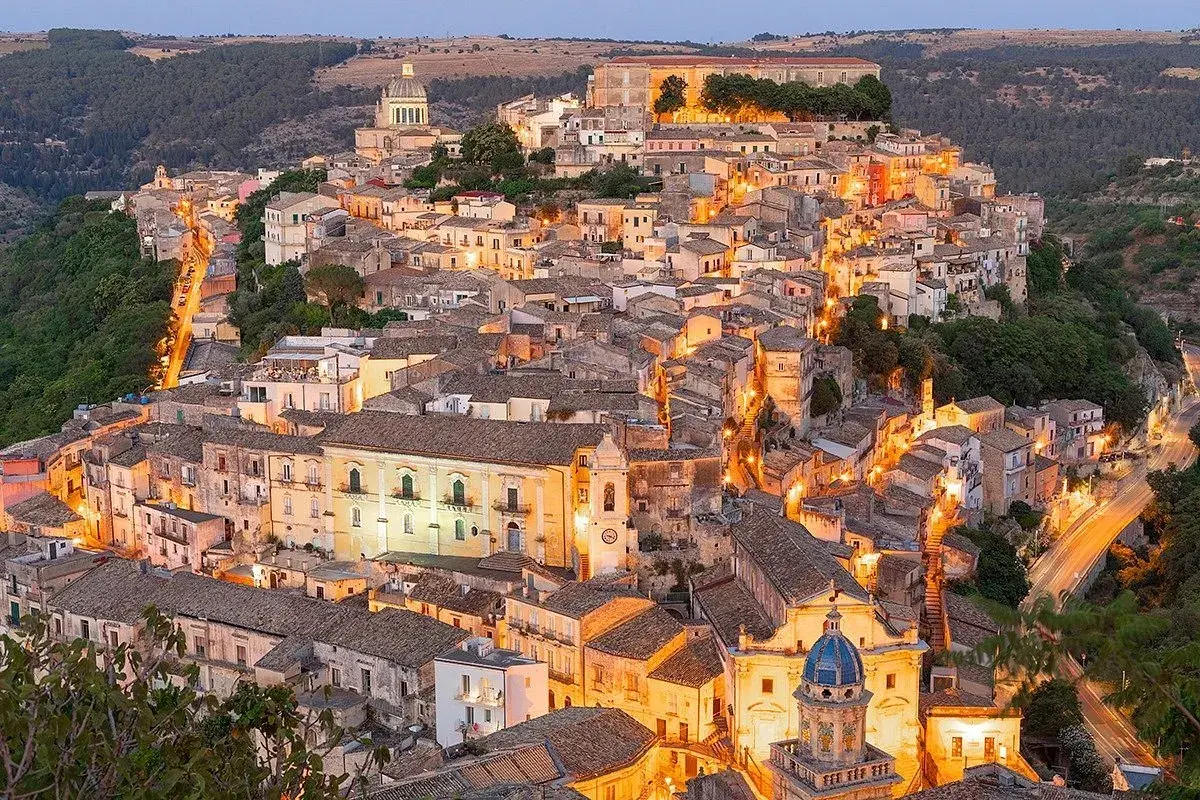
Ragusa rewards slow travel more than checklist travel. The city is split between the baroque lanes of Ragusa Ibla and the more lived-in upper town, and the best things to do in Ragusa combine walking, viewpoints, a proper meal, and at least one side trip to the coast or the countryside. In this guide I focus on the experiences that actually shape a good visit, plus the practical choices that make the trip easier to enjoy.
Ragusa works best as a slow, two-level trip with one sea or countryside detour
- Start in Ragusa Ibla for the most atmospheric streets, squares, and baroque facades.
- Use the stairways and bridges between Ibla and Superiore as part of the sightseeing, not just transit.
- Give Ragusa Superiore time for the cathedral, museum, and a more local city rhythm.
- Add Marina di Ragusa or Punta Braccetto if you want beach time and sea air.
- Choose Donnafugata Castle or Cava d'Ispica if you want history, scenery, and a fuller day trip.
- Plan around walking, heat, and hills; Ragusa is much better when the pace is realistic.
Start in Ragusa Ibla, where the city’s character is clearest
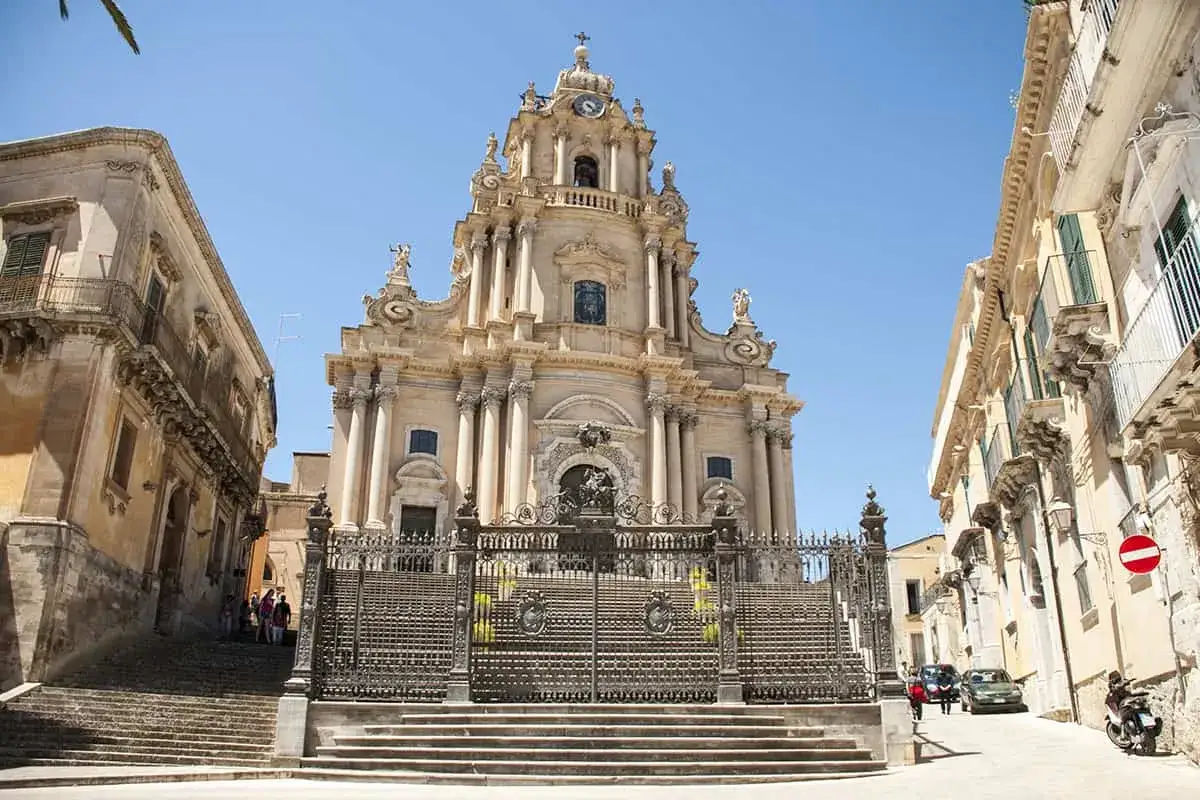
I would begin in Ragusa Ibla because it gives you the city at its most legible: stone stairways, baroque facades, narrow lanes, and open squares that invite you to slow down. Piazza Duomo is the obvious anchor, but the better experience comes from wandering between San Giorgio, the side streets, and the shaded Giardino Ibleo. That is where the city stops feeling like a list of monuments and starts feeling like a place people still use.
- Piazza Duomo and San Giorgio for the classic Ragusa image and the strongest baroque setting.
- Santa Maria delle Scale for the interesting mix of older fabric and post-earthquake rebuilding.
- Giardino Ibleo for a quieter pause and a view back across the slopes.
- Palazzo Cosentini or Zacco Palace if you care about balconies, stonework, and decorative details.
The best time here is early morning or late afternoon, when the light softens the stone and the lanes feel calmer. I would not rush this part of the city; half the value is in sitting down, ordering coffee or granita, and letting the place set the pace. Once Ibla makes sense, the next step is to treat the climb to the upper city as part of the sightseeing rather than as a transfer.
Use the stairways and bridges as part of the visit
Ragusa is one of those cities where the connection between districts matters as much as the attractions themselves. The walk between Ibla and Superiore can involve roughly 340 steps, plus a few bridge crossings, so your route affects how much energy you save for the rest of the day.
| Route | Best for | What to expect |
|---|---|---|
| Stairway route | View seekers and photographers | The most scenic way up or down, but not the gentlest option on hot days. |
| Bridge route | Visitors who want a broader walk without constant climbing | Good if you like changing angles and a slower approach across the city. |
| Car or taxi transfer | Travelers with limited mobility or packed schedules | Practical, especially if you want to save your legs for Ibla itself. |
If mobility is a concern, I would plan around one district at a time instead of trying to conquer both on foot in the middle of the day. In summer, start early, carry water, and save the steepest sections for dawn or sunset. That approach makes the city feel generous instead of exhausting, and it leads naturally into the upper-town stops.
Make room for Ragusa Superiore
Ragusa Superiore is less romantic than Ibla at first glance, but it fills in the story. Visit Sicily's official guide is right to include the Cathedral of St John the Baptist and the archaeological museum among the city's core stops, because this is where Ragusa reads as a living provincial center rather than a preserved stage set.
Read Also: Naples Itinerary - Plan Your Perfect Trip (3-Day Guide)
What to prioritize
- Cathedral of St John the Baptist for the main baroque statement in the upper town.
- Iblean Regional Archaeological Museum for the longer historical context, from Kamarina to the late Roman era.
- Corso Italia and Via Roma for cafes, daily life, and a more modern city rhythm.
If you only have an hour, I would focus on the cathedral and a quick coffee, then walk the main axis of the upper town before heading back down. If you have more time, the rooftop terrace and a slow lunch make the district worth the detour. Superiore is not the part of Ragusa that people photograph most, but it is the part that prevents the trip from becoming one-dimensional. After that, the smartest move is to decide whether your next stop should be the coast or the inland landscape.
Choose the coast or the countryside, depending on the kind of trip you want
Ragusa is strongest when you pair the hill town with either sea air or open countryside. In warm months, I lean toward the coast; in spring and autumn, I often prefer the inland scenery because the walking feels easier and the light is better for long drives or short hikes.
| Stop | Best for | Why it earns time |
|---|---|---|
| Marina di Ragusa | Beach time, a promenade, and an easy evening | The practical choice when you want sand, restaurants, and a relaxed pace. |
| Punta Braccetto | Quieter coastline and a less built-up feel | Better if you care more about scenery than services. |
| Donnafugata Castle | History lovers and families | Good if you want a castle stop that feels distinct from the baroque center. |
| Cava d'Ispica | Nature, archaeology, and a stronger sense of landscape | One of the best inland add-ons when you want Ragusa to feel broader than a city break. |
I would also keep the Montalbano connection in perspective: it is a fun thread, and some visitors will build a whole drive around it, but Ragusa does not need the television link to justify the trip. The architecture, coast, and valley scenery already do the job. Once you decide which direction appeals most, planning the number of days becomes much easier.
How many days to stay and how I would spend them
For a first visit, two days is the sweet spot. One day lets you see the essentials, three days lets you slow down and add a second side trip, and anything longer starts to make sense only if you want beaches, photography, or a very relaxed pace.
| Time in Ragusa | Best use of time | What to skip |
|---|---|---|
| 1 day | Ragusa Ibla, the stairways, the cathedral, and one long lunch | Long beach detours and multiple inland stops |
| 2 days | Ibla plus Superiore, with either the coast or one countryside outing | Trying to force every nearby attraction into one rushed route |
| 3 days | A slower city stay with one coastal day and one inland day | Nothing major, but you can keep the pace gentler and more flexible |
My simple budget rule is this: spend more on location and meals than on tickets. A coffee or granita usually sits in the low single digits, a casual lunch often lands around €15-25 per person, and a proper dinner in a good trattoria is commonly €25-45 or more depending on wine and seafood. If you are driving, the real variable is parking and fuel, not entrance fees. For sleeping, I would choose Ibla for atmosphere or Superiore for easier logistics and access to the main roads.
Spring and early autumn are the easiest seasons for long walks. Summer works well if you shift the day earlier and save the coast for later. Winter is quieter, but some travelers underestimate how much cooler the hilltop feel can be after sunset. That seasonal rhythm matters, which is why the final step is to pick a route that matches your pace rather than trying to cover everything at once.
The first-visit route I would actually follow
- Start in Ragusa Ibla while the streets are still quiet.
- Spend lunch around Piazza Duomo and keep the meal unhurried.
- Move to Ragusa Superiore for the cathedral and museum.
- End with sunset on a terrace, at a viewpoint, or by the sea if you have a car.
That order keeps the steep walking under control and saves the most atmospheric streets for the times of day when Ragusa looks its best. If you only have one extra slot after the city itself, I would choose the coast in warm weather and Donnafugata or Cava d'Ispica when you want more landscape than beach. Either way, the right pace matters more here than trying to tick off every stop.