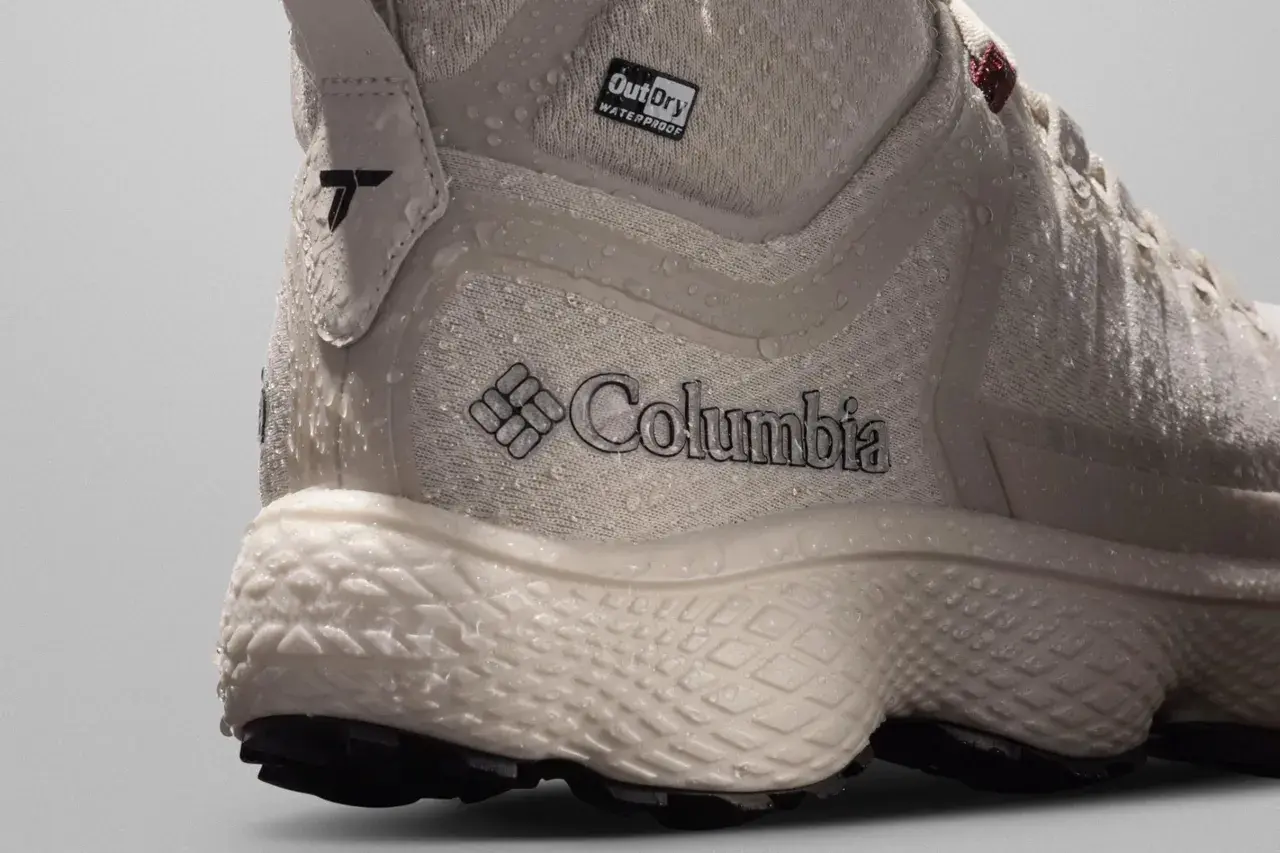
Waterproof hiking footwear only matters when it keeps doing its job after the trail turns wet, muddy, or cold. Columbia's OutDry construction is built for that kind of use: a bonded waterproof-breathable membrane sits at the outer shell, so the shoe has fewer places for water to sneak in and fewer reasons to feel heavy. In this article I break down how it works, when it earns its keep, how it compares with Columbia's other waterproof options, and which trail conditions justify a waterproof shoe or boot.
What matters most when you choose waterproof hiking footwear
- OutDry is Columbia's strongest waterproof option for medium to heavy rain and snow.
- The membrane is bonded to the outer shell, which helps reduce water uptake and water-weight gain.
- Traction, fit, and shoe height matter just as much as waterproofing.
- On hot, dry trails, a non-waterproof shoe can be the better choice because it breathes and dries faster.
- Mud care and low-heat drying keep waterproof trail shoes performing longer.
What OutDry changes in a hiking shoe
When I look at a waterproof hiking shoe, I want to know where the membrane sits and what happens when the upper gets soaked. OutDry is different from many conventional waterproof builds because Columbia describes it as a waterproof-breathable material heat-molded directly to the outer fabric, creating a one-piece barrier with no gaps or seams for water intrusion. In practice, that means less water sitting in the layers of the shoe, less water-weight gain, and a lower chance that the upper will feel soggy after a long stretch in rain or wet grass.
The catch is simple: if water comes in over the collar, or if your sock system is wrong, the membrane cannot save the rest of the hike. That is why I treat OutDry as a strong weather barrier, not a substitute for good fit, gaiters, or common sense on stream-heavy routes. Once you understand that distinction, it becomes much easier to judge where the shoe belongs.
When it makes sense on the trail
I reach for OutDry when wet conditions are the main story, not a brief inconvenience. That usually means long rainy day hikes, shoulder-season trips, slushy paths, damp meadows, or cold-weather walks where the trail will stay wet for hours. Columbia's own footwear guide puts OutDry in the heavy rain and snow category, which is the right mental model if you want dry feet more than maximum ventilation.
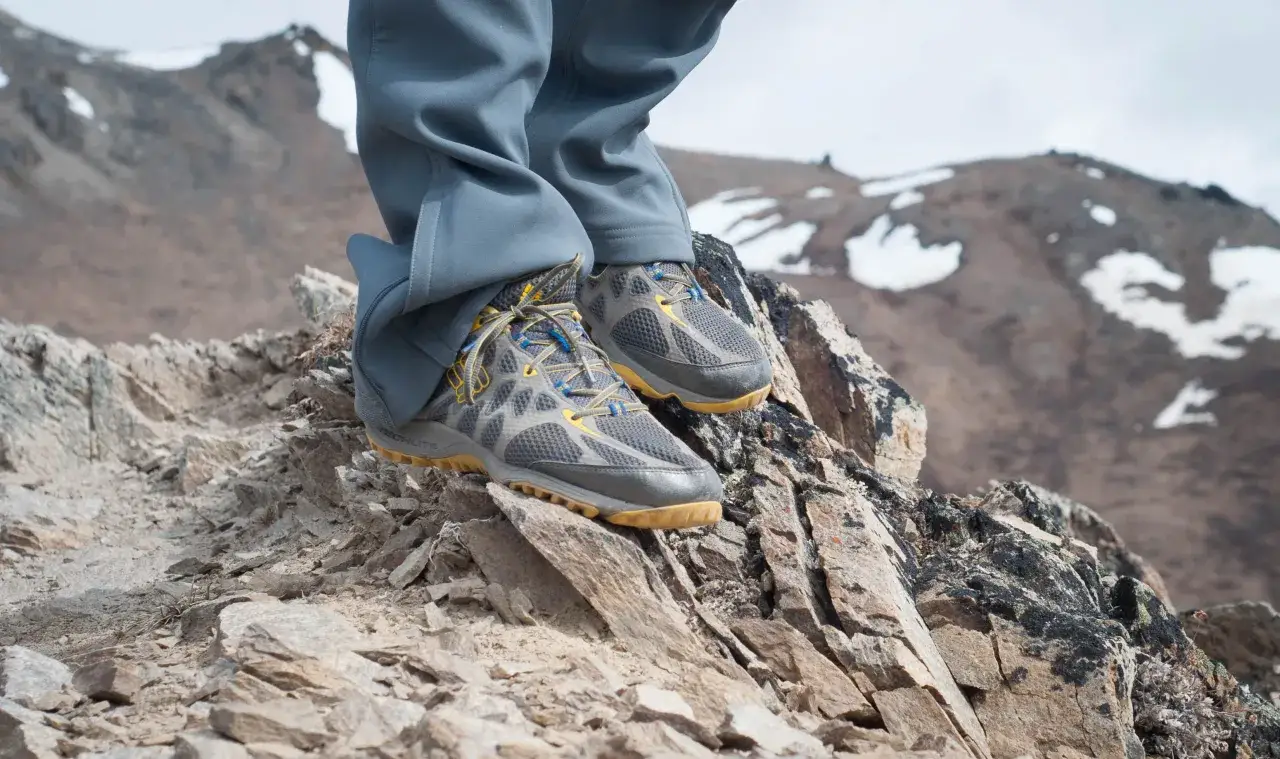
That matters because a waterproof shoe is always a tradeoff. You gain protection, but you also give up some airflow and usually some drying speed. On warm, humid days, your feet may still sweat enough that a waterproof shoe feels warmer than expected. And if you know you will be stepping through water repeatedly, a shoe that drains and dries faster may be the smarter tool. I do not use OutDry as a default; I use it when the weather is persistent enough to justify the compromise. That comparison matters because not every wet trail calls for the same level of waterproofing.
How it compares with Columbia's other waterproof options
Columbia groups its waterproof footwear into three broad levels, and that is useful because it stops people from overbuying protection they do not need. I like that framework because it ties the technology to the weather instead of treating every waterproof shoe as the same product.
| Technology | Best for | What it means on a hike |
|---|---|---|
| OutDry | Heavy rain and snow | Strongest barrier, bonded to the outer shell, with the least chance of water working into the upper layers. |
| Omni-Tech | Medium rain and snow | Multilayer waterproof-breathable construction that gives more versatility when the forecast is mixed. |
| Omni-Shield | Light rain and moisture | Water-repellent finish for lighter weather, not the same level of full waterproof protection. |
If I know the day will stay wet, OutDry is the one I want. If the forecast is mixed and the trail is mostly dry, the lighter options can be the smarter buy. The membrane is only one part of the decision, though, so the next question is which shoe style actually fits the hike you are planning.
Which Columbia models fit different hikes
Current Columbia models show how the same waterproof idea can be tuned for very different hiking styles. I read these as personality types, not as a ranking, because each one solves a slightly different problem on the trail.
| Model | What it suits | Why it stands out |
|---|---|---|
| Peakfreak Rush OutDry | Fast day hikes and mixed terrain | Mesh upper, Navic Fit for heel hold, Adapt Trax outsole, 4 mm lugs, and a listed weight of 13 oz per shoe in a men's size 9 reference. |
| Konos TRS OutDry | Light trail days and road-to-trail use | TechLite+ cushioning, Navic Fit, wet-or-dry traction, and a listed weight of 9.7 oz per shoe in a women's size 7 reference. |
| Tellurix Titanium OutDry | Rugged, demanding terrain | Titanium line build, Vibram Megagrip outsole, 4.5 mm lugs, and a listed weight of 11.5 oz per shoe in a women's size 7 reference. |
Those numbers tell me the category is still firmly in lightweight hiking-shoe territory, not heavy boot country. More important, the technical details around traction and fit matter as much as the waterproof membrane itself. A shoe can keep water out and still fail you if the heel slips, the toe box is too tight, or the outsole does not match the ground underfoot.
Boots, shoes, and the weather you actually face
The biggest mistake I see is assuming that a waterproof membrane automatically means the right shoe height. It does not. A low OutDry shoe can be exactly right for a warm, wet day when you want less bulk and a quicker stride, but it will not replace a boot when snow, cold wind, or repeated ankle-level obstacles become part of the route.
Columbia's own boot-versus-shoe guide follows that logic: warm and wet conditions point toward OutDry shoes, while colder, wetter conditions push you toward more coverage. I agree with that approach because shoe height controls exposure, debris protection, and some of the feel underfoot, while the membrane controls how much water gets in. For me, that means choosing the upper for weather and support, not for branding alone.
How to care for them so the membrane keeps earning its keep
Waterproof footwear is only as good as the shape you keep it in. If mud is caked into the outsole, traction drops. If the shoe is dried badly, the upper can age faster than it should. Columbia's care advice is refreshingly practical: use a brush or even an old toothbrush with mild soap, and dry the shoes in open air away from direct sun and heat sources.
- Brush off mud before it hardens, because packed dirt reduces lug performance.
- Use mild soap and a soft brush instead of harsh cleaners.
- Dry shoes naturally in a cool, airy place, not next to a heater or in direct sun.
- If the upper is leather, treat it with conditioner sparingly and only when the material calls for it.
- Check the collar and laces, because many wet-feet problems start from above the membrane rather than through it.
That routine is simple, which is good, because the real decision is still whether you need waterproofing at all. Once that is clear, everything else becomes easier to choose.
The rule I use for wet trail days
My rule is straightforward. I choose OutDry when the trail will stay wet for hours, I choose a low shoe when speed and flexibility matter more than ankle coverage, and I move up to a boot when cold, snow, or rough terrain changes the equation. If the day is dry and warm, I usually skip waterproofing entirely because ventilation and drying speed matter more than a rainproof label.
If I were buying one pair for a genuinely wet trip, I would start with fit, then traction, then decide whether the forecast justifies OutDry. That order matters more than the logo on the side of the shoe, and it is usually the difference between a pair that looks waterproof on paper and a pair that stays useful after the first long, damp climb.