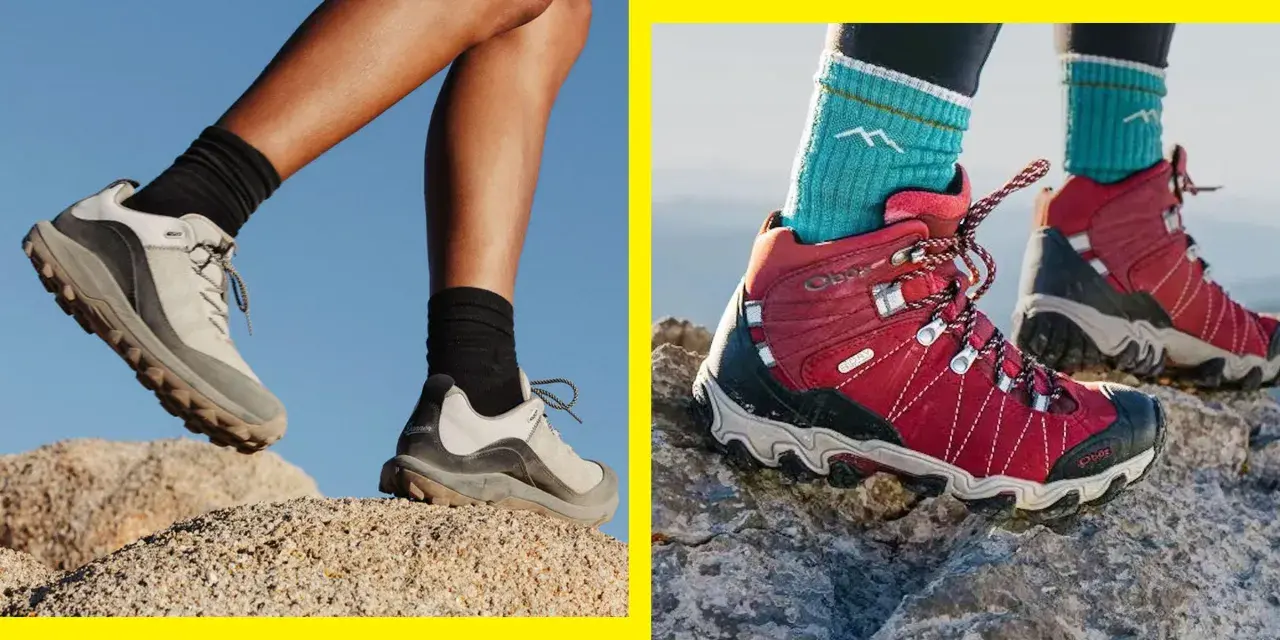
The right footwear depends more on the trail, the load, and the weather than on habit
- Boots make the most sense on rough, rocky, cold, wet, or heavily loaded hikes.
- Trail runners and hiking shoes often feel better on maintained trails and lighter day hikes.
- Waterproofing helps in cold rain and snow, but breathable shoes usually dry faster in warm conditions.
- A good fit matters more than ankle height alone.
- If you want one default choice, start with a comfortable hiking shoe and move up to boots when conditions actually demand it.
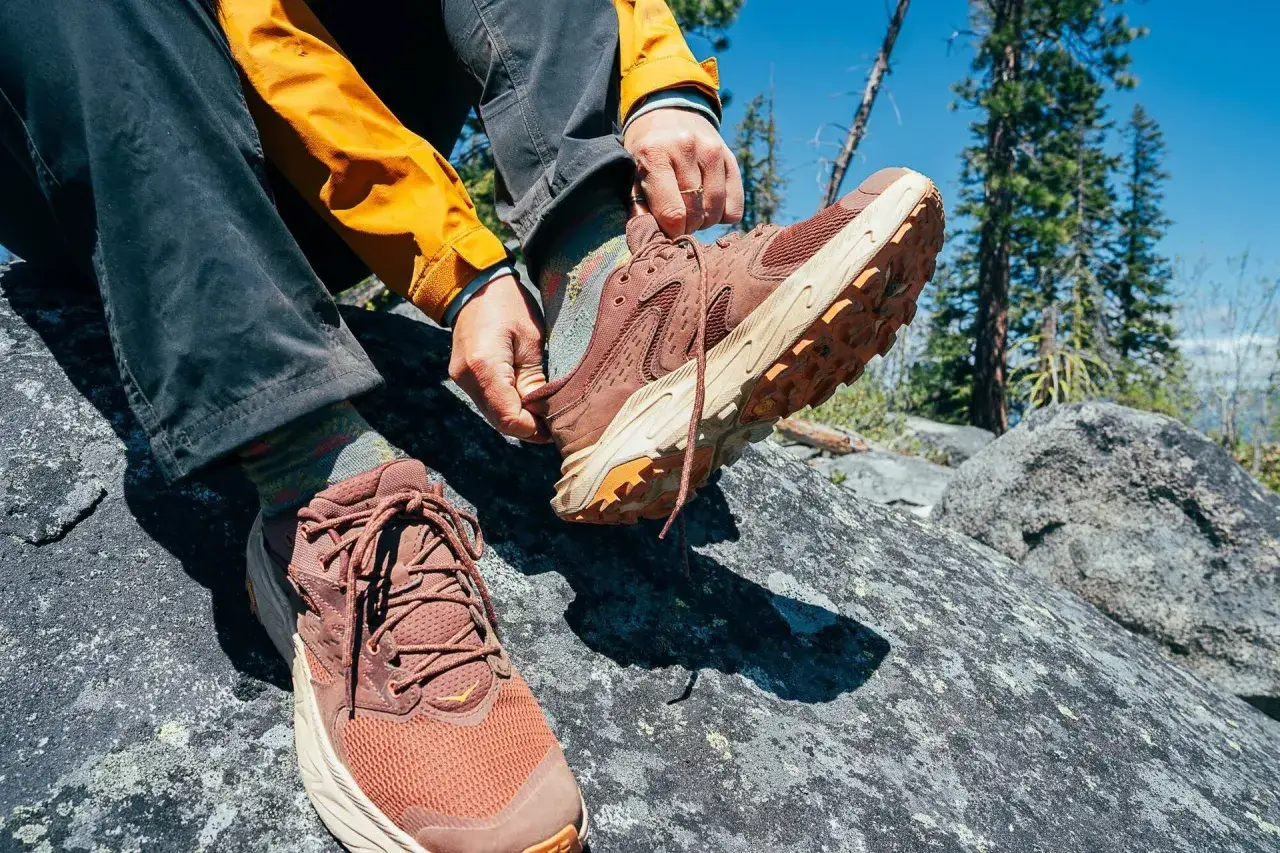
When hiking boots are actually worth it
I treat hiking boots as a tool, not a badge of seriousness. They earn their place when the trail starts asking more from your feet than a light shoe can comfortably give back. That usually means rough ground, unstable surfaces, cold rain, snow, or a pack that begins to feel like real load-bearing work.
Boots are especially useful in a few situations:
- Rocky and uneven trails. A thicker sole and stiffer platform help shield your feet from sharp edges, rooty ground, and repeated impacts.
- Heavy backpacking loads. Once your pack gets into the roughly 20 to 25 pound range or higher, the extra stability of a boot starts to matter more.
- Cold, wet, or muddy conditions. Boots can offer more warmth and more protection from water, slush, and trail spray.
- Off-trail or mixed terrain. If the route includes scree, loose gravel, or occasional scrambling, a tougher boot can feel more confidence-inspiring.
That said, ankle-height alone does not make a boot magical. A collar can help you feel more contained, but it does not prevent every ankle roll, and it will not fix sloppy foot placement. Once you know where boots genuinely help, the next step is comparing them with the lighter options that many hikers now prefer.
How boots, hiking shoes, and trail runners really differ
The best way to choose is to stop thinking in absolutes. Most hikers are deciding between three practical categories, and each one solves a different problem.
| Footwear | Best for | Strengths | Trade-offs | Typical price range |
|---|---|---|---|---|
| Trail runners | Fast day hikes, groomed trails, hot weather, lighter packs | Light, breathable, quick-drying, comfortable right away | Less protection and durability on rough ground | $100 to $170 |
| Hiking shoes | Mixed day hikes, moderate terrain, hikers who want a middle ground | More support than a runner, lighter than a boot, versatile | Less warmth and load support than a boot | $110 to $180 |
| Hiking boots | Rough trails, colder seasons, wet conditions, heavier packs | More protection, more stability, better for load-bearing | Heavier, warmer, usually slower to dry | $150 to $300+ |
There is also a useful middle ground that many people skip over: sturdy low-cut hiking shoes or lightweight mid boots. In practice, that is often where the sweet spot lives. On a damp coastal path in Asturias or a rocky alpine route in the western U.S., the right compromise can matter more than choosing the most rugged option available. That balance becomes clearer once you look at the terrain itself.
How terrain, weather, and pack weight change the answer
The same shoe can feel perfect on one hike and wrong on the next. I find it helps to think in conditions, not brands.
| Hiking situation | Usually the better choice | Why it fits |
|---|---|---|
| Well-maintained day trail with a light daypack | Trail runners or hiking shoes | Less fatigue, enough support, more breathability |
| Rocky, rooty, or uneven terrain | Hiking shoes or boots | More underfoot protection and a more stable platform |
| Multi-day hike with a heavier pack | Hiking boots | Stiffer midsoles and stronger structure help under load |
| Hot, dry weather | Trail runners or breathable hiking shoes | Less overheating, faster sweat management, quicker drying |
| Cold rain, mud, or snow | Waterproof boots or waterproof hiking shoes | Better warmth and better resistance to the elements |
| Frequent stream crossings or wet summer conditions | Non-waterproof hiking shoes or trail runners | They drain and dry faster, which often matters more than staying sealed |
The last row surprises a lot of hikers. Waterproof footwear has a place, but in warm weather it can trap heat and moisture, which is often worse than getting wet and drying quickly. In other words, the weather matters, but your comfort over three or four hours matters just as much. Once that becomes clear, fit starts to look even more important than the label on the side of the shoe.
Why fit and socks matter more than the label
Boots can be excellent and still fail you if they fit poorly. A great shoe is the one that disappears on your foot after the first mile, not the one that sounds toughest in the store.
When I fit hiking footwear, I look for a few basics:
- Enough toe room to keep nails from slamming into the front on descents.
- A heel that stays locked in place without rubbing.
- No hot spots around the arch, collar, or forefoot after a short test walk.
- Space for the socks you actually plan to wear on trail.
- Comfort on a slope, because downhill pressure exposes bad fit fast.
Break-in time matters too, but not in the romantic way some people describe it. A boot should become more comfortable with use, not rescue a fundamentally wrong fit. If you need to “tolerate” pain for weeks before a shoe becomes usable, the shoe is the problem. I also recommend trying footwear later in the day, when feet are slightly swollen, because that is closer to how they feel after miles on trail. With fit sorted, choosing becomes much simpler.
A simple way to choose before your next hike
If you only want one practical decision rule, use this one: match the shoe to the most demanding hike you actually do, not the most dramatic one you imagine doing someday.
- If your hikes are mostly short, local, and on maintained trails, start with hiking shoes or trail runners.
- If you regularly hike on rocky, slick, muddy, or cold terrain, step up to boots.
- If you carry a heavier pack, choose more structure, not less.
- If you hike fast and often feel overheated, prioritize breathability.
- If you want one pair that can do a bit of everything, look for a sturdy hiking shoe before jumping straight to a heavy boot.
This approach keeps you from overbuying. A lot of hikers reach for boots because they feel like the safe answer, but the safer answer is often the pair that fits your terrain, climate, and body better. That leads to the practical recommendation I would make for most people.
The default choice I’d make for most weekend hikers
If I were choosing footwear for a typical weekend hiker in the United States, I would start with a comfortable hiking shoe or a light trail runner, not a heavy boot. For most maintained trails, that gives you enough grip and protection without adding unnecessary weight or heat. It is the option that tends to feel best on long summer walks, mixed trail systems, and scenic routes where comfort matters as much as durability.
I would move to boots when the hike becomes more serious: rough alpine terrain, wet shoulder-season weather, snow, loose rock, or backpacking with a real load. That is where boots stop being traditional and start being useful. In the end, the best footwear is not the one hikers argue about the most. It is the pair that keeps your feet stable, dry enough, and comfortable enough to keep moving. If you choose for the trail you actually walk, you usually get the right answer.