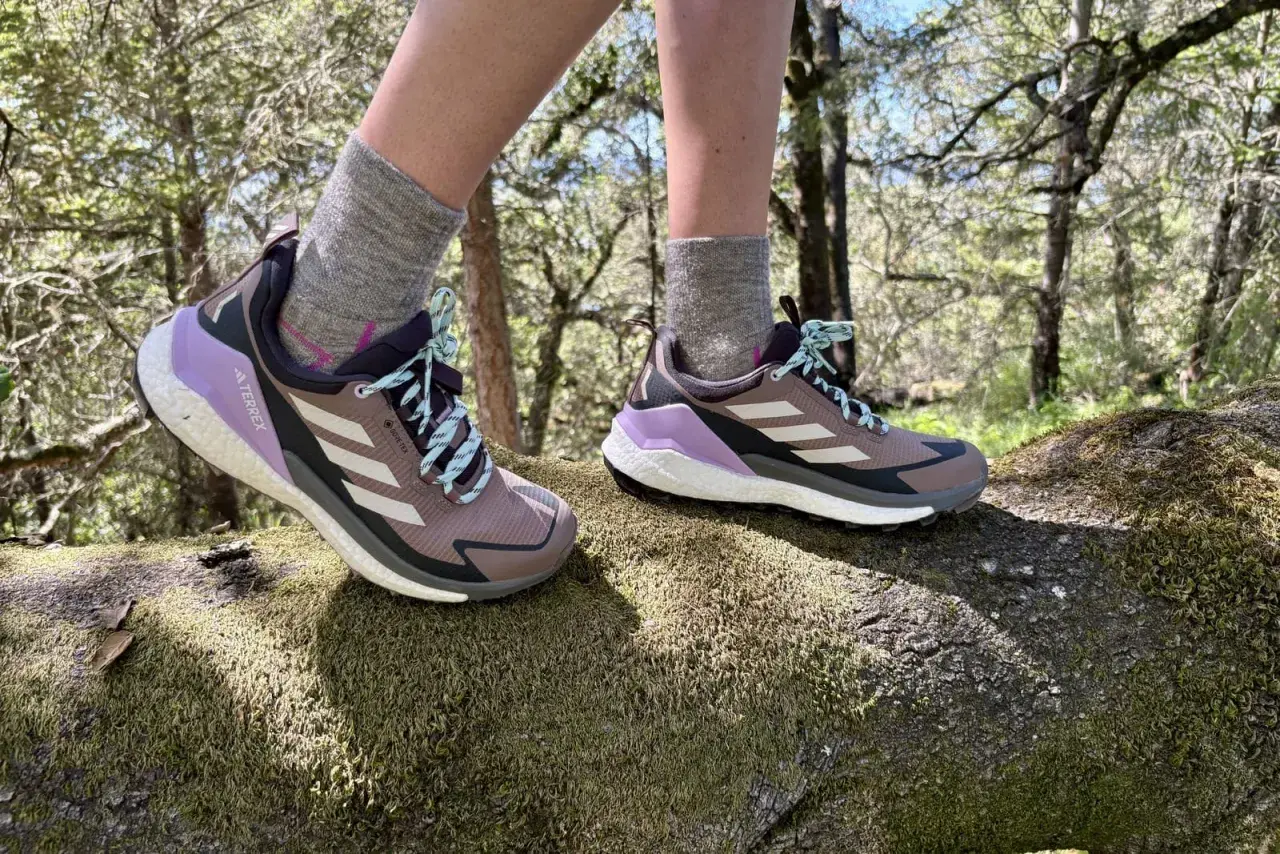
A Terrex Free Hiker earns its keep on muddy trails, wet city streets, and long days when the weather turns. The practical answer to how do i clean my terrex free hiker? is to clean it by hand, in stages: knock off grit, wash with lukewarm water and a small amount of liquid detergent, then dry it slowly. Done right, you protect the waterproof membrane, keep the traction lugs clear, and avoid the flat, tired feel that comes from bad drying habits.
The safest way to clean a Terrex Free Hiker is simple, but the drying step matters most
- Brush off dry dirt first so you do not grind grit deeper into the upper or the outsole.
- Remove the laces and insoles before washing; they trap odor and hold moisture longer than the shoe body.
- Use lukewarm water and about 30 ml of liquid detergent, then scrub gently with a soft brush or sponge.
- Do not use bleach, stain removers, or a washing machine if your pair uses GORE-TEX or similar waterproof construction.
- Air-dry at room temperature and keep the shoe away from radiators, hair dryers, campfires, and direct sun.
- Refresh DWR when water stops beading; that is usually the cue that the outer water repellency needs attention.
Why I would not machine wash this shoe
A Terrex Free Hiker is not a regular lifestyle sneaker. The upper, the lining, the membrane, and the bonded parts of the shoe are built to work together, and harsh washing tends to punish that structure. adidas recommends cleaning Terrex GORE-TEX hiking boots by hand, and GORE-TEX guidance says not to wash waterproof footwear in a machine. That is the rule I follow, because the machine is great at moving dirt around and terrible at respecting adhesives, shape, or membrane breathability.
There is also a practical reason to stay conservative: grit inside the shoe acts like sandpaper. If you leave mud, sand, and small stones in place, every step keeps abrading the lining and the footbed. I have found that a quick hand clean after a wet hike does more for the life of the shoe than an occasional aggressive deep clean. If your Free Hiker is a non-GORE-TEX variant, check the inside label first, but I would still default to hand cleaning unless the manufacturer explicitly says otherwise.
Once that basic rule is clear, the rest of the job becomes a straightforward prep-and-clean routine.
What I keep on hand before I start
You do not need a pile of specialty products. For this kind of hiking shoe, less is usually better, as long as the tools are the right ones.
| Item | Why I use it | What to avoid |
|---|---|---|
| Soft brush or old toothbrush | Lifts dirt from knit, mesh, seams, and the tongue without tearing the upper | Hard wire brushes and anything abrasive |
| Microfiber cloth or sponge | Wipes away loosened grime and soap residue | Rough towels that can snag the fabric |
| Lukewarm water | Softens mud and helps detergent work evenly | Hot water, which can stress materials and glue |
| Liquid detergent | Provides the actual cleaning power | Bleach, stain removers, and waxy treatments |
| Towel, newspaper, or a boot dryer | Helps the shoe dry fully without trapping moisture | Direct heat from a radiator or dryer vent |
I keep the detergent modest: about 30 ml, or roughly 1 fl oz, in a bowl or sink is enough for one pair. If the shoe is only dusty, I usually need less than that. If it is muddy after a wet ridge walk or a sloppy forest track, I use the full amount and spend more time on the outsole and around the tongue.
With the tools laid out, the actual cleaning takes only a few minutes of hands-on work. The difference comes from doing each step in the right order.
How I clean a Terrex Free Hiker step by step
- Brush off the dry dirt first. Before any water touches the shoe, I tap the soles together and brush off loose mud, sand, and gravel. That keeps the dirt from turning into a gray slurry on the upper.
- Remove the laces and insoles. I pull both out, shake out the inside, and set them aside separately. If the insoles are smelly, they need a wash too, not just the shoe body.
- Mix a mild cleaning solution. Lukewarm water plus a small amount of liquid detergent is enough. I dip the brush lightly, not soak it.
- Clean the upper gently. On knit or mesh, I use short circular strokes and light pressure. Around the toe cap, heel counter, and stitched seams, I slow down and work the brush into the edges rather than scrubbing harder.
- Focus on the outsole separately. The rubber lugs usually hold the most grit. Here I use a firmer touch on the outsole only, because that is the part designed to take abuse. I still avoid dragging dirt back up onto the upper.
- Rinse away all residue. Soap left behind can attract new dirt and leave the shoe feeling stiff. I wipe the shoe with a clean damp cloth until it feels free of suds.
- Wash the laces and insoles by hand. The laces need a quick scrub; the insoles usually only need a gentle wash and a full rinse. This step matters more than most people think, because odor often lives in those two parts.
If your shoe has a tightly woven collar or sock-like opening, spend extra time there. Those areas collect sweat and dust, and they are easy to miss if you rush. I also avoid soaking the inside unless there is a real odor problem, because over-wetting the cushioning only makes the dry-down longer.
The goal is not to make the shoe look factory new. The goal is to get it clean enough that dirt is gone, the membrane can breathe, and nothing stays damp where it should not.
How I dry it without losing shape or waterproofing
Drying is where a lot of people quietly ruin a good hiking shoe. If you rush this part, the upper can stiffen, the fit can change, and the waterproof performance can degrade faster than it should. I always let a Terrex Free Hiker dry at room temperature in a well-ventilated space.- Set the shoes somewhere with moving air, not on a heater.
- Stuff them with newspaper if you want to speed up moisture removal; replace the paper when it gets damp.
- Leave the laces and insoles out until everything is fully dry.
- Keep the shoes away from direct sunlight, campfires, radiators, and hair dryers.
- If you use a boot dryer, choose a convection-style model and keep the heat gentle.
In normal conditions, I expect an overnight dry, and sometimes longer if the insoles are soaked or the air is humid. That is not a problem; it is part of the process. A shoe that dries slowly but correctly is better than one that dries fast and loses its shape.
Once the shoe is fully dry, I move on to the last part that most people skip: handling odor, stains, and the outer water repellency.
What to do about odor, stains, and water repellency
Odor is usually a moisture problem first and a cleaning problem second. Stains are different, but they still need a gentle hand. And if water stops beading on the outer fabric, the shoe may still be structurally fine, but the DWR finish is telling you it needs help.
| Problem | What I do | What I avoid |
|---|---|---|
| Odor | Remove the insoles, wash them, and make sure the shoe dries completely before re-lacing | Masking the smell before the shoe is dry |
| Visible stains | Use the same mild detergent solution and a soft brush, then rinse well | Bleach, solvent cleaners, and aggressive stain removers |
| Water no longer beads | Reapply a water-based DWR spray after the shoe is clean and dry | Waterproofing waxes or greases, which can hurt breathability |
For stains, I do not try to erase every mark from a hard day on limestone, mud, or gravel. Hiking footwear is supposed to look used. What matters is removing the buildup that affects performance, not making the shoe look like it never left the box.
The mistakes that shorten the life of a Terrex Free Hiker
The biggest problems I see are not complicated. They are mostly habits that seem harmless until they start breaking the shoe down.
- Machine washing, which can stress glue, distort fit, and flood the interior.
- Using bleach or stain removers, which can damage waterproof materials and finishes.
- Drying with direct heat, which can weaken adhesives and dry materials unevenly.
- Leaving grit inside the shoe, which keeps wearing the lining every time you walk.
- Re-lacing before the shoe is fully dry, which traps moisture and keeps odor alive.
- Using waxes or greases on GORE-TEX footwear, which can interfere with breathability.
There is one more thing worth saying plainly: cleaning will not fix a shoe that is already worn out. If the sole is badly worn, the upper has deep tears, or the structure around the heel is breaking down, the shoe may be past the point where maintenance makes a meaningful difference. At that stage, I stop chasing cosmetics and look at function instead.
Most pairs never get anywhere near that point if they are cleaned lightly and dried properly after wet use. That leads to the routine I rely on after muddy hikes.
A post-hike routine that keeps the shoe ready for the next trail
For me, the best maintenance is small and repetitive. After a wet walk, a coastal scramble, or a muddy forest loop, I do not wait for dirt to harden into a crust. I brush the shoe that same day, remove the insole if the pair got soaked, and let the shoe air out before I put it away.
- Brush off loose dirt as soon as you get home.
- Do a full hand wash after especially muddy or salty outings.
- Let the shoe dry completely before storage.
- Store it in a cool, dry place, not in a hot car trunk or damp garage corner.
- Check the water beading every so often and refresh DWR when needed.
That routine is simple, but it is the difference between a hiking shoe that feels fresh for seasons and one that starts smelling, stiffening, or losing grip far too early. If I had to reduce the whole process to one line, it would be this: clean gently, rinse thoroughly, and dry patiently. That is the cleanest way to keep a Terrex Free Hiker trail-ready without turning maintenance into damage.