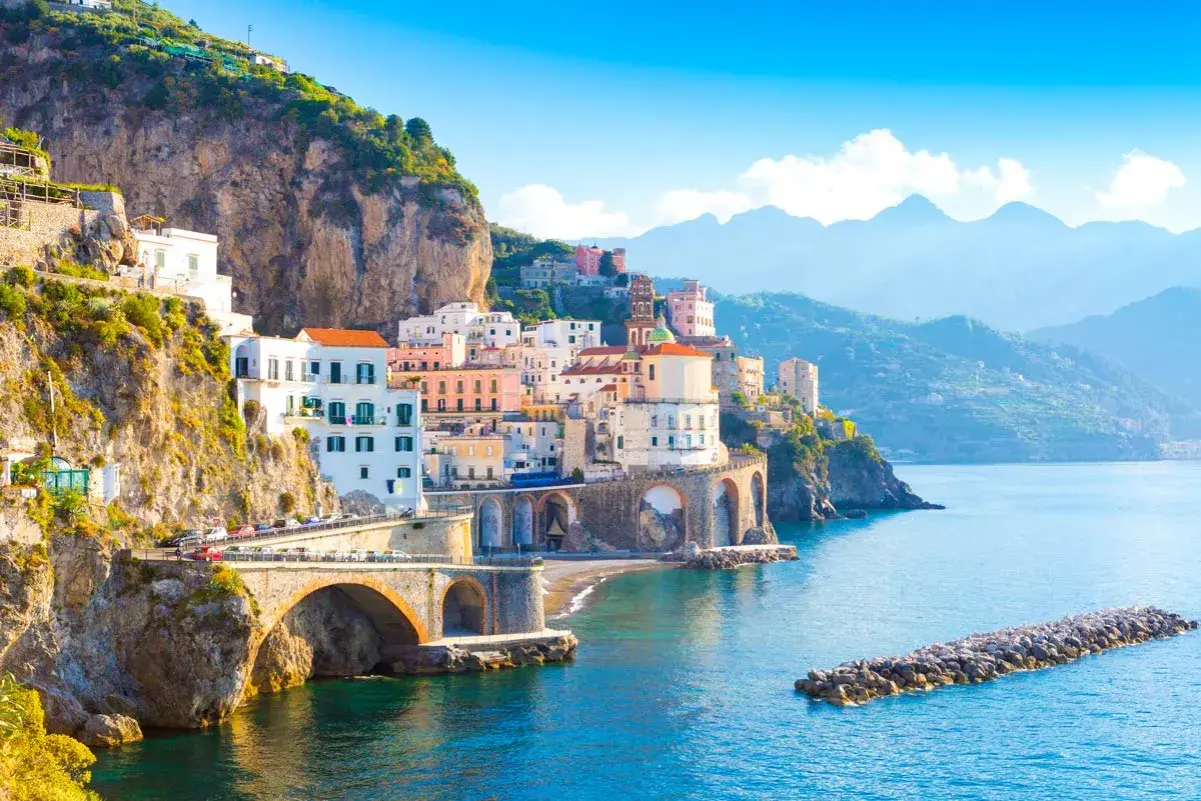
So, is the Amalfi Coast safe? For most travelers, yes, but the destination rewards good planning. The main issues are not dramatic crime stories; they are crowded roads, petty theft in tourist areas, steep staircases, summer heat, and weather that can change a ferry or hike in a hurry. In this guide I focus on the parts of a trip that actually affect safety, comfort, and how easy the coast feels once you get there.
Most Amalfi Coast trips are safe when you plan around transport, weather, and crowds
- Violent crime is not the usual traveler problem; logistics are.
- The U.S. Department of State keeps Italy at Level 2, so normal caution still matters in tourist areas.
- Driving the SS163 is the biggest stress point, especially in peak season.
- Ferries, buses, and walking are often safer than forcing a car into every day.
- Heat, stairs, and slippery paths are easy to underestimate.
The coast is safe, but it is not effortless
My read is simple: the Amalfi Coast is generally safe for tourists because it is built around hospitality, transit, and day-tripping. The U.S. Department of State keeps Italy at Level 2 and specifically tells travelers to stay alert in crowded places and on public transport, which is a reminder to treat the coast like any major tourist region rather than like a remote wilderness. In practice, that means your main exposure is more likely to be a pickpocket in a ferry queue or an overloaded schedule than anything truly violent.
If you are expecting a place where you need to look over your shoulder constantly, that is not how the Amalfi Coast usually feels. If you expect a place where the scenery is dramatic, the infrastructure is tight, and convenience depends on timing, that is exactly right. That distinction matters, because most trip problems here come from poor planning, not from unsafe streets.
That shifts the real planning question from personal safety to logistics, which is where the coast either becomes easy or turns into a headache.
The things that usually go wrong on a normal trip
These are the problems I would actually plan around:
- Pickpocketing in crowds. Busy promenades, ferry terminals, buses, and beach clubs are the places where bags and phones need attention.
- Heat and dehydration. Summer afternoons can be punishing, especially if you are climbing stairs or doing a late lunch-to-hike-to-swim loop.
- Slips and fatigue. The coast is full of steps, narrow ledges, and uneven stone, which is fine when you are fresh and careless when you are tired.
- Weather swings. Rain, wind, rough seas, and poor visibility can alter ferries and trails with little warning.
Italy’s Civil Protection Department even runs a forest-fire campaign from June 15 to October 15 and uses weather alerts to signal potentially dangerous situations, which is a good reminder that summer on the coast is not just about sun and blue water. Once you see those risks clearly, the transport decision becomes much easier.
That is why I treat getting around as a safety question, not just a convenience question.
Getting around without turning the road into the risk
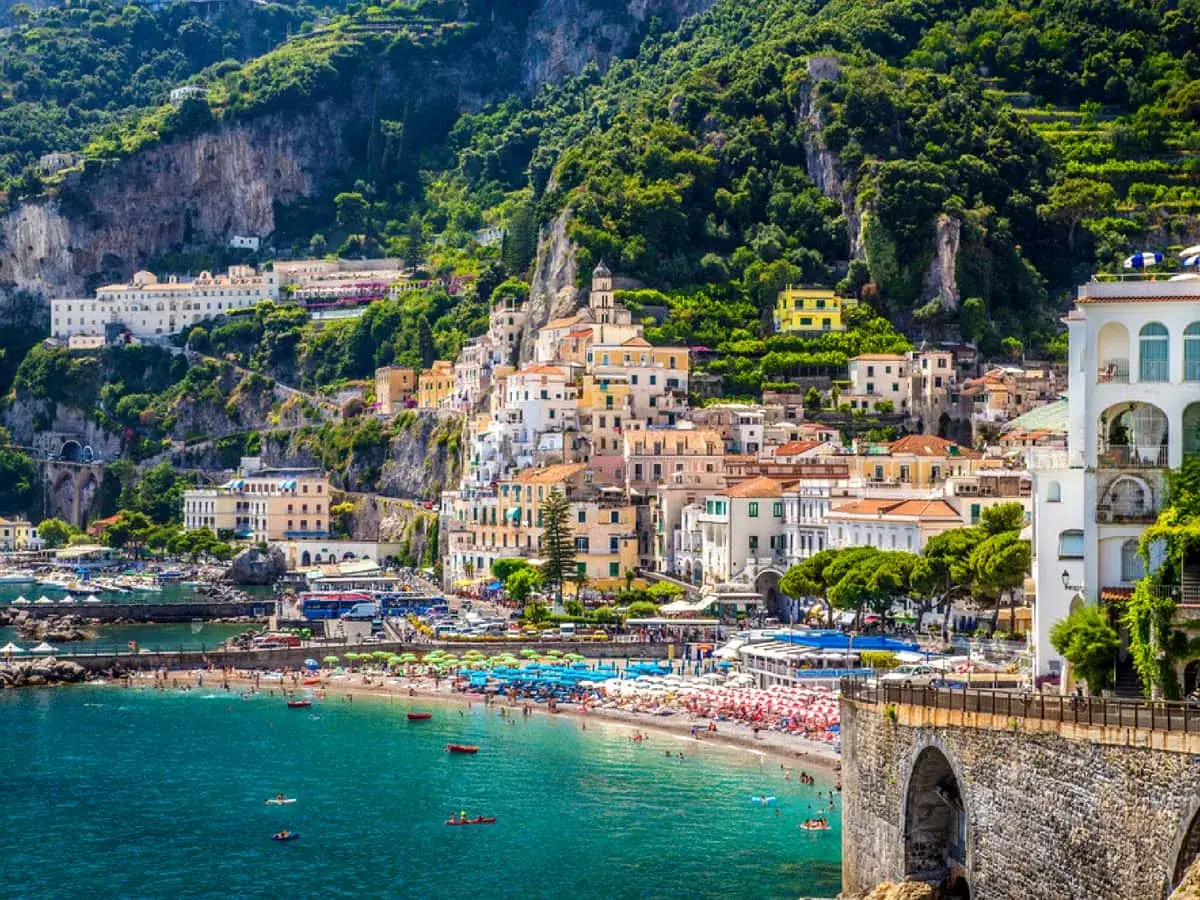
If I were choosing between a car, bus, ferry, or driver, I would treat the car as the least forgiving option on the coast. The SS163 is beautiful, but it is also narrow, winding, and busy, and in 2026 the district’s alternating-plate rules still affect parts of spring, summer, and fall, with the strictest limits in August and September. That does not make driving impossible, but it does make spontaneous driving the least practical choice for most visitors.
| Option | Why it can be safer | Main drawback | My take |
|---|---|---|---|
| Car | Good if you are staying inland or traveling off-peak | Narrow roads, parking pressure, traffic rules, and stress | Use only if you truly need it |
| Bus | No parking or driving decisions | Crowds, delays, and limited space | Fine for short hops, less ideal for tight schedules |
| Ferry | Avoids road traffic and gives you a calmer transfer | Weather cancellations and seasonal timetables | My preferred way to move between coastal towns |
| Private driver or taxi | Least stressful door-to-door option | Higher cost | Best for arrivals, departures, or long transfers |
| Walking | Simple, scenic, and often the safest way between close points | Steps, heat, and uneven surfaces | Excellent for short village walks, not for overpacked days |
If you do rent a car, I would only do it with a clear plan: parking confirmed in advance, luggage kept light, and the route checked against local restrictions before pickup. The biggest mistake I see is treating the Amalfi Coast like a flexible road trip; it behaves more like a transit puzzle with beautiful scenery attached.
Once the transport piece is under control, the next question is how to handle the water.
Beaches, ferries, and boat days
Water activities are part of why people come here, and they are usually fine if you respect conditions rather than chase the perfect photo. Ferries are a smart way to move between towns because they avoid road congestion, but weather can cancel or delay them, especially when wind and sea state pick up. That is not an inconvenience to ignore; it is the coast telling you to shift plans.
My rule is straightforward: if the sea looks rough, choose a sheltered beach club, shorten the boat day, or switch to a town walk. The trip is still good when you adapt. It only becomes frustrating when you force the schedule to win against the weather.
- Use licensed operators and ask what safety gear is onboard before you leave.
- Choose staffed beaches or lidos if you are traveling with kids or want shade, changing rooms, and easier water access.
- Watch the sea state before swimming. A calm morning can change by afternoon.
- Keep an eye on boarding times and cancellation rules, especially for ferries and small boat tours.
If a ferry is canceled because conditions turn rough, I see that as a good sign, not a failure of the trip. On the coast, caution in water transport usually means someone took safety seriously.
The same logic applies even more strongly once you move above the shoreline and onto the trails.
Hiking the cliffs takes more respect than most visitors expect
The Amalfi Coast is one of the best places in Europe to combine scenery with outdoor walking, but the trails are not casual strolls. The Path of the Gods and similar routes can be spectacular, yet they demand the same respect I would give any exposed coastal hike: decent shoes, water, an early start, and a willingness to turn around if footing or weather starts to change.
In summer, the biggest mistake is assuming the view will carry you through the day. It will not. Heat makes hikers sloppy, and exposed stone becomes more tiring than it looks. After rain, slippery sections are the issue; during dry, hot spells, sun exposure and dehydration become the bigger concern. If you are traveling with children, older relatives, or anyone with mobility limits, I would favor shorter viewpoints and paved stretches over long cliffside routes.
- Check trail status before leaving because conditions can change after rain or maintenance.
- Start early to avoid the worst heat and to give yourself a margin if you move slowly.
- Carry more water than you think you need.
- Wear real walking shoes, not slick sandals, for exposed paths and stone steps.
- Use a guide for longer or less familiar routes if you are not confident reading trail conditions on your own.
This is also where summer weather bulletins matter. In coastal travel, checking conditions is not overcautious. It is simply how you avoid turning a scenic hike into an avoidable problem.
That brings the trip back to the most useful question of all, which is how to plan the whole visit so the coast works with you instead of against you.
The safest version of the trip is slower and more deliberate
If I were planning the trip from scratch, I would not try to see every town in one sweep. The coast is safer and more enjoyable when you reduce moving parts: one base, shorter daily transfers, and enough time built in for ferries, stairs, meals, and heat breaks. Late spring and early fall are the sweet spot for that style of travel, because you still get strong weather without the full summer crush.
- Pick one base and make day trips instead of changing hotels constantly.
- Keep arrival and departure days simple so you are not combining a long drive with a full sightseeing plan.
- Save 112 in your phone and keep your passport, medication, and insurance details organized.
- Carry travel insurance that covers weather disruption, medical care, and trip interruption.
- Book lodging with access in mind, not just views, because stairs can matter more than the balcony.
- Use ferries, buses, and walking first before you default to a car.
The safest Amalfi Coast trip is usually the one with the least rush. Build in slack, respect the road and the sun, and let the coast be scenic rather than efficient. That is when it feels not only safe, but genuinely easy to enjoy.