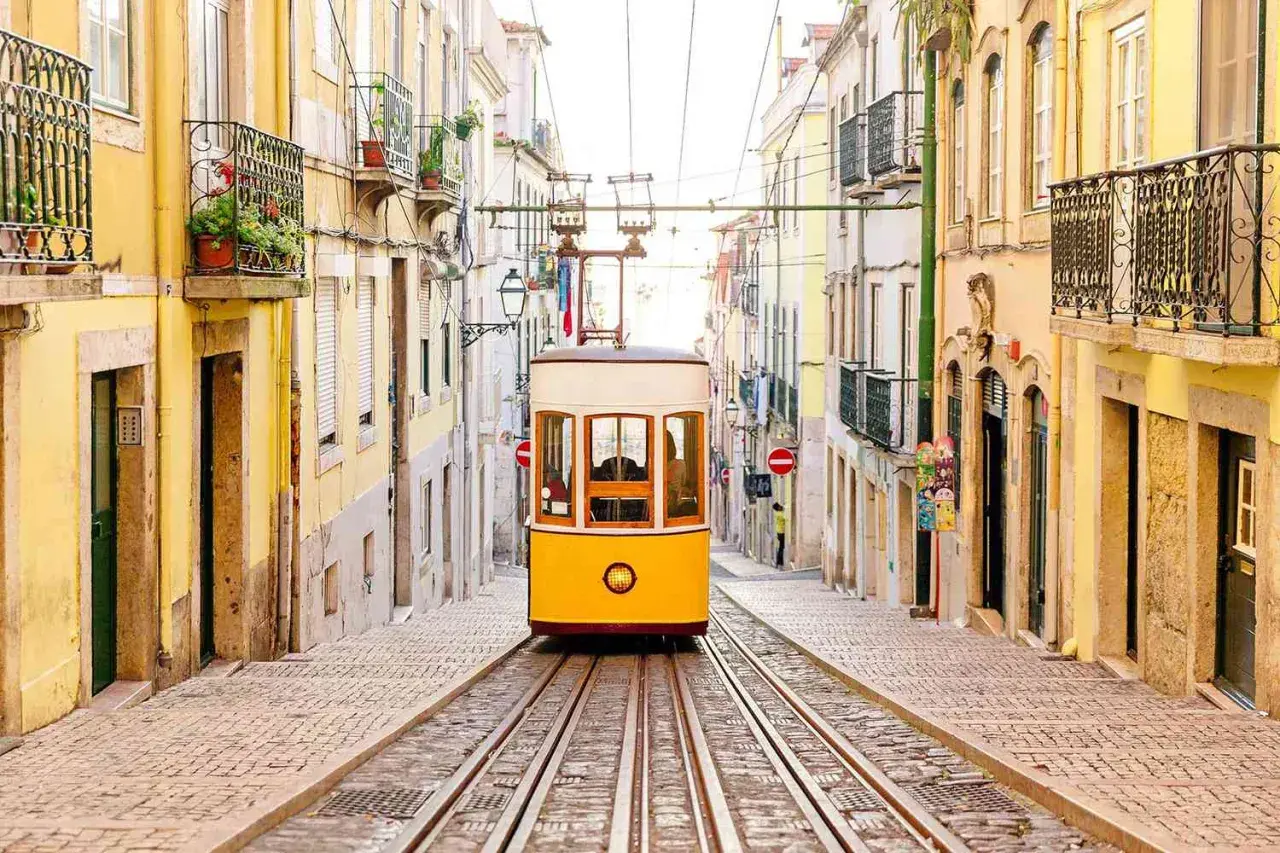
Lisbon rewards slow walking, but a short visit only works if you choose a route with intent. If you only have one day in Lisbon, I would build it around one old-quarter walk, one central pause, and one riverside block, rather than trying to tick off every landmark.
A compact route gives you the city’s best views, streets, and river light without wasting half the day in transit
- Start early in Alfama, when the lanes are quieter and the light is better for viewpoints.
- Use Baixa and Chiado as the flat middle section for lunch, coffee, and a reset.
- Save Belém for the afternoon, when the riverfront pace feels natural.
- Choose one major interior visit, not several, or the day will collapse into queues.
- Metropolitano de Lisboa lists a 24-hour Carris/Metro ticket at €7.25, which is the simplest way to handle multiple hops.
- Keep dinner flexible so you can finish with a sunset or a view instead of watching the clock.
How I would structure a one-day Lisbon itinerary
Lisbon looks compact on a map, but the hills and the neighborhood changes make it feel larger on foot. The cleanest way to spend the day is to group sights by area, keep the morning in the oldest part of town, use the center as a reset, and move west only once you are ready for a slower riverfront pace.
This is the version I would use for a first visit, because it keeps the hardest walking early and avoids zigzagging across the city. If you arrive late, I would drop the castle interior first, then trim one Belém stop before I cut Alfama entirely.
| Time | Area | What I would do | Why it works |
|---|---|---|---|
| 8:00 to 10:00 | Alfama | Viewpoints, a short lane walk, Sé Cathedral, optional castle exterior | Best light, cooler air, and the strongest sense of old Lisbon |
| 10:15 to 12:30 | Baixa and Chiado | Praça do Comércio, Rua Augusta, coffee, a simple lunch | Flat terrain gives your legs a break before the river transfer |
| 13:30 to 16:30 | Belém | Jerónimos Monastery or Belém Tower, riverside walk, Pastéis de Belém | One focused west-side block is enough for most first-timers |
| 17:00 onward | São Pedro de Alcântara or Bairro Alto | Sunset view, relaxed dinner, or a short drinks stop | Ends the day with atmosphere instead of another rushed attraction |
With that skeleton in place, I would begin where Lisbon feels most atmospheric and most fragile to crowds: the old lanes above the river.
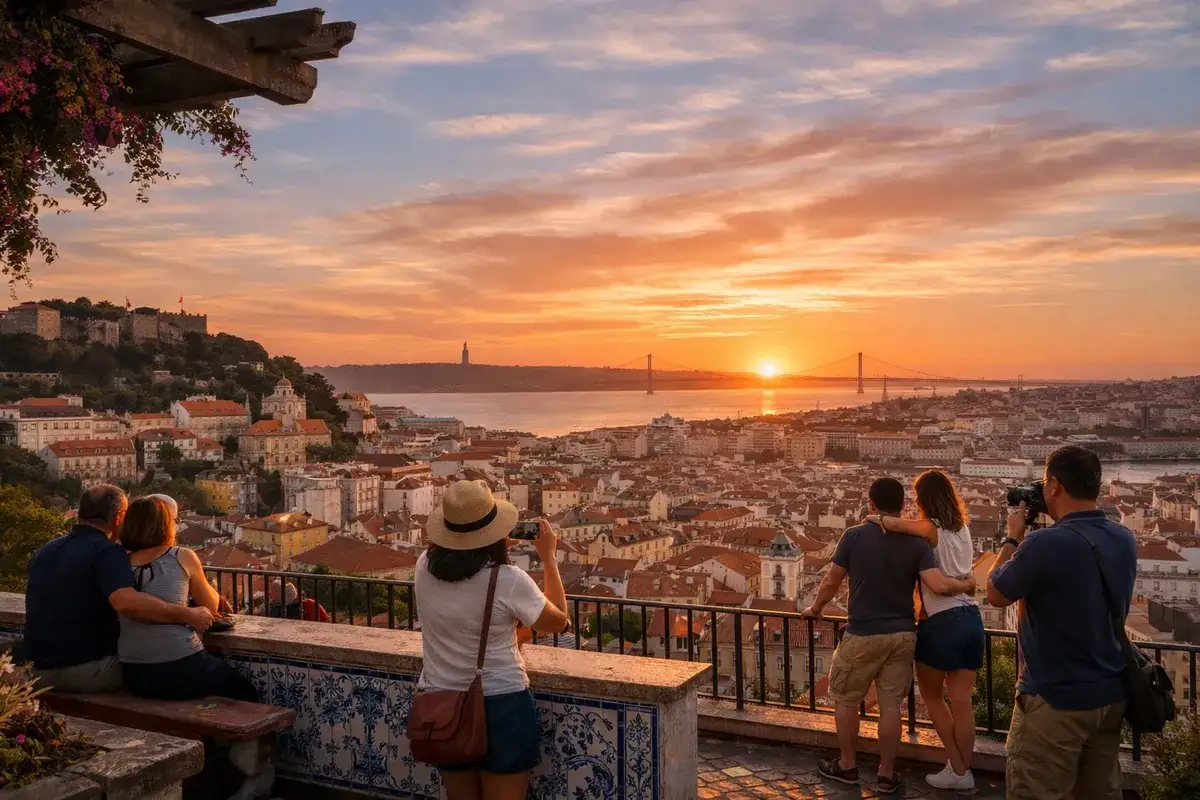
Start in Alfama before the city warms up
Visit Lisboa calls Alfama the city’s oldest and most traditional neighborhood, and that is exactly why I put it first. The steep lanes, tiled facades, and lookout points lose a bit of their magic once the day gets hot and crowded, so I like to be here while the streets still feel half asleep.
My preferred sequence is simple: a viewpoint first, a short wander second, and a paid stop only if the queue is small. Miradouro de Santa Luzia or Miradouro das Portas do Sol gives you the postcard angle; Sé Cathedral adds a quick historical anchor; São Jorge Castle is worth it if you want the panorama and do not mind spending 60 to 90 minutes there.
Two practical details matter here. Wear shoes with grip, because cobblestones and slopes are unforgiving, and do not force a perfect map route through Alfama; the neighborhood is better when you follow the alleys that feel interesting rather than the ones that look efficient.
Once the morning climbs are done, I would switch from atmosphere to convenience and use the flat center as a reset.
Use Baixa and Chiado as your reset
Baixa is where I let the day breathe. After the hills, the symmetry of Praça do Comércio, the straight lines of Rua Augusta, and the easier walking around Chiado make the whole trip feel less compressed.
This is the best place for a coffee, a simple lunch, and one deliberate choice instead of three rushed ones. If I had a tight schedule, I would skip a long restaurant meal and pick a fast, good lunch so the day does not vanish between courses. A 45-minute lunch is a luxury on a one-day city break; a 90-minute lunch can quietly erase an entire neighborhood.
If you want one extra stop here, make it Santa Justa for the view only if the line is short. Otherwise I would keep moving. In Lisbon, the time you save by resisting a queue usually buys you a better experience somewhere else, and that is especially true before the Belém transfer.
From there, the route naturally opens toward the river, and that is where I would spend the next block of time.
Make Belém the afternoon anchor
Belém works best when I give it a clean block of time instead of treating it like a side trip. It has a slower riverside rhythm, wider spaces, and the kind of monuments that deserve unhurried attention, especially if you have never been before.
If I were only choosing one major interior visit for the day, I would usually pick Jerónimos Monastery. If I wanted the most iconic exterior and a shorter stop, I would choose Belém Tower. Both are strong, but they serve different moods: Jerónimos is the richer architectural experience, while the tower is the cleaner visual hit.
| Choice | Best for | Time to allow | Why I would pick it |
|---|---|---|---|
| Jerónimos Monastery | History, architecture, and a deeper cultural stop | 60 to 90 minutes | It feels like the more rewarding use of a precious interior visit |
| Belém Tower | Iconic views and a shorter landmark stop | 30 to 45 minutes | It is easier to fit into a packed day without rushing the rest of Belém |
I would also leave room for the simple ritual that makes Belém memorable: a pastel de nata, eaten while you are still close to the river. That small pause does more for the day than another frantic monument ever will.
From Belém, the only thing left is getting back to the center efficiently enough to finish with energy, not fatigue.
How to move around without burning time
For a short Lisbon visit, I think in terms of friction, not just distance. Hills, crowds, and line changes matter more than map lines, so I use walking where the city is compact and transport where the route turns inefficient.
Metropolitano de Lisboa lists a 24-hour Carris/Metro ticket at €7.25, and that is the simplest value choice if you expect several hops. If you are mostly walking and only making one transfer, a pass may be unnecessary. If you plan to add Belém, a return to the center, and maybe one extra hop after dinner, the day ticket starts to make sense quickly.
| Option | Best use | Strength | Weak point |
|---|---|---|---|
| Walking | Alfama, Baixa, Chiado | You stay close to the city’s character and lose no time waiting | The hills will catch up with you by midafternoon |
| Metro or bus | Longer cross-city moves | Fast enough for a practical itinerary | Transfers can add friction if you are not planning carefully |
| Taxi or ride-hailing | Belém transfers and late returns | Usually the most time-efficient option when the clock is tight | Costs more than public transport, especially if used repeatedly |
| 24-hour transit ticket | Multiple rides in one day | Simple and predictable once validated | Only pays off if you actually use it |
I would treat Tram 28 as a bonus, not the backbone of the day. It is scenic and famous, but fame is not the same as reliability, and a short itinerary needs predictability more than nostalgia.
The traps are less about geography than about overfilling the schedule, and that is where most first-time plans go sideways.
What I would skip if the day gets tight
The hardest part of planning a short city day is saying no early enough. Lisbon has more good options than a single day can absorb, and the fastest way to make the trip feel thin is to pretend otherwise.
- Sintra is a separate day. It deserves its own pacing and should not be squeezed into a Lisbon city loop.
- Too many paid interiors will drain the schedule. Pick one or two, then move on.
- Long sit-down lunches are easy to underestimate. The meal itself is not the problem; the time leak is.
- Tram 28 as transport is usually a mistake if your timing matters.
- Overfilling the evening is the final trap. A relaxed dinner and one good view beat another rushed stop.
My rule is blunt: if the itinerary starts to feel like a checklist, it is already too full. The best one-day plan is the one that still leaves room for a detour, a coffee, or a longer look at the river.
The choices that make a short Lisbon day feel generous
What changes a good city day into a memorable one is usually not another landmark. It is a few small decisions made at the right time: starting early, choosing fewer interiors, moving from hills to flats in the middle of the day, and ending with a view instead of a queue.
If I were refining this plan for a first trip, I would keep three anchors and nothing more: Alfama in the morning, the city center at midday, and Belém in the afternoon. Everything else should support those anchors, not compete with them. That approach keeps the day readable and leaves enough energy for the parts of Lisbon that feel best when you are not rushing.
I like to end a day like this with one last look at the river, because Lisbon makes more sense when you let the Tagus close the loop. If you keep the route compact, accept a few trade-offs, and protect your time from queues, the city gives you a surprisingly complete experience in a single day.