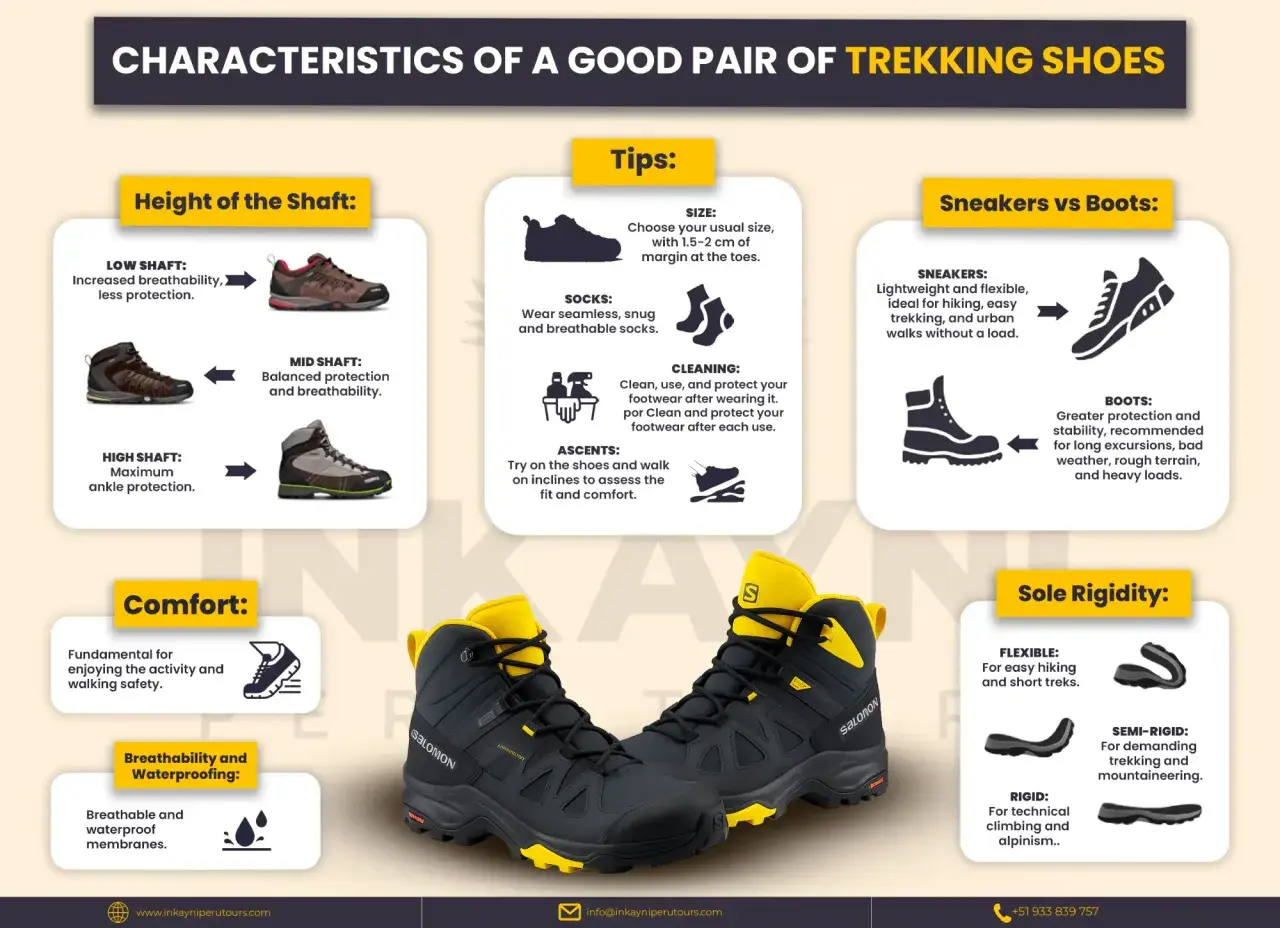
Trekking shoes are built for long days on rough ground: they sit between lightweight hiking shoes and heavier boots, trading a little flexibility for more grip, stability, and durability. In this guide I explain what they are, how they differ from other hiking footwear, which features actually matter, and how to avoid the fit mistakes that turn a promising pair into a blister machine. I will keep it practical, because on real trails the details matter more than the label.
Trekking shoes are built for mileage, not just comfort
- They are designed for long-distance hiking, backpacking, and rough terrain where support matters.
- They usually feel sturdier than trail runners but less bulky than full hiking boots.
- Grip, midsole stiffness, toe protection, and fit matter more than brand names or marketing language.
- Waterproof models help in wet weather, but breathable shoes often feel better in warm conditions.
- The right pair depends on your route, your pack weight, and how much ankle or underfoot support you actually need.
- A good fit should feel secure at the heel, roomy at the toes, and stable on uneven ground.
So, what are trekking shoes?
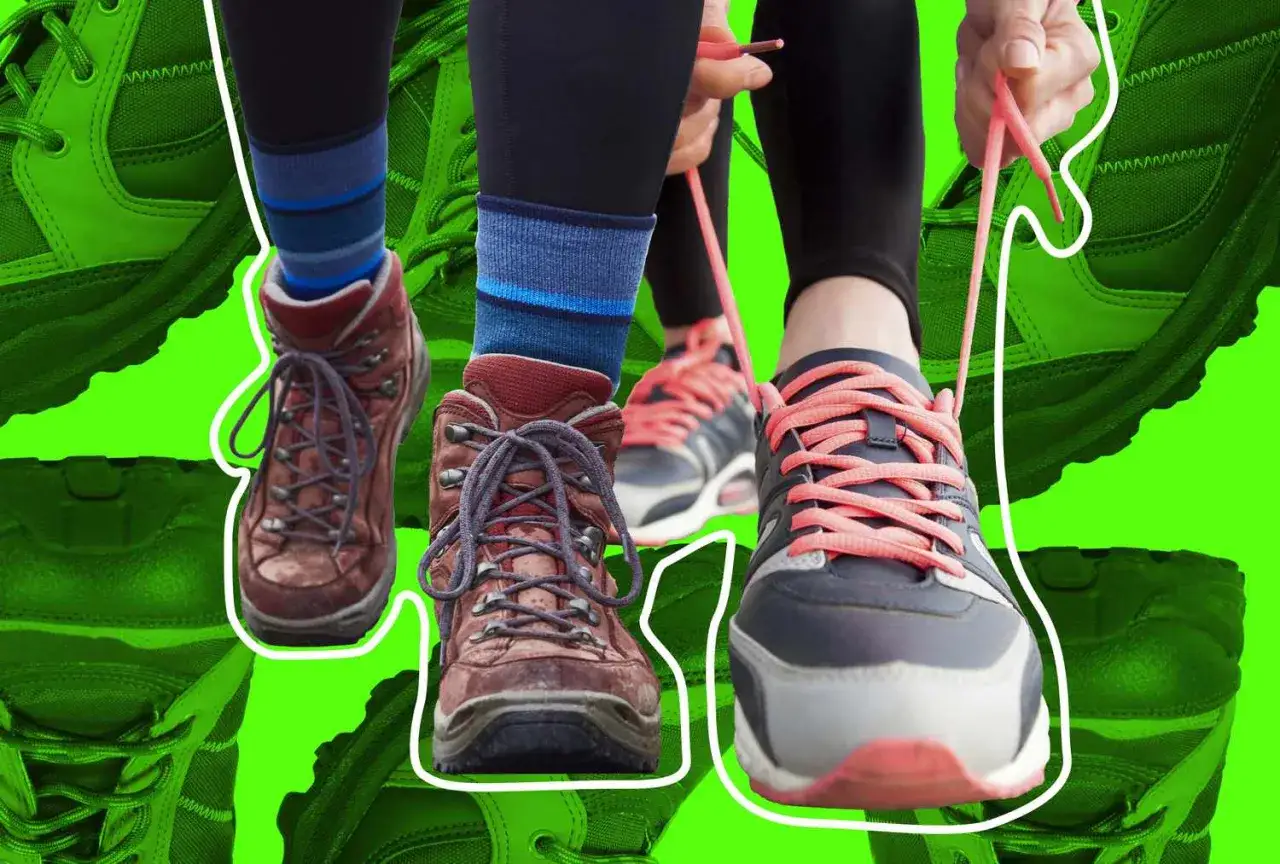
Trekking shoes are a type of hiking footwear made for sustained walking over uneven, often unpredictable terrain. I think of them as shoes that are meant to stay comfortable after hour six, not just during the first pleasant mile on a smooth path. They usually have a more protective upper, a more supportive sole, and a tread pattern that grips better on rock, mud, dirt, and loose gravel than ordinary casual shoes.
On European routes, that difference shows up quickly. Wet coastal tracks, rocky alpine switchbacks, and long stone paths punish flimsy footwear fast, so trekking shoes are built to resist that wear while still letting you move efficiently. They are not mountaineering boots, and they are not sneakers with aggressive soles; they are a middle ground made for distance, stability, and repeated impact. Once that baseline is clear, the more useful question is how they compare with other hiking options.
How trekking shoes differ from hiking shoes and boots
The category sits in the middle of hiking footwear, which is why people often confuse it with both hiking shoes and boots. The simplest way I explain it is this: hiking shoes are usually lighter and more flexible, hiking boots are usually heavier and more protective, and trekking shoes try to balance support with enough agility to keep your stride natural. REI points out a useful weight contrast too: a light hiking shoe can be around 1 pound per pair, while a sturdier boot can pass 3 pounds. Trekking shoes usually live somewhere in between, which is why they feel like a compromise rather than a specialist tool.
| Footwear type | Best for | Main strength | Main tradeoff |
|---|---|---|---|
| Trail runners | Fast, light day hikes and warm-weather miles | Low weight and quick movement | Less protection and structure |
| Trekking shoes | Long-distance hikes, mixed terrain, and moderate pack loads | Balance of support, grip, and durability | Heavier and stiffer than the lightest options |
| Hiking boots | Rough ground, heavier packs, cold or wet conditions | Maximum protection and ankle coverage | More weight, more bulk, slower drying |
That table is the big picture, but the real buying decision comes down to the parts of the shoe that touch the trail. If those parts are wrong, the category name will not save you.
The features that matter most on the trail
When I evaluate trekking footwear, I ignore the glossy claims first and check the construction. The details below have a direct effect on comfort, traction, and fatigue over long days.
- Outsole - This is the bottom rubber layer. A well-designed outsole gives traction on wet stone, dirt, and loose ground. Deeper lugs help in mud and soft soil, while flatter patterns can feel better on smoother paths.
- Midsole - This sits between your foot and the ground. A firmer midsole reduces the pounding you feel on sharp rock and helps the shoe stay stable under load.
- Shank - A shank is a stiff insert in the sole that limits excessive bending. On rocky trails, it keeps your foot from folding around every edge and root.
- Upper - This is the material around the top of the shoe. Synthetic uppers usually dry faster and feel lighter, while leather or reinforced blends often last longer and resist abrasion better.
- Toe cap - A reinforced toe area protects against stubs, kicked stones, and repeated impact on uneven ground. It is a small detail that saves a lot of annoyance.
- Heel counter - This is the stiff cup around the heel. A good one reduces slipping and keeps your foot from wandering on descents.
- Waterproofing - Membranes can help in cold rain, wet grass, and slushy shoulder-season conditions. They also slow drying, so I rarely treat waterproofing as a universal upgrade.
For long hikes, I pay special attention to the tradeoff between protection and breathability. In warm weather, a shoe that dries quickly can feel better than a waterproof model that traps heat. In cold, wet terrain, though, the balance shifts, and a little extra protection can be worth the warmth and dryness. That tradeoff becomes obvious once you start matching the shoe to the trip instead of buying the most rugged-looking pair on the shelf.
When trekking shoes are the right choice and when they are not
Trekking shoes make the most sense when the route is long enough, rough enough, or wet enough that ordinary walking shoes start to feel underbuilt. I reach for this category when I expect mixed terrain, repetitive elevation change, or a backpack that will add meaningful load to every step. They are especially useful on trips where one day might involve gravel, the next stone, and the next a muddy descent after rain.
They are less compelling when the hike is short, flat, and well-maintained, or when speed and ventilation matter more than support. If I am moving fast on dry trails in warm weather, a lighter shoe can feel better and save energy. If I am carrying a heavier pack, walking in cold rain, or crossing broken ground for hours at a time, trekking shoes start to look like the safer, more honest choice.
- Good fit for trekking shoes: multi-day walks, rough paths, mixed weather, and moderate pack weight.
- Less ideal for: casual city walking, flat park trails, hot-weather speed hikes, or routes that never leave smooth ground.
- Borderline case: if you only hike a few times a year, comfort may matter more than technical construction.
Once you know when the category works, the next step is making sure the pair on your feet actually fits the way a trekking shoe should.
How to fit and break them in without regret
The best trekking shoe in the world is still wrong if it rubs the wrong spot. Fit is not a side detail; it is the whole game. I want a secure heel, enough room in the toe box for swelling, and no pressure point that gets louder with every mile. The shoe should feel snug, not pinched, and it should stay stable when I walk downhill or sidehill.
- Try them on late in the day, when your feet are already slightly swollen.
- Wear the hiking socks you actually plan to use on trail.
- Check for a thumb's width of space in front of the longest toe.
- Walk on a slope or stairs so you can feel whether the heel slips.
- Lace them firmly enough to lock the heel, but not so tightly that the forefoot goes numb.
- Test them on a few short walks before committing to a long route.
Break-in time depends on the shoe, but it should not feel like a punishment. A good pair may feel immediately usable, then improve over two or three short outings as the upper settles and your foot adapts. If a shoe still bites after a couple of short walks, I do not assume it will magically improve on a ten-mile climb. Usually, the shape is wrong.
The mistakes I see most often
Most bad trekking-shoe decisions are not dramatic. They are small judgment errors that compound over distance, heat, and descent. The frustrating part is that they are easy to avoid once you know what to watch for.
- Buying by label alone - A shoe called "trekking" is not automatically supportive or durable enough for your route.
- Ignoring toe room - Feet swell on long hikes, and cramped toes become painful fast, especially on descents.
- Chasing waterproofing by default - In warm or humid conditions, breathability often matters more than a membrane.
- Overestimating ankle height - A higher collar does not guarantee real support if the heel still moves.
- Testing only indoors - A carpeted store floor tells you almost nothing about grip, pressure points, or downhill security.
- Ignoring your pack weight - The more weight you carry, the more you notice stiffness, stability, and underfoot protection.
I also think people underestimate how much terrain changes the shoe choice. A pair that feels fine on a dry local loop may feel completely different on wet limestone, loose scree, or long descents with a daypack. That is why route-specific thinking matters more than brand loyalty or fashion.
What matters most on your next long walk
If I had to reduce the whole topic to one rule, it would be this: choose the shoe that matches the terrain, weather, and load you actually expect to carry. Trekking shoes are not a dramatic invention; they are a practical response to long mileage, rough surfaces, and the kind of fatigue that builds slowly until your footwear becomes the main thing you notice.
For wet, uneven, multi-day routes, they are often the sweet spot between agility and support. For lighter, faster trips, they can be more shoe than you need. The best pair is the one that disappears underfoot, keeps your heel planted, gives your toes room to work, and still feels dependable when the trail stops being polite.