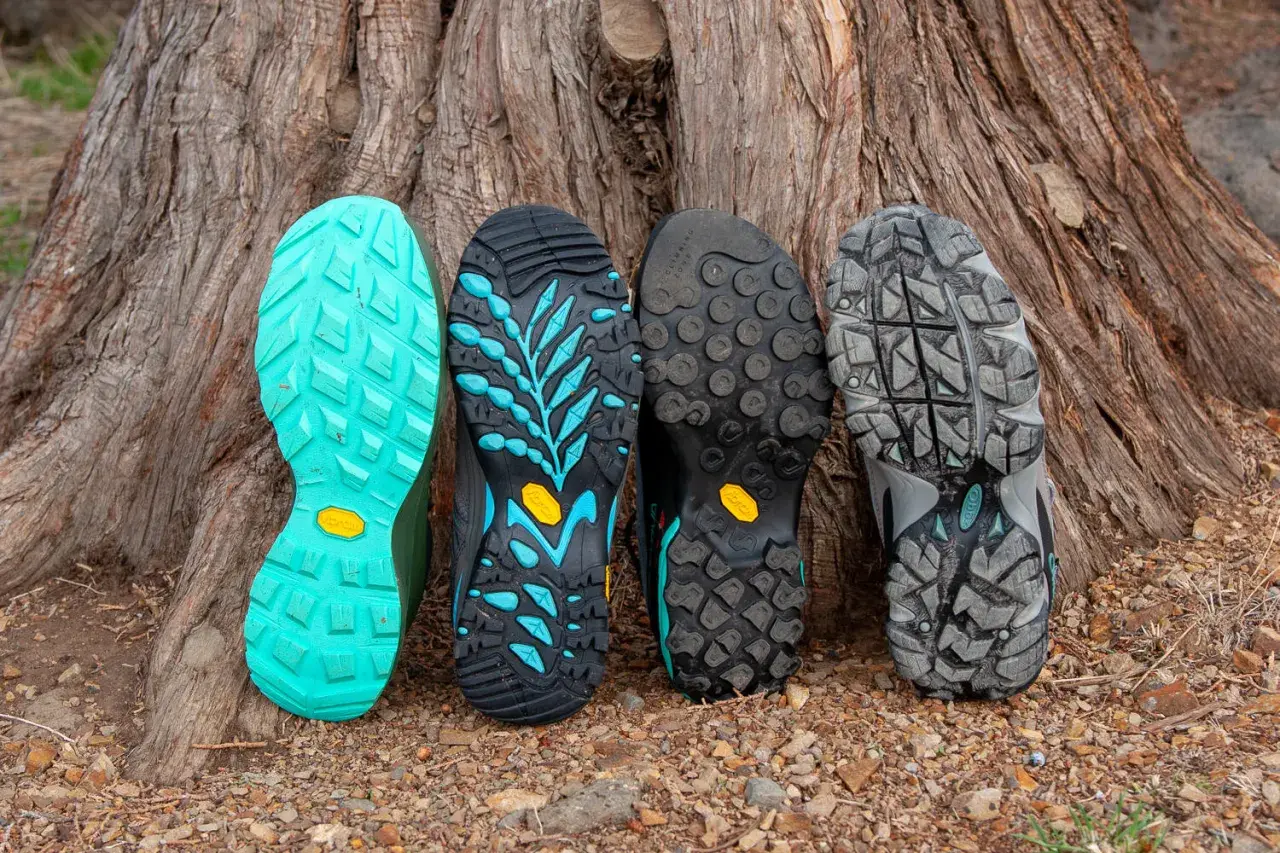
The three things that matter most before you trust a trail shoe
- Hard rubber is not automatically bad, but it usually gives up grip sooner than a softer compound on wet rock and loose ground.
- Lug depth and spacing change everything: deep, widely spaced lugs help in mud, while tighter patterns can feel better on slick stone.
- Traction and stiffness are different; a shoe can be rigid for support and still have a poor outsole.
- Trail runners, hiking shoes, and boots solve different problems, so the right choice depends on terrain, pack weight, and how much support you need.
- Temporary fixes have limits; if the outsole is worn or the rubber compound is wrong for the route, replacement is usually the real answer.
Why hard, slippery sneaker soles fail on trails
I separate stiffness from traction. A shoe can have a firm midsole and still grip well, but a hard rubber outsole with shallow tread usually loses bite on loose dirt, wet roots, and polished rock. Harder compounds are often more durable, yet they can feel slick when the trail turns damp or uneven.That is why a pair of city sneakers can feel trustworthy on a sidewalk and suddenly feel vague on a mountain path. The issue is not just that the sole is hard; it is that the surface area, tread shape, and rubber chemistry were never built for trail contact. If the lugs are rounded off or packed with old mud, the shoe gets even less useful.
Once you understand that, the next step is simple: stop reading the branding and start reading the outsole.
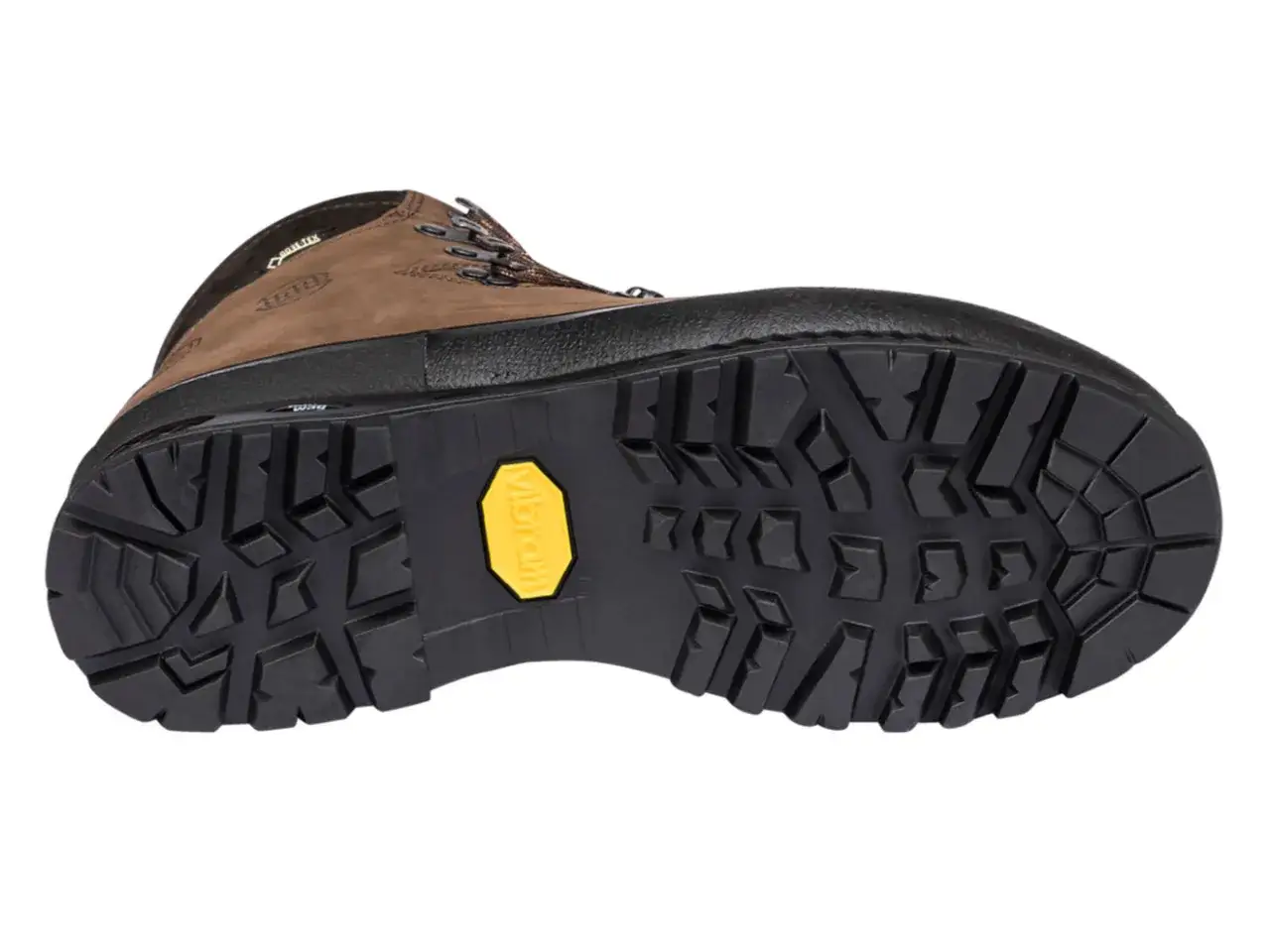
What a better hiking outsole actually looks like
When I inspect a hiking sole, I look at three things: lug depth, lug shape, and rubber compound. Deep lugs bite into soft ground; angular shapes help on climbs and braking; softer rubber usually grips better but wears faster. On wet stone, I want a slightly different pattern than I do in mud, because too much depth can reduce the contact patch.
| Feature | Why it matters | What I usually prefer |
|---|---|---|
| Softer rubber compound | Increases grip on rock and slick ground | Best when traction matters more than long-term durability |
| 4 to 5 mm lugs | Gives enough bite for loose dirt and mixed trail use | A strong middle ground for day hikes |
| Widely spaced lugs | Helps mud and debris shed from the sole | Useful on wet forest trails and soft soil |
| Heel brake | Improves control on steep descents | Important if I expect long downhill sections |
I also pay attention to the difference between a shoe that merely looks aggressive and one that actually grips. A flat, shiny sole can still be fine for errands, but it is not a trail tool. If I want secure footing on rocky paths, I want visible tread edges, a compound that feels a little tacky, and a shape that works in both push-off and braking. That is why the next decision is the shoe category, not just the tread.
Sneakers, trail runners, hiking shoes, or boots
Not every hike needs a boot, and not every trail can be handled by a casual sneaker. The sweet spot depends on the route, how much weight I am carrying, and how much protection I want from the ground under me.
| Footwear type | Best for | Strengths | Trade-off |
|---|---|---|---|
| Road sneaker | City walking, easy boardwalks, flat packed paths | Light, comfortable, familiar fit | Weakest grip on mud, wet rock, and uneven ground |
| Trail runner | Fast day hikes, mixed terrain, lighter loads | Lightweight, flexible, often uses deep lugs over 4 mm | Less support and durability than a hiking shoe or boot |
| Hiking shoe | Rocky day hikes, regular trail use, moderate packs | Better protection and a more dependable outsole | Heavier than a trail runner |
| Hiking boot | Rough terrain, wet conditions, heavier loads | More structure, more stability, better protection | Bulkier and less forgiving on easy ground |
For many hikers, trail runners hit the best balance. I like them for faster days on established trails because they pair comfort with real tread. But if I am carrying a heavier pack, moving over scree, or spending time on steep descents, I lean toward a hiking shoe or boot. That is especially true when the trail includes wet cobbles, stone stairs, or the kind of polished rock you find on busy scenic routes.
If you are trying to make one pair do everything, this is where compromise starts to matter. A lighter shoe saves energy, but a more structured model usually gives better control when the ground stops behaving.
What I would do if my current shoes are already slippery
Before I throw a pair out, I check whether the problem is fixable. Some shoes are genuinely wrong for the trail, but others just need a better test and a little maintenance.
- Clean the outsole first. Mud, dust, and road film can make decent tread feel worse than it is.
- Check the wear pattern. If the lugs are rounded, flattened, or uneven, the shoe has already lost a lot of grip.
- Look for a slick factory finish. A brand-new sole can sometimes feel oddly smooth until it has seen real use.
- Use temporary fixes only for casual shoes. Light scuffing or grip pads can help on everyday footwear, but I would not trust them as a real hiking solution.
- Retire the pair for technical terrain. If the outsole is hard and the route is wet, steep, or rocky, the safer move is to switch shoes.
I would not try to turn a city sneaker into a mountain shoe. If the sole compound is wrong, no amount of wishful thinking changes the way it behaves on a slick descent. That is why I always match the tread to the route instead of chasing the most aggressive-looking sole I can find.
Match traction to the route instead of buying the biggest tread
One of the easiest mistakes is assuming deeper tread always means better traction. That is true on some terrain and wrong on others. The outsole should fit the ground you will actually walk on, not the kind of trail you imagine from the product photo.
| Trail condition | Better outsole style | Why it works |
|---|---|---|
| Dry, groomed trail | Moderately deep lugs with moderate spacing | Enough bite without feeling clumsy on hardpack |
| Muddy or soft ground | Deep, widely spaced lugs | Helps the sole clear mud instead of carrying it |
| Rocky and uneven ground | Multidirectional, deeper lugs | Improves edge control on irregular surfaces |
| Wet, smooth stone | Shallower, tighter lugs | Increases surface contact on slick rock faces |
| Snow or ice | Deep, aggressive lugs plus traction devices when needed | Shoes alone are not enough for real winter conditions |
If most of my walking is on pavement, travel approaches, or hard-packed paths, I do not buy the most aggressive outsole on the wall. That kind of tread can feel noisy, heavy, and awkward on smoother surfaces. The goal is not maximum tread; it is the right traction for the worst realistic conditions you expect to meet.
The trail test I would use before I trust a sole
When I am standing in front of a shoe, I do one practical check in my head: where will this pair fail first? That question tells me more than the logo, the colorway, or the sales copy ever will.
- Can I see real tread depth? If the lugs are barely raised, I expect weak grip.
- Does the rubber feel tacky or glassy? Softer, stickier compounds usually feel more confidence-inspiring.
- Does the outsole match my terrain? Mud, rock, and wet stone all ask for different patterns.
- Does the shoe lock my foot down? Even good traction is wasted if my heel slides inside the shoe.
- Will I carry a pack? The heavier the load, the more I care about support and stability.
If I were choosing one pair for mixed hiking, I would start with a grippy rubber compound, 4 to 5 mm multidirectional lugs, and enough structure to stay stable on descents. That combination solves most of the problems people mean when they complain about sneaker soles that feel hard and slippery. In practice, the best hiking shoe is the one that stays composed when the path gets wet, uneven, or just annoying, and that is exactly the moment when traction earns its keep.