Here is the practical order I use before I let a pair go
- Repair first if the upper is intact and the outsole, heel, or stitching is the only problem.
- Donate or sell only if the boots are clean, wearable, and something you would hand to a friend.
- Recycle when they are no longer wearable but a local, retailer, or mail-in program will accept them.
- Repurpose sturdy old pairs for garden, garage, or camp chores if you still want to use them.
- Dispose last when the boots are moldy, broken down, or rejected by every reuse route.
Start by checking whether repair still makes sense
A boot is worth saving when the upper still has life in it. I look at three things first: the outsole, the midsole, and the upper. If the tread is worn but the body of the boot is sound, a simple resole often lands around $80 to $150 in the U.S., which is usually much cheaper than replacing a quality pair.
- Good repair candidates have worn tread, loose stitching, or a heel that is starting to go, but the upper is still solid.
- Poor repair candidates have crumbly midsoles, cracked uppers, torn waterproof liners, or soles that are separating across the whole boot.
- My rule is simple: if repair costs start to approach the price of a new pair, I stop there.
Construction matters too. A welted boot, meaning the upper and sole are joined by a stitched strip, is usually a better repair candidate than a cheap glued pair. If the boot is still comfortable but the tread is tired, repair gives you the easiest win. Once the damage moves beyond the sole, the next question is whether someone else can still wear them.
Donate or sell them only if another hiker could actually wear them
If I would not hand the boots to a friend, I do not donate them. That is my filter. Clean tread wear, intact seams, functioning laces, and no major odor are usually enough for donation or resale; holes, separated soles, and crumbling midsoles are not.
| Option | Best when | Typical cost | Main trade-off |
|---|---|---|---|
| Donate | Boots are clean, wearable, and presentable | $0 | Heavily worn pairs are often rejected |
| Sell | The brand has value and the boots still have obvious life left | $0, minus any listing or shipping cost | You need good photos and honest condition notes |
| Trade in | A store or used-gear program accepts outdoor footwear | Usually free to submit | Payout is often lower than private resale |
For donations, I only pass along pairs that are genuinely clean enough for someone else to lace up and use. If the boots still look trail-ready after a brush-down and a wipe of the upper, they may have a second life in a gear swap, a community closet, or a used-gear shop. If they are just barely wearable, I move on faster than I bargain with them.
That is also the same order REI recommends for retired gear: reuse first, then recycle or dispose only when the item is unsafe or unusable. When the boots are beyond honest reuse, recycling becomes the next test.
Recycle the boots when they are no longer wearable
NIST says only about 15% of used clothes and other textiles in the United States get reused or recycled. That is the main reason I treat recycling as the backup plan, not the first one. Hiking boots are tricky because they mix leather, rubber, foam, fabric, metal eyelets, and sometimes waterproof membranes, so not every recycling program wants them.
Before you drive across town, call ahead and ask three things: whether they accept footwear, whether boots need to be tied together, and whether metal hardware or heavy mud will get them rejected. Some drop-off points want clean textiles only. Others accept mixed footwear but send it into a downcycling stream, which means the material becomes something lower value, like insulation or stuffing, instead of a new boot.
- Remove laces and insoles if the program asks for separate parts.
- Brush off mud, gravel, and grit so the pair does not contaminate the load.
- Check local textile drop-offs, store bins, or mail-in recycling programs before assuming the trash is the only option.
- Ask what the material becomes after collection, because a recycling label by itself does not guarantee a closed loop.
The practical takeaway is blunt: recycling is real, but it is not universal. Mixed-material boots are harder to process than a simple shirt or towel, so the best move is to match the pair to a program that actually accepts footwear rather than hoping a random bin will sort it out. If no program fits, a few repurpose ideas can still keep the boots useful.
Repurpose the pair before you let them go
I like repurposing best when the boots are still sturdy but no longer good enough for trail mileage. At that point, they can still earn their place in a garage, garden, campsite, or mudroom. The trick is to use them where toughness matters more than comfort.
- Garden boots work well for muddy beds, compost runs, and outdoor cleanup. They are especially useful if you do not want to ruin a nicer pair on wet soil.
- Camp shoes for chores are a solid backup pair for setting up tents, carrying water, or making short trips around a campsite.
- Tool storage can turn a stiff old boot into a small holder for trowels, brushes, or screwdrivers, especially in a shed.
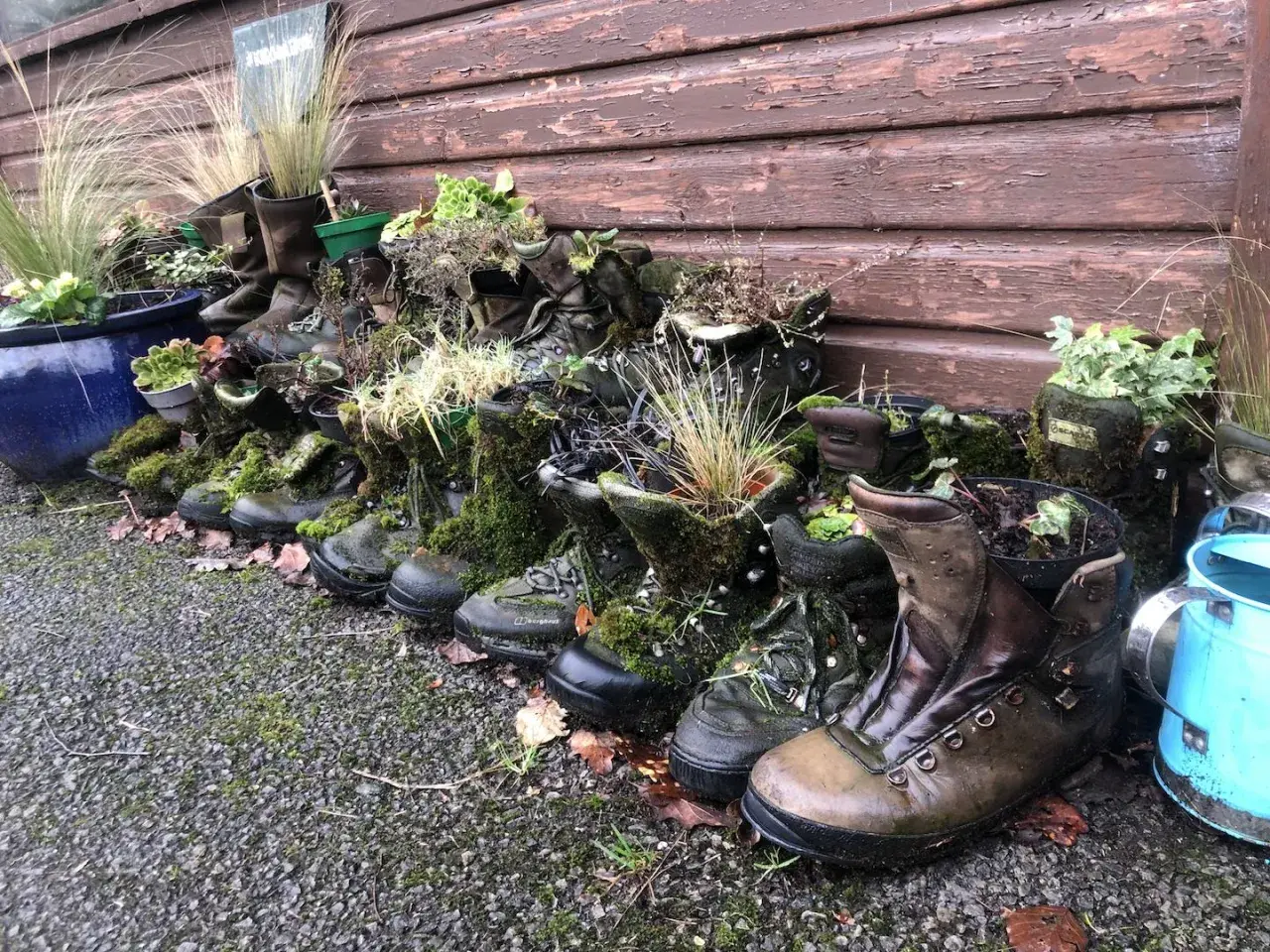
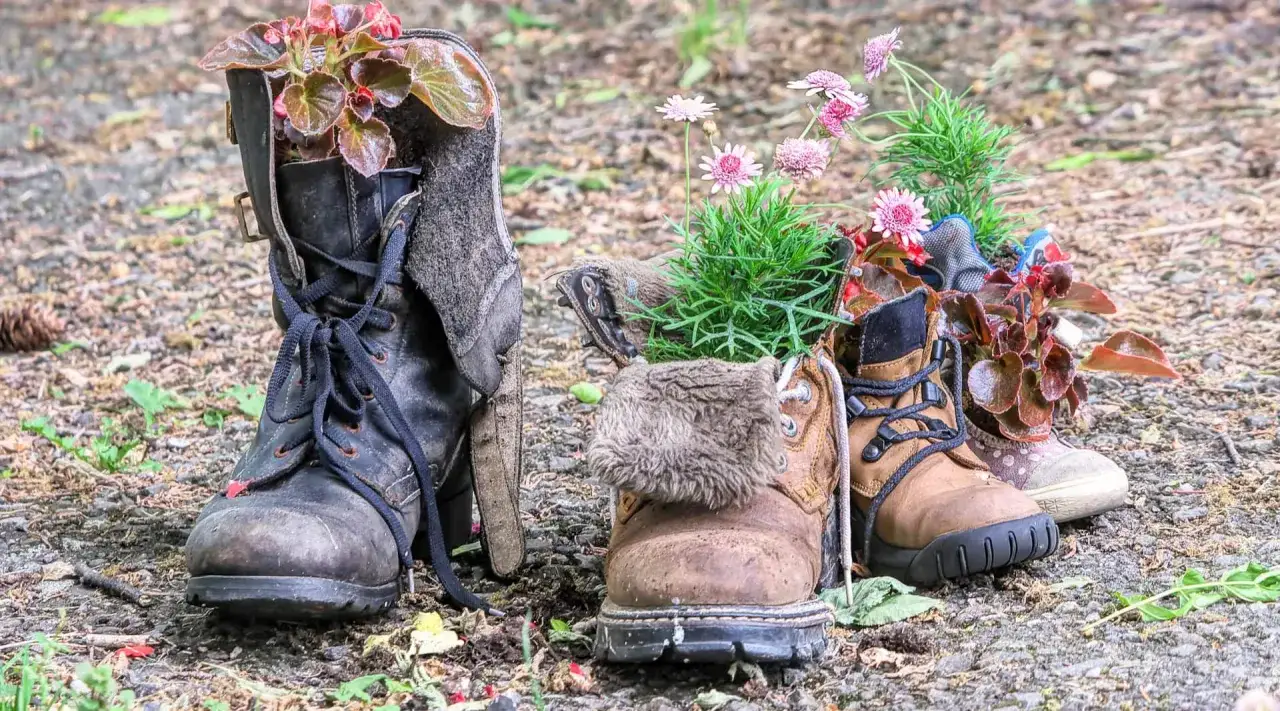
- Planters are possible if you drill drainage holes first and accept that they are decorative more than durable.
- Door stops or weights make sense when the boot is heavy, intact, and no longer comfortable enough for anything else.
Repurposing only works when the boots still have structure. If the sole is flopping off or the liner is moldy, the pair is not a clever project; it is just a messy one. When even repurposing feels like forcing it, disposal is the clean answer.
Dispose of them only after the other paths are closed
Sometimes the right answer is simply to throw the boots away. I do that only when they are moldy, structurally failed, contaminated, or refused by every donation and recycling route I checked. At that point, the most responsible move is to remove anything reusable, then follow local waste rules instead of pretending the boots still have a meaningful second life.
If the laces, insoles, or hardware are still usable, pull them off first. Those parts are often better suited to another pair, a repair box, or a small project. If your city has a textile drop-off or special collection day, use it. If it does not, bag the boots so mud and debris do not spill in transit and let them go without overthinking it.
The honest test is whether the boots can still serve a real purpose for somebody else. If not, the landfill is the last resort, not the first one.
The last check I use before retiring a pair
- If the boot can be resoled and the upper is sound, I repair it.
- If another hiker would genuinely wear it, I donate or sell it.
- If a recycler accepts it, I recycle it.
- If I still want utility from it, I repurpose it.
- If none of that fits, I dispose of it cleanly and move on.
That is the simplest answer I know. Keep hiking gear in use as long as it is safe and honest to do so, then let it exit by the least wasteful route available. That saves money, avoids bad donations, and keeps a well-used pair of boots useful for as long as the materials can reasonably handle.