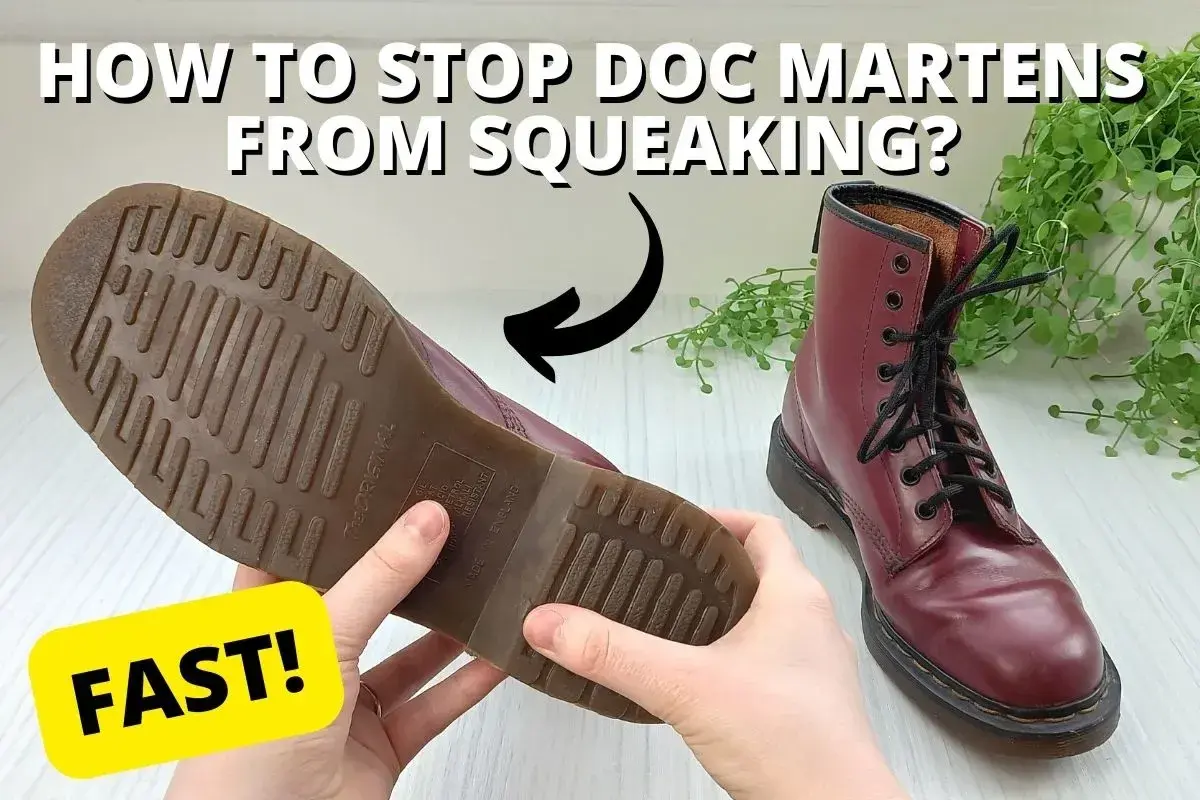
Boot squeaks are usually a friction problem, not a mystery. In hiking footwear, the noise often comes from a wet lining, a tongue rubbing the collar, a loose insole, or a sole bond that has started to separate. There are a few usual reasons hikers end up asking why are my boots squeaking when i walk, and most of them are fixable without replacing the pair.
The noise usually comes from friction, moisture, or a loose part
- Tongue and collar rubbing is the most common source in hiking boots, especially when the boot flexes uphill.
- Moisture can make linings cling and release with every step, which turns a damp boot into a noisy one.
- Loose insoles often squeak from inside the boot and usually quiet down after drying and reseating.
- Outsole noise on smooth floors is often harmless if the boot is quiet on trail.
- Visible separation or a soft spot means the problem is no longer just friction and should be inspected.
Why hiking boots squeak in the first place
In my experience, a squeak is the sound of two surfaces moving in tiny bursts instead of sliding smoothly. That stop-start motion is called stiction, the brief grip that has to break before surfaces move against each other. In boots, it usually happens when leather, synthetic lining, foam, and rubber all meet under pressure.
Hiking footwear makes this more noticeable because it has to flex, support, and resist weather at the same time. A stiff upper, a waterproof lining, and a grippy outsole create more contact points than a casual shoe. Add sweat, rain, or mud, and the sound gets louder because moisture changes how those layers slide.
New boots are especially prone to it. The materials are still settling, the leather has not softened fully, and the tongue often moves more than it will after a few days on the trail. That is why a pair can feel fine on a first walk and then start singing on a steep descent or a wet forest path.
The part of the boot that is usually talking back
If I had to rank the usual suspects, I would start with the tongue, the insole, and any place where leather or synthetic lining touches a stiffer edge. The heel counter, the stiff cup that wraps the back of the foot, can also rub if the fit is off. On hard indoor floors, the outsole itself may be the loudest piece even when the boot is perfectly fine on trail.
| Likely source | What it sounds like | What I try first | When I stop DIY |
|---|---|---|---|
| Tongue rubbing the collar | Squeak appears when the ankle bends, especially uphill or when laces are tight | Re-center the tongue and ease or adjust lacing pressure at the top eyelets | If the sound is coming from a damaged seam or cracked leather |
| Insole shifting on the footbed | Noisy from inside the boot, often with every step | Remove the insole, dry the boot, then reseat it with a light dusting of cornstarch or talc-free powder | If the insole is warped, torn, or permanently curled |
| Moisture trapped inside | Wet-sounding squeak after rain, stream crossings, or sweaty climbs | Air-dry for 24 to 48 hours and remove the insole while drying | If the lining stays damp after full drying |
| Outsole on smooth floors | Boot squeaks on tile, polished wood, or airport flooring but not on trail | Usually ignore it unless the sound appears outdoors too | If the noise is paired with slipping or unusual wear |
| Sole or midsole separation | Sharp creak near the arch or heel, sometimes with a soft spot | Inspect the bond and check warranty or a cobbler | Immediately if you can see a gap |
That table is the fastest way I know to stop guessing. Once the sound has a likely source, the fix gets much simpler, which is the point where most people save time instead of throwing products at the whole boot.
A quick way to pinpoint the source at home
I usually test the boot in five minutes before I treat it like a repair job. The goal is to narrow the sound to one contact point instead of lubricating or drying the entire boot blindly.
- Walk on three surfaces if you can: carpet, tile, and outside pavement or stone. If the squeak appears only on smooth floors, the outsole is probably the loud part.
- Retighten and then slightly loosen the laces. If the noise changes, the tongue or collar is probably rubbing.
- Pull out the insole and walk a few steps in clean socks. If the sound disappears, the issue is inside the boot, not in the outsole.
- Flex the boot by hand and listen near the heel and arch. A creak that stays in one place can point to separation or a stiff, dry material edge.
- Check whether the boot feels damp anywhere, especially after wet grass, rain, or stream crossings. Moisture-related squeaks usually fade once the boot is fully dry.
I do not rush to heat sources during this step. Direct heat can dry leather too aggressively and make it brittle, so a boot dryer on low or simple air drying is the safer route.
Fixes that actually make a difference
The right fix depends on where the sound starts. I prefer the smallest intervention that addresses the friction point, because over-oiling or over-gluing can create a bigger problem than the squeak.
- Dry the boot fully if it feels damp. Remove the insoles, open the tongue, and let the pair air-dry for 24 to 48 hours. Stuffing the boot with dry paper helps, but I still avoid direct radiators or heaters.
- Reduce internal friction with a light dusting of cornstarch or a talc-free powder under the insole if the squeak is clearly inside the footbed.
- Quiet the tongue and collar with a small amount of leather conditioner or boot balm on the rubbing contact point. I keep it sparing, because too much can soften the structure and attract dirt.
- Stabilize a loose insole with thin double-sided tape if it shifts after reseating. This works best when the boot itself is sound and the insole is simply wandering.
- Deal with outsole noise on smooth floors only if that is the only place it happens. A very light scuff with fine sandpaper can help on some rubber soles, but I would not overdo it on hiking boots built for grip.
- Use a cobbler or warranty claim if the squeak comes from sole separation, a soft heel edge, or a visible gap. That is no longer a friction issue.
One rule matters here: if the boot is leather, use enough conditioner to calm the rubbing, not enough to saturate the upper. A soaked boot often becomes softer, heavier, and messier, and it may still squeak.
When a squeak is harmless and when it signals damage
Not every noisy boot deserves a repair ticket. Some squeaks are just break-in noise, especially in new leather boots or in waterproof models that have not dried fully after a wet hike. If the sound is limited to polished indoor floors, I usually treat it as a floor-surface issue, not a boot failure.
What worries me is a squeak that comes with instability. If the sound is paired with a soft spot under the arch, heel movement, a visible gap, or a noise that gets worse every outing, I stop assuming it is normal. A boot that starts to feel loose under load can turn into a blister-maker or a traction problem, and that matters more than the sound itself.
As a rough guide, I would consider the following signs harmless enough to monitor:
- Noise only during the first few wearings of a new boot
- Squeak only on tile, stone, or other smooth indoor floors
- Noise that fades after a full drying cycle
And I would treat these as repair or replacement signals:
- A sharp creak from the same spot on every step
- A visible gap where the sole meets the upper
- A boot that feels less supportive at the heel or arch
How to keep boots quieter on future hikes
The best way to prevent boot squeaks is to stop the friction before it builds up. For hiking footwear, that means fit, drying habits, and maintenance that match the terrain you actually use.
- Get the fit right. A boot that locks the heel without crushing the forefoot is less likely to rub internally.
- Break them in gradually. I prefer short walks and half-day outings before committing to a long trail day.
- Dry them after every wet hike. Even a boot with a waterproof membrane still traps sweat, and trapped moisture is one of the fastest ways to create squeaks.
- Brush out grit and mud. Small debris inside the boot or around the tongue can act like sandpaper.
- Keep leather conditioned lightly. Dry leather creaks more, but overconditioning creates its own problems, so I use less than most people think they need.
- Rotate pairs when possible. If you hike often, a second pair gives the first one time to dry and settle.
That last point matters more on multi-day trips than people expect. A damp boot can sound fine for the first mile and then turn noisy once the lining warms up and starts moving against the footbed again.
The quiet-boot checklist I use before a long hike
Before I leave for a long trail day, I check four things: the insole is seated flat, the tongue is centered, the boot is dry to the touch, and the sole feels solid when I flex it by hand. Then I take a few steps on a hard floor and a few on a softer surface. If the sound survives that test, I treat it as a real issue instead of a harmless break-in noise.
For hikers, the goal is not perfect silence at any cost. The goal is a boot that fits, dries, and flexes cleanly enough that the sound disappears into the walk itself. If the squeak keeps coming back after the easy fixes, it is usually a sign to repair the boot, not to keep ignoring it.