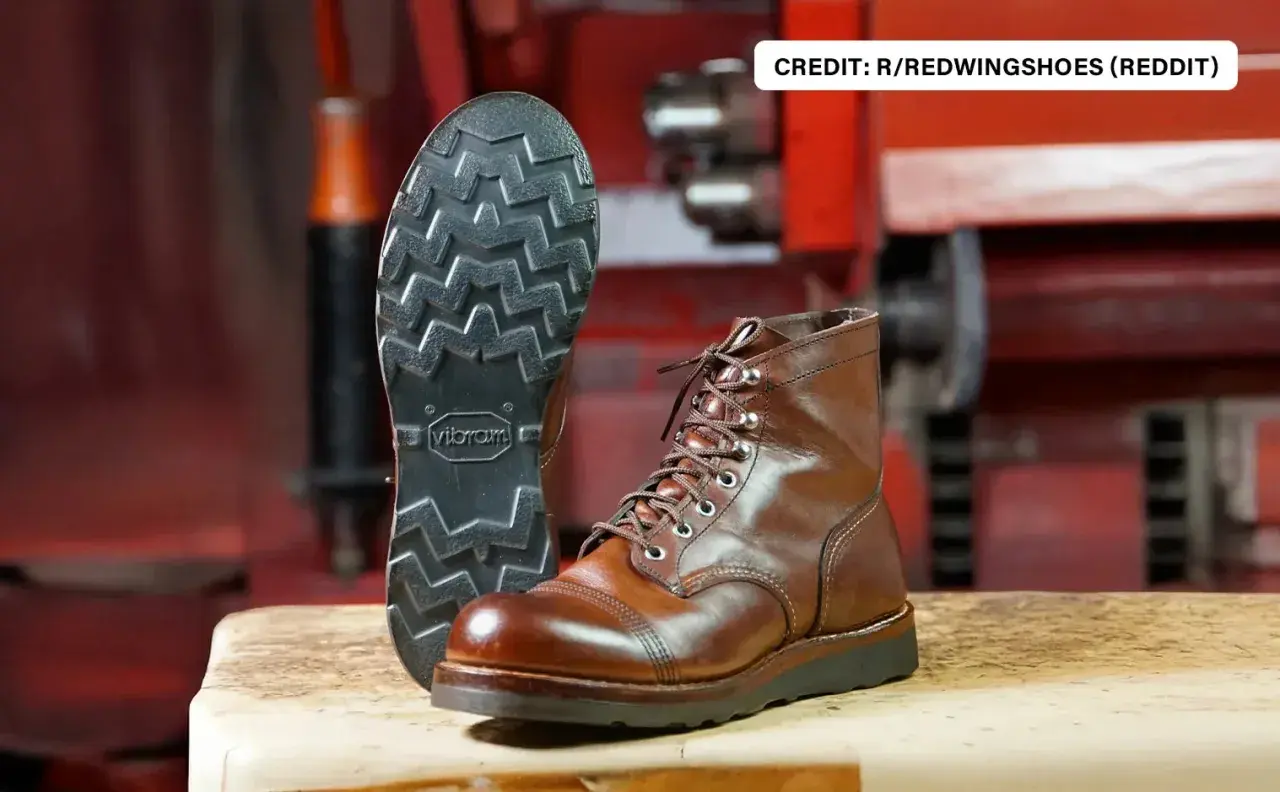
Vibram outsoles have a strong reputation for traction, but they are not automatically non-slip in every situation. The compound, tread pattern, and the surface under your feet matter just as much as the brand on the sole. For hikers, that difference shows up on wet granite, muddy forest paths, polished stone steps, and icy shoulder-season trails.
The short version for hikers deciding on Vibram
- Some Vibram compounds offer excellent wet and dry traction, but none is magically slip-proof.
- Megagrip is the strongest all-around choice for mixed hiking, especially when rock gets wet.
- Arctic Grip and Icetrek are more specialized for ice and cold surfaces than for summer trail use.
- Tread pattern, lug spacing, and shoe fit can change grip as much as the rubber itself.
- For hiking, “non-slip” is a useful shorthand, not a guarantee.
What non-slip really means on a hiking outsole
On the trail, “non-slip” is a shorthand, not a guarantee. A sole can be very grippy on wet rock and still slide on wet moss, smooth tile, or compacted mud. The real test is how the outsole behaves across the mix of surfaces you actually hike.
I think of traction as a three-part system: the rubber compound, the tread geometry, and the condition of the surface. A soft, sticky compound can help on rock, but if the lugs are shallow or the sole has packed mud in it, the benefit drops fast. That is why a shoe that feels secure on dry limestone can still feel sketchy on a rain-darkened slab.
In other words, the question is less whether the sole is “non-slip” and more which Vibram sole was built for which terrain. That shift matters because it moves the conversation from branding to performance.
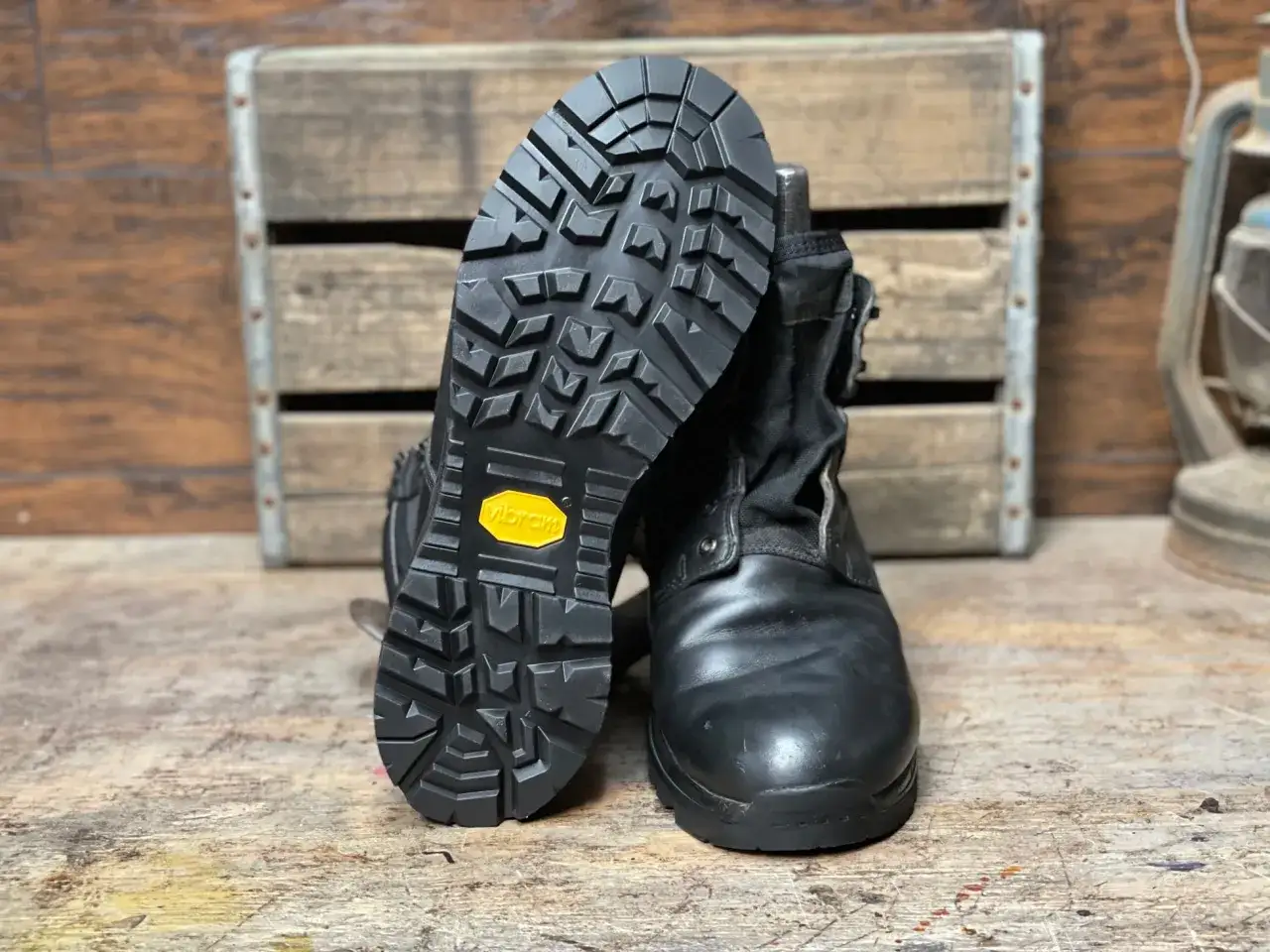
Which Vibram compounds are closest to non-slip
Vibram makes several compounds, and they are not interchangeable. Vibram describes Megagrip as a high-performance rubber for dry and wet terrain, which is why it is the first one I would shortlist for serious hiking, mountain travel, and mixed weather. By contrast, some other Vibram formulations are tuned for flexibility, cold weather, or work environments rather than all-day trail grip.
| Vibram compound | Best use | What it does well | Where it is limited |
|---|---|---|---|
| Megagrip | Three-season hiking, wet rock, mixed trails | Strong grip on wet and dry surfaces, versatile enough for most hiking use | Still depends on tread design, mud clearance, and shoe fit |
| XS Trek | Light hiking, travel, outdoor-to-town use | Flexible feel with decent wet traction | Less trail-specialized than Megagrip for demanding mountain terrain |
| Arctic Grip | Wet ice and cold surfaces | Built for icy, low-temperature grip | Too specialized to be my first pick for a summer hiking shoe |
| Icetrek | Snow, ice, and cold-weather walking | Good traction on icy and snowy ground | Not a universal trail compound |
| Work-specific Vibram compounds | Work boots, oily floors, service settings | Slip resistance in controlled work environments | Not designed as a hiking-first solution |
The pattern is simple: if a Vibram sole is built around wet traction, it can be excellent on rock and rooty trail. If it is built for ice, it may outperform everything else on frozen ground but feel less versatile elsewhere. That is why compound choice matters before you even look at tread depth.
Why tread pattern matters as much as the rubber
Rubber is only half the story. The outsole’s lugs, spacing, and edge shape decide how the shoe bites into the ground, sheds mud, and stabilizes you on descents.
- Lug depth helps on soft ground because deeper blocks dig in instead of skating on top.
- Lug spacing matters in mud and snow because wider channels shed debris faster.
- Heel brake is the flatter rear section that adds control when you are moving downhill.
- Edge contact helps on rock because a stable platform feels less twitchy on narrow ledges and polished stone.
- Flex versus stiffness changes how much surface area stays in contact with the ground.
This is why two boots with the same Vibram name can feel completely different on the same slope. One may be a confident trail shoe; the other may be a firmer boot that is better for edging and load carrying. The name on the outsole tells you the family, not the whole personality.
Where Vibram soles still slip
Even the best hiking outsole has limits. The most common trouble spots are wet moss, algae-covered stone, polished rock, loose scree, and compacted mud that fills the tread. In Europe, I see the same pattern on limestone, granite, and rain-darkened cobbles; in the U.S., the story is similar on sandstone slabs, river crossings, and leaf-covered switchbacks.
Other weak spots are easy to miss: smooth wooden boardwalks, oil film on pavement, thin frost on shaded trail, and worn-down lugs that have lost their edges. A shoe can still be “good” and feel slippery if one of those conditions is working against it.
A good outsole helps, but it cannot break the physics of a film of water or a polished surface. If you need to trust every step on ice, a trail shoe alone is not enough; you may need winter-specific rubber, microspikes, or both. That is the point where grip becomes a system, not just a shoe choice.
How to choose the right Vibram hiking shoe for your terrain
I would shop the way experienced hikers do: start with terrain, then pick the sole. A rainy coastal walker and a dry-desert rambler do not need the same outsole, even if both want “good grip.”
| Your main terrain | What to look for | Why it helps |
|---|---|---|
| Wet rock, mixed mountain trails | Megagrip or a similar high-traction hiking compound | Balanced grip on both wet and dry ground |
| Soft mud, forest trails, rainy inland hikes | Deeper, more open lugs | Better bite and faster self-cleaning |
| Snow and icy approaches | Arctic Grip or Icetrek, plus traction aids when needed | Better cold-surface performance than a standard hiking compound |
| Travel, light hiking, all-day walking | Flexible, lighter Vibram compounds such as XS Trek | Comfort with solid wet traction for mixed use |
| Rocky alpine days with a heavy pack | Stiffer boot platform and a secure heel fit | Control matters as much as rubber when fatigue sets in |
For most hikers, a Megagrip-style outsole is the safest default, but if your trips happen mostly on ice or steep wet stone, specialization beats generality. That is the part that turns a decent shoe into the right shoe.
How to keep the traction you paid for
A lot of hikers blame the outsole when the real issue is maintenance. Dirt, road salt, sunscreen, and dried mud all interfere with how rubber contacts the ground. So does simple wear: once the lugs are rounded off, the shoe loses bite even if the compound started out excellent.
- Brush the sole after muddy hikes so the lugs can do their job.
- Rinse out grit from the channels if you have been on clay, sand, or dusty trails.
- Inspect the heel and forefoot for uneven wear, especially if you descend aggressively.
- Store boots away from heat, which can age rubber faster than normal use.
- Replace shoes when the tread looks smooth or the outsole has lost its edge on rock.
These habits do not make a mediocre sole great, but they do keep a good one performing like it should. That matters because traction is one of the few features you notice only after it starts disappearing.
The practical answer for hikers choosing Vibram in 2026
My short answer is this: Vibram soles can be highly slip resistant, but only the right Vibram sole for the right job. If you want one dependable all-around hiking option, I would look first at a Megagrip-type outsole paired with sensible lug design and a boot or shoe that fits your terrain. If your trips lean toward winter, ice, or shoulder-season slickness, choose a more specialized compound and add traction aids when conditions demand them.
That is the part many buyers miss. The best trail decisions are rarely about a single magic label; they are about matching compound, tread, and conditions with enough honesty to avoid false confidence. Do that, and a Vibram outsole becomes one of the most useful tools in your hiking kit.