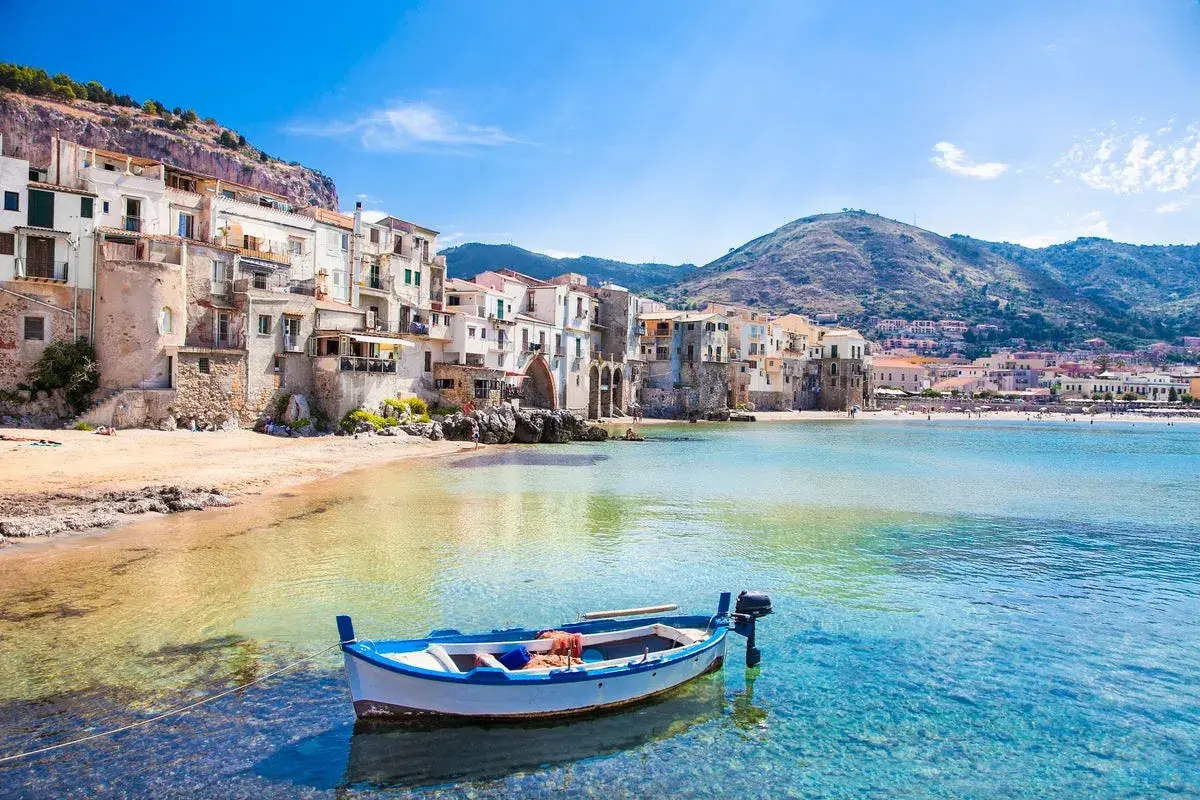
Sicily rewards travelers who plan by region rather than by isolated stops. The island gives you ancient ruins, seaside towns, volcano hikes, and baroque cities, but the best places to go in Sicily depend on how much time you have and how much moving you want to do. In this guide, I break down the destinations that actually matter, the routes that make sense, and the trade-offs that are easy to miss on a first trip.
Sicily is best enjoyed as a few well-chosen bases, not a race across the island
- Palermo is the strongest first stop for food, street life, and layered history.
- Syracuse and Ortigia give you the most walkable mix of archaeology, water views, and atmosphere.
- Taormina and Mount Etna are the classic east-coast pairing if scenery matters most.
- Agrigento, Cefalù, and the western coast become much easier to fit once you have 6 to 10 days.
- A car helps outside the big cities, but it is a liability inside Palermo and sometimes unnecessary for a short urban route.
- Spring and early autumn usually deliver the best balance of weather, crowds, and flexibility.
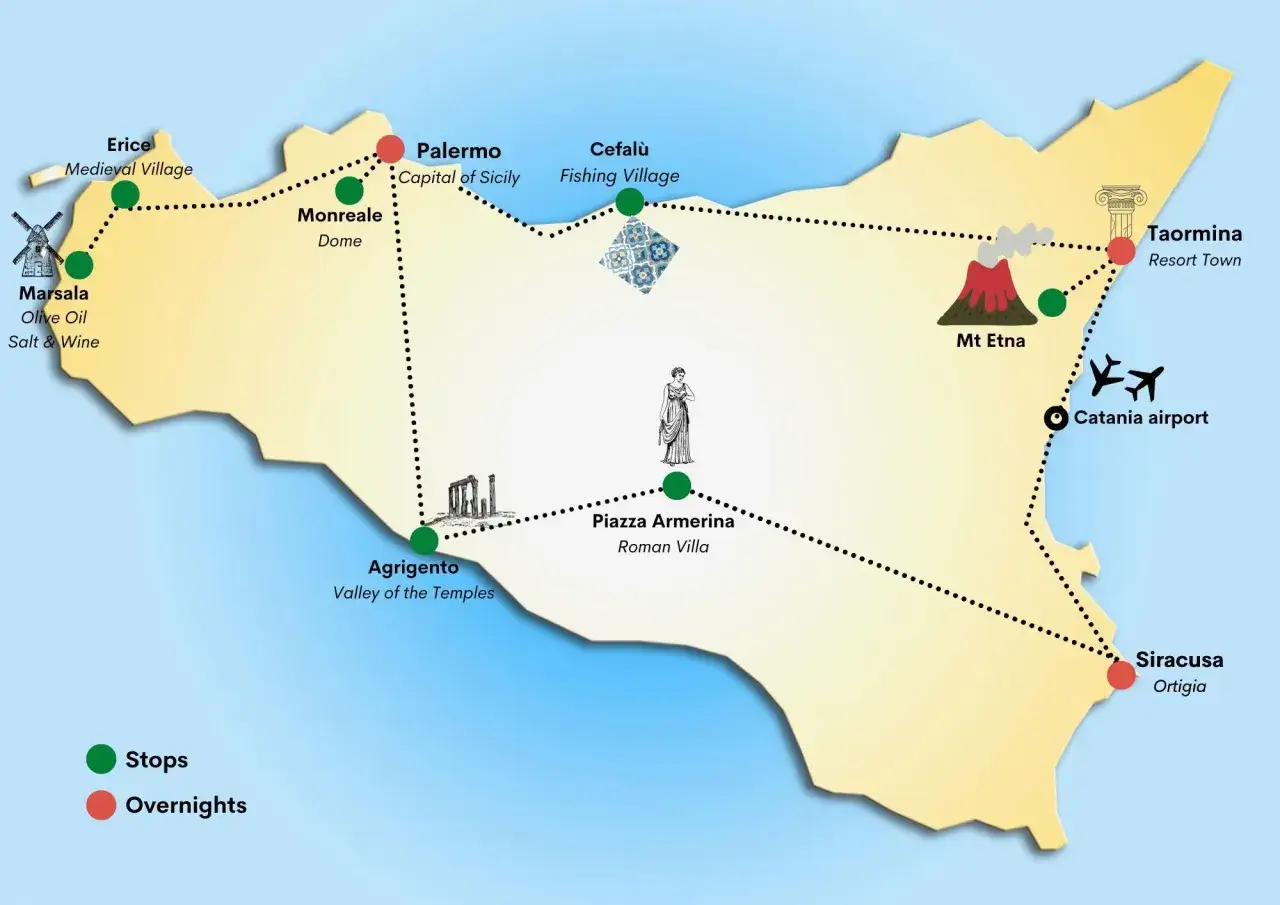
The first places I would put on a Sicily shortlist
When I plan Sicily for the first time, I think in terms of anchors, not a long checklist. Each of these stops earns its place because it adds a different layer of the island, whether that is a historic center, a coastline, a volcano, or a food scene that feels genuinely local.
| Place | Why it belongs | Best use in a trip |
|---|---|---|
| Palermo | Big-city energy, markets, street food, and a dense mix of Arab-Norman, Baroque, and everyday Sicilian life. | Start here if you want culture and movement, not a polished resort base. |
| Monreale | A quick but rewarding cathedral stop just outside Palermo. | Half-day add-on that works best when paired with Palermo. |
| Syracuse and Ortigia | Ancient ruins, a compact historic core, and a slower waterfront rhythm. | One of the most balanced stops for a first Sicily itinerary. |
| Noto, Modica, and Ragusa | Baroque streets, strong food culture, and a more relaxed southeast feel. | Best when you want architecture and atmosphere rather than a packed sightseeing program. |
| Agrigento | The Valley of the Temples is one of the island’s most important archaeological sites. | Worth at least a few hours, and ideally an overnight if you hate rushing ruins. |
| Taormina | High-drama views, a famous old center, and easy access to the east coast. | Best for travelers who want scenery, cafes, and a classic postcard stop. |
| Mount Etna | Volcanic landscapes, hiking, and one of the most distinctive nature days in Italy. | Perfect as a half-day or full-day outing from the east coast. |
| Cefalù | A compact old town with a beach, which makes it unusually easy to enjoy. | One of the smartest low-friction additions if you want sea time without overplanning. |
| Trapani, Erice, Zingaro, and Favignana | The western cluster gives you coast, views, and island-hopping options in one region. | Best if you have enough days to slow down and move less often. |
| Aeolian Islands | Volcanic scenery, boat time, and a stronger sense of being away from the mainland. | Ideal for a second layer of Sicily, not something I would bolt onto a rushed trip. |
If your trip can only absorb four or five stops, I would prioritize the ones that create contrast: one big city, one ancient site, one scenic coastal base, and one volcanic or island stop. That gives you a better read on the island than trying to sample everything at once.
How to turn those stops into a route that actually works
Rick Steves’ Sicily itinerary is a useful reality check: four days barely covers Palermo and Syracuse, while 12 to 14 days is where the west coast, the southeast, and the major archaeological sites start to fit together without feeling frantic. That is the main planning lesson with Sicily: the island looks compact on a map, but it travels better when you leave breathing room.
| Time you have | What I would include | What I would leave for another trip |
|---|---|---|
| 4 days | Palermo, Monreale, Syracuse, and Ortigia. | Agrigento, Etna, Taormina, and the west coast. |
| 6 to 7 days | Palermo, one major ancient site such as Agrigento, and either Syracuse or Cefalù. | Trying to force in both the far west and the far southeast. |
| 8 to 10 days | Palermo, Agrigento, Syracuse/Ortigia, Taormina, and Mount Etna. | Long ferry hops and too many one-night stops. |
| 12 to 14 days | A fuller loop with Trapani, Erice, Segesta, Ragusa, Modica, Noto, and possibly Favignana or an Aeolian add-on. | Nothing major, but I would still resist packing every famous town into the schedule. |
My rule is simple: if you have one week, stay on one side of the island more than the other. If you have two weeks, then Sicily starts to open up into a real circuit rather than a series of compromises. Once the route is set, the next decision is what kind of Sicily you actually want to prioritize.
Match the stop to the trip you actually want
For history and archaeology
If that is your focus, I would build around Palermo, Monreale, Syracuse, Ortigia, Agrigento, and one western site such as Segesta or Selinunte. The important thing here is not to chase quantity. Sicily’s archaeology is strongest when you give each site enough time to register, especially in places like the Valley of the Temples, where a few hours are far more satisfying than a rushed photo stop.
For beaches and slow coastal days
Cefalù works because it gives you the beach and the old town in one place. San Vito lo Capo is the stronger pure-beach choice if that is all you want from a stop. Favignana and the Aeolian Islands are better if you want more of a boat-and-cove rhythm. I would not bury the coastline behind too many inland overnights, because Sicily’s beach areas reward time more than speed.
For food and city life
Palermo is the obvious food capital, but Catania is the better contrast if you want something rougher, louder, and less polished. Noto, Modica, and Ragusa are where I go when I want a slower pace, long lunches, and architecture that feels tied to the street rather than separated from it. These are not just pretty towns; they are some of the best places to understand how Sicily eats, talks, and moves.
Read Also: How Long to Drive Around Sicily? The Real Answer
For volcanoes and wild scenery
Mount Etna is the headline because it is easy to build into an east-coast route and it gives you an actual landscape change, not just a view. Stromboli and Vulcano push the island further into volcanic territory, but they ask for more time and ferry planning. If you prefer green hills and quieter trails, the Madonie and the inland highlands are better than trying to turn every scenic day into a volcano day. Once you know which version of Sicily you want most, the timing becomes much easier to get right.
When I would go for the best mix of weather and crowds
The best all-around window is usually late April through June and again in September through mid-October. Those periods tend to give you the most useful combination of warm weather, manageable crowds, and enough daylight to move between bases without feeling rushed.
| Season | What it is best for | What to watch |
|---|---|---|
| Late spring | City walking, ruins, hiking, and flexible routing. | Sea temperatures can still feel cool for long swims. |
| Summer | Beach time, boat trips, and long evenings outdoors. | Heat, higher prices, more traffic, and heavier booking pressure. |
| Early autumn | Warm water, easier sightseeing, and the most balanced overall trip. | Some beach services begin to wind down later in the season. |
| Winter | Palermo, food-focused trips, museums, and quieter towns. | Shorter days and less convenient ferry timing for some island plans. |
Getting around the island without losing half your trip to transit
I usually plan Sicily in two layers: city transport and island transport. The city layer is easy enough to handle with trains, buses, and walks. The island layer is where a car or a ferry suddenly matters a lot more.
| Transport option | Best for | Main limitation |
|---|---|---|
| Car | West coast routes, southeast towns, Etna, and scattered rural stops. | City driving, parking, and the temptation to overpack the route. |
| Train and bus | Palermo, Cefalù, Catania, and Syracuse on the main corridor. | Less flexible for hill towns, nature reserves, and island clusters. |
| Ferry | Aeolian Islands, Egadi Islands, and other sea-connected side trips. | Weather, schedules, and the need to leave buffer time. |
National Geographic notes that Cefalù is about an hour from Palermo by train, which is exactly why it works so well as an easy add-on if you do not want to rent a car immediately. I would use that logic everywhere in Sicily: keep the first part of the trip simple, then switch to a car only when the route stops being city-based. For most American travelers, Sicily is also a connection-through-Europe trip, so the arrival day is better spent settling in than trying to push through a long transfer chain.
The first Sicily itinerary I would trust
- Palermo for the city energy, the markets, and the first taste of Sicilian food culture.
- Syracuse and Ortigia for ancient layers, walkability, and a calmer waterfront pace.
- Agrigento or Mount Etna for one big landscape or archaeology anchor.
- Taormina or Cefalù for a scenic coastal finish that does not feel like filler.
If I were booking a first trip from scratch, that is the version I would trust most. It gives you enough variety to feel the island’s range without turning the trip into a logistics test, and that is usually what makes Sicily memorable rather than merely busy. The best itineraries leave space for long lunches, a slow evening walk, and one extra stop you did not plan for but are glad you made.