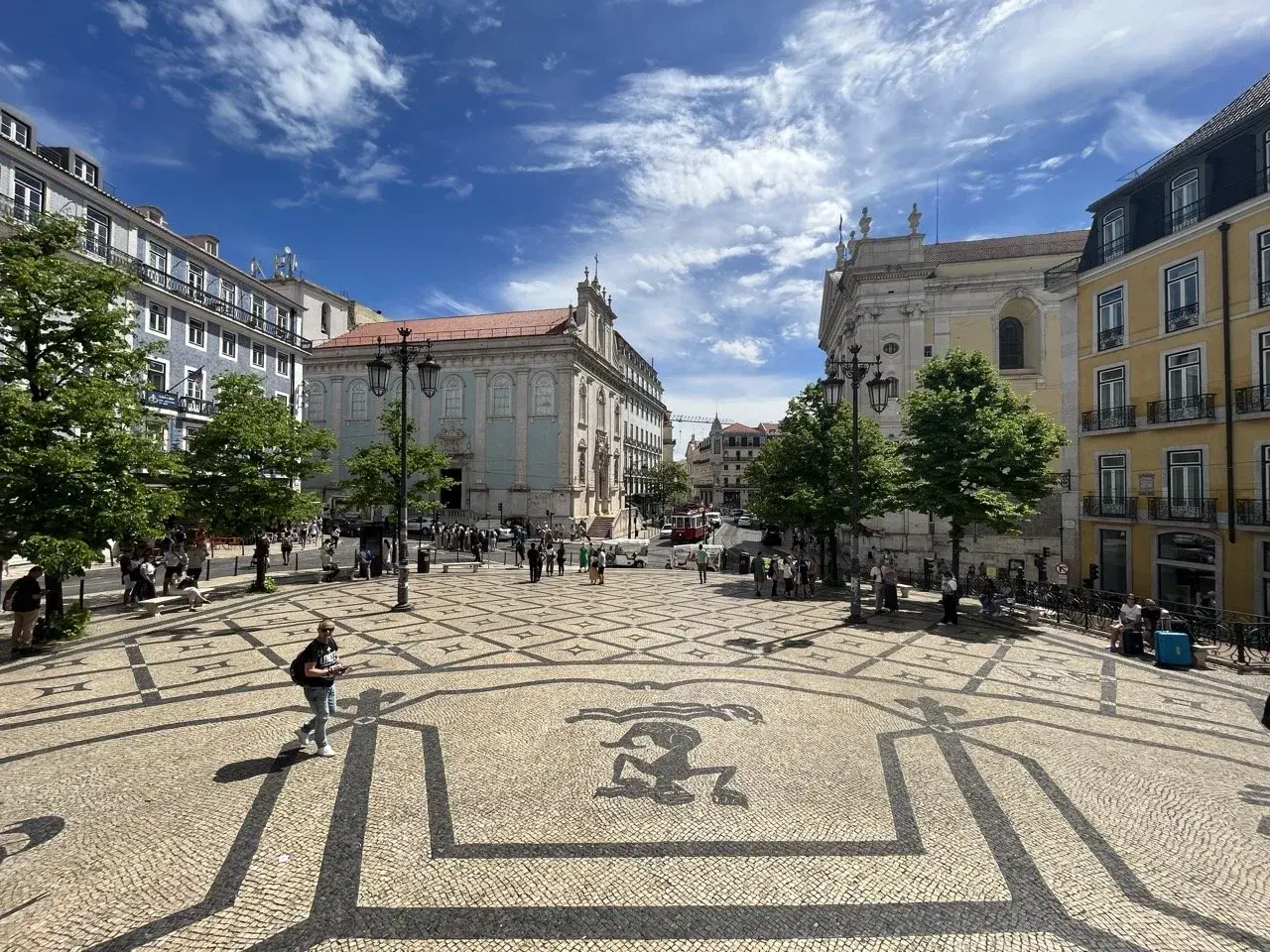
A day trip to Lisbon works best when I treat the city as a sequence of compact, high-value stops rather than a race across the map. The hills, tram lines, riverfront, and old districts reward a simple plan: focus on one core area, move deliberately, and leave room for coffee, lunch, and at least one long lookout. This guide covers the route choices, transport trade-offs, and a realistic one-day plan that gives you Lisbon without turning the day into a sprint.
A tight route beats a long checklist
- For a single day, choose either the historic core or Belém as your main anchor, not both at full depth.
- Walking is still the best way to experience central Lisbon; use metro, tram, or taxi only for bigger jumps.
- A 24-hour Carris/Metro ticket costs €7.25, while a single metro ride is €1.72.
- The Lisboa Card starts at €31 and makes sense if you want transport plus several paid attractions.
- Many museums close on Mondays, so your route should stay flexible if your visit falls early in the week.
- Plan for one viewpoint, one proper meal, and one buffer block so the day does not feel crowded.
What a day trip to Lisbon should actually cover
I would not try to “see Lisbon” in the abstract. That usually leads to too many neighborhoods, too much transit, and not enough time spent in the city’s best spaces. A one-day visit works better when it is built around a narrow story: old lanes and views, riverside monuments, or a balanced mix of both.
My rule is simple. If you want atmosphere, choose the historic center and stay close to Alfama, Baixa, and one miradouro. If you want monuments, shift the weight toward Belém and the riverfront. If you want the safest all-around plan, split the day between the old town in the morning and Belém in the afternoon, then return to the center for dinner.
| Route type | Best for | Trade-off |
|---|---|---|
| Historic core | First-time visitors, scenic walking, old streets, viewpoints | You will see less of Belém and the river monuments |
| Belém-focused | Architecture, UNESCO sites, riverside walks, a slower lunch | You spend more time moving between stops |
| Balanced route | Travelers who want a bit of everything in one day | You need discipline and a realistic pace |
If I were planning the day for myself, I would choose the balanced route only if I had at least nine or ten usable hours. With less time than that, I would stay central and make the city feel deep rather than broad. That choice sets up the itinerary well, because once the route is clear, the timing becomes much easier to control.
The route I’d use for a first visit
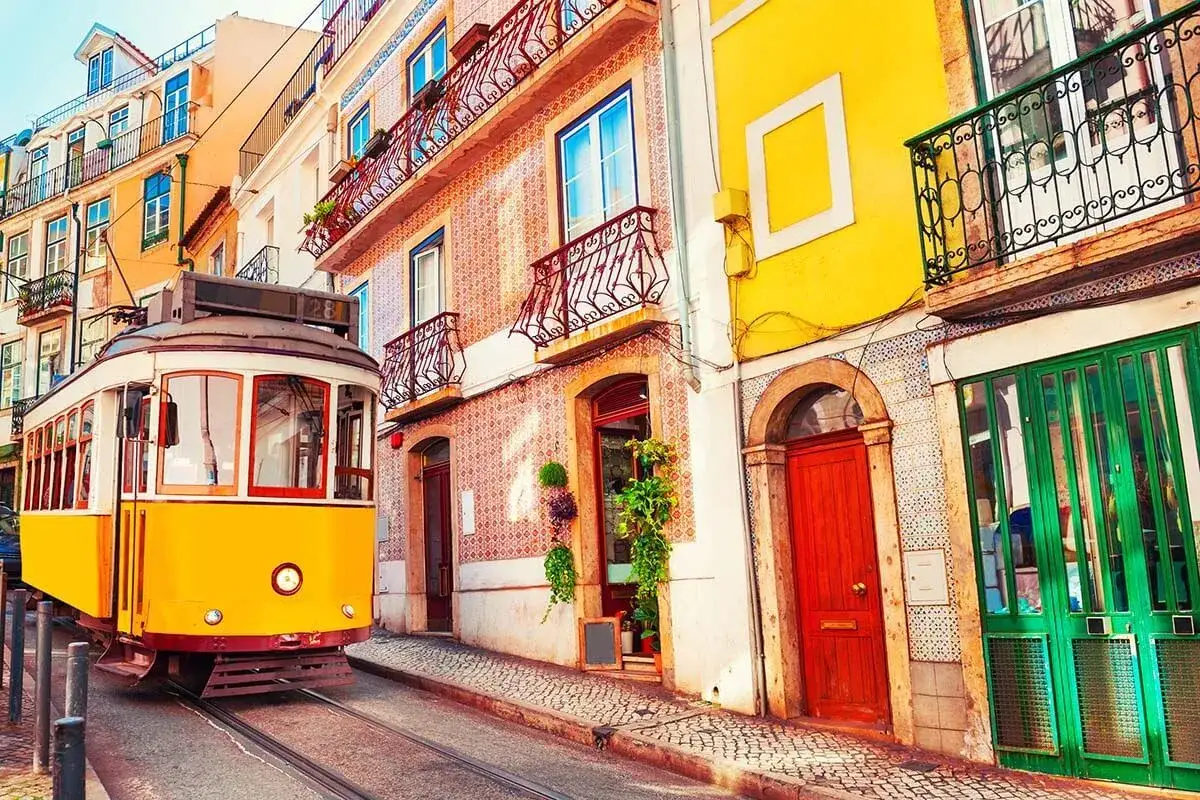
The cleanest first-day route starts in Baixa, climbs into Alfama, then finishes in Belém or back near the river if you prefer a slower afternoon. That structure works because it follows the city’s natural flow instead of fighting it. You get flat ground early, the hillier part when you still have energy, and a gentler finish after lunch.
| Time | Stop | Why it works |
|---|---|---|
| 08:30-09:30 | Breakfast in Baixa or Chiado | Easy start, central location, and a low-stress way to warm up for the day |
| 09:30-11:00 | Alfama streets and Lisbon Cathedral | This is where Lisbon feels oldest and most textured, with narrow lanes and quick viewpoints |
| 11:00-12:15 | São Jorge Castle or a nearby miradouro | A miradouro is a viewpoint, and in Lisbon it is never wasted time; this is where the city opens up |
| 12:30-13:30 | Lunch | Keep it simple and unhurried; a one-day visit gets better, not worse, when lunch is good |
| 14:00-16:30 | Belém, Jerónimos, and the riverfront | This gives you the city’s monument side without dragging the day into a museum marathon |
| 17:00-19:00 | Back to the center for sunset or dinner | Ending near the old center keeps the evening relaxed and avoids a long return trip |
If queues are long at a major monument, I would rather skip the interior and keep the route moving. On a short visit, the city is usually better from outside anyway: the streets, river views, and hilltop panoramas often leave a stronger memory than an extra forty minutes in line.
How to get around without wasting the day
Walking is still the best transport in Lisbon’s center. The compact blocks, viewpoints, and older streets reward short distances on foot, even if the hills can make those distances feel longer than they look on a map. Once you leave the center or need to connect two distant areas quickly, the metro becomes the most practical tool.
For one-day planning, the fare structure matters. A single metro ride is €1.72, and the 24-hour Carris/Metro ticket is €7.25. If you expect several hops, the day ticket usually removes friction as much as it saves money. The Lisboa Card is a different calculation: at €31 and up, it is worth considering if you want unlimited transport plus access to multiple major sights rather than just moving around the city.
- Use walking for Baixa, Chiado, and Alfama whenever possible.
- Use metro or taxi for the jump to Belém, especially if you are saving energy for the evening.
- Use a day pass if you expect at least four rides or want to move between sights without thinking about fares.
- Do not build the day around a tram ride; trams are useful, but they should support the itinerary, not control it.
- Check Monday openings if your day lands early in the week, because that is where a lot of well-made plans break.
I also like to keep one rule in mind: the more you cross the city, the less each individual stop matters. That is why a tight route usually feels richer than an ambitious one, and it leads naturally into the question of what deserves your time first.
What to prioritize if your interests are different
The best one-day plan depends on what you care about most. A traveler chasing atmosphere should spend more time in Alfama and at a viewpoint. Someone focused on architecture should lean toward Belém and the river monuments. If food matters most, the real win is not “more places,” but a slower pace and a better lunch.
| If you care most about | Spend more time here | Shorten or skip |
|---|---|---|
| History and old streets | Alfama, Lisbon Cathedral, one castle or viewpoint | Extra cross-city transfers and long museum detours |
| Monuments and architecture | Belém, Jerónimos, the riverfront, one riverside stop | Too many small stops in the center |
| Food and café culture | Chiado, Alfama lunch, an unhurried dinner | Queue-heavy interiors and rushed sightseeing |
| Scenic photos | Miradouros, hilltop views, the Tagus riverfront | Anything that keeps you underground or indoors too long |
For first-timers, I still think Alfama deserves the early slot. It is compact, memorable, and immediately gives you the city’s character without asking for much context. Belém is excellent, but it feels better after you already understand Lisbon’s rhythm a little; otherwise it can start to feel like a separate excursion rather than part of the same day. That is why the next filter matters just as much as the route itself: what not to cram in.
What I would skip when the clock is strict
- I would not pair Lisbon with Sintra in the same day unless Lisbon is only a brief stopover.
- I would not try to enter every major monument; one interior is enough if time is limited.
- I would not rely on Tram 28 as the backbone of the route, because it is too easy to lose time to crowds or waiting.
- I would not hop neighborhoods just because they sound famous; every transfer has a cost in energy and attention.
- I would not leave lunch until I am exhausted, because the afternoon in Lisbon gets much better when the middle of the day is properly paused.
The best one-day Lisbon plans feel selective on purpose. They do not try to prove anything. They leave out the obvious distractions so the city has room to feel coherent, and that matters more than collecting a long list of sights.
The small logistics that make the day easier
- Start early, ideally before 9:00, so you can see the city before the busiest part of the day.
- Wear proper walking shoes; Lisbon’s cobbles and slopes are not forgiving, even on short routes.
- Bring water and a card payment option, because the day becomes simpler when you do not have to solve small practical problems repeatedly.
- Book only the one stop you care about most if you prefer flexibility elsewhere.
- Leave a cushion of 60 to 90 minutes before any onward train, cruise, or flight connection.
- Keep one flexible block for coffee, a viewpoint, or an unplanned street that looks worth following.
If I were distilling the whole day into one sentence, I would say this: Lisbon rewards a calm route more than an intense one. Build around one historic core, one major monument, and one memorable view, and the city will feel generous instead of rushed.